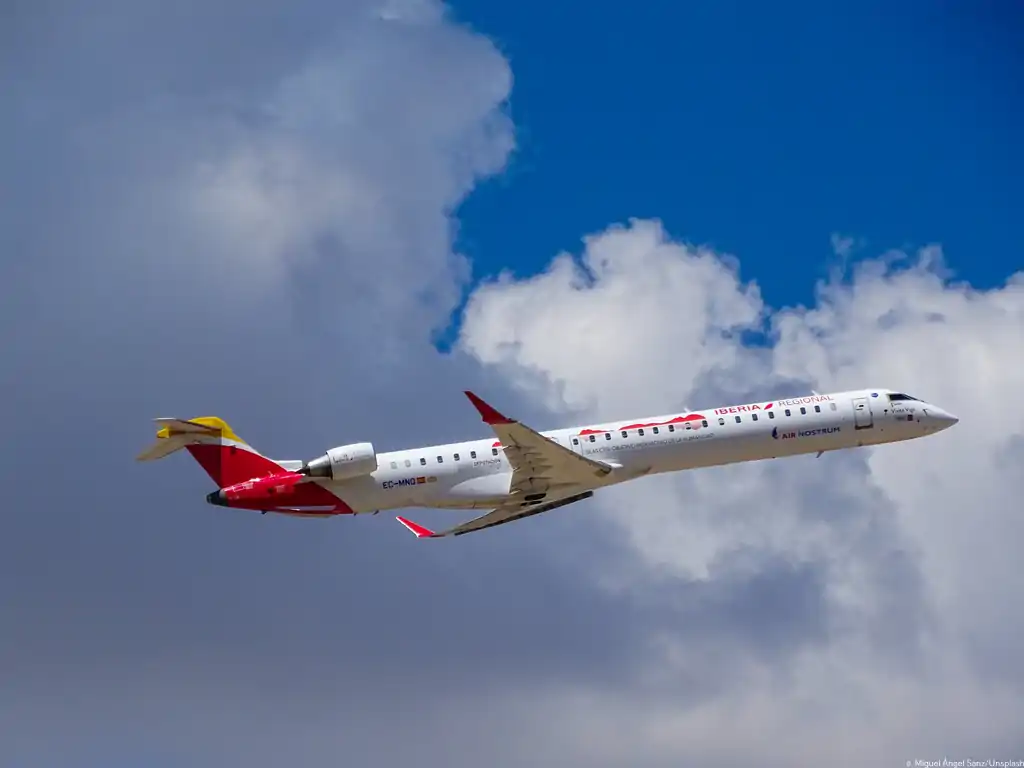
In a strategic move that could reshape the landscape of European regional aviation, Air Nostrum and CityJet have officially announced the establishment of the Strategic Alliance of Regional Airlines (SARA). This alliance, often referred to as a "holding group," represents a pivotal step in a collaboration that has been more than five years in the making. Although it doesn't signify an immediate merger between the two carriers, the European Commission's approval of their joint venture in March was seen as a precursor to a full-scale merger.
A Unified Force
SARA, as detailed in the October 17 announcement, is primarily owned by Air Nostrum's shareholders, who possess 80% of the alliance, with CityJet's stakeholders holding the remaining 20%. This alliance brings together three airlines - Air Nostrum, CityJet, and Air Nostrum subsidiary Hibernian Airlines.
However, it's not just about airlines; SARA also encompasses several other critical aviation industry players, including an MRO (Maintenance, Repair, and Overhaul) company ANEM, a crew training unit ANTO, and corporate services firms, Air Nostrum Global Services, flight support entity ARA, and commercial broker Ard Aer.
SARA's operating fleet commences with 74 regional aircraft, and its ambitious goal is to grow this number to 100 aircraft within the next three years. The alliance boldly claims the title of "the largest combined regional aviation services group in Europe." Carlos Bertomeu, the President of Air Nostrum, has assumed the role of Chairman of SARA, while Pat Byrne, CityJet's CEO, will lead as the "Head of Strategy."
Expansion Across Europe
SARA has clear plans for expansion, and its leadership has expressed the intention to cooperate with other customer airlines and partners across Europe. The growth strategy involves both organic expansion and targeted mergers and acquisitions (M&A) in the future.
Bertomeu, the Chairman of SARA, highlights the expected synergies within the alliance. These synergies are anticipated in areas such as aircraft maintenance, crew training, and fleet management. Importantly, SARA will function as a holding company, providing coordination and support to each of the individual companies within the group.
These subsidiary companies will continue to operate independently, maintaining their own brands and organizational structures. Employees of these subsidiaries will also remain in their respective countries, preserving their existing workforces.

Air Nostrum and CityJet: A Quick Overview
Air Nostrum is known for offering ACMI (Aircraft, Crew, Maintenance, and Insurance) and charter services, in addition to scheduled flights under a franchise agreement with Iberia, known as Iberia Express. The airline's fleet is composed of various regional aircraft, including six ATR72-600s (and a further five wet-leased from Mel Air), twenty-seven CRJ1000ERs, six CRJ200ERs, and one CRJ900. Hibernian Airlines has a fleet of three further CRJ1000ERs.
CityJet, on the other hand, specializes exclusively in ACMI and charter services. They ceased their scheduled flights in October 2018. CityJet's fleet primarily consists of twenty-two CRJ900LRs, with a seventeen of them operated on behalf of major European carriers like SAS Scandinavian Airlines and four CRJ1000ERs, its other customers including Lufthansa and Brussels Airlines.
Conclusion
The creation of the Strategic Alliance of Regional Airlines (SARA) signifies a significant development in the European aviation industry. As the largest combined regional aviation services group in Europe, SARA's influence is poised to extend across the continent, and the alliance's goal of reaching 100 aircraft in the next three years underscores their commitment to growth. While maintaining the independence of its constituent companies, SARA is set to deliver synergies in various critical aviation sectors, promising a bright future for regional air travel in Europe.
As the alliance continues to evolve, all eyes will be on how it navigates the ever-changing aviation landscape, responding to the needs and demands of both passengers and the industry as a whole. SARA's journey may well become a blueprint for the future of regional aviation across Europe.
With Inputs from ch-aviation

Read next

In a significant development for the aviation industry, the Air India Group, which comprises Air India, Air India Express, AIX Connect, and Vistara, has embarked on an ambitious expansion plan, aiming to take delivery of a new aircraft approximately every six days until the end of 2024.
This move comes in the wake of the group's acquisition by the Tatas, who are simultaneously working on consolidating their airline business. The implications of this endeavor are substantial, affecting the Indian aviation market and potentially setting the stage for long-term growth and influence within the industry.
Ordering a Massive Fleet
Earlier this year, Air India placed a monumental order for 470 aircraft from leading manufacturers Airbus and Boeing, totaling a staggering $70 billion based on published list prices. The deliveries for these new aircraft are set to commence from November 2023, with this substantial order signifying the group's commitment to expanding its operations and influence in the aviation sector.
Mergers and Consolidation
Air India Express, one of the subsidiaries within the group, is in the process of merging with AirAsia India, while Vistara is set to merge with Air India. Vistara, jointly owned by the Tata Group and Singapore Airlines, is a key player in this consolidation strategy. This consolidation effort is poised to streamline operations, reduce overheads, and create a more unified and efficient group, which can capitalize on synergies within the airline industry.
Near-Completion of Air India Express and AIX Connect Merger
The merger of Air India Express and AIX Connect is well underway, with significant progress made in the process. Air India Express Managing Director Aloke Singh mentioned that the most challenging aspects of the merger have already been addressed. Although the legal processes typically take 6-9 months to complete, the management is optimistic about finalizing the merger by March of the following year.

Enhanced Network Integration
One of the strategic advantages of the Air India Group's consolidation efforts is the ability to create a more integrated network. As Mr. Singh explained, Air India Express will operate across India, in the Asia region, Southeast Asia, Gulf, and the Middle East. The group's affiliation with Air India provides opportunities for cross-feeding between the various airlines within the group. This integration enhances their ability to serve passengers and operate efficiently, thereby contributing to their growth ambitions.
Long-term Growth Ambitions
A significant focus of the Air India Group is long-term growth, rather than just short-term expansion. The five-year plan includes doubling their market share in domestic India as well as doubling their presence in the short-haul international market. Once fully scaled, the combined entity is projected to achieve a 7-8% domestic market share and approximately 11-12% in the international short-haul sector. This growth, when realized, will have a far-reaching impact on the Indian aviation industry.
Market Share and Capacity
According to Air India's CEO and Managing Director, Campbell Wilson, market share is a direct consequence of capacity. The group's expansion in terms of fleet capacity should naturally lead to an increase in their market share. Nevertheless, this process takes time, especially as aircraft deliveries continue. The group's leadership appears to be well aware of this and is prepared for the gradual, yet significant, transformation that this ambitious expansion entails.
Conclusion
The Air India Group's plans for acquiring and integrating a massive fleet of new aircraft and consolidating its operations represent a significant development in the Indian aviation industry. The strategic acquisitions and mergers, along with the focus on long-term growth, position the group for an influential role within the market. As they continue to increase their capacity and enhance their network integration, the Air India Group appears to be on a trajectory for substantial growth and impact in the years to come, further solidifying their presence in the aviation sector.
Read next
IndiGo Expands its Global Reach by Several International Flights & Codeshare Partnerships

Radhika Bansal
18 Oct 2023
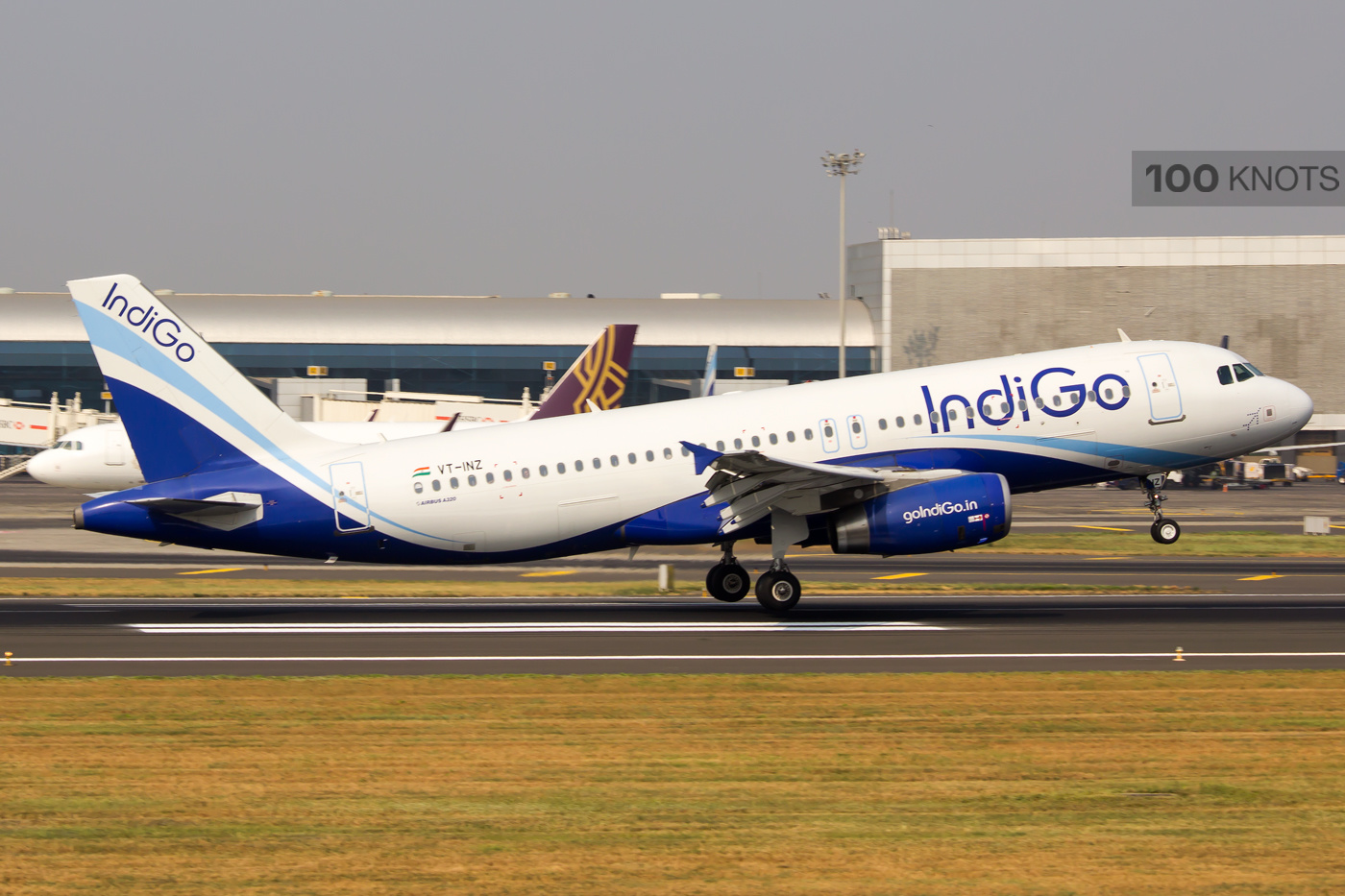
IndiGo has significantly expanded its global reach through a series of new destination launches, route introductions, and partnerships. In the past six months alone, the airline has unveiled over 20 international flights which include new routes and resumptions within the 6E network. This provides a vast array of destinations for customers travelling to and from India, as well as those transiting through the country. The upcoming festive season not only makes it an exciting time for Indians to explore these new international destinations but also for international travellers to experience our rich culture on display during this period.
These expansions form a pivotal part of IndiGo’s long-term growth strategy, demonstrating dedication to broadening its global footprint. IndiGo has strategically expanded its international network and launched new routes to alluring destinations such as Jakarta, Nairobi, Almaty, Tashkent, Baku, and Tbilisi. With these destinations, IndiGo has marked its foray in Central Asia and Africa, while bolstering its presence in Southeast Asia.
Furthermore, the airline has strengthened international networks from key cities like Hyderabad with new flights to Male, Colombo, Ras Al Khaimah, and Singapore. Ahmedabad’s connections with the Middle East were strengthened with new flights to Abu Dhabi and Jeddah. The airline also started operations between the new Manohar International Airport in Mopa, Goa to Abu Dhabi. Additionally, the airline has reinstated flights from Delhi to Hong Kong and will recommence Delhi-Male operations w.e.f. November 01, 2023, providing passengers with greater travel options to popular destinations.
Codeshare Partnerships With Major International Airlines
Along with these direct route expansions, IndiGo has further enhanced its reach across the globe with strategic codeshare partnerships with Turkish Airlines and British Airways, the UK’s second-largest airline. The alliance with Turkish Airlines offers seamless connectivity to 39 destinations, extending over Istanbul. This provides travellers access to North America, including destinations such as Chicago, Washington, Boston, New York, and San Francisco, 33 destinations in Europe, and Casablanca in Morocco, Africa.
IndiGo’s partnership with British Airways adds three additional routes to the latter’s existing network: Thiruvananthapuram, Rajkot, and Vadodara. These destinations are seamlessly accessible from London Heathrow via connecting flights in New Delhi or Mumbai.
In addition, IndiGo has strong codeshare partnerships with airlines such as Qantas, Air France, KLM, American Airlines, Qatar Airways, and Virgin Atlantic, providing passengers with seamless connectivity to a host of international destinations and the largest network that covers more than 80 airports across India. A codeshare partnership is a mutually beneficial arrangement between two airlines that allows an airline to book its passengers on its partner carriers.
Mr. Vinay Malhotra, Head of Global Sales, at IndiGo, said, “International connectivity is a paramount focus and a cornerstone of our growth strategy. We now offer access to a total of 32 international destinations across Central and Southeast Asia, Africa along the Middle East. To expand our reach even further we have strategic codeshare partnerships with 8 international airlines that have enhanced our global presence. With the upcoming festive season, these alliances usher in new possibilities for travellers, granting seamless access to a diverse array of international destinations. As we continue expanding our international network, we remain committed to delivering affordable, on-time, and hassle-free travel experiences across our unparalleled 6E network.”
Ranked as the seventh-largest airline globally in terms of daily departures, IndiGo boasts an extensive network connecting 32 international destinations, opening options not only for Indians to visit international destinations but also for international travellers to explore our culturally rich country.
IndiGo's Market Share
Between April and June, IndiGo, the largest domestic airline, has achieved a 17.2% market share, among both Indian and foreign airlines operating on international routes, up significantly from 9.6% in the June quarter of 2019, according to data from the Directorate General of Civil Aviation (DGCA).
Domestic rival Air India also increased its market share from 11.6% to 12.5% during the period, but its subsidiary, Air India Express, witnessed a decline in its market share in the June quarter, from over 8% in the corresponding 2019 period to 7.8%.
The COVID pandemic broke out in early 2020, grounding air traffic for an extended period, and 2019 was the last year when airlines operated under normal conditions. During April-June 2023, the number of international passengers was at 15.6 million, an increase of 23,000 compared to April-June 2019.
Read next
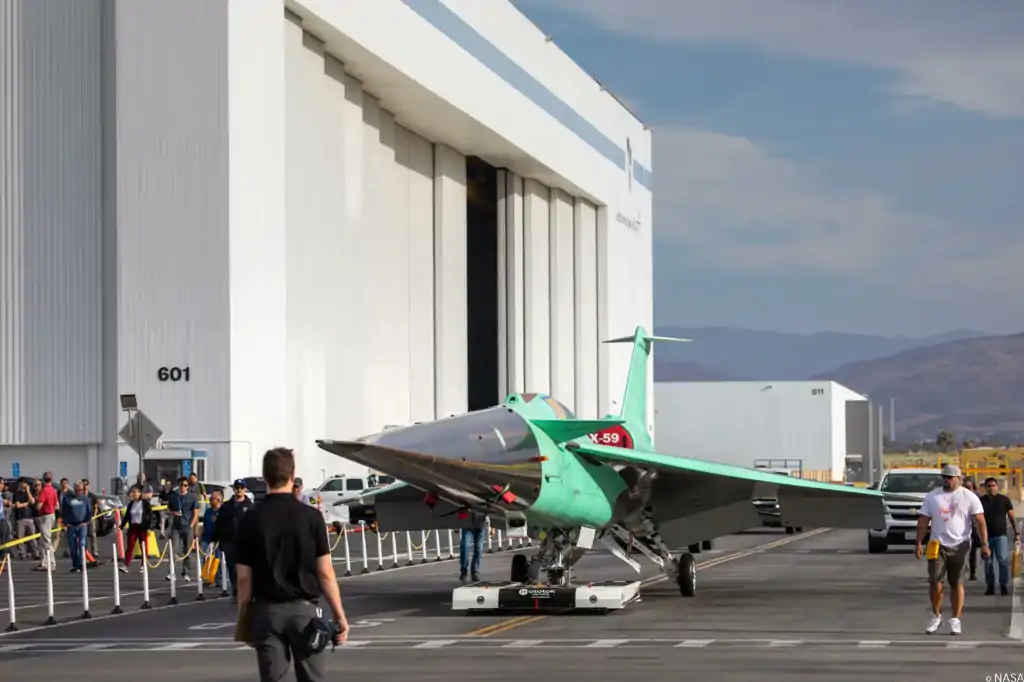
NASA's ambitious Quesst mission is on the brink of revolutionizing commercial aviation travel with the development of the X-59 quiet supersonic aircraft. However, the eagerly anticipated first flight of this unique experimental aircraft has been postponed to 2024, as NASA's dedicated team faces various technical challenges and strives to ensure the utmost safety and reliability of the aircraft.
Engineering Marvel: The X-59 Supersonic Aircraft
The X-59, developed in collaboration with Lockheed Martin Skunk Works, is a one-of-a-kind aircraft designed to push the boundaries of supersonic travel. The project demands complex engineering and ingenuity, combining new technology with systems and components sourced from established aircraft. Notably, the X-59 incorporates its landing gear from an F-16 and its life-support system adapted from an F-15.
This innovative aircraft is expected to cruise at a speed of Mach 1.42, equivalent to 1,510 kilometers per hour (937 miles per hour), at an altitude of 55,000 feet (16,800 meters). What sets the X-59 apart is its mission to produce a minimal sonic disturbance, generating a low 75 Perceived Level decibel (PLdB) thump. This is a pivotal aspect of the project, aimed at evaluating the acceptability of supersonic transport for communities.

Technical Challenges and Delays
The Quesst team faced several technical challenges throughout 2023, ultimately leading to the postponement of the X-59's first flight. The additional time is required to ensure the seamless integration of systems into the aircraft and to address intermittent issues with the safety-redundant computers responsible for controlling the aircraft's systems.
Nonetheless, the team made significant progress over the past year. They successfully installed the finishing touches to the X-59's tail structure, which allowed them to finalize electrical wiring and proceed to critical ground tests. The aircraft was also moved from its assembly facility to the flight line for structural testing.
A Revolution in Supersonic Travel
The primary goal of the X-59 is to demonstrate the ability to fly at supersonic speeds while reducing the typically loud sonic boom to a quieter sonic thump. NASA's plan includes flying the X-59 over several communities to gather essential data on how people perceive the sound it produces. This data will be invaluable for U.S. and international regulators, potentially leading to adjustments in rules that currently prohibit commercial supersonic flight over land.
NASA's Commitment to Safety and Success
Safety and success are NASA's top priorities for the Quesst mission. Ensuring the X-59's safety is not just a prerequisite for its first flight but for long-term operations and reliability during the community test phase. The aircraft is currently undergoing integrated testing, a critical phase that must be completed before it takes flight. Once this stage is successfully concluded, NASA plans to provide a more specific timeline for the X-59's first flight.
Quesst is a mission with the potential to revolutionize commercial aviation travel by significantly reducing travel time. However, NASA remains steadfast in their commitment to a thorough review and testing process to guarantee the mission's success.
Conclusion
As the Quesst mission continues to evolve and the X-59 supersonic aircraft inches closer to its groundbreaking flight, the world eagerly awaits the dawn of quieter and faster supersonic travel. NASA's dedication to safety and innovation sets the stage for a new era in aviation, offering the promise of efficient and environmentally friendly supersonic travel for future generations.
Read next
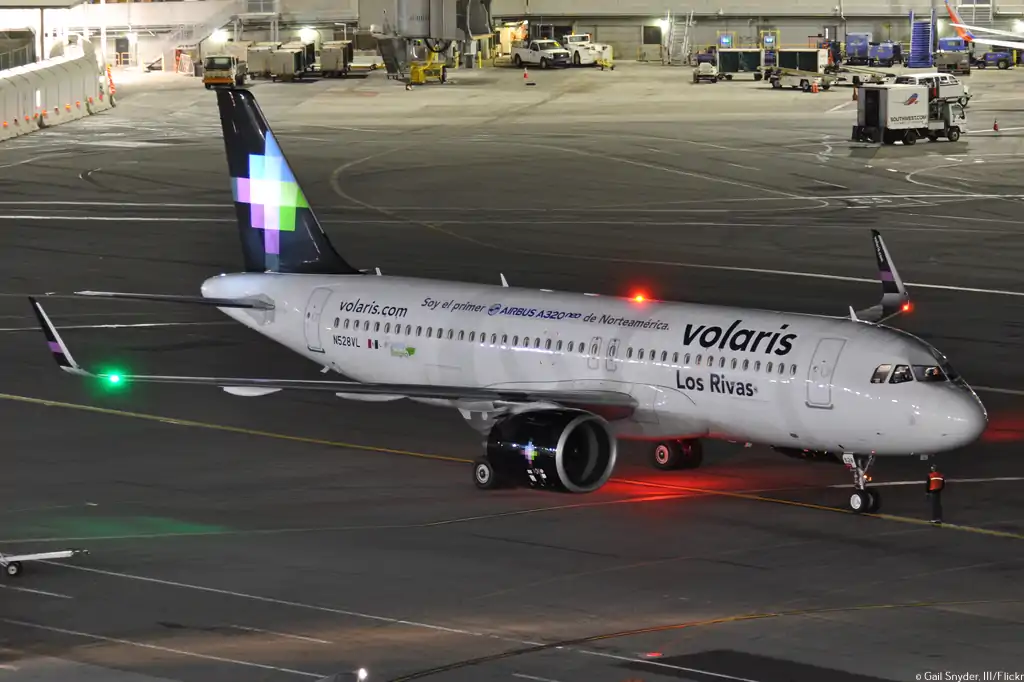
Mexican low-cost carrier Volaris has revised its capacity and financial outlook for the remainder of 2023 due to the repercussions of the recent groundings of its A320neo Family aircraft, powered by Pratt & Whitney PW1000G engines. The airline's decision reflects the challenges posed by these engine issues and the impact of surging fuel costs.
Capacity Adjustment
Volaris had initially set ambitious targets for 2023, aiming to increase its capacity, measured in available seat miles, by 13% compared to 2022. However, due to ongoing Pratt & Whitney engine problems, the airline has trimmed its growth projections, now setting a more modest goal of 10%. This adjustment is a prudent move in response to the ongoing challenges in the aviation industry.
EBITDAR Margin Reduction
One of the key financial metrics affected by these setbacks is Volaris' EBITDAR margin. Previously expected to reach a range of 29-31%, the airline has now scaled back its projections to a margin of 26%. This reduction is primarily a result of the decreased capacity and the related operational challenges that stem from the engine inspections and maintenance.
Revenue Outlook
Volaris now anticipates its total operating revenues in 2023 to be around USD3.2 billion, aligning with the lower end of the earlier USD3.2-3.4 billion range. The revenue outlook provides a more realistic perspective of the financial impact that the airline is facing in light of the A320neo groundings and rising fuel prices.

Root Causes: Pratt & Whitney Engines and Fuel Costs
The heart of Volaris' troubles lies in the ongoing issues with the Pratt & Whitney PW1000G engines. As of now, fifteen A320neo and two A321neo aircraft from the Volaris fleet are grounded for maintenance related to these engine problems. The company's decision to adjust its guidance is indicative of the significant disruptions and costs these issues have caused.
Furthermore, the surging fuel costs have added another layer of complexity to Volaris' financial challenges. The global increase in fuel prices has forced the airline to reassess its cost structure, which directly impacts its profit margins.
Mitigation Efforts
Volaris is taking proactive measures to mitigate the impact of the engine issues. These efforts include optimizing the airline's route network. By modifying routes and schedules, Volaris aims to continue delivering service to its customers while working through the necessary engine shop visits and maintenance.
Future Outlook
Volaris, backed by Indigo Partners, holds orders for an additional 142 A320neo Family aircraft from Airbus. As the airline navigates the current challenges, it will be crucial to monitor how the Pratt & Whitney engine problems evolve and how the company manages its fleet. These developments will play a vital role in shaping Volaris' growth trajectory and financial performance in the coming years.
Conclusion
Volaris' decision to revise its 2023 capacity and financial guidance reflects the real-world challenges airlines face in maintaining operations, particularly when dealing with unexpected issues like engine problems and rising fuel costs. As the airline industry continues to adapt to these challenges, Volaris remains determined to optimize its operations, ensuring a sustainable and resilient future.
With Inputs from ch-aviation
Read next

GE Aerospace announced a significant order from Air Canada, reaffirming the airline's trust in GE's GEnx-1B engines to power their expanding Boeing 787-10 Dreamliner fleet. Air Canada has ordered 36 GEnx-1B engines, along with four spares, and included options for an additional 24 engines. This decision marks another milestone in the longstanding partnership between Air Canada and GE Aerospace.
Air Canada's Ongoing Commitment to GE Engines
Air Canada, headquartered in Montreal, took delivery of its first Boeing 787 Dreamliner back in 2014. The airline currently operates a fleet of 38 Dreamliners, comprising both 787-8 and 787-9 variants, all powered by GE's GEnx engines. The decision to continue with GE engines underscores Air Canada's confidence in the reliability and performance of the GEnx series.
Joshua Vanderveen, Vice President of Maintenance at Air Canada, expressed the airline's enthusiasm for the collaboration, stating, "Air Canada is a longstanding GE Aerospace customer, and we are delighted to support our fleet renewal with these highly efficient GEnx engines to provide commonality and synergies across our Dreamliner fleet."
The GEnx Engine's Storied Success

The GEnx engine family has a remarkable track record since its entry into service in 2011, accumulating more than 50 million flight hours. It holds the distinction of being the fastest-selling high-thrust engine in GE's history, with nearly 3,000 engines already in service and on backlog, including spares. Moreover, the GEnx-1B engine is the powerplant of choice for two out of every three Boeing 787 aircraft currently in service, making it a dominant force in the aviation industry.
Kathy MacKenzie, Vice President of GE Commercial Programs for GE Aerospace, expressed her satisfaction with Air Canada's continued trust in GE's technology, saying, "GE Aerospace is honored Air Canada continues to put its trust in our GEnx engine, and we look forward to working together to introduce the engines into Air Canada’s fleet."
One of the standout features of the GEnx-1B engine is its remarkable fuel efficiency. It offers a 1.4% reduction in fuel burn for the typical 787 mission when compared to its competition. This translates to a significant cost savings of approximately $300,000 per airplane per year in fuel expenses. This efficiency not only reduces operational costs for airlines like Air Canada but also contributes to environmental sustainability by lowering carbon emissions.
Future Prospects and Collaboration
Air Canada's decision to incorporate GEnx-1B engines into its new Boeing 787-10 aircraft signals a bright future for the partnership between the airline and GE Aerospace. The options for an additional 24 engines underline the potential for further expansion and modernization of the Air Canada fleet in the coming years. This collaboration will likely continue to drive innovation and advancements in aviation technology.
Conclusion
In summary, Air Canada's latest order for GEnx-1B engines reflects their confidence in GE Aerospace's ability to provide cutting-edge, fuel-efficient engines that will power their next generation of Boeing 787-10 Dreamliners.
This decision not only strengthens the ongoing partnership between Air Canada and GE but also highlights the GEnx-1B's position as a top choice in the aviation industry due to its efficiency and reliability. As the airline industry continues to evolve and seek sustainability, such collaborations are instrumental in shaping the future of air travel.
With Inputs from ARGS
Comment