Avianca's $473 Million Investment Unleashes Unprecedented Growth in Flight Expansion

Abhishek Nayar
09 Sep 2023
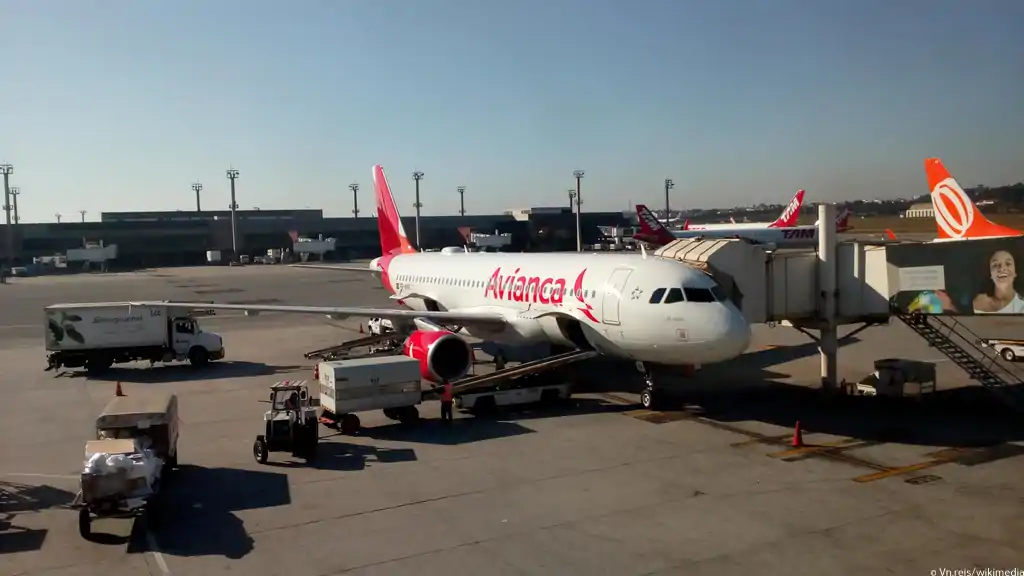
Colombia's national carrier airline, Avianca, is set to take a significant leap forward in its quest to provide more accessible and efficient travel options. On Thursday, September 7, 2023, Avianca's CEO, Adrian Neuhauser, announced an impressive $473 million investment aimed at expanding its fleet by 16 aircraft. This ambitious move is designed to enhance the number of flights available, ultimately benefiting travelers and solidifying Avianca's presence in the airline industry.
The Expansion Plan
Investing in Modernization

Avianca's investment strategy focuses on leasing 14 cutting-edge Airbus A320 NEO planes and two A320 CEO planes. These aircraft represent the latest in aviation technology, boasting superior fuel efficiency, enhanced passenger comfort, and reduced environmental impact. This modernization initiative aligns with Avianca's commitment to providing a world-class flying experience.

"The resources to finance the incorporation of these planes come from available cash and additional debt that we take on leases," Neuhauser explained. According to the CEO, the 16 planes would join Avianca's fleet between October and the end of December.
Boosting Domestic Connectivity
One of the primary goals of this expansion is to significantly increase Avianca's daily domestic flights, aiming for a remarkable 25% growth. This means that the airline intends to elevate its current daily domestic flights from 600 to an impressive 750. Such a substantial increase in domestic connectivity is poised to have a significant impact on Colombia's transportation landscape.
Unprecedented Growth
During a press conference held in Colombia's capital, Bogota, CEO Adrian Neuhauser expressed his excitement, calling the nearly 1 million weekly seat increase "unprecedented growth" in Avianca's history. This bold expansion move demonstrates Avianca's commitment to meeting the growing demand for domestic air travel within Colombia and further establishing itself as a key player in the industry.
The Benefits to Travelers
Avianca's fleet expansion promises several benefits for travelers:
More Flight Options: With 16 new aircraft, passengers can expect a more extensive selection of flight options, allowing for greater flexibility when planning their journeys.
Reduced Congestion: Increased daily domestic flights will help reduce congestion and waiting times at airports, offering passengers a smoother and more efficient travel experience.
Enhanced Comfort and Efficiency: The incorporation of modern Airbus aircraft means passengers will enjoy improved comfort, state-of-the-art amenities, and shorter travel times.
Conclusion
Avianca's ambitious investment in expanding its fleet by $473 million and increasing its daily domestic flights by 25% is a significant milestone for Colombia's national carrier. This move reflects Avianca's commitment to providing passengers with more choices, enhanced comfort, and improved travel efficiency. The unprecedented growth marks a pivotal moment in the airline's history, promising a brighter future for travelers across Colombia.
With Inputs from Reuters
Read next
Air Astana Unveils Central Asia's First EASA-Approved Flight Training Center
Abhishek Nayar
09 Sep 2023
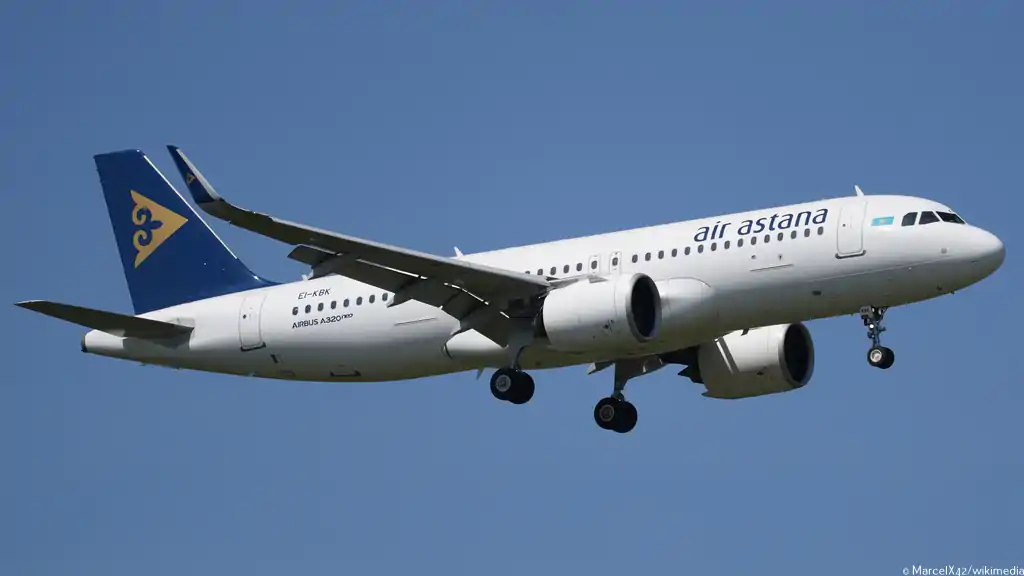
On September 8, 2023, Air Astana achieved a significant milestone in the aviation industry by formally opening its new Flight Training Centre at Astana International Airport. This event marked a historic moment as the airline became the first in Central Asia to receive approval from the European Aviation Safety Agency (EASA) for its state-of-the-art training facility. The new centre boasts cutting-edge flight simulators that adhere to international standards, signaling Air Astana's commitment to excellence in aviation training.
Setting New Standards in Central Asia

The Significance of EASA Approval
Securing approval from the European Aviation Safety Agency is no small feat. EASA is renowned worldwide for its stringent safety standards and regulations. The fact that Air Astana's Flight Training Centre is the first in Central Asia to earn this approval speaks volumes about the airline's dedication to safety and training excellence.
Cutting-Edge Flight Simulators
At the heart of this training centre are its advanced flight simulators. These simulators are equipped with the latest technology, offering a realistic and immersive training experience for aspiring pilots. The high-fidelity simulations prepare pilots to handle a wide range of scenarios, ensuring they are well-prepared for any situation they might encounter in the sky.
The L3 Harris Reality Seven full-flight-simulator delivers the most realistic training environment. The simulator is the first one to enter service with Air Astana and the first to be installed in Kazakhstan. The centre is intended to improve pilot training skills in Kazakhstan, eliminating the need to send pilots overseas for training in the past. Over 500 Air Astana Group pilots will be trained at the new facility, which will be accessible 24 hours a day, seven days a week.
Air Astana has also invested in the Cabin Emergency Evacuation Trainer (CEET) and the Real Fire Fighting Trainer (RFFT), both of which are expected to be operational by the end of the year. Both simulators are 'state of the art' in terms of worldwide quality and standards, and completely simulate reality in all elements of various aircraft evacuation and firefighting situations for in-house training of the group's flight attendants and pilots.
Advantages of the New Flight Training Centre
Elevating Training Standards
Air Astana's commitment to providing top-tier training is not just about meeting regulatory requirements. By setting up a world-class training facility, the airline aims to raise the bar for aviation training in Central Asia. This move not only benefits Air Astana but also contributes to the overall safety and professionalism of the aviation industry in the region.
Attracting Talent
With access to a cutting-edge training centre, Air Astana can attract top talent from the region and beyond. Aspiring pilots and aviation professionals seeking the best training opportunities will be drawn to the airline's impressive facility. This influx of talent is essential for the continued growth and success of Air Astana.

The Future of Air Astana
Strengthening International Partnerships
EASA approval is not only a recognition of Air Astana's capabilities but also a key to forging stronger international partnerships. The airline's commitment to safety and training excellence will likely lead to collaborations with other global aviation players, further solidifying its position in the industry.
Expanding Horizons
Air Astana's new Flight Training Centre is a testament to the airline's ambition and vision. It signals the company's intention to expand its operations and influence not only within Central Asia but on a global scale. As the airline continues to grow, it will undoubtedly play a more significant role in shaping the future of aviation.
Comments
"The opening of Air Astana's new Flight Training Centre demonstrates a strategic commitment to ensuring the very highest standards of flight personnel performance and also enhances the steady flow of new entrants into Kazakhstan's air transport industry as it grows in the future," stated Peter Foster, President of the Air Astana Group. "I am confident that the new facility will not only prove to be a highly cost-effective resource for Air Astana, but it will also result in Kazakhstan becoming a regional leader in flight training."
Conclusion
Air Astana's new Flight Training Centre at Astana International Airport represents a monumental achievement for the airline and the Central Asian aviation industry as a whole. Earning approval from the European Aviation Safety Agency underscores the airline's unwavering commitment to safety and excellence. With state-of-the-art flight simulators and a dedication to setting new training standards, Air Astana is poised for a bright future in the world of aviation.
With Inputs from Air Astana
Read next


IndiGo plans to wet lease 10 Airbus A320 aircraft from a European carrier to tide over its engine woes and add flights in the busy winter season. IndiGo, which is the country’s largest airline by market share and fleet size, has a fleet of around 320 aircraft. This comprises a mix of Airbus and ATR planes. It also operates two Boeing 777-300ER aircraft wet-leased from Turkish Airlines. It operates over 1,800 daily flights, but its growth has been hamstrung by the grounding of around 40 Pratt & Whitney-powered A320 Neo aircraft.
IndiGo has placed the request with the aviation regular Directorate General of Civil Aviation (DGCA). IndiGo's request is under process. Necessary approvals from the Directorate General of Civil Aviation (DGCA) are being obtained and the planes will be inducted from the next month onwards. “With the continuous rise in travel demand, we keep evaluating all possible measures to cater to our customers’ needs,“ IndiGo said in a statement.
Under a wet lease arrangement, a lessor provides pilots, crew and engineering support to a lessee. The DGCA norms dictate conditions under which airlines can wet lease planes. Wet leases are permitted in emergencies to fill passenger capacity shortages caused by aircraft grounding. Wet leasing differs from a dry lease in that it also involves the lessor providing the crew to operate the aircraft. A dry lease involves a commercial airline taking aircraft from the leasing company for a set period but operating it with its own crew. Simple Flying has previously explained in detail the differences between a wet and a dry lease.
To be sure, IndiGo already has two Boeing 777-300ER aircraft on a wet lease from Turkish Airlines and uses them on the Istanbul route. The two airlines also have an extensive code-share agreement and connect passengers on each others’ networks. IndiGo has, in the past, wet-leased Airbus A320 aircraft too. In 2017, it had wet-leased planes from Small Planet Airlines from Lithuania citing aircraft delivery delays. Rival carrier SpiceJet, too, took planes from Correndon Airlines from Turkey on a wet lease this year.
IndiGo's Previous Aircraft Orders
This comes shortly after IndiGo entered a leasing agreement with BOC Aviation for 10 Airbus A320neo aircraft that are also expected to join its fleet in 2023. This was followed by the carrier adding 10 more A320s to its 2019 order of 300 planes with Airbus. IndiGo in 2019 had placed a record order of over 300 Airbus A320 NEO family aircraft worth around USD 33 billion at notional catalogue prices with France's Airbus. Notably, the delay in delivery of the A320 NEO family aircraft has been due to issues with Pratt & Whitney (P&W) engines.
In June this year, IndiGo signed a massive order of 500 aircraft with Airbus at the Paris Air Show. The order book comprises a mix of A320NEO, A321NEO and A321XLR aircraft. The airline now has almost 1000 aircraft on order which are to be delivered by 2035. The order was touted as not only IndiGo's largest order but also the largest-ever single aircraft purchase by any airline with Airbus.
IndiGo operates over 300 aircraft and has previous orders totalling 480 aircraft which are yet to be delivered by the end of this decade. With the additional firm order of 500 aircraft for 2030-2035, IndiGo’s order book has almost 1,000 aircraft yet to be delivered well into the next decade. With the A320 NEO aircraft, IndiGo aims to push its fuel efficiency and sustainability goals. The airline company has also said that the A320 NEO aircraft will aid in lowering operating costs and delivering fuel efficiency with high standards of reliability.
According to reports, IndiGo is also in talks with OEMs to add 20 widebody aircraft to its fleet. IndiGo currently flies to eight domestic and 32 international destinations with over 1,900 daily flights. The airline has several aircraft grounded due to Pratt and Whitney engine issues.
Read next

The Sri Lankan government is actively exploring options for the privatisation of SriLankan Airlines and is engaging in talks with various private entities and airlines. Among the potential investors are well-known names such as Emirates, Tata Sons, and the Adani Group. Veeraperumal Ravindran, the carrier's regional manager for India, Bangladesh, and Nepal, revealed this information during an interview with The New Indian Express, aimed at increasing the airline's presence in the Indian state of Kerala.
SriLankan Airlines plans to enhance its services between Colombo and Thiruvananthapuram during the upcoming winter schedules, increasing from six times to seven times weekly. Additionally, it intends to maintain its 10 times weekly frequencies to Kochi International and explore new flight routes to Kozhikode due to available aircraft. According to the report, Ravindran noted a significant increase in traffic from India to Sri Lanka in the past seven months, signalling a positive trend for the airline, as Sri Lanka's situation gradually returns to normalcy. However, Ravindran provided no further details about the ongoing privatisation discussions.
The Potential Investors
Tata Sons, the parent company of Air India, Air India Express, Vistara, and AirAsia India, has long been considered a potential investor in Sri Lanka's state-owned carrier. In contrast, the involvement of the Adani Group is a recent development. Group chairman Gautam Adani held discussions with Sri Lankan President Ranil Wickremesinghe during the president's two-day visit to India in July, focusing on multiple projects within Sri Lanka. While the meeting encompassed various initiatives, there was no mention of the airline at the time.
Emirates' history with SriLankan Airlines dates back to 1998 when it acquired a 43.63% stake in the carrier, along with a ten-year management concession. However, a falling out between Emirates-installed executives and the Sri Lankan government led to Emirates choosing not to renew its contract in 2008. The airline subsequently divested its shares to Colombo in 2010, and efforts to find a strategic investor since then have been unsuccessful.
Sri Lanka's commitment to privatise loss-making SriLankan Airlines, as pledged by then-Prime Minister Wickremesinghe in May 2022, aimed to shift the burden of restructuring the airline, including addressing its high legacy debt servicing costs, to private investors instead of relying on state finances, as stated by the report. The initial focus will be on restructuring the carrier's balance sheet with the subsequent sale of the airline. In early July, Sri Lanka's civil aviation minister, Nimal Siripala, emphasised the completion of the airline's restructuring within six months.
Trouble for the Airline
SriLankan Airlines has been facing financial troubles for several years. The COVID-19 pandemic has further exacerbated the airline's difficulties, resulting in reduced operations and increased losses. Therefore, the privatization of the national carrier is seen as a viable option to restore its financial health and ensure long-term sustainability. The takeover of SriLankan Airlines by Tata Group, Adani Group, or Emirates would bring both advantages and challenges. It would inject much-needed capital into the airline, enabling fleet expansion and infrastructure upgrades. Additionally, the new owners could leverage their global networks to enhance SriLankan Airlines' connectivity and increase passenger traffic.
However, there are concerns about the potential loss of local control and influence over the airline's operations if it falls into foreign hands. These concerns must be carefully addressed to ensure that the airline's operations continue to benefit Sri Lanka's economy and tourism industry.
SriLankan had forecasted an aircraft shortage factoring in scheduled lease expirations, but the actual shortage was worsened by several unforeseen events. This includes the prolonged time being taken to complete annual 'C' checks on two SriLankan Airlines aircraft due to the unavailability of components locally and the ongoing short supply of engines for Airbus A320neo aircraft in the global marketplace, the latter of which has caused 350 aircraft to be grounded worldwide. The airline also had to delay the procurement process for new leases, due last year, given the country's economic situation. The two aircraft undergoing 'C' checks will finally return to operations next week. The month of July bought more positive changes in the way of a short-term lease extension for an aircraft that was supposed to be returned, four replacement engines for Airbus A320 neo aircraft on the ground and the arrival of a newly leased Airbus A330, all of which would bump the SriLankanAirlines' fleet to about 20 aircraft.
About the Carrier
The airline’s hub is located at Bandaranaike International Airport in Colombo, providing convenient connections to its global route network of 112 destinations in 58 countries. SriLankan Airlines has a global workforce of approximately 6,000 employees based in Sri Lanka and abroad. The airline has training programmes in all aviation-related fields to cater to its own expansion and the constant need to replace its staff as they are in high demand in the aviation sector. Before the Covid-19 pandemic, the airline employed 320 pilots for its fleet of 27 aircraft. Currently, there are 257 pilots, which is sufficient to meet the operational needs of the reduced fleet and maintain compliance with global standards for crew flying hours.
Sri Lanka’s national carrier flies to about 35 destinations across different regions including 10 cities in India, most of the major Gulf cities, London, Paris and Frankfurt. It serves Thailand, Malaysia, Singapore, South Korea, China, Japan, Sydney Melbourne, Australia and Maldives in the East. The national airline has been also asked to increase its fleet to its pre-Covid-19 level of 27, from its current number of 23. It is currently looking at leasing five A320s and a similar number of A330s.
SriLankan Airlines presently flies to the Indian airports of Bangalore International, Chennai, Delhi International, Hyderabad International, Kochi International, Madurai, Mumbai International, Thiruvananthapuram, and Tiruchirapally from its Colombo hub. Based on seat availability data, SriLankan Airlines currently commands a 63.21% market share on the country pair.
(With Inputs from The New Indian Express)
Read next

In an interview with Reuters, Ryanair Group CEO Michael O'Leary expressed his satisfaction with the strong reservation numbers for September and the upcoming months of October. His optimism is driven by the belief that a resurgence in Asian travel will play a pivotal role in maintaining high ticket prices in Europe next summer.
During his visit to Brussels, O'Leary also voiced concerns about the volatile price of oil but refrained from making any concrete predictions regarding its impact on Ryanair's profit outlook for the year. As Europe's largest airline in terms of passenger counts, Ryanair's performance remains closely watched in the aviation industry.
The Resilience of European Air Travel
A Strong Start to September
As the travel industry continues to grapple with the effects of the global pandemic, Ryanair's robust performance in reservations during September is a ray of hope. This promising trend indicates that travelers are regaining confidence in air travel, even in the face of lingering uncertainties.
Ongoing Recovery Efforts
The aviation sector has been severely impacted by the pandemic, with airlines facing unprecedented challenges. However, companies like Ryanair have been adapting and implementing strategies to facilitate recovery. This includes introducing flexible booking options and stringent safety measures to ensure passenger comfort and safety.
The Asian Factor
One key factor in Ryanair's optimism is the anticipated resurgence of Asian travel. As countries in Asia gradually reopen their borders and international travel resumes, European airlines like Ryanair expect a surge in demand for flights. This expected influx of travelers from Asia could help maintain high ticket prices in Europe, benefiting both the airline and passengers alike. O'Leary anticipates that Asian tourism to Europe will rebound to around 60% of pre-COVID levels by next summer.
Concerns about Oil Prices
An Ongoing Challenge
The price of oil has always been a critical factor for airlines, as it significantly affects operational costs. With the energy market prone to volatility, airlines must continuously monitor and adapt to changes in oil prices to ensure profitability.
Uncertainty Prevails
Despite expressing concern about oil prices, Michael O'Leary refrained from making any predictions about how they might impact Ryanair's profit outlook for the year. This cautious approach is in line with the unpredictable nature of the energy market, which can fluctuate due to various geopolitical and economic factors. O'Leary stated that Ryanair had hedged 85% of its fuel needs until the end of its fiscal year (FY) in March 2024 to deal with oil price risk.
"We're now about 40% hedged for the first half of fiscal year 25." So, the April to September 2024 timeframe is now around 40% hedged at $74 per barrel. "We are still hedged at well below current spot prices," he added.
"We will remain concerned...." Air transport in Asia is rapidly improving. This should also assist with traffic in Europe during the summer of 2024. But it will very certainly increase demand for jet oil," he warned.

The Significance of Ryanair
Europe's Leading Airline
Ryanair's status as Europe's largest airline by passenger counts underscores its influence on the continent's air travel industry. The company's performance and strategies set the tone for the entire European aviation sector.
A Strong Focus on Innovation
Throughout its history, Ryanair has been known for its innovative approach to air travel. Whether it's pioneering the low-cost carrier model or embracing digital technologies, the airline consistently seeks ways to enhance the passenger experience and maintain its competitive edge.
Comments
"We're very pleased with the strength of bookings into September and October," said O'Leary. "We're on track to get to about 183 (million)-184 million passengers... so we're continuing to run about 20-23% ahead of our pre-COVID numbers."
"In August, we had a 96% load factor and carried 18.9 million passengers." We would have reached 19 million if it wasn't for the UK ATC failure." O'Leary remarked, alluding to an air traffic control meltdown in late August. A load factor of 96% indicates that 4% of seats were not occupied throughout the month.
Conclusion
In conclusion, Ryanair Group CEO Michael O'Leary's optimism about the strength of reservations for September and beyond is a positive sign for the European aviation industry. While challenges persist, the anticipated resurgence of Asian travel and Ryanair's ongoing efforts to adapt and innovate should help maintain high ticket prices next summer. However, the unpredictable nature of oil prices adds an element of uncertainty to the airline's profit outlook for the year.
With Inputs from Reuters
Read next

In the world of aviation, the Airbus A380 has always been a symbol of luxury, comfort, and innovation. Singapore Airlines, a renowned carrier in the industry, has a fleet of various aircraft for its extensive network of flights, including destinations in India such as New Delhi and Mumbai.
However, for a brief period, the iconic A380 was temporarily replaced by the Boeing 777 on flights to Mumbai. But as of this month, there's exciting news for aviation enthusiasts and passengers alike - the double-decker giant, the Airbus A380, is set to make a triumphant return to the Singapore-Mumbai-Singapore route.
The Airbus A380: A Marvel of Modern Aviation

Before we delve into the details of Singapore Airlines' aircraft shuffle, let's take a moment to appreciate the marvel that is the Airbus A380. This colossal plane is the largest passenger aircraft globally, with its unmistakable double-decker design, spacious cabins, and state-of-the-art amenities. It's a favorite among travelers seeking unparalleled luxury and comfort during their long-haul journeys.
Singapore Airlines: A Leader in Aviation Excellence
Singapore Airlines has long been synonymous with excellence in the aviation industry. With a reputation for top-notch service, cutting-edge technology, and a commitment to passenger satisfaction, it's no wonder that the airline boasts a loyal customer base worldwide.
An Unusual Pattern
This year, Singapore Airlines' (SIA) Airbus A380 service to Mumbai has followed a peculiar trend. To begin, the airline operates two daily flights to Mumbai, one with an Airbus A350 and the other with an A380 (currently flight SQ424 from Singapore to Mumbai), with an extra A350 service every Friday and Saturday.
According to Cirium data, the airline operated a daily A380 service between the two destinations from January to May. But that began to change in June, when a Boeing 777-300ER performed nearly half of those excursions.
For operational reasons known only to Singapore Airlines, the 777 had completely replaced the A380 by July, and this trend continued in August. Fans of the A380, on the other hand, didn't have to wait long as the airline reintroduced the superjumbo to Mumbai on September 1st after a two-month hiatus. According to data, the A380 will continue to service Mumbai for at least another year.
The Boeing 777 Interlude

Earlier this year, Singapore Airlines made a temporary change in its aircraft lineup for flights to Mumbai. The Boeing 777, another impressive aircraft in its own right, took the reins for a few months. While the Boeing 777 offers a comfortable and efficient travel experience, passengers who had grown fond of the A380 were eager to see its return.
The Much-Anticipated Comeback
Aviation enthusiasts and travelers on the Singapore-Mumbai route can rejoice as Singapore Airlines announces the return of the Airbus A380. Starting this month, passengers will once again have the opportunity to experience the grandeur of this superjumbo on their journeys to and from Mumbai.

Why the Airbus A380?
Unmatched Comfort: The Airbus A380 is renowned for its spacious cabins and comfortable seating arrangements, providing passengers with ample room to stretch out and relax during their long-haul flights.
Luxurious Amenities: From elegant in-flight dining to cutting-edge entertainment systems, the A380 offers a range of luxurious amenities to make your journey truly memorable.
Enhanced Privacy: The A380's layout allows for enhanced privacy, making it an excellent choice for both business travelers and those seeking a peaceful travel experience.
Eco-Friendly Initiatives: Singapore Airlines has implemented eco-friendly measures onboard the A380, making it a sustainable choice for environmentally conscious travelers.
What Passengers Can Expect
As the Airbus A380 returns to the Singapore-Mumbai-Singapore route, passengers can look forward to:
- Spacious and comfortable cabins with ample legroom.
- A wide selection of delectable in-flight dining options.
- Cutting-edge entertainment systems to keep passengers entertained throughout their journey.
- The option to choose from various travel classes to suit their preferences and budget.
Conclusion
The return of the Airbus A380 to Singapore Airlines' Mumbai route is undoubtedly a cause for celebration. The blend of luxury, comfort, and efficiency that the A380 brings is sure to enhance the travel experience for passengers on this route. So, whether you're a seasoned traveler or embarking on your first long-haul journey, prepare for an unforgettable experience aboard the iconic Airbus A380.
Comment