
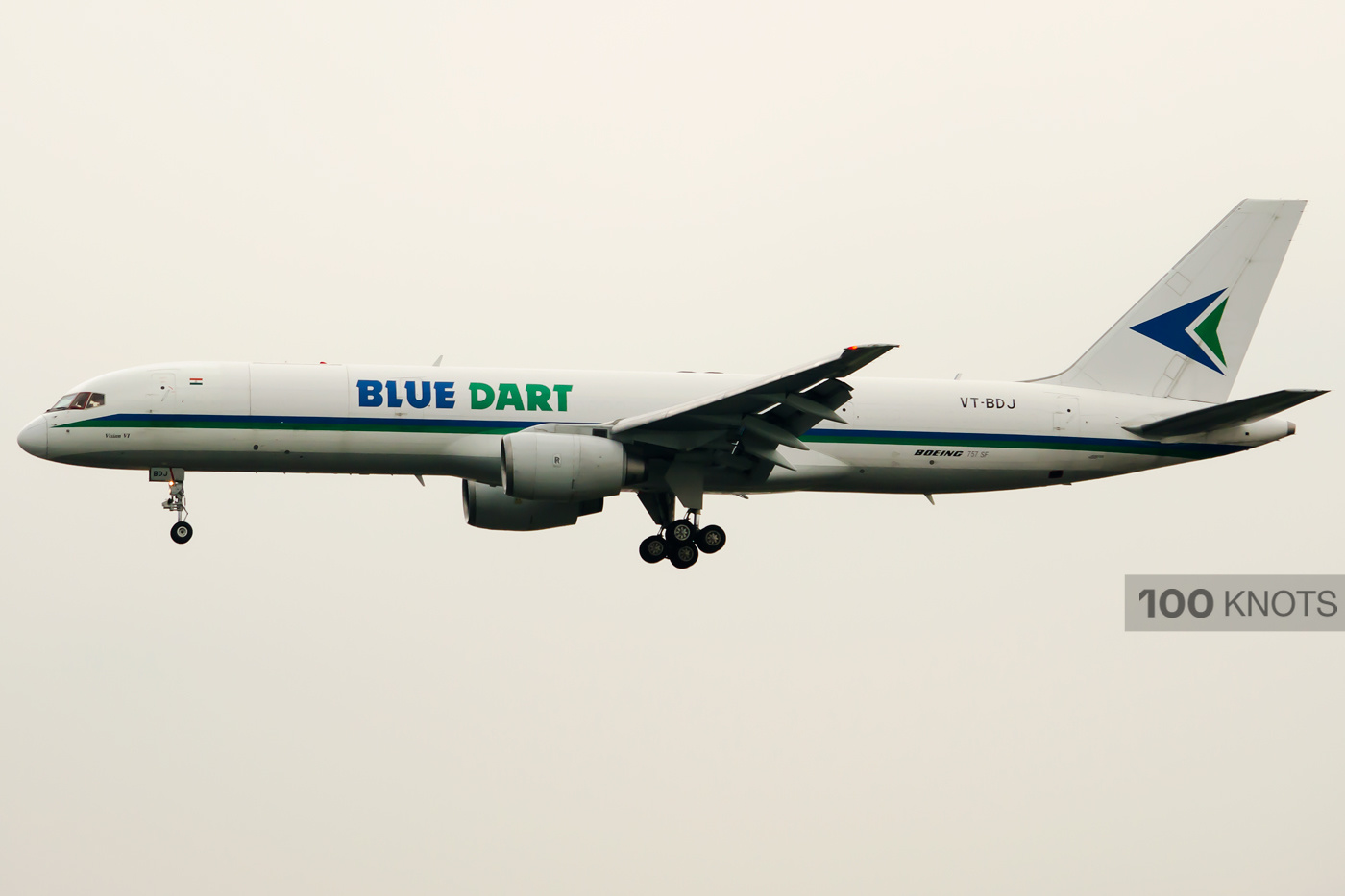
Blue Dart Express’ share price rose 2.3% in the early trade on December 11 after its subsidiary purchased two leased aircraft. These two aircraft are being operated on lease by Blue Dart Aviation.
At 09.29 AM, Blue Dart Express was quoting at INR 7,562.10, up INR 176.60, or 2.39%, on the BSE.
"The board of directors have noted and approved the purchase of two leased aircraft by Blue Dart Aviation Ltd. (BOAL), a wholly-owned subsidiary of the company from DHL Aviation (Netherlands) B.V. (DHL NL), a fellow subsidiary company for an amount of approximately INR 40 crore," the company said in a statement to the media.
In November, the company announced its plans for nationwide expansion with the inauguration of 40 new franchisees and company-owned retail outlets. Strategically positioned in cities like Kolkata, Delhi and Mumbai, this expansion indicates a significant step towards strengthening Blue Dart's connectivity across the nation, the company said in a statement.
The company in its regulatory filing on September 30, announced a decision to implement a general price increase, effective January 2024. The price increase will be 9.6% as compared to 2023, depending on the shipping profile.
Blue Dart's Finances Flying High
In the quarter that ended September 2023, the company posted a 22.5% decline in net profit at INR 71.29 crore.
Blue Dart Express Ltd’s revenue decreased by 0.07% from INR 1,325 Crore in Q2FY23 to INR 1,324 Crore in Q2FY24. During the same period, net profit decreased by 22% from INR 94 crore to INR 73 Crore. The sector’s compound annual growth rate (CAGR) is expected to increase from 7.8% over the preceding five years to 10.5% through 2025, according to the Investment Information and Credit Rating Agency of India (ICRA).
Blue Dart is an express air, integrated transportation & distribution company, offering delivery of consignments across India.
The share touched a 52-week high of INR 7,934 on January 2, 2023, and a 52-week low of INR 5,633 on May 8, 2023. The stock is trading 4.69% below its 52-week high and 34.25% above its 52-week low.
Blue Dart Express Ltd operates 6 Boeing 757-200 and 2 Boeing 737-800 aircraft and is present in over 55,400 locations worldwide. Blue Dart keeps up its national support by offering the best service possible throughout the huge and varied geographical area of India. Over 3,273.71 lakh domestic shipments and 8.23 lakh international shipments, totalling more than 11,54,000 tonnes were transported by Blue Dart throughout the year.

Read next
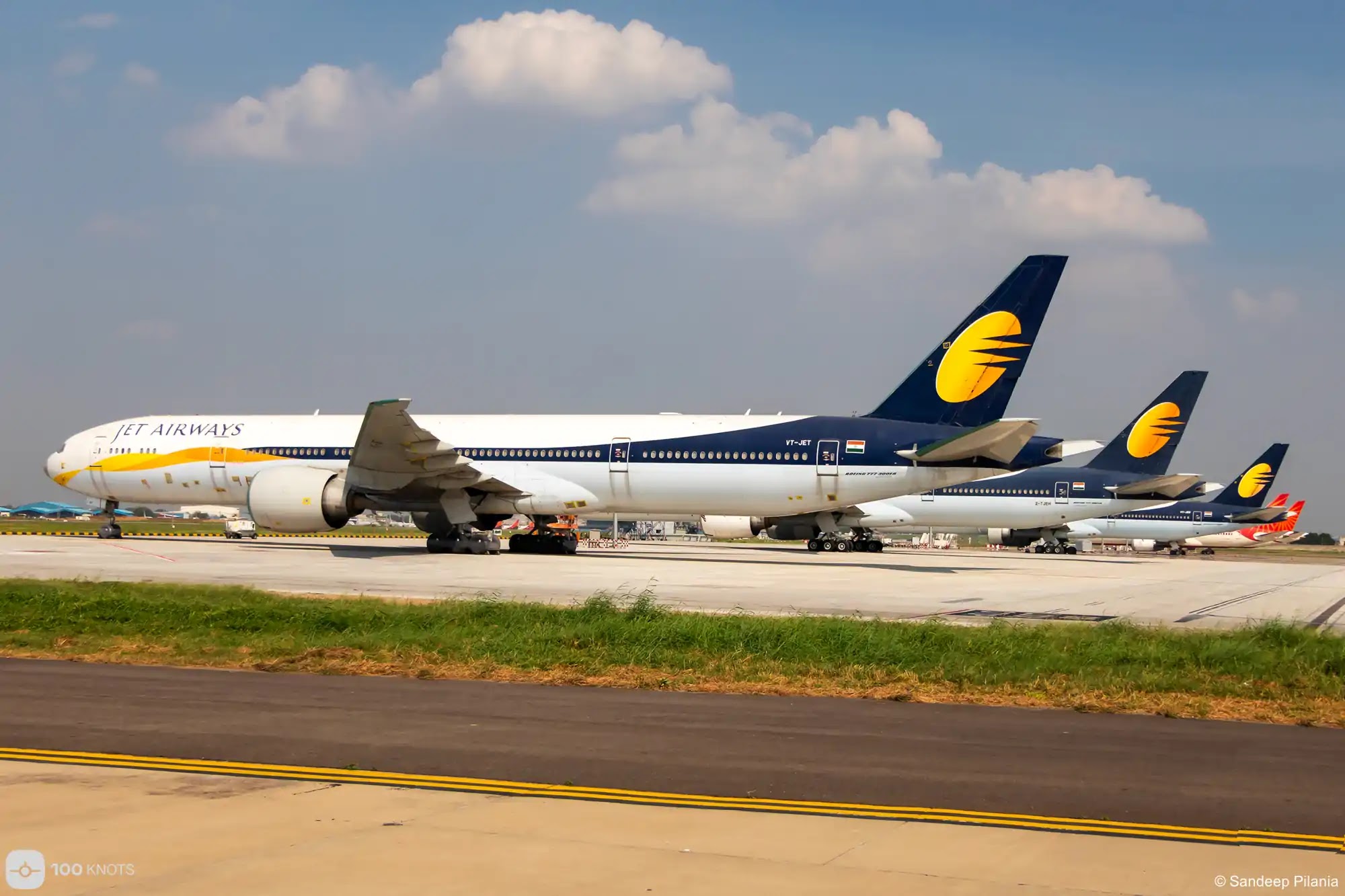
On December 12, the National Company Law Appellate Tribunal (NCLAT) set aside judgment in an appeal filed by the Jalan Kalrock Consortium (JKC), contesting the National Company Law Tribunal's (NCLT) order requesting that the airline's monitoring committee resume and complete the sale of Jet Airways aircraft.
JKC is the successful resolution applicant of Jet Airways tasked with reviving the airline. The all-India Jet Airways Officers and Staff Association have also filed an appeal against NCLT's judgment.
During the hearing, senior advocate Krishnendu Dutta, who appeared for JKC, argued that the NCLT's order was beyond its jurisdiction as the sale of the aircraft was not within its purview. According to Dutta, the NCLT has ordered the 'specific performance' of a contract under the civil procedure code, which it could not have while deciding an issue about the Insolvency and Bankruptcy Code (IBC).
He further argued that the sale was brought to a halt owing to a disagreement in the Monitoring Committee (MC), which includes JKC, lenders and banks among others and added that the prospective buyer could not have moved the NCLT for such an order. He contended that the lenders are obstructing JKC from every angle. Lawer Abhijeet Sinha, also appearing for JKC, told the court that the lenders were deterring JKC from taking over the airline in full swing.
Senior advocate Ritin Rai, who appeared for Ace Aviation, the prospective buyer, argued that aircraft as an asset depreciate fast and the longer the sale is delayed, the less usable it becomes. Furthermore, he told the appellate tribunal that the NCLT had directed the sale proceeds of INR 400 crore to be deposited in an escrow account and the warring parties may decide among themselves as to how to distribute the same.
Additional Solicitor General (ASG) Venkatraman, who appeared for the lenders argued that JKC is 'neither letting the aircraft fly nor letting the resolution plan to take off.' According to the ASG, the lenders have been incurring costs for the airline over the last few years and they are now losing public money to keep it afloat. Furthermore, Venkatraman told the court that the lenders will also be forced to pay the airport charges running into hundreds of crore.
Sale of Jet Airways' Aircraft
The aircraft sale process was put on hold in November 2022 owing to a deadlock in the monitoring committee comprising representatives of the financial creditors, the successful resolution applicant (Jalan Kalrock Consortium) and the resolution professional. It emerged that while the airline's lenders were aggregable for the sale of the aircraft, the consortium and the erstwhile workmen were opposed to it.
The airline's workers have also opposed the sale, citing unpaid gratuities and provident fund dues, fearing the sale would harm their interests. The former Resolution Professional of the airline has clarified that sale proceeds would go into escrow for equitable distribution. Lenders, however, advocate the sale, stressing the urgency due to mounting airport dues and the wastage of public funds. They informed the tribunal that they have incurred about INR 900 crore in airport dues, emphasizing the need for quick action.
According to the workmen, the aircraft could not be sold as they have a lien over the aircraft towards non-payment of their gratuity and provident fund dues.
The NCLT directed the committee to "Reinitiate the process and conclude the sale of the aircraft after taking into consideration the applicant as one of the eligible bidders." In 2022, Malta-based Ace Aviation's letter of intent to buy four Boeing 777 aircraft has already been accepted by the monitoring committee.
The issue with Ace Aviation
Ace Aviation had earlier said that the delays in the sale of the aircraft may force it to look at other options. Ace had already invested INR 50 crore towards buying the aircraft and was ready to invest another INR 350 crore.
Ace Aviation, a Malta-based company associated with the Challenge Group, had sought the intervention of the insolvency court after the monitoring committee of Jet Airways temporarily suspended the aircraft sale amid legal conflicts involving Jalan Kalrock Consortium and its lenders.
The dispute relates to a 2022 agreement between Malta-based special purpose vehicle Ace Aviation and the monitoring committee, in which Ace has responded to a solicitation from the committee to buy three B777-300ER. Ace submitted a letter of intent (LOI) to purchase the planes, which the monitoring committee accepted. However, in November 2022, the committee deferred the sale because of ongoing disagreements with the Jalan Kalrock Consortium (JKC), the entity trying to complete the purchase of Jet Airways.
Ace Aviation, owned by Challenge Airlines BE has since attempted to enforce the LOI, and approached the appellate court in August 2023 after the Delhi bench of the National Company Law Tribunal (NCLT) rejected an application to purchase the planes in July.
On 29 September, JKC said it had fulfilled the financial commitment of INR 350 crore and the new promoters are determined to resume operations of the airline in 2024. JKC had completed the transfer of money to the lenders as per NCLAT's directive instruction. According to the payment schedule, approved by the NCLAT on 28 August, JKC was required to pay INR 200 crore to the lenders.
The NCLAT had instructed them to pay the due amount of INR 350 crore by 30 September, with INR 150 crore to be encashed from the performance bank guarantee. However, lenders voiced concerns about the consortium's source of funding, hinting at potential money laundering on 4 October.
Jet Airways stopped flying in April 2019 after running into financial difficulties. However, ownership transfer has been hanging fire amid continuing differences between the lenders and the consortium. On 22 June 2021, the NCLT approved the resolution plan for Jet Airways.
Read next

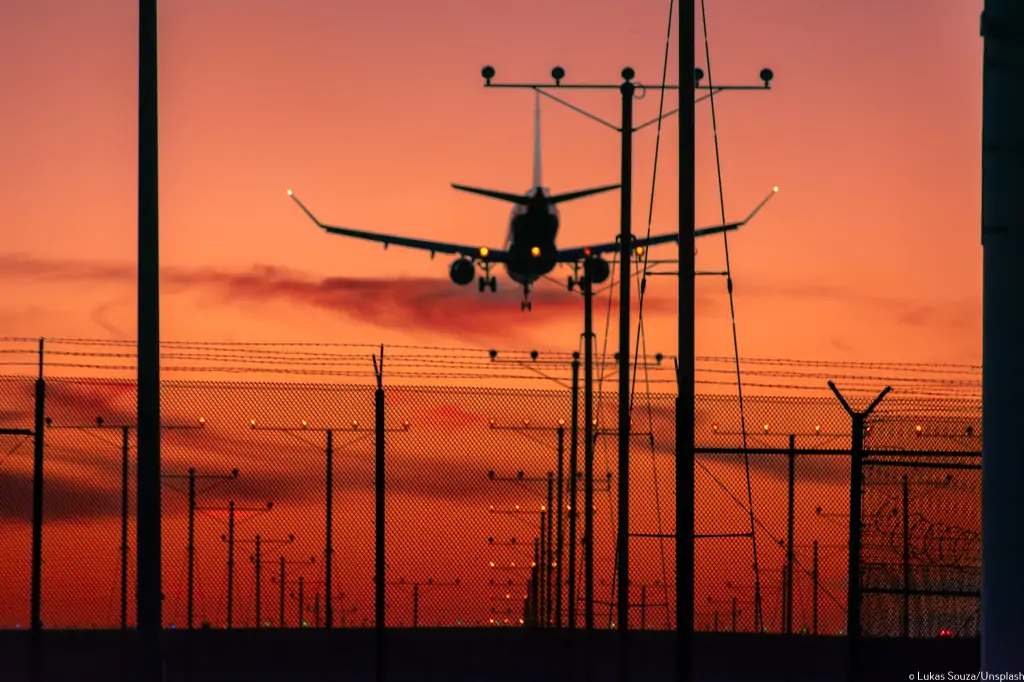
In the dynamic world of aviation, the ability to land safely in adverse weather conditions has been a longstanding challenge. Autoland systems, a technological marvel, have evolved over the years to address this issue, ensuring that airplanes can land smoothly even when visibility is extremely poor. This article explores the history, functionality, and recent concerns surrounding autoland systems in commercial aviation.
History of Autoland Systems: Pioneering a Solution

Research into autoland systems began in the post-World War II era, when the expansion of commercial aviation faced challenges from bad weather and low visibility. The Blind Landing Experimental Unit (BLEU) in the UK played a pivotal role in developing early autoland capabilities. The integration of Instrument Landing System (ILS) and autopilot systems in military and commercial aircraft marked the inception of autoland technology in the 1960s.

What is Autoland?
Autoland is a digital system embedded in aircraft avionics that enables the airplane to descend, decelerate, and land autonomously without manual manipulation by the pilots. It is activated when visibility drops below 300 meters or 1,000 feet, and the airport and aircraft are certified for its use. Autoland prevents delays and diversions, particularly in situations where pilots find it challenging to make a manual approach due to poor weather conditions.
How Does the Autoland System Work?

Autoland relies on independent autopilot systems that receive information about the plane's position, height, and trajectory in relation to the runway. The ILS provides lateral and vertical guidance, while a Radio Altimeter confirms the aircraft's height above the ground. The system continuously adjusts flight controls multiple times per second, compensating for external factors like wind and turbulence. Activation, monitoring, and deactivation of the autoland system remain under the oversight of the pilots.
Types of Autoland Systems: Fail Passive & Fail Operational
Autoland systems are categorized into Fail Passive and Fail Operational. Fail Passive systems ensure minimal deviation if one autopilot malfunctions, with the non-malfunctioning autopilot taking control. Fail Operational systems, more advanced, continue automatic landing even if one autopilot fails, requiring redundant autopilot systems for enhanced safety.
When is Autoland Used?

Autoland is deployed when forward runway visibility drops below 1000ft/300m, and the ILS for the runway is at least a Category III. It is approved by air traffic control, and pilots can choose to activate the system based on the prevailing weather conditions. Different ILS categories dictate the capabilities of autoland, with most operations occurring in Cat IIIB & IIIC ILS conditions.

How Often Do Pilots Use Autoland?
Autoland is a rarely used feature, as poor weather conditions exist only at specific airports and times of the year. Pilots practice autoland operations regularly, but actual auto landings are infrequent. The preference for manual landings stems from the pilot's desire for safety and smoothness, as autoland tends to result in firmer landings.
Recent Concerns: C-band 5G and Autoland Systems
The recent rollout of C-band 5G cellular networks has raised concerns about potential interference with radio altimeter equipment used in autoland systems. This led to the disabling of autoland systems at 100 US airports to ensure the safety and reliability of the landing process.
Conclusion
Autoland systems represent a critical advancement in aviation technology, ensuring that flights can land safely in challenging weather conditions. While the technology has a rich history and a track record of safety, recent concerns highlight the need for ongoing vigilance and adaptation to emerging technologies. As aviation continues to evolve, the collaboration between technology developers, regulators, and airlines remains essential to maintaining the highest standards of safety and reliability in autoland systems.
With Inputs from Flight Deck Friend, Pilot Teacher
Read next
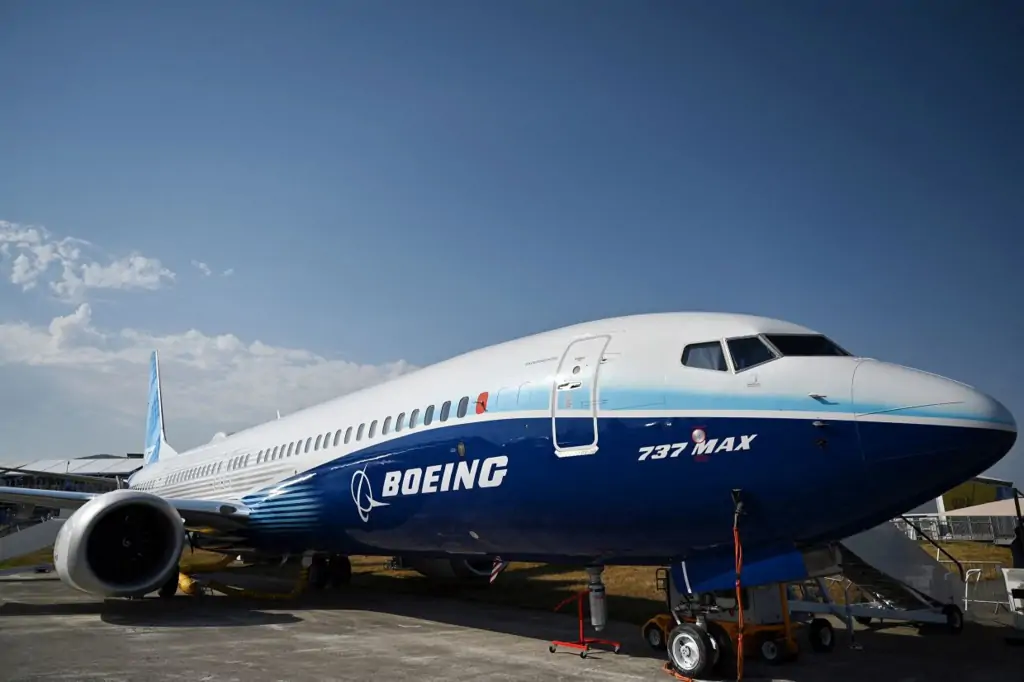
Boeing, the American aerospace giant, witnessed a substantial surge in 737 MAX deliveries in November, signaling a positive trajectory after facing production challenges earlier in the year.
The company managed to expedite deliveries by over 100% compared to the previous month, making significant strides towards achieving its revised annual delivery target. This boost in performance aligns with a successful month at the Dubai Airshow, where new orders, including a substantial deal with Emirates, further solidified Boeing's position in the aviation market.
November Deliveries Soar
Boeing's November deliveries soared, with a total of 56 commercial jets dispatched. Notably, the 737 MAX, Boeing's single-aisle workhorse, witnessed a remarkable 150% increase from October, reaching 45 deliveries. This surge is even more impressive when compared to the 15 delivered in September. The month marked a turning point, as it recorded the highest number of deliveries and the most MAXs delivered in a single month since June 2023.
Top Airlines and Production Rate
United Airlines, Southwest Airlines, and Ryanair emerged as the top three recipients of Boeing narrowbodies in November. United received eight, Southwest seven, and Ryanair five, underlining these carriers' status as the largest operators of the 737 MAX family. Boeing's current production rate stands at about 38 MAXs per month, showcasing the company's efforts to streamline its manufacturing process and meet growing demand.
Revised Annual Targets and Production Challenges
Between January and November 2023, Boeing delivered a total of 351 B737s, including 343 MAXs. Initially targeting 400-450 single-aisle deliveries by year-end, Boeing revised its goal to 375-400 due to production defects. Two separate issues with fittings and drilled holes, both traced back to supplier Spirit AeroSystems, disrupted production earlier in the year. Despite these challenges, Boeing's November success positions it to potentially surpass its revised annual target, bringing optimism to the aviation industry.
Orders and Backlog
November wasn't just about deliveries; it also proved to be a lucrative month for Boeing in terms of orders. The manufacturer secured 114 gross orders, including a monumental deal with Emirates for 90 B777X widebodies. However, ten 737 orders were canceled, resulting in a net gain of 104 orders for November. Boeing's net orders now stand at 945, with a total backlog of 5,324 aircraft as of November, showcasing sustained confidence in the company's products.
Continued Success in December
Boeing's success continued into December, with Avolon, an Irish lessor, agreeing to a new order for 40 737 MAXs. This order includes both the -8 and -10 variants, highlighting the continued demand for the MAX family. As Boeing inches closer to its annual target, the aviation industry watches with interest to see how the company navigates the final stretch of 2023.
Conclusion
Boeing's November performance reflects a resurgence after facing production setbacks earlier in the year. The accelerated deliveries of the 737 MAX and a robust order book position Boeing favorably as it aims to meet, and possibly exceed, its revised annual delivery target. With the aviation industry on the path to recovery, Boeing's success is not only a boon for the company but also a positive signal for the broader aerospace sector.
Read next
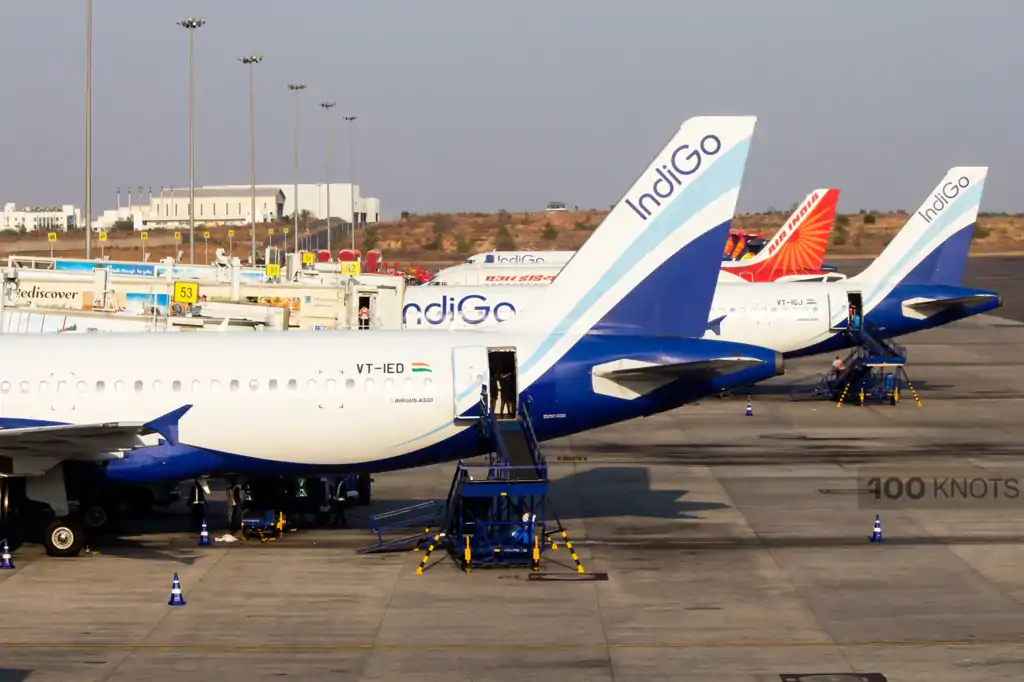
In a surprising turn of events, IndiGo, India's largest carrier by fleet and market share, is set to experience a contraction in operations starting in January, marking a departure from its months-long trend of relentless expansion. The airline, grappling with over 40 grounded aircraft, is expected to ground an additional 30-40 planes in the coming month, prompting strategic changes to its booking engine and a notable drop in capacity.
Capacity Adjustments
IndiGo is already feeling the impact of its grounded fleet, with an 8% reduction in capacity, as measured by Available Seat Kilometers (ASK), between December and post-January 18. The airline is set to ground nearly a hundred unique sectors, impacting routes such as Bengaluru-Coimbatore and Bengaluru-Mangalore, where daily flights will be replaced by ATR 72-600s, leading to both increased frequency and decreased capacity.
Route Reductions
The airline's schedule listing reveals a significant reduction in services on key routes, including Ahmedabad-Chennai, Bengaluru-Kochi, and Chennai-Bengaluru. Additionally, IndiGo is withdrawing from several routes to North Goa, impacting cities like Amritsar, Bhubaneshwar, Dehradun, and Varanasi. Notably, international routes like Bahrain-Kochi, Calicut-Dammam, and Hyderabad-Dammam are also being canceled.
Strategic Decision-Making
IndiGo's route adjustments seem strategic, focusing on areas where it can recover quickly. The metro segments and routes under the Regional Connectivity Scheme (RCS-UDAN) remain untouched, indicating a targeted approach to minimize the impact on core operations. The airline may reconsider these changes if dry leases are put into service, but the visible alterations suggest a short-term drop in capacity.
Competitive Landscape

The move comes at a time when competitors, including Air India and its subsidiary Air India Express, are rapidly expanding their fleets. The Tata group's renewed efforts on certain routes raise questions about potential competition in markets traditionally dominated by IndiGo.
Uncertainties and Future Projections
While the grounded aircraft's return date remains uncertain, the airline has not disclosed whether it expects new aircraft or the reintegration of older ones through dry leases in its summer schedule. The short-term blip may impact IndiGo's target of crossing the 100-million-passenger mark in the current financial year, as passenger numbers closely align with capacity.
Financial Implications
The financial burden of these groundings may fall on Pratt & Whitney, the engine manufacturer, but the true cost extends beyond maintenance. IndiGo has not disclosed the financial impact publicly, citing confidentiality, but the loss of business and potential impact on passenger numbers raises questions about the overall financial health of the airline.
Conclusion
IndiGo's unexpected capacity crunch and route cutbacks signify a deviation from its expansion trajectory. While the airline may rebound once grounded aircraft re-enter service or new ones join the fleet, the short-term implications for passenger numbers and competitive dynamics in the Indian aviation market remain significant. The coming months will reveal whether this is a temporary setback or a turning point for the airline.
With Inputs from Mint
Read next
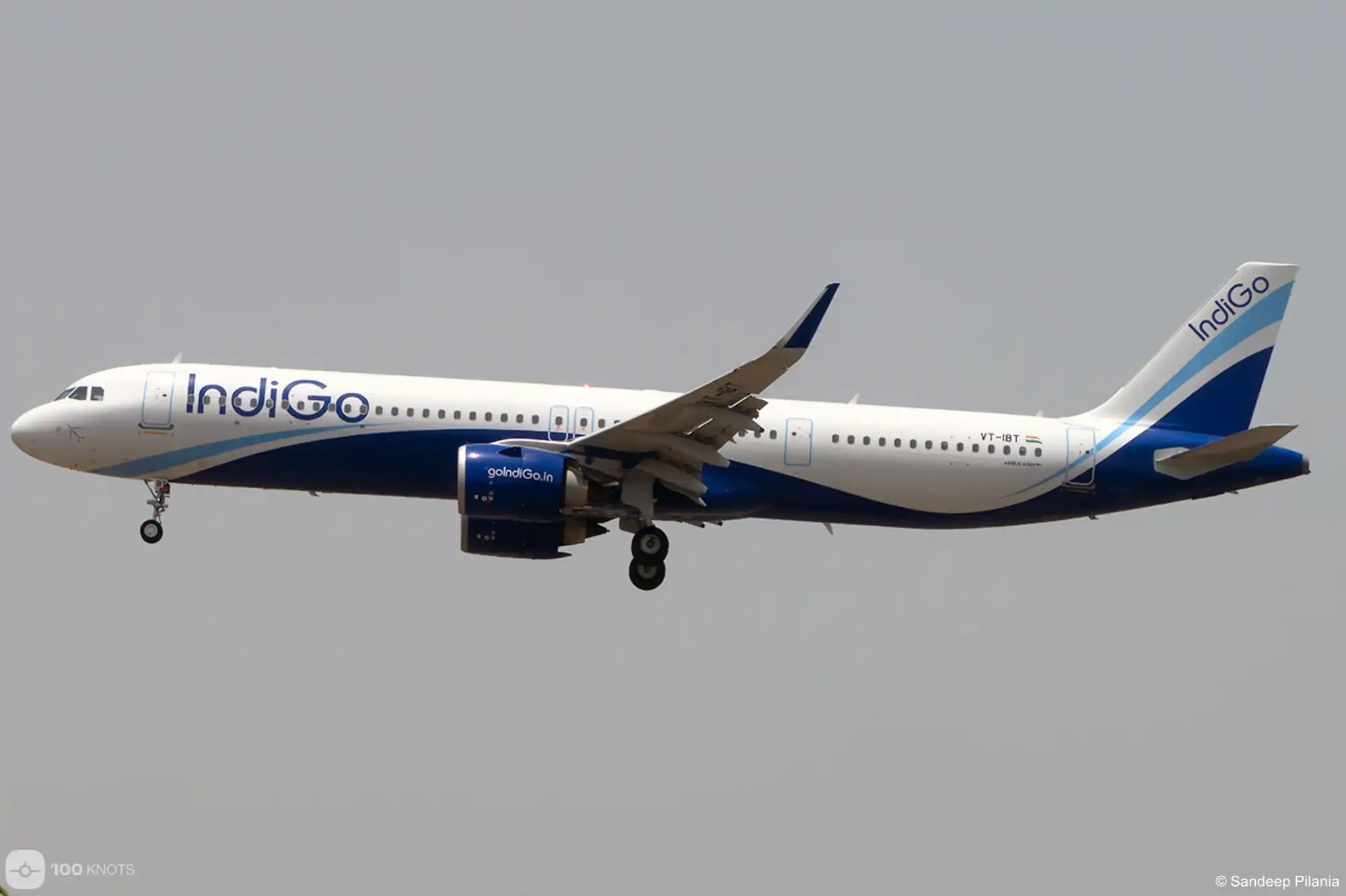
IndiGo announced the addition of flights between Mumbai and Phuket and the resumption of operations between Bengaluru and Phuket. The airline said that adding these flights will further enhance connectivity between India and Thailand.
Given the immense popularity of Thailand as a preferred destination among Indians, IndiGo is introducing additional flights between Mumbai and Phuket, w.e.f. January 05, 2024, and between Bengaluru-Phuket, w.e.f. February 28, 2024.
These flights from Mumbai and Bengaluru will operate six days a week to Phuket. This expansion is strategically timed to meet the travel demands of customers who wish to travel abroad during the year-end holidays, the airline said in a press release.
Benefiting from visa-free entry to Thailand, IndiGo will now operate 56 weekly flights from 5 airports in India to Thailand including the new additions. Travellers can also connect further across IndiGo’s 117-strong destination network across India and the globe. The daily flights will be operated on the airline’s A320neo aircraft.
"We are thrilled to announce the addition of new flights connecting India to Thailand, reinforcing our commitment to increasing global connectivity from India. Thailand has always been amongst the sought-after destinations known for its tropical beaches, shopping, entertainment, and ornate temples. With the addition of these flights, IndiGo will connect India to Thailand 56 times a week; taking our weekly flights between Mumbai and Phuket to 13 and Bengaluru and Phuket to 6. IndiGo remains committed to providing affordable, on-time, courteous, and hassle-free travel experiences across an extensive network for our valued customers,” said Vinay Malhotra, Head of Global Sales, IndiGo.
Thailand is one of the top travel destinations in the world because of its stunning scenery and dynamic culture. Thailand provides visitors with a varied and rewarding experience, ranging from the vibrant marketplaces of Bangkok to the tranquil beaches of Phuket.
IndiGo shares up 12 days in a row
Shares of InterGlobe Aviation, the parent company of IndiGo airlines, are trading in the green for the twelfth straight day on December 13. This is the longest gaining streak for India's largest airline operator — accounts for more than half of India's air passenger traffic — since it was listed in November 2015.
Today, IndiGo shares have broken their previous record of 11 straight days of gain between August 23 (2021) and September 6.
The stock of Interglobe Aviation has gained 16.65% in the past month, over 26% in the last six months and 45.15% this year, so far. It hit a 52-week high of INR 3,007 apiece in trade on Wednesday, December 13. It was trading 1.7% higher at INR 2,975.95 apiece around 10.45 AM.
Comment