
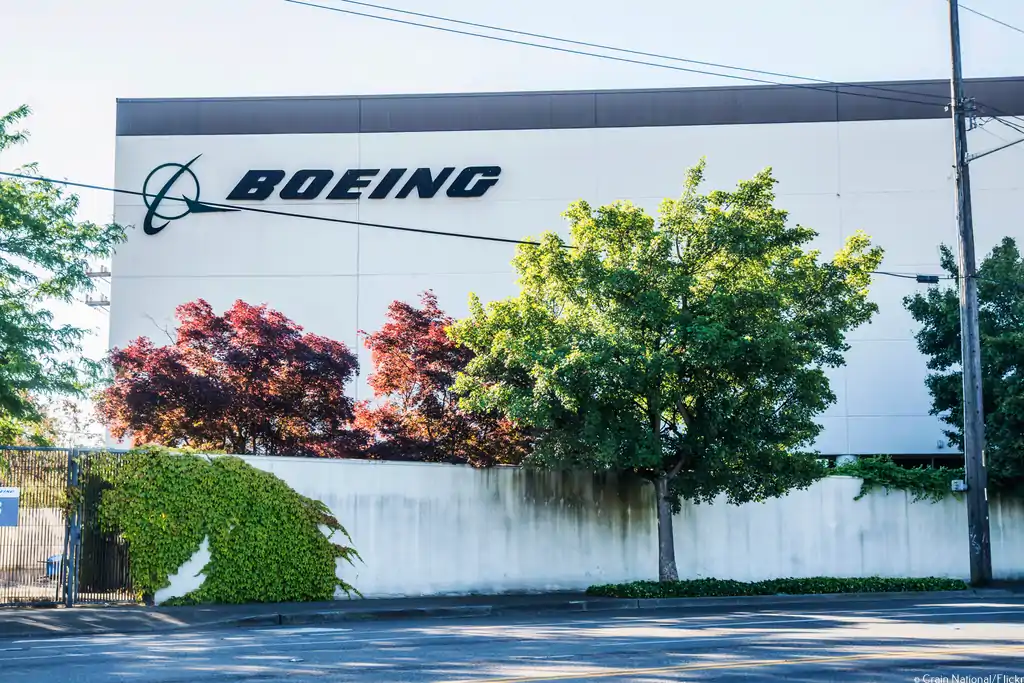
Boeing, a leading U.S. planemaker, has adjusted its industry-wide forecast, projecting the delivery of 43,975 new jetliners over the next two decades. This 3% increase from previous predictions is driven by robust passenger demand, heightened airline competition, and the need to replace aging, less efficient aircraft.
The Post-Pandemic Surge in Air Travel
The aviation sector faced unprecedented challenges during the pandemic, with air travel plummeting. However, the industry has rebounded sharply, leading to labor and parts shortages as well as supply chain issues. Manufacturers like Boeing and Airbus are now struggling to meet the significant demand, resulting in multi-year waits for new airplanes.
Farnborough Air Show Insights
Boeing unveiled its updated forecast ahead of the Farnborough Air Show near London, highlighting the sustained need for new planes through 2043. Darren Hulst, Boeing's Vice President of Commercial Marketing, noted that the retirement rates of older aircraft have halved over the past four years due to a lack of new deliveries. Hulst anticipates this issue will be resolved in the medium to long term as supply constraints ease.
Single-Aisle Dominance and Fleet Expansion
Boeing predicts that single-aisle airplanes will dominate the market, accounting for 76% (33,380 units) of the forecasted demand. The remaining deliveries will include 8,065 widebody planes, 1,525 regional jets, and 1,005 freighters. The forecast suggests that about half of these new jets will replace older models, while the other half will contribute to fleet growth. Boeing envisions the global aircraft fleet nearly doubling from 26,750 jets in 2023 to 50,170 by 2043.
Rising Passenger Traffic and Market Dynamics
Boeing has also raised its industry-wide passenger traffic forecast growth rate to 4.7%, reflecting the increasing number of air travelers. This growth underscores the dynamic nature of the aviation market and the critical role new aircraft will play in meeting evolving passenger demands.
Addressing Safety and Quality Concerns
Despite its optimistic forecast, Boeing has faced significant challenges, particularly regarding safety. In January, an Alaska Airlines 737 MAX 9 experienced an in-flight emergency, prompting the Federal Aviation Administration (FAA) to halt the expansion of 737 MAX production until Boeing addressed quality and safety concerns. This incident has underscored the importance of maintaining stringent safety standards amid rapid industry growth.
Conclusion
Boeing's ambitious 20-year forecast highlights the resilient and dynamic nature of the aviation industry. While the sector continues to recover from pandemic-related disruptions, the anticipated surge in demand for new jetliners presents both opportunities and challenges. As Boeing and other manufacturers strive to meet this demand, ensuring safety and quality will remain paramount.
By closely monitoring market trends and addressing supply chain challenges, Boeing aims to lead the aviation industry into a new era of growth and innovation. The journey towards a brighter, more efficient future for air travel has only just begun.
With Inputs from Reuters

Read next
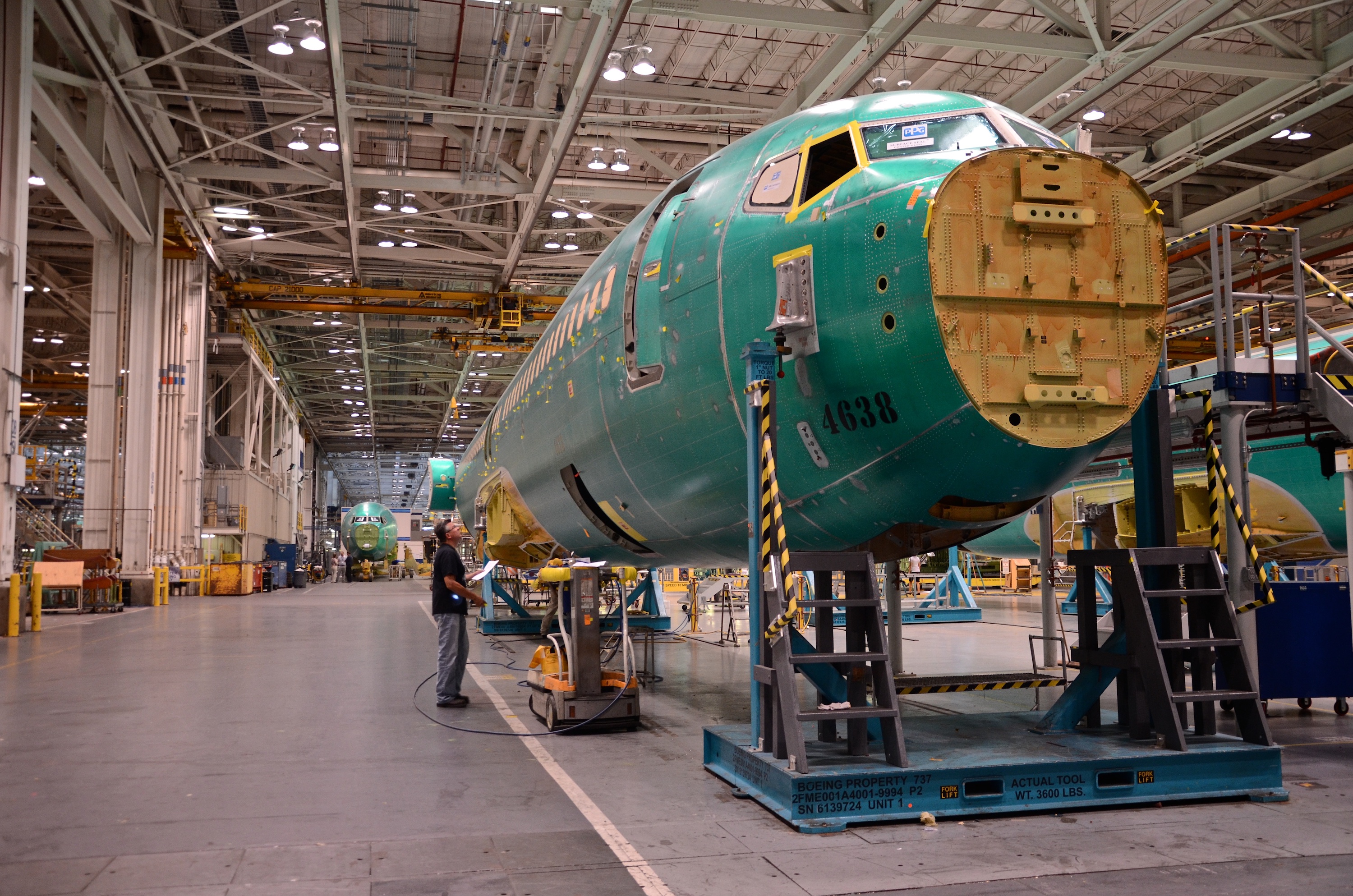
Boeing, one of the world's leading aircraft manufacturers, is currently grappling with supply chain disruptions that have significantly impacted the production of its 787 Dreamliner jets. This issue has resulted in a slowdown of production to below five units per month. As the company works to overcome these challenges and increase production rates, the situation sheds light on broader industry struggles and the pressures faced by manufacturers in meeting high demand from airlines.
Current Challenges
Supplier Delays
The primary challenge for Boeing has been delays from suppliers, which have caused a bottleneck in the production of the 787. Scott Stocker, Vice President and General Manager of the 787 program, highlighted that the company reduced its output earlier this year to allow suppliers to catch up. Stocker stated that Boeing aims to return to a production rate of five units per month by the end of the year as the supply of parts improves.
Quality Control Issues
Boeing has been under heightened scrutiny due to quality control issues. Earlier this year, a mid-air blowout of a door plug on a nearly new 737 MAX 9 was attributed to missing bolts, leading to increased regulatory oversight. The company is taking steps to enhance employee feedback and improve production quality for its widebody jets, including the 787 and the single-aisle 737 MAX.
Impact on the Farnborough Airshow
The Farnborough Airshow, scheduled from July 22 to 26, is set to occur under the shadow of these supply chain and production challenges. Despite robust travel demand, both Boeing and its European competitor Airbus are struggling to meet the strong demand for new jets due to ongoing supply chain issues.
Boeing's Response and Future Plans
Restoration of Production Rates
Boeing is optimistic about overcoming these hurdles and restoring production rates. The company has set a target to produce ten 787 Dreamliners per month by 2025-2026. Although Stocker did not provide a specific longer-term target, he indicated that Boeing plans to gradually increase production rates over the next several years.
Addressing Past Issues
In addition to current supply chain problems, Boeing is addressing past manufacturing flaws. The company halted deliveries of the 787 for over a year until August 2022 as the Federal Aviation Administration (FAA) investigated quality issues. Recently, Boeing has undertaken a comprehensive fleet analysis to address any unfinished or improperly completed work. This investigation, which began after an employee flagged missing tests, is still ongoing, but significant progress has been made.
Conclusion
Boeing's efforts to resolve supply chain delays and enhance production quality are crucial for meeting the growing demand for commercial jets. As the company navigates these challenges, the upcoming Farnborough Airshow will provide a platform to showcase its progress and future plans. The industry will be watching closely to see if Boeing can successfully ramp up production and maintain its position as a leading aircraft manufacturer.
With Inputs from Reuters
Read next
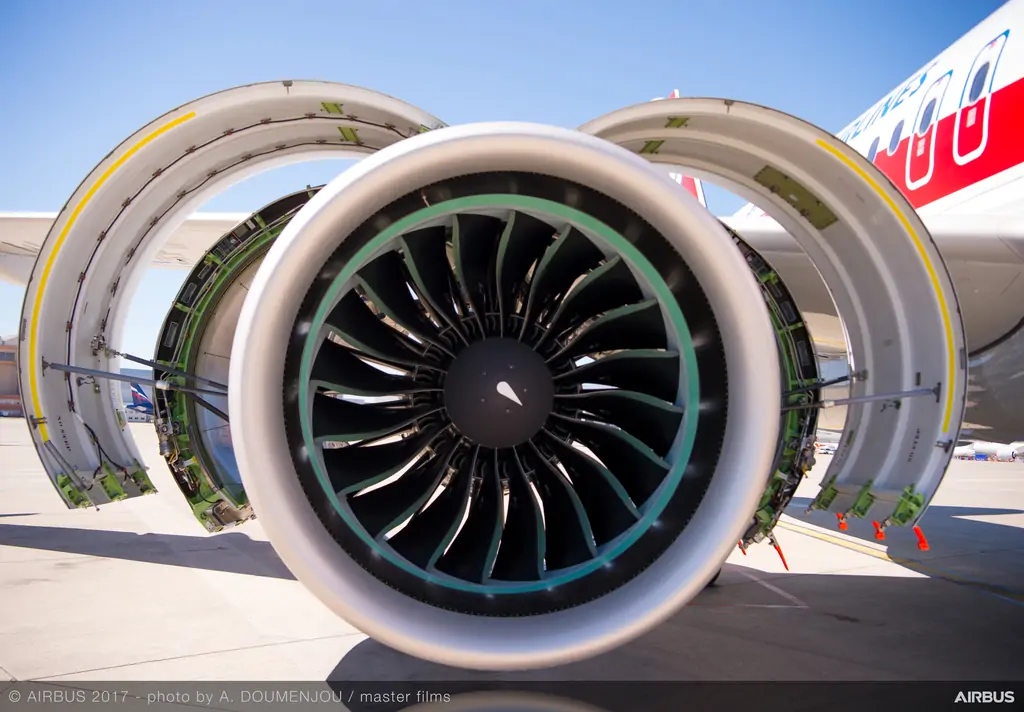
The aviation industry is facing a perfect storm. A worldwide shortage of parts, skilled labor, and new aircraft post-pandemic, combined with higher maintenance frequency for next-generation engines, has resulted in unprecedented wait times for engine maintenance. Airlines globally are feeling the strain, with demand and wait times projected to peak in 2026, according to a Reuters report.
The Parts and Labor Shortage: Straining MRO Providers
Maintenance, Repair, and Overhaul (MRO) providers are under immense pressure to keep up with increasing maintenance demands. The parts and labor shortage, exacerbated by the post-pandemic aviation boom, is stretching these providers thin. Jim Harris, co-leader of Bain's global Aerospace and Defense practice, emphasized the urgency of the situation, stating:
"Aircraft engine MRO demand is likely to experience a near-term peak in 2026 and remain constrained through the end of the decade. The next large surge in demand from new-generation engines will begin towards the end of 2030. Unless MRO companies act quickly to close this capacity gap, airlines will face higher costs to operate constrained fleets."
Soaring Turnaround Times for Next-Generation Engines
Turnaround times for next-generation engines like the Pratt & Whitney GTF and CFM International LEAP have soared to 150% higher than pre-pandemic values. Even legacy engine types have seen a 35% increase in maintenance turnaround times. This surge in demand and extended wait times pose a significant financial burden on airlines, further complicating their efforts to decarbonize air travel.
Older Aircraft and Slower Deliveries: A Compounded Problem
The slow delivery of new aircraft forces airlines to rely on older models, which often require more complex and time-consuming maintenance. The parts for these older aircraft are harder to source due to their age, further straining the MRO industry. The compounded problem of aging fleets and delayed new aircraft deliveries is a significant contributor to the current maintenance crisis.

MRO Business Boom Amidst Strain
Despite the challenges, the MRO business is booming. The Chief Executive Officer of Malaysian MRO firm Asia Digital Engineering (ADE) revealed plans to open a new hangar in August, highlighting the high demand for MRO services. However, Jim Harris warns that unless MRO companies can manage this demand, airlines will continue to face increased costs and operational constraints.
Regulatory Hurdles and Engine Issues
Regulatory pressures have forced Boeing to slow down aircraft production until quality controls are improved. Additionally, a significant engine issue with Pratt & Whitney's GTF engines has compounded the maintenance crisis. Contaminated powdered metal used in engine components has led to premature maintenance needs for nearly 1,200 engines, grounding approximately 350 aircraft annually through 2026.
Limited Engine Options: A Bottleneck
The limited availability of jetliner suppliers further exacerbates the engine maintenance problem. Many aircraft manufacturers offer only one or two engine options, limiting flexibility for airlines. For instance, the Airbus A320neo offers the LEAP-1A from CFM International and the GTF from Pratt & Whitney, while its competitor, the Boeing 737 MAX, is only available with the LEAP-1B engine.
Conclusion: Navigating the Turbulence Ahead
The global aviation industry is at a critical juncture. The parts and labor shortage, combined with increased maintenance demands and regulatory pressures, has created a challenging environment for airlines and MRO providers alike. As the industry navigates these turbulent times, swift action and innovative solutions will be essential to mitigate the impact of this maintenance crisis and ensure the continued growth of passenger travel.
As we approach 2026, the peak of engine maintenance demand, the aviation sector must brace for continued challenges and strive for resilience amidst adversity.
Read next
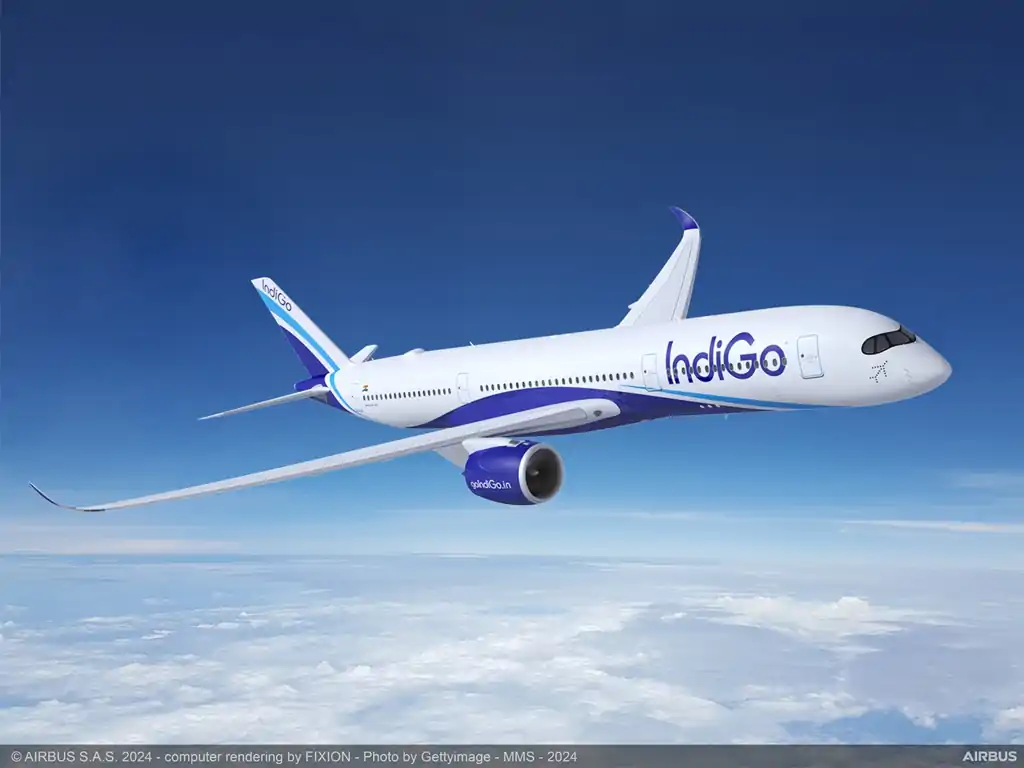
In a significant boost to its order book, Airbus has recently revealed that Air India and IndiGo have placed substantial orders for its aircraft. Air India's order includes 250 aircraft, comprising 210 A320 narrow-body planes and 40 A350 wide-body aircraft. Notably, Air India has already received six of the A350s. Meanwhile, IndiGo's commitment exceeds 1,000 aircraft, including 30 A350 state-of-the-art planes.
The Popularity of the Airbus A350
Operational Flexibility and Efficiency
The A350 Family is recognized as the world's most modern and efficient wide-body aircraft. It stands out in the 300–410-seater category, thanks to its advanced technologies and aerodynamics. This clean-sheet design offers the lowest cost per seat of any large wide-body aircraft, making it a preferred choice for long-haul flights.
Enhancing Passenger Comfort
The Airbus A350 features a state-of-the-art "Airspace" cabin, which is the quietest of any twin-aisle aircraft. This design not only enhances passenger comfort but also incorporates modern in-flight products to improve the overall flying experience.
Commitment to Sustainability
The A350's aerodynamic design and advanced technologies contribute to a 25% reduction in carbon emissions compared to previous-generation aircraft. This aligns with global sustainability goals and reflects the industry's move towards greener operations.
Significant Orders and Market Traction
Air India and IndiGo's Strategic Expansions

Air India's order of 40 A350s, with six already delivered, and IndiGo's order of 30 A350s, highlight the growing demand for this aircraft. Both airlines have also placed substantial orders for narrow-body aircraft to enhance their domestic and international operations.
Global Market Impact
As of June 2024, Airbus has secured 1,309 orders for the A350 from 61 customers globally, including 1,254 for passenger variants and 55 freighters. To date, Airbus has delivered 606 A350s to 40 operators, including 85 of the larger A350-1000 variant. The current backlog stands at 703 aircraft, comprising 648 passenger variants and 55 freighters.
Airbus's Production Strategy
Increasing Production Rates
Airbus is currently delivering six A350 aircraft per month but plans to ramp up production to meet growing demand. By 2028, the company aims to double its production rate to 12 aircraft per month. This increase is designed to ensure that supply aligns with market requirements.
Final Assembly Line
The Final Assembly Line (FAL) for the A350, located in Toulouse, France, involves a 9-stage process to complete each aircraft. This meticulous process ensures that each aircraft meets the high standards of quality and efficiency that the A350 Family is known for.
Conclusion
The surge in orders for the Airbus A350 from major airlines like Air India and IndiGo underscores the aircraft's appeal. Its operational flexibility, passenger comfort, and commitment to sustainability make it a standout choice in the aviation market. With Airbus increasing its production capacity, the A350 is poised to meet the growing demand and continue its success in the global market.
Read next
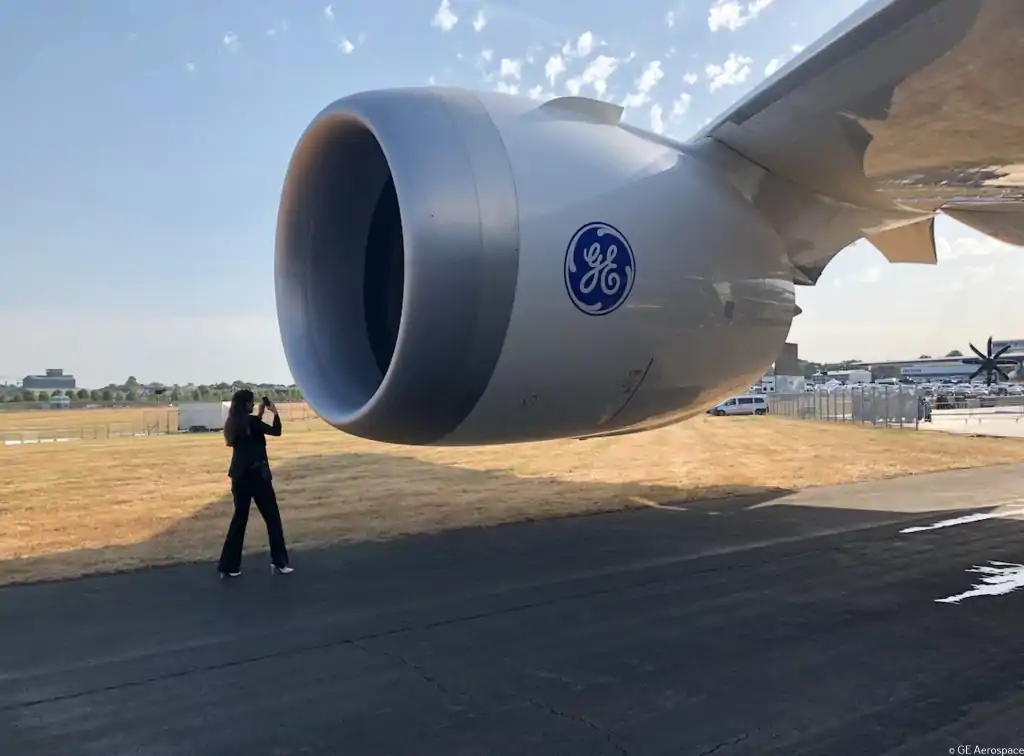
GE Aerospace has unveiled an ambitious plan to invest more than $1 billion over the next five years, aiming to significantly enhance its maintenance, repair, and overhaul (MRO) facilities worldwide. This strategic move comes as the company seeks to reduce turnaround times and address the surging demand for aftermarket services.
The Aftermarket Boom: A Response to Travel Rebound
The aviation industry is experiencing a robust rebound in travel, but the surge in demand has outpaced the availability of new planes. Production and engine issues have compelled airlines to keep older jets operational longer, further straining the capacity of MRO facilities. This trend has driven a critical need for expanded and more efficient engine repair and maintenance services.
Addressing the Challenges: Labor, Parts, and Raw Material Shortages
Despite the increasing demand, persistent shortages of labor, parts, and raw materials have made it challenging for MRO shops to keep up. These constraints have become a major bottleneck, limiting the global airline industry's ability to maintain and repair engines promptly. As industry leaders gather at the Farnborough Air Show next week, engine repair delays are expected to be a key topic of discussion.
GE Aerospace's Vision: Cutting Turnaround Times by 30%
GE Aerospace has set an ambitious goal to cut overall turnaround times at its repair shops by 30% compared to last year. To achieve this, the company plans to add more engine test cells and incorporate cutting-edge technology at its repair facilities. This move is part of a broader effort to meet the growing needs of its customers and ensure their planes fly safely and reliably.
Significant Investment in LEAP Engines

A substantial portion of the $1 billion investment will be directed toward MRO facilities for LEAP engines, which power narrowbody aircraft from Airbus and Boeing. The LEAP engine, co-produced with France's Safran through the CFM International joint venture, is central to GE Aerospace's strategy. Russell Stokes, head of GE Aerospace's commercial engines and services, emphasized the importance of this investment in meeting the strong air travel demand.
Tackling Turnaround Times: A Post-Pandemic Challenge
The pandemic has significantly impacted turnaround times at engine repair shops. Consulting firm Bain & Company reports that these times have risen by 35% for legacy engines and over 150% for new-generation engines. Securing an MRO slot now takes airlines an average of two to three months. GE Aerospace's investment aims to address these delays and improve the efficiency of its repair operations.
A New Facility and Advanced Technology
As part of its commitment, GE Aerospace will open a new facility near Cincinnati, Ohio, in September. This facility will be equipped with advanced technology capable of detecting chemical anomalies in metal parts—a technique also used to identify forged artwork. This investment underscores GE Aerospace's dedication to leveraging cutting-edge technology to enhance its repair and maintenance capabilities.
An Independent Powerhouse in the Engine Market
Since becoming an independent company this year, GE Aerospace has maintained a dominant position in the engine market for narrowbody jets and a strong presence in widebody aircraft. More than 70% of its commercial engine revenue comes from parts and services, highlighting the importance of its MRO operations.
Conclusion: A Commitment to Excellence
GE Aerospace's $1 billion investment represents a significant step forward in addressing the challenges faced by the aviation industry. By expanding its MRO facilities, incorporating advanced technology, and reducing turnaround times, the company is poised to meet the growing needs of its customers and ensure the safety and reliability of their aircraft. As the aviation industry continues to recover, GE Aerospace's strategic investments will play a crucial role in supporting this growth and maintaining its leadership position in the market.
With Inputs from Reuters
Read next
Embraer' Impressive Q2 Deliveries and Bright Future Amid Industry Challenges
Abhishek Nayar
20 Jul 2024
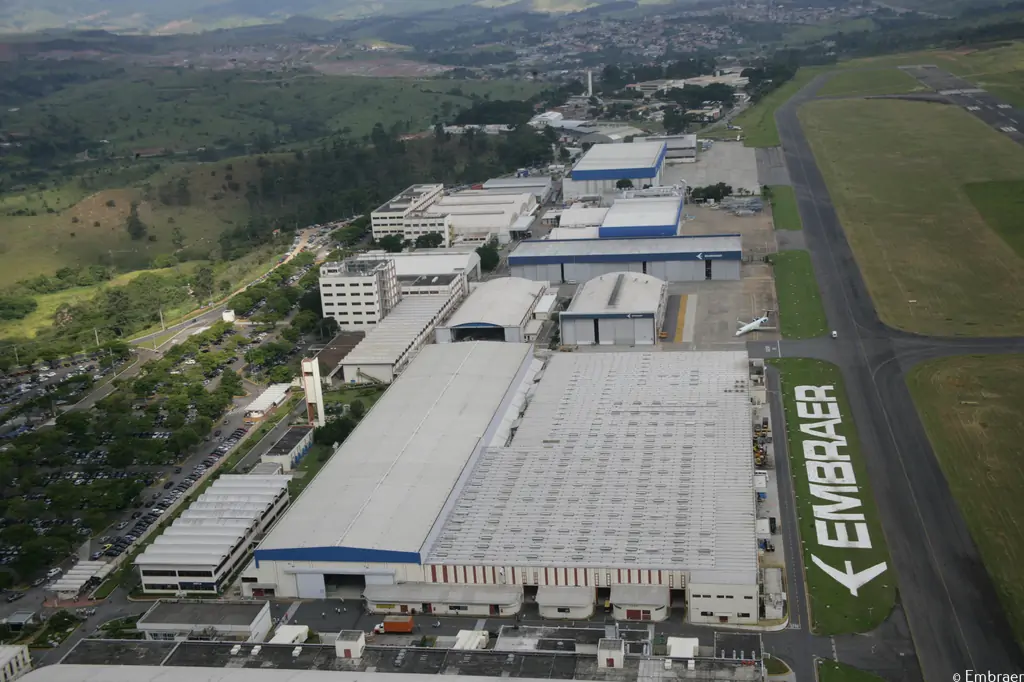
Brazilian aerospace giant Embraer has demonstrated robust growth in the second quarter of 2024, reporting an 88% increase in aircraft deliveries compared to the same period last year. This remarkable performance underscores the company's resilience and strategic acumen amidst ongoing supply chain challenges plaguing the aerospace industry.
Breakdown of Deliveries: Commercial and Executive Jets Lead
During the April-June period, Embraer delivered a total of 47 aircraft. This includes 19 commercial jets and 27 executive jets, alongside one defense C-390 Millennium jet. The surge in deliveries highlights Embraer's adaptability and capacity to meet diverse market demands effectively.
Record-High Backlog: Embraer's Strong Order Book
In a recent securities filing, Embraer disclosed that its firm order backlog reached $21.1 billion at the end of June, marking the highest level in seven years. This substantial backlog not only reflects the company's solid market position but also instills confidence in its future performance.
Farnborough Airshow Anticipation: Major Orders Expected
The delivery report comes just days before the Farnborough Airshow, a prime event for planemakers to announce significant orders. Investors have shown a positive response to Embraer's demand prospects, with the company's shares rising more than 80% year-to-date. The anticipation for new orders at the airshow adds to the optimistic outlook for Embraer.
Demand Surge: The E2 Jets Advantage

Embraer's next-generation E2 jets have been in high demand as airlines face a shortage of larger single-aisle planes from competitors Airbus and Boeing. This demand surge has allowed Embraer to convert business jet purchase options into firm orders, bolstering its commercial success.
2024 Delivery Goals: On Track for Success
The Brazilian planemaker has set ambitious delivery targets for the year, planning to deliver 72 to 80 commercial aircraft, up from 64 last year. Additionally, Embraer aims to deliver 125 to 135 business jets, a notable increase from 115 in 2023. Chief Executive Francisco Gomes Neto expressed confidence in meeting these targets and hinted at delivering up to 90 E-Jets to airlines in 2025.
Strategic Opportunities: Capitalizing on Production Slots
Embraer has identified strategic opportunities to capitalize on its available production slots from 2026 onwards. This timing advantage positions the company to deliver new jets ahead of Boeing and Airbus, which have sold out their single-aisle jet production until the end of the decade. Recent orders, including 20 E2 jets from Mexicana de Aviacion and NetJets' conversion of options for up to 250 Praetor 500 executive jets into firm orders, underscore this strategic edge.
Conclusion: Embraer's Bright Horizon
Embraer's impressive performance in the second quarter of 2024 and its robust order backlog indicate a bright future for the company. With strategic foresight, a diverse product lineup, and an ability to navigate industry challenges, Embraer is well-positioned to maintain its upward trajectory and capitalize on emerging opportunities in the global aerospace market.
With Inputs from Reuters
Comment