
DGCA Issues New Norms for Breath Analyser Tests for Pilots & Crew Members

Radhika Bansal
02 Nov 2023

Pilots and crew members cannot use mouthwash, tooth gel or any such substance with alcoholic content, as that could result in a positive reading of the breath analyser test, according to revised norms issued by the Directorate General of Civil Aviation. Besides, various changes have been made to the norms about the procedure for medical examination of aircraft personnel for alcohol consumption.
In an official release on Wednesday, November 1, the aviation regulator said it has revised the Civil Aviation Requirements (CAR) on the procedure for medical examination of aircraft personnel for alcohol consumption to enhance the safety of aircraft operations coupled with streamlining provisions of the existing regulations in line with feedback from industry and stakeholders from time to time for more effective implementation.
"No crew member shall consume any drug/formulation or use any substance such as mouthwash/tooth gel or any such product with alcoholic content. This may result in a positive breath analyser test. Any crew member undergoing such medication shall consult the company doctor before undertaking flying assignment," the DGCA stated.
The aviation watchdog, in the draft CAR, had proposed barring crew from using any "drug/formulation or use any substance such as mouthwash/tooth gel/perfume or any such product which has alcoholic content". Yet, the word 'perfume' is not included in the final CAR.
According to DGCA, breath analyser equipment with fuel cell technology has been made mandatory and a procedure for oversight and surveillance of calibration agencies has been introduced.
"To prevent missed breath analyser cases, a provision has been introduced wherein the operating crew travelling as passengers shall undergo breath analyser test at the boarding station in case of ramp to ramp transfer for operating flight," it said in the CAR dated October 30.
Among other requirements, camera recording of breath analyser testing has been made mandatory for operators engaged in seasonal pilgrimage operations and non-scheduled operators. Also, State governments should ensure compliance with this requirement at base stations and in cases where they are away from the base station for more than two days and operate a flight from there.
"If any crew member/student pilot after reaching the airport feels that he/she is unable to discharge his flying duties safely due to sickness, the crew member will intimate his company and in such case, the breath analyzer test shall not be conducted and the same will not be considered as missed BA. However, the crew member/ student pilot shall not be rostered for flying duties on that day and subsequently shall be rostered for flying duties after review by the company doctor," the release said.
To facilitate the operators, especially in general aviation, the regulator has enhanced the scope of facilities for undergoing the breath analyser examination.
Under the DGCA norms, for all scheduled operators, each flight crew member and cabin crew member shall be subjected to a pre-flight breath analyser examination at the first departure airport during a flight duty period. For all scheduled flights originating from destinations outside India, post-flight breath analyser examination of each flight crew and cabin crew shall be carried out at the first port of landing in India, as per the norms.
Stringent punishments are in place when a crew tests positive in a breath analyser test, depending on whether it is repetitive. It is applicable for both pre- and post-flight tests.
As per the DGCA norms, any crew members or pilots testing positive in the post-flight BA test for the first time will face suspension of license for a year, and action will be initiated as per rules.
“If an expatriate pilot is caught in the same situation, then their Foreign Aircrew Temporary Authorization (FATA) will be cancelled. If a crew tested positive in the post-flight BA test in one instance and missed the test in another or vice versa, will have to face suspension of license/approval for three years", the report cited the aviation watchdog as saying.
The DGCA also said that to prevent missed breath-analyser cases, a provision has been introduced wherein the operating crew travelling as passengers will undergo the test at the boarding station in case of ramp-to-ramp transfer for operating flight.
Read next
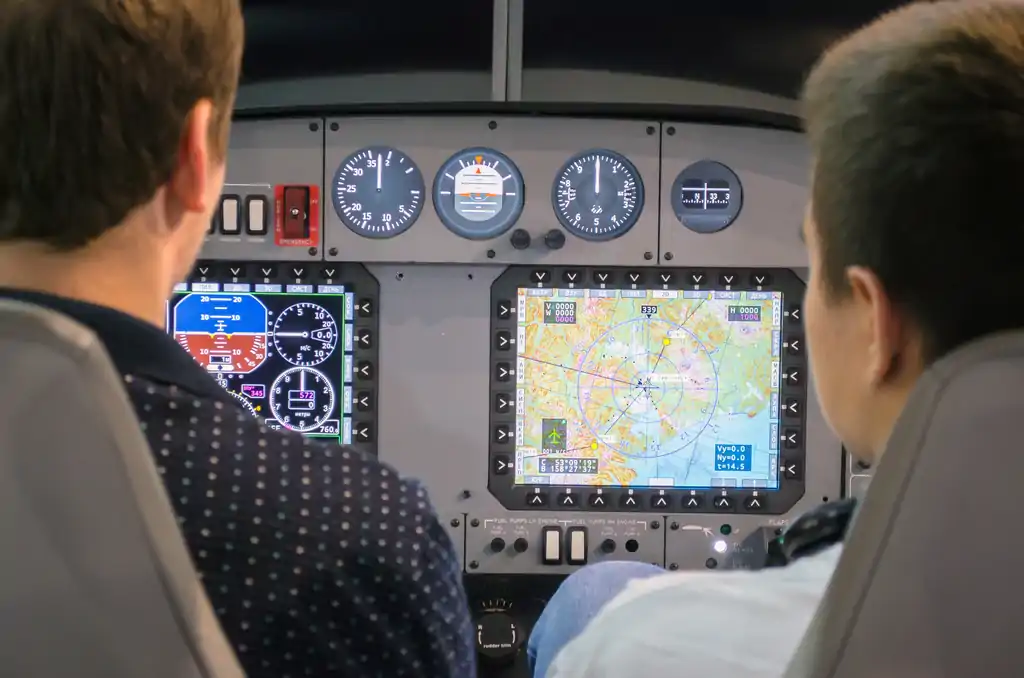
In the realm of aviation, where safety and precision are paramount, aeronautical charts play a pivotal role. These charts serve as navigational lifelines for pilots, guiding them through the skies and helping them make crucial decisions. Charts are security. Charts are essential. Even a cockpit full of computers is no substitute for a map.
The Evolution of Aeronautical Charts
Aeronautical charts have come a long way since their inception. Traditionally, pilots relied on paper charts known as sectional charts. These maps, produced with intricate details, offered a visual representation of the terrain, landmarks, and navigational aids between destinations. Over time, these charts have evolved to accommodate the changing aviation landscape.

In the modern era, a significant transformation has occurred with the advent of technology. Cockpits are now equipped with high-tech displays that provide real-time information, thanks to Global Positioning System (GPS) technology. These moving-map cockpit displays, often powered by powerful silicon chips, give pilots a dynamic view of their position, the route, and essential data at their fingertips. While these digital displays offer convenience, traditional paper charts still play a vital role in aviation.
The Role of Aeronautical Charts in Navigation
Aeronautical charts serve as an indispensable tool for pilots, offering a plethora of critical information. They assist in the following aspects:
- Position Determination: Aeronautical charts, whether in digital or traditional form, help pilots ascertain their exact position at any given time. This is especially crucial during flights, ensuring aircraft stay on the intended course.
- Safe Altitude: Charts provide data on recommended safe altitudes, preventing collisions with obstacles like mountains, buildings, or towers.
- Routing: They offer guidance on the best routes to reach a destination, helping pilots navigate efficiently.
- Navigation Aids: Charts include information on navigational aids such as radio beacons, which aid pilots in orientation and decision-making during their flight.
- Emergency Landing Areas: In case of an in-flight emergency, charts also identify alternative landing areas, ensuring the safety of both passengers and the aircraft.
- Radio Frequencies and Airspace Boundaries: Charts provide details on radio frequencies for communication and boundaries of different airspaces, allowing pilots to operate within designated zones.

Types of Aeronautical Charts

A variety of aeronautical charts cater to different phases of a flight:
- Visual Flight Charts: These are categorized by scale, with World Aeronautical Charts (WACs) having a scale of 1:1,000,000 and covering larger areas, while Sectional Charts cover approximately 340x340 miles with a scale of 1:500,000. VFR terminal area charts focus on the vicinity of large airports with a scale of 1:250,000.
- Instrument Flight Rules (IFR) Charts: Designed for flights under IFR, these charts are rich in information about waypoints, routes, and minimum safe altitudes. En-route low- and high-altitude charts are published according to the density of navigation data needed in specific areas.
- Terminal Procedure Publications: These provide detailed information for arrivals, departures, and taxiing at airports with instrument capabilities.

Adapting to the Modern World
Aeronautical charts have evolved in response to the changing world and the need for more detailed information. They now include not only natural landmarks but also man-made structures, such as cell phone towers, stadiums, and skyscrapers. This adaptation is essential as it ensures pilots have a comprehensive view of their surroundings, particularly when flying at lower altitudes or near congested airspace.
Furthermore, as the sky becomes increasingly regulated, charts are updated to reflect the ever-growing list of restricted areas, including airspace over government buildings, military zones, and practice areas for specific aircraft maneuvers. This information keeps pilots informed and helps them adhere to the necessary regulations.
Conclusion
Aeronautical charts remain a fundamental aspect of aviation. Whether digital or traditional, these charts provide pilots with the essential data needed for safe and efficient flight. As technology advances and aviation landscapes change, the evolution of aeronautical charts continues to play a crucial role in ensuring the skies remain a secure and navigable domain for all aircraft.
With Inputs from AOPA, Smithsonian Magazine
Read next
SpiceJet Expands Fleet with Leased Boeing 737s, Including 737 MAX Aircraft

Abhishek Nayar
02 Nov 2023
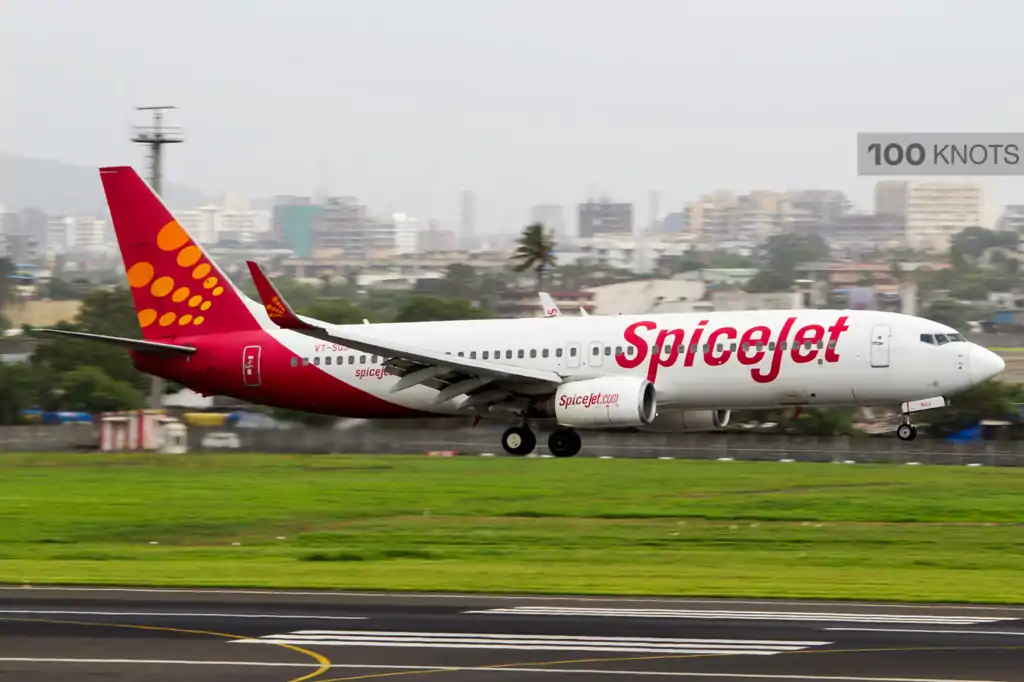
On Wednesday, SpiceJet, one of India's leading low-cost carriers, made a significant announcement regarding the addition of five leased Boeing 737 aircraft to its growing fleet. Among these, three are Boeing 737 Max, showcasing the airline's commitment to expanding and diversifying its flight services to meet increasing passenger demand.
Reinforcing Commitment to Growth
The statement released by SpiceJet expresses the airline's enthusiasm for the induction of these new aircraft: "SpiceJet is delighted to announce the induction of five leased Boeing 737s (including three 737 MAX aircraft) into its fleet today." This move comes as a follow-up to their recent addition of three leased Boeing 737s, including one 737 Max, demonstrating their steadfast determination to enhance their flight offerings.
SpiceJet's Chairman and Managing Director, Ajay Singh, had previously made public their plan to induct ten Boeing 737 aircraft into the fleet to accommodate the surging passenger demand. The lease agreements for these aircraft were finalized, with the planes officially joining the fleet in September 2023.
Ajay Singh highlighted the significance of this expansion, stating, "We will be inducting ten B737 aircraft between September-October 2023. The induction of these planes, which coincides with the peak travel season in India, will help us launch new routes and strengthen our presence on existing ones." The move not only reinforces SpiceJet's commitment to its growth trajectory but also aligns with the surge in air travel during peak seasons.
A Leap Towards New Flight Routes
The addition of these aircraft brings forth the opportunity for SpiceJet to embark on the launch of exciting new flight routes and services. These strategic inclusions aim to cater to the evolving travel needs of passengers and establish SpiceJet as a dominant player in India's aviation sector.
The fleet of SpiceJet is already an impressive mix of aircraft, including Boeing 737 Max, Boeing 700, and Q400s. This diversification allows the airline to offer a wide range of services, from domestic flights to international destinations.
SpiceJet's Journey
SpiceJet was launched in May 2005 and has since been a prominent name in the Indian aviation industry. The airline currently operates approximately 250 daily flights to 48 destinations within India and to international destinations. The addition of these leased Boeing 737 aircraft, especially the 737 Max variants, further strengthens SpiceJet's position in the competitive Indian aviation market.
Conclusion
This expansion signals the airline's resolve to stay at the forefront of the industry and continue providing travelers with convenient and affordable air travel options.
As SpiceJet continues to invest in its fleet, passengers can look forward to enhanced connectivity, more flight options, and a greater reach across India and beyond, making air travel even more accessible and convenient for all.
Read next
Indian Regulator Contemplates Retroactive Changes to Aircraft Asset Freezing
Abhishek Nayar
02 Nov 2023
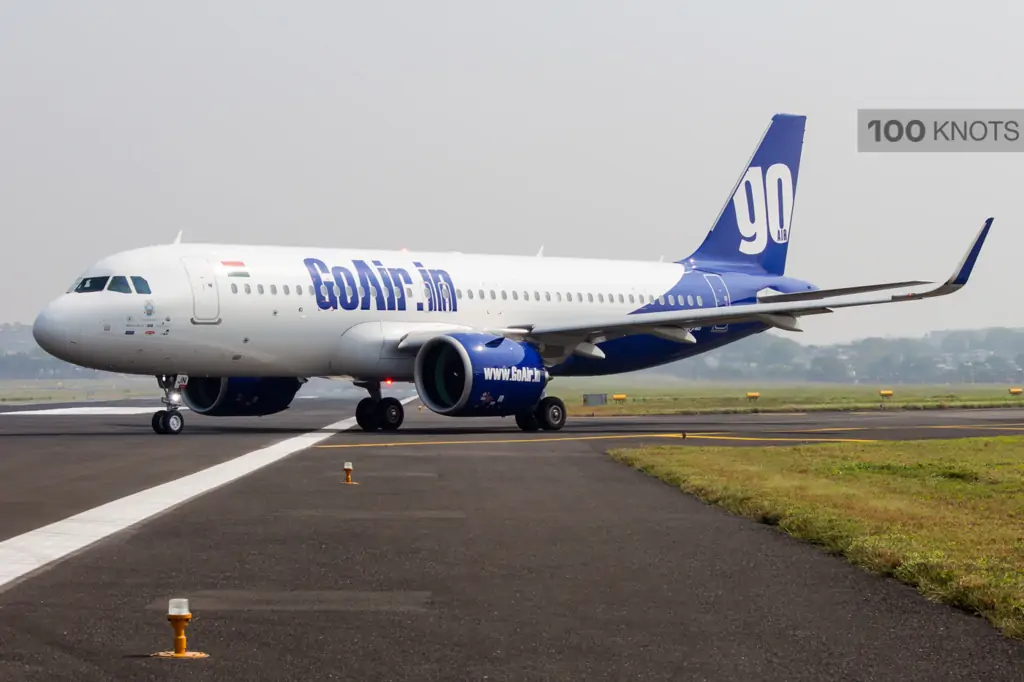
In a significant development, India's aviation regulator has indicated that changes to the country's insolvency laws may enable lessors of bankrupt airlines to repossess their leased aircraft.
This prospective shift, aimed at aligning India's regulations with global standards, could have far-reaching implications for the aviation industry, particularly in the case of Go First, a budget carrier that filed for bankruptcy in May.
The Need for the Amendment
India's fast-growing airline industry has experienced substantial growth in recent years, with the acquisition of hundreds of new aircraft. However, discrepancies between India's insolvency laws and international standards have created challenges for lessors during airline bankruptcy proceedings. The need to address this disparity led to the recent amendment of India's insolvency law.
Clarification on the Retroactive Application
In a recent court filing, India's aviation regulator announced that the changes to the insolvency law, which exclude leased aircraft from assets that can be frozen during airline bankruptcy proceedings, may be considered retrospectively. This clarification potentially opens the door for lessors of Go First to regain possession of their aircraft, which had been subject to a moratorium imposed by Indian courts following the airline's bankruptcy filing.
Implications for the Aviation Industry
Restoring Confidence: The world's second-largest lessor, SMBC Aviation Capital, had expressed concerns over the initial moratorium, warning that it could undermine confidence in the industry. The prospect of retroactively applying the amended law is seen as a positive step towards restoring lessors' confidence in the Indian aviation market.
Cape Town Convention Alignment: The amendment aims to align India's laws with the Cape Town Convention, a treaty designed to protect the rights of foreign lessors. This alignment is crucial for international lessors who provide aircraft to Indian carriers.
Impact on Go First: The bankruptcy of Go First, formerly known as GoAir, led to significant challenges for lessors seeking to repossess their leased planes. The clarification on retroactive application may provide a pathway for Go First's lessors to recover their assets.

The Background of the Insolvency Law Amendment
The insolvency law amendment is a response to the growing discrepancies between India's domestic laws and international standards. It is driven by the need to foster a more conducive environment for foreign lessors and investors in India's aviation sector.
Conclusion
India's recent amendment to its insolvency law, with the potential for retroactive application, marks a crucial step towards aligning the country's regulations with global standards. This move not only serves to enhance the confidence of lessors but also addresses long-standing issues in the aviation industry. As the legal framework continues to evolve, stakeholders in India's aviation sector, including lessors and airlines, can anticipate a more streamlined and internationally compliant bankruptcy process.
With Inputs from Reuters
Read next
DGCA Permits Scheduled regional Carriers to Operate Single-Engine Aircraft at Night
Radhika Bansal
01 Nov 2023
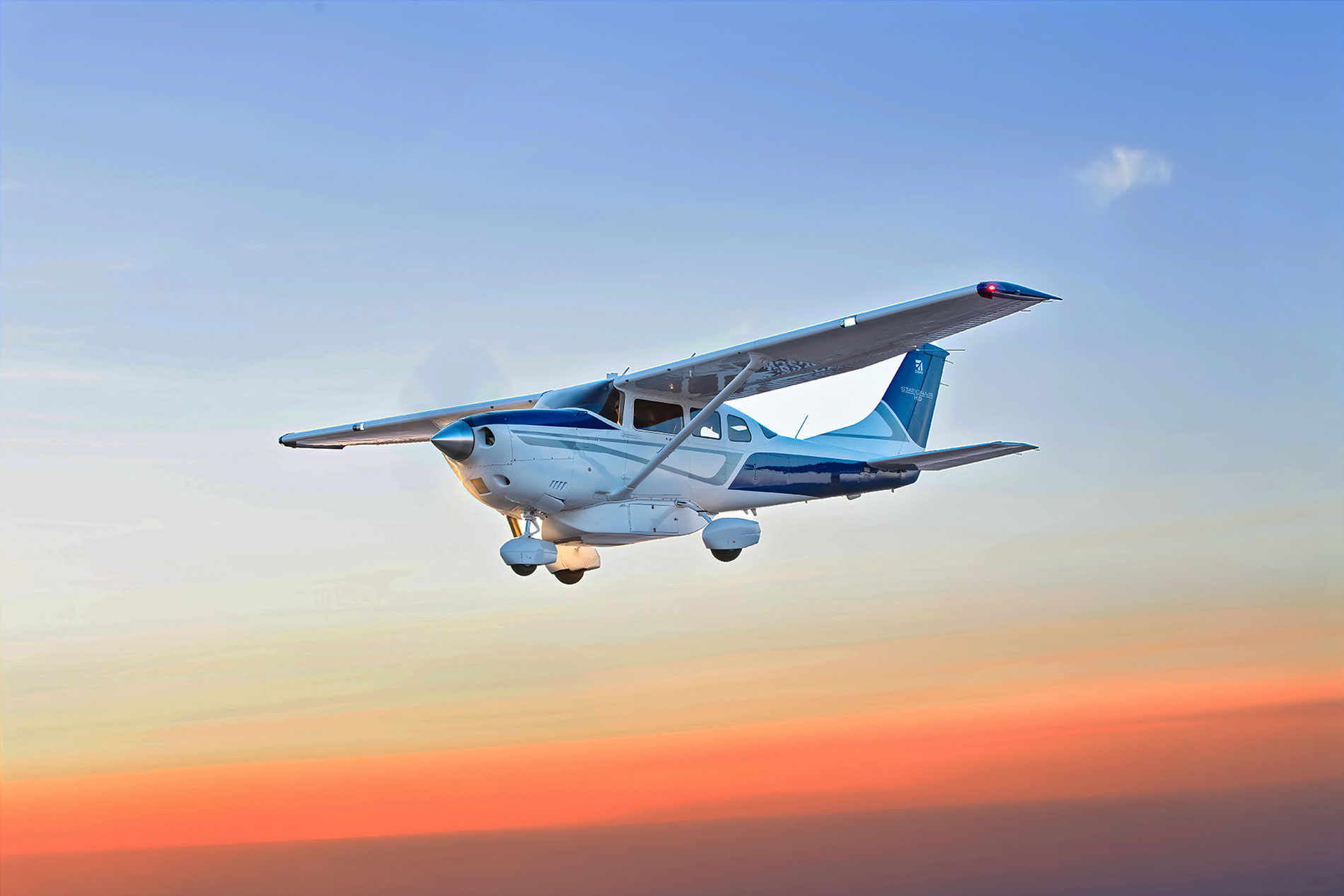
The Directorate General of Civil Aviation (DGCA) has revised norms to allow scheduled airlines to fly at night on single-engine turbine (SET) airplanes, a move that is expected to increase connectivity with remote areas of the country and boost the utilisation of small airlines.
Operations for the remote parts of the Scheduled Commuter Airlines were introduced in 2018 and were till now restricted to day operations and Visual Flight Rules (VFR). The civil regulators have now amended the regulations to enhance connectivity to remote parts in a phased manner on approved routes.
“The Operations Circular has been amended to incorporate the guidance material and detailed guidelines to modify the assessment of routes, their continued assessment, qualification, experience, training and assessment requirements of the crew; operational, certification and airworthiness requirements to ensure that safe operations are carried out on single engine airplanes. The grant of such approval would be based on the assessment of Operators meeting these requirements”, said the DGCA statement.
The requirements have been incorporated based on the report summited by an expert committee constituted by DGCA. Generally, SCAs operate regional flights. According to the statement, “The Expert Committee reviewed International regulations and global best practices for such SET scheduled commuter operations at night, worldwide safety data, India safety data and operational experience gained over some time.”
The Committee also carried out a safety risk assessment and practical flight trials with the industry to identify the deficiencies/hazards and incorporate the safety enhancement measures in this matter.
Besides, operational, certification and airworthiness requirements have also been taken into account to ensure that safe operations are carried out on single-engine airplanes. The grant of such approval would be based on the assessment of operators meeting these requirements, which have been incorporated based on the report submitted by an expert committee constituted by the DGCA.
The committee reviewed international regulations and global best practices for such SET scheduled commuter operations at night, worldwide safety as well as India safety data and operational experience gained over some time. The committee also carried out a safety risk assessment and practical flight trials to identify the deficiencies/hazards and incorporate the safety enhancement measures. The government has been working on ways to boost regional air connectivity across the country.
Single Engine & Multiple Engine Aircraft
A single-engine aircraft is a type of airplane that features only one engine to power its flight. This is in contrast to multi-engine aircraft that have two or more engines. Single-engine aircraft are typically smaller and less powerful than multi-engine aircraft and are often used for personal or recreational purposes such as sightseeing, training, and aerial photography. They are also commonly used for short-distance transportation and cargo delivery in some regions. Single-engine aircraft come in a variety of designs, including fixed-wing planes, helicopters, and gliders.
A multi-engine aircraft is a type of aircraft that is powered by more than one engine. These engines are usually located on the wings of the aircraft and work together to provide power and stability during flight. Multi-engine aircraft are used in commercial and military aviation and are often employed for long-haul flights or missions that require additional power and redundancy for safety. Some examples of multi-engine aircraft include passenger airliners, cargo planes, and military transport aircraft.
Read next
Air India to Launch Direct Mumbai-Melbourne Flights in December on its Boeing B787 Dreamliner
Radhika Bansal
01 Nov 2023
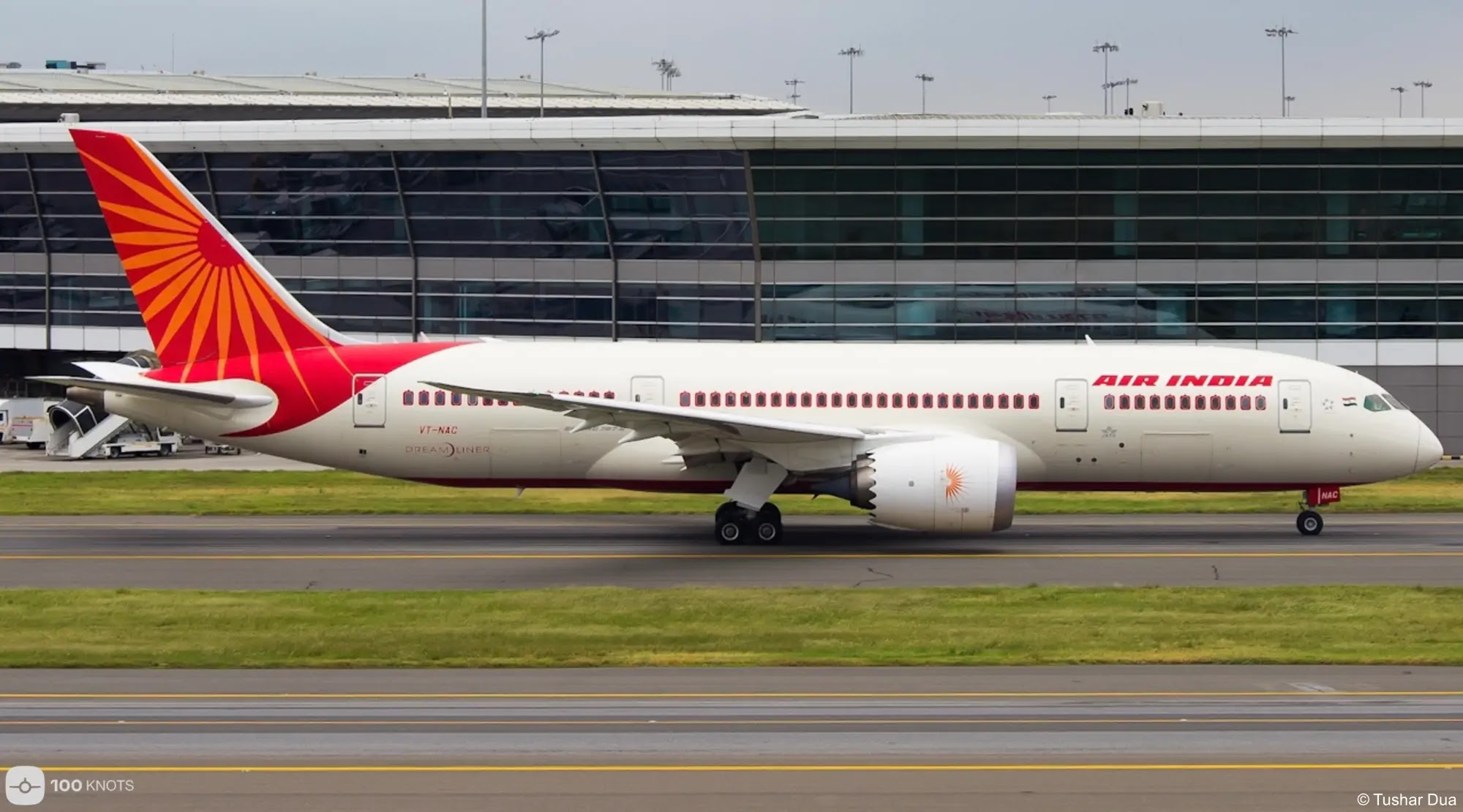
Air India will launch a direct flight service from Mumbai to Melbourne in Australia, on December 15, as part of its global route network expansion plans. The flight services on the new route will be operated three times a week and will add nearly 40,000 seats per year to the Australian state of Victoria. Air India currently operates daily flights to Melbourne and Sydney from Delhi, flying 28 times every week between India and Australia.
In collaboration with Air India, the Allan Labor government of Victoria is launching a flight route from Mumbai to Melbourne, paving the way for more tourists and students to the Australian state, increasing investment opportunities and creating hundreds of jobs. Natalie Hutchins, Minister for Jobs and Industry, announced on October 31 that Air India will operate non-stop flights from Mumbai to Melbourne from December 15, adding 40,000 seats a year.
According to the airline, travellers from 17 Indian cities can take convenient, one-stop connections to and from Melbourne via Delhi or Mumbai. The new Mumbai-Melbourne route will be operated by Air India's Boeing 787-8 Dreamliner aircraft in two-class configuration -- 18 flat beds in business and 238 seats in economy class -- further enabling seamless two-way connectivity between London Heathrow and Melbourne via Delhi and Mumbai, Air India said.
Importance of the New Route
It's the first time an airline has offered non-stop service between Mumbai and an Australian city in more than 40 years. As a result of the Labor government's support for the Air India flights through Melbourne Airport, the Victorian economy will generate USD 55 million each year and 264 jobs will be created in the aviation and tourism sectors.
New Delhi to Melbourne is served seven times a week by Air India. With the new flight route, Victoria will be able to connect to India, which is expected to become the third-largest economy in the world by 2030. Mumbai was air-linked to Sydney more than a decade ago but never to Melbourne.
Victoria is already a popular tourist destination for Indians, and the direct flights will make it even easier for more people to visit. 149,000 Indians visited Victoria last year. As of 2022, there will be around 53,000 international students enrolled in Victorian institutions, making the state a key study destination for Indian students. Victoria state is estimated to have over 200,000 Indian diaspora, constituting about 40% of the total Indian diaspora in Australia, as per the private airline.
As a result of the new flights, more than 1,800 tonnes of air freight will be flown from Victoria to Mumbai. In the past financial year, air freight exports to India totalled 368 tonnes worth USD 33 million, making India one of the fastest-growing export markets.
The Labor government has supported an increasing number of international airlines expanding flights to Melbourne, including LATAM Airways, Cathay Pacific, Scoot, China Southern and Sichuan Airlines.
“We’re very excited that the first direct flights from Mumbai to Australia will land in Melbourne. This new route will boost tourism, create local jobs and open more pathways for Victorian businesses to reach one of the world’s fastest-growing economies,” Hutchins said.
“In recent months Melbourne Airport has seen record numbers of Indian visitors travelling through the terminals, and this new service will make it even easier for families to reconnect and for tourists and students to explore our great state,” Melbourne Airport CEO Lorie Argus said.
Air India Chief Commercial and Transformation Officer Nipun Aggarwal, said, “We look forward to launching the only non-stop flight between Mumbai and Melbourne. This is a great step forward in our ongoing transformational programme, which among other aspects aims at connecting India to more of the world with non-stop flights.”
Flights Between India & Australia
Weekly flights between India and Australia have tripled when compared to pre-COVID levels from seven per week to 22 and will go up to 25 when Air India begins the Mumbai-Melbourne flights in December. Air India currently operates daily flights to Melbourne and Sydney from Delhi, flying 28 times every week between India and Australia. Air India is the only non-stop operator between Mumbai and Australia.
Qantas operates non-stop flights on the Delhi-Melbourne route (three flights per week) and Bengaluru-Sydney (five flights per week). Apart from this, passengers from India, especially Mumbai which did not have a direct flight, board transit flights to Australia that halt in Singapore, Kuala Lumpur, Bangkok, Hong Kong, Colombo and Jakarta, among others.
India sends the fourth largest number of visitors to Australia globally and is its fastest-growing inbound market. The top ports of arrival for passengers from India were Melbourne (46%), followed by Sydney (34%) and Perth (8%). At 61%, visiting friends and relatives topped the list of reasons to travel to Australia, followed by holiday (14%) and business (9%).
Comment