
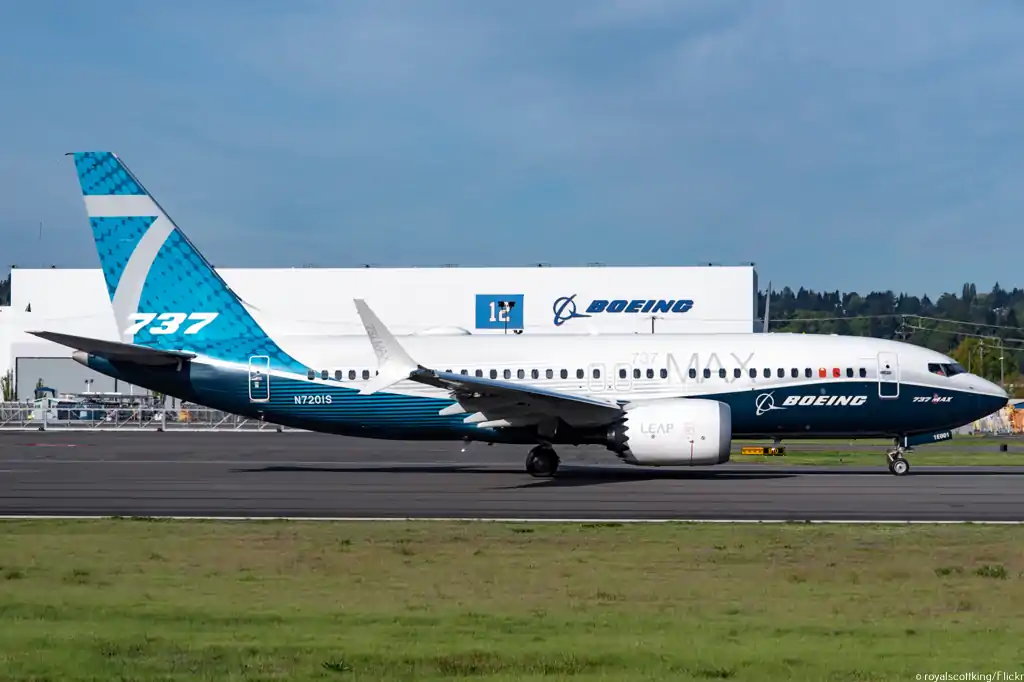
The global aerospace industry is facing a turbulent period as leading aircraft manufacturers, Boeing and Airbus, grapple with quality issues at their suppliers. Air Lease Corporation's Chairman, Steven Udvar-Hazy, recently expressed concerns that these challenges could jeopardize both companies' ability to meet their 2023 delivery targets.
Boeing's Delivery Forecast Cut

In a surprising move, Boeing reduced its delivery forecast for 2023, specifically for its best-selling 737 jets. The company cited quality issues at its key supplier, Spirit AeroSystems, as the primary reason for the downward revision. Spirit AeroSystems, a major producer of fuselages and other critical aircraft components, has struggled with production delays and quality control problems, hampering Boeing's ability to deliver aircraft on time.
Airbus's Challenges with Engine Suppliers

On the Airbus front, the situation is equally concerning. Airbus had set a delivery target of 720 commercial jets for 2023, a goal that now appears increasingly difficult to achieve. The main issue facing Airbus is related to its engine suppliers, notably Pratt & Whitney. Quality concerns and production setbacks have disrupted the supply chain, making it difficult for Airbus to meet its fourth-quarter targets.
The Impact on Airlines
The ongoing issues at Boeing and Airbus have far-reaching consequences for airlines worldwide. November and December typically see a surge in aircraft deliveries as manufacturers strive to meet their annual targets. However, delays resulting from supply chain problems have left airlines scrambling to satisfy the high demand for air travel during the busiest season of the year.
Airlines, especially those dependent on Boeing's 737 jets, are feeling the pressure as they struggle to secure the aircraft, they need to accommodate travelers. These delays have prompted airlines to seek alternative solutions, such as leasing additional aircraft or diverting engines as spare parts to keep their existing fleets operational. This situation has driven up costs for airlines and impacted their ability to operate efficiently.
Air Lease Corporation's Perspective
Air Lease Corporation, a major player in the aircraft leasing industry, has been a beneficiary of the ongoing jet shortage. The company reported a third-quarter profit per share that exceeded analysts' estimates, showcasing how lessors can capitalize on the current market dynamics. However, Air Lease's Chairman, Steven Udvar-Hazy, voiced skepticism about Boeing and Airbus reaching their 2023 delivery targets.
Outlook for the Industry
As the aviation industry navigates through these turbulent times, it is clear that Boeing and Airbus face significant challenges in meeting their delivery goals. The quality issues at suppliers have disrupted the supply chain and raised concerns about the long-term impact on the industry. Airlines are striving to adapt to the situation, and lessors like Air Lease Corporation have seized opportunities amid the turbulence.
For passengers and industry stakeholders alike, the hope is that Boeing and Airbus can address their supplier-related issues swiftly and ensure the stability of the aviation sector. The quality of aircraft production is paramount to the safety and efficiency of air travel, and resolving these challenges is in the best interest of all parties involved.
Conclusion
The aviation industry is closely watching the developments at Boeing and Airbus as they confront quality issues at their suppliers. The reduced delivery forecasts and disruptions in the supply chain have far-reaching implications for airlines and the broader aerospace sector. Industry stakeholders, including Boeing, Airbus, and their suppliers, must work together to resolve these challenges and restore confidence in the industry's ability to meet the growing demand for air travel.
With Inputs from Reuters

Read next
Airbus Expands Partnership with Indian Suppliers for Aircraft Component Manufacturing
Abhishek Nayar
07 Nov 2023
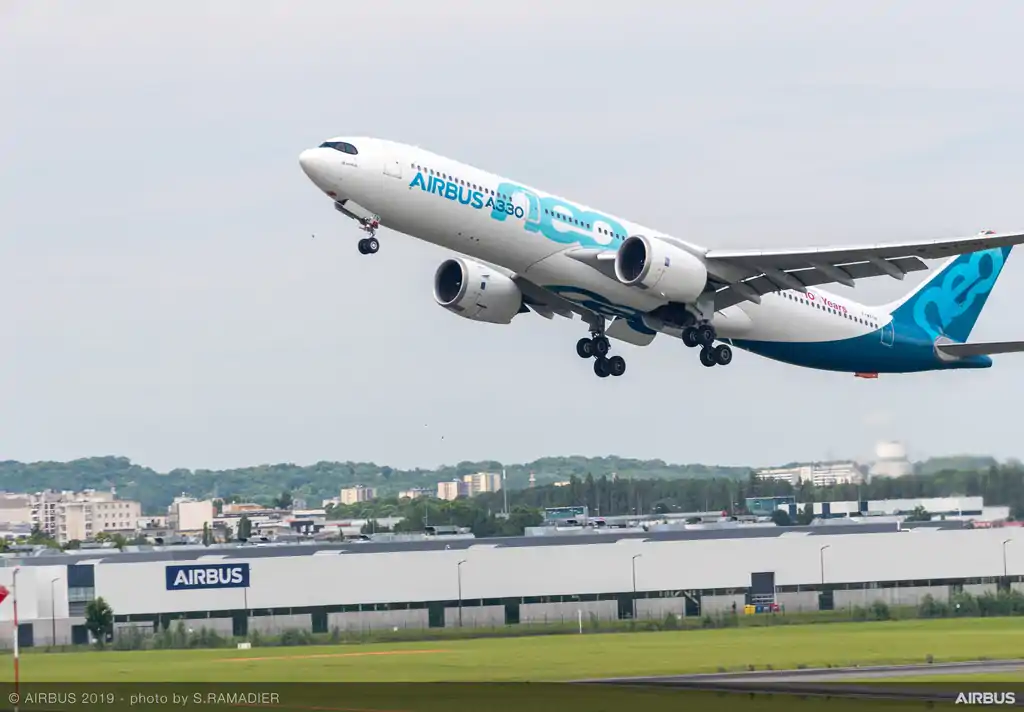
In a significant development, Airbus, the European aerospace giant, has announced the signing of new contracts with multiple Indian suppliers to manufacture components for its commercial aircraft. The contracts encompass the supply of airframe and wing parts for Airbus' A320neo, A330neo, and A350 programs. This latest move reinforces Airbus's commitment to the "Make in India" initiative and strengthens its already substantial presence in the Indian aerospace industry.
Expanding Partnership
Airbus has taken a significant step forward by expanding its partnership with prominent Indian suppliers. Contracts have been inked with Aequs, Dynamatic, Gardner, and Mahindra Aerospace, who will play a crucial role in the production of critical components for Airbus' commercial aircraft. These components are integral to the A320neo, A330neo, and A350 programs, contributing to the global production and assembly of Airbus aircraft.
Tata Advanced Systems' Earlier Allocation
This development comes on the heels of Airbus's allocation of the A320neo family cargo and bulk cargo doors manufacturing to Tata Advanced Systems earlier this year. It reflects Airbus's ongoing commitment to collaborating with Indian partners and leveraging the country's manufacturing capabilities and expertise in the aerospace industry.
Economic Impact
Airbus is no stranger to the Indian market, already procuring components and services worth a substantial $750 million annually. The new contracts are poised to significantly boost these volumes. Furthermore, this collaboration is expected to stimulate economic growth by creating job opportunities and enhancing India's position in the global aerospace sector.
Integrated Industrial Ecosystem
Airbus has emphasized that "Make in India" is at the core of its strategy in the country. Remi Maillard, President and Managing Director of Airbus India and South Asia, stated, "We are proud that we are putting in place all the critical building blocks for an integrated industrial ecosystem that will propel India into the front ranks of aerospace manufacturing nations." This statement highlights Airbus's commitment to contributing to India's industrial development in the aerospace sector.

Strategic Resource Hub
For Airbus, India is not just a market but also a strategic resource hub. The company recognizes India's potential as a source of human capital, as well as a provider of aerospace components and services. The extended partnership with Aequs, Dynamatic, Gardner, and Mahindra Aerospace underlines Airbus's confidence in India's capabilities.
Strengthening the Aviation Ecosystem
The newly signed contracts are expected to support the global expansion of Airbus's commercial aircraft programs. By collaborating with Indian suppliers in various technological domains, including sheet metal, machining, and extrusion profiles, Airbus aims to strengthen the aviation ecosystem in India. This move is aligned with India's aspiration to be a hub for aerospace manufacturing and innovation.
Job Creation
Airbus and its supply chain collectively support nearly 10,000 jobs in India. This number is projected to rise significantly to 15,000 by 2025, demonstrating the far-reaching impact of Airbus's continued investment and collaboration in the Indian aerospace sector. These partnerships are not only boosting India's manufacturing capabilities but also contributing to employment opportunities in the country.
Conclusion
Airbus's recent contracts with Indian suppliers mark a significant milestone in India's journey towards becoming a major player in the global aerospace industry. These partnerships are not only strengthening Airbus's supply chain but also enhancing India's role as a hub for aerospace manufacturing.
The "Make in India" initiative, with Airbus at its forefront, is propelling India into the ranks of top aerospace manufacturing nations, creating jobs and driving economic growth in the process. This development is a testament to the strong and enduring partnership between Airbus and the Indian aerospace industry.
Read next
Lenders Hesitate to Release Additional Funds for India's Go First Amid Legal Woes
Abhishek Nayar
07 Nov 2023
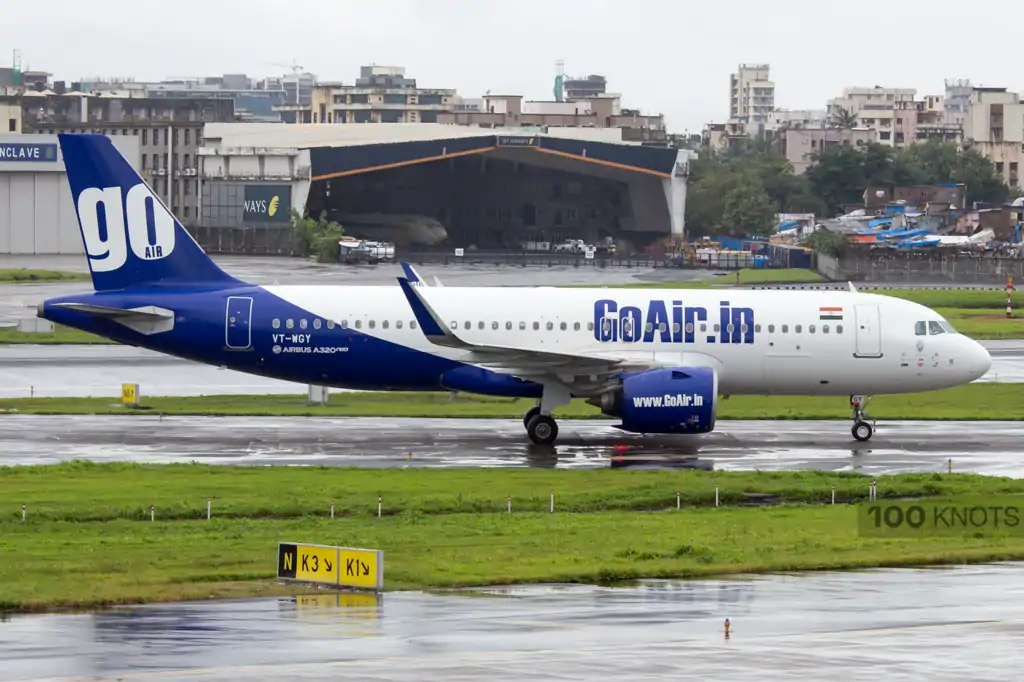
The future of Go First, an Indian airline that filed for bankruptcy in May, remains uncertain as lenders express reluctance to provide additional funding. The situation is complicated by legal disputes with lessors and recent changes in bankruptcy laws, causing apprehension among lenders.
Lenders' Reluctance Amid Legal Challenges
Lenders to Go First, including the Central Bank of India, Bank of Baroda, IDBI Bank, and Deutsche Bank, had initially approved funding of 4.50 billion rupees ($54.09 million) in June with the hope of resuming the airline's operations. However, the situation has since taken a turn for the worse.
Challenges in Restoring Operations
One of the major issues that has contributed to lenders' hesitation is the airline's ongoing legal troubles with lessors. Go First's lessors were initially blocked from repossessing planes due to a moratorium imposed by Indian courts. However, changes in India's insolvency law have the potential to allow lessors to reclaim their aircraft, introducing further uncertainty.
Retrospective Application of the Insolvency Law
The recent amendment to India's insolvency law, which may enable lessors to repossess their planes, has raised concerns. India's aviation regulator stated in a court filing that this law should be applicable retrospectively. However, lenders are actively looking to contest this assertion, adding another layer of complexity to the situation.
Expression of Interest from Jindal Power Ltd.
An expression of interest was received from Jindal Power Ltd. on October 12, providing a glimmer of hope for Go First's revival. However, the source noted that if Jindal Power does not submit a bid, lenders will consider initiating discussions about liquidation.
Looming Deadline for Bids
The last day for the submission of bids is November 21, 2023, adding time pressure to the ongoing resolution process. Both sources indicate that lenders will be seeking a procedural 90-day extension to complete the airline's resolution process.
Conclusion
The plight of Go First is emblematic of the challenges faced by many businesses in the turbulent aviation industry, especially in the wake of the COVID-19 pandemic. The hesitancy of lenders to release additional funds stems from the airline's complex legal disputes and the evolving insolvency laws in India. The outcome of the resolution process, whether revival or liquidation, remains uncertain as the airline's fate hangs in the balance. It will be essential to closely monitor developments in the coming weeks as stakeholders work towards a resolution for Go First's financial woes.
With Inputs from Reuters
Read next
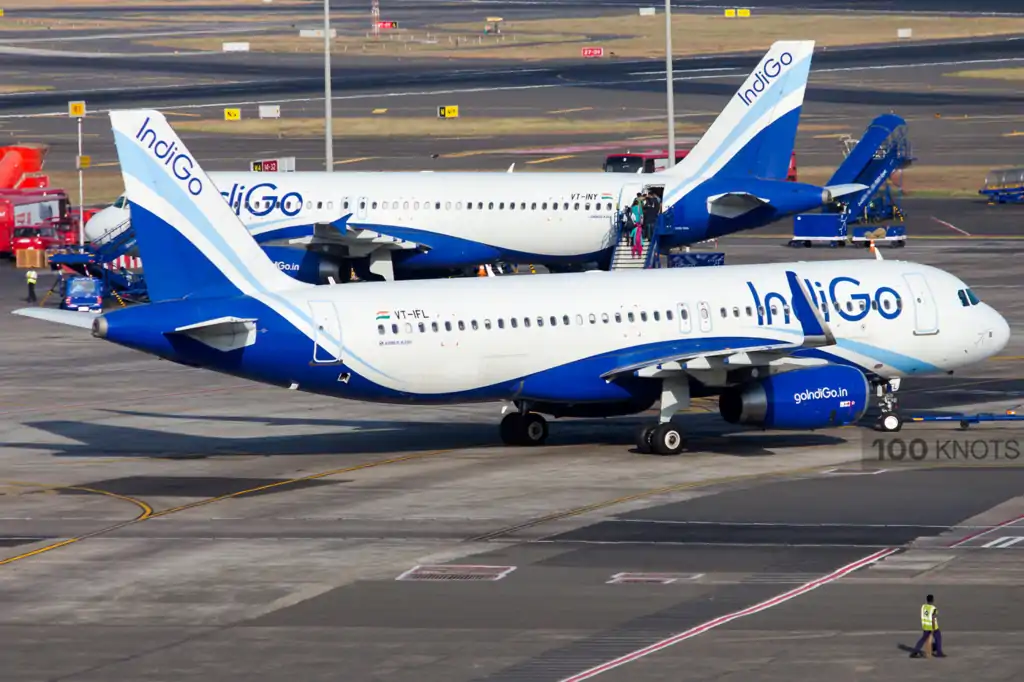
Indian low-cost carrier IndiGo has defied expectations with its remarkable financial performance in the second quarter of 2023, demonstrating its resilience and adaptability in a challenging aviation landscape. The airline's impressive results are driven by increasing demand for air travel in India, a strategic expansion of its route network, and a commitment to providing top-quality service to its loyal customers.
Resilience in the Face of Challenges
IndiGo's Q2 2023 financial results have astounded both industry experts and investors. The airline posted a net profit of $23 million, marking a significant turnaround from the $190 million loss reported in the same period the previous year. Predictions were also exceeded, as experts anticipated a $240 million loss. This accomplishment solidifies IndiGo's position as a consistent performer in the Indian aviation sector.
Steady Profitability
IndiGo's success in Q2 2023 is part of a broader trend, with the airline maintaining profitability for the past four quarters. This achievement is a testament to its sound strategy and execution, which have allowed the company to weather seasonal fluctuations and external challenges.
Impressive Financial Figures
The financial figures reported by IndiGo for Q2 2023 are nothing short of impressive. The airline's revenue earnings soared to $1.8 billion, an increase of 19.6% compared to the same period in the previous year. These figures are a reflection of both increased passenger demand and the carrier's expanding route network.
Expanding Route Network and Capacity
IndiGo's total network capacity saw a substantial increase of 27.7% over Q2 2022. The number of passengers transported by the airline also witnessed remarkable growth, with 26.3 million passengers in Q2 2023, representing a 33.4% increase over the previous year. The airline's passenger load factor, a key metric in the industry, increased to 83.3%, a rise of 4.1 percentage points.

Strategic Leadership
Peter Elbers, CEO of IndiGo, attributes the airline's success to its clear strategy and strong execution. Elbers expressed his gratitude to the airline's dedicated employees and their commitment to providing exceptional service to IndiGo's customers. The company's proactive approach to expanding its network both domestically and internationally has contributed significantly to its achievements.
Future Expansion Plans
As India's largest carrier, with over 60% of the domestic market, IndiGo is well-positioned to capitalize on the growing demand for air travel in the country. The airline already serves 85 destinations within India and over 30 international destinations with its fleet of 339 aircraft. To support its network expansion plans, IndiGo has retained 14 older Airbus A320ceo aircraft and extended leases on an additional 36. The airline also anticipates receiving 11 more aircraft on lease, with deliveries starting in November 2023, and a further 12 planes sourced from the second-hand market.
Addressing Engine Challenges
Despite its impressive financial results, IndiGo has faced challenges related to Pratt & Whitney engines that power its Airbus A320neo fleet. The airline has had to ground up to 40 of these aircraft due to metal defects in certain engine components. Pratt & Whitney is set to examine between 600 and 700 engines from various carriers globally between the end of this year and 2026. IndiGo's proactive measures to address these issues reflect its commitment to maintaining a safe and efficient fleet.
Conclusion
IndiGo's exceptional performance in Q2 2023 underscores its resilience, strategic vision, and commitment to providing the best possible service to its customers. With a growing domestic and international route network, the airline is poised to continue its upward trajectory, benefiting from the increasing demand for air travel in India. Despite challenges, IndiGo remains a shining star in the Indian aviation industry, delivering profitability and excellence in service.
Read next
Korean Air to Buy Convertible Bonds Issued by Asiana Airlines Following Cargo Sale Decision

Radhika Bansal
06 Nov 2023
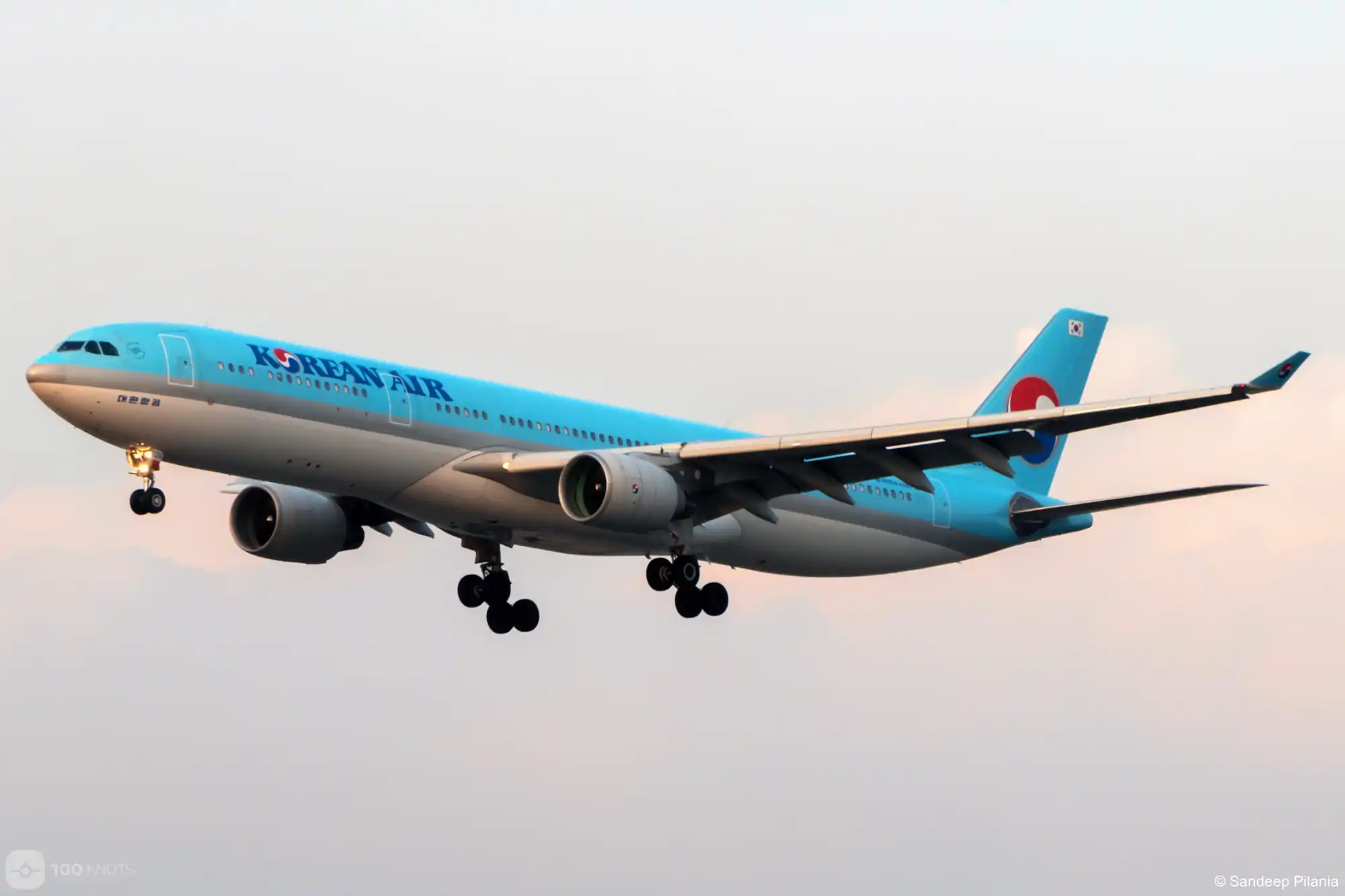
Korean Air will buy KRW300 billion won (USD 229.2 million) of convertible bonds issued by Asiana Airlines in the wake of that airline's board agreeing to sell its profit-making cargo arm. The 30-year bonds carry an annual interest rate of 4.7% The board's decision also triggered an immediate KRW150 billion (USD 114.6 million) payment to Asiana.
Approval from the November 2, 2023, board meeting helps clear the way for the European Commission to approve the merger of the two airlines. Immediately after the board's decision, Korean Air reportedly submitted an amended merger proposal to the Europeans and aims to secure their approval by the end of January 2024.
“The two companies have entered into a funding agreement," said a Korean Air spokesperson after the board meeting. "Accordingly, liquidity support will be provided to Asiana Airlines, and Asiana’s management difficulties will be somewhat resolved."
Details have also emerged of three days of contentious Asiana board meetings last week. One board member resigned ahead of the first meeting on October 30. The third November 2 meeting saw three board directors vote in favour of selling Asiana's cargo arm, one board member voting against it, and one abstain.
There was considerable internal resistance to the cargo divesture because Asiana's cargo operations are profitable and accounted for more than half the carrier's overall revenue last year.
However, the combined cargo operations of Asiana and Korean Air would have a combined 66% plus air cargo market share on routes in and out of South Korea, an outcome the European Commission views as anti-competitive. The sale of Asiana's cargo arm and other concessions made by Korean Air seek to address the European's concerns.
"We will try to get the EC’s approval as soon as possible so we can speed up the approval process of other antitrust bodies,” said the Korean Air spokesperson. Decisions from Japanese and US competition authorities will follow the European Commission's decision early next year.
They noted the desired valuation for the air cargo unit of some 700 billion won (USD 520 million) including debt, as reported by local media, was probably too high. That could become a new stumbling block for the sale and hence regulatory approval.
Korean Air said in a statement that while it was continuing with "its efforts to secure the approval from the European Commission, the airline will also communicate closely with the remaining regulatory bodies to finalize the approval process as quickly as possible."
Korean Air also said it will buy 300 billion won of convertible bonds issued by Asiana, part of fresh financial support to the smaller airline.
Any takeover of Asiana by Korean Air would come amid a wave of consolidation in the industry, with Lufthansa acquiring a 41% stake in Italy's ITA Airways and British Airways and Iberia owner IAG buying the remaining 80% of Spanish carrier Air Europa it does not already own.
Asiana creditors, including state-run lender Korea Development Bank, have been looking for a new owner for the debt-laden carrier for several years. Korean Air agreed to acquire Asiana in 2020.
As of the end of June, Asiana had a debt of more than 13 trillion won.
The company accounts for about a fifth of South Korea's market for overseas air cargo. With 11 cargo planes, its service encompasses 21 routes to 25 cities in 12 countries, including the United States, Germany and Russia.
Shares in Asiana closed down 8.7%, a decline analysts attributed to a lack of potential positive news for the airline now that the sale has been approved.
Read next
India Asks Canada to Increase the Security of Air India Flights Following SFJ Threat
Radhika Bansal
06 Nov 2023
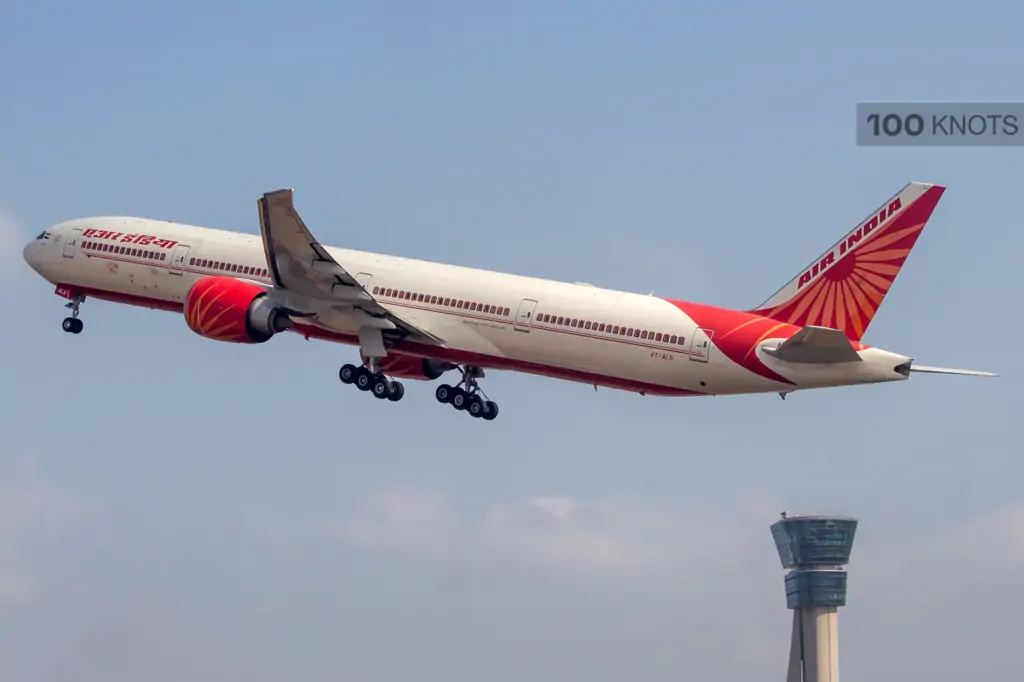
India will seek enhanced security from Canada for Air India flights following secessionist group Sikhs for Justice’s warning to passengers that their lives could be in danger if they fly the airline on November 19. Air India operates multiple weekly direct flights between the Canadian cities of Toronto and Vancouver to New Delhi.
“We shall take up the threat against Air India flights originating from and terminating in Canada with the concerned Canadian authorities," India’s high commissioner to the North American country Sanjay Kumar Verma was quoted as saying by the Hindustan Times.
In a video posted on November 5, SFJ’s general counsel Gurpatwant Pannun asked Sikhs to avoid flying Air India on November 19, warning them in Punjabi that their lives could be in danger. The threat was repeated twice in the video.
Pannun, who holds dual citizenship of the United States and Canada, also called for a "global blockade" of Air India flights from Vancouver to London in a statement released alongside the video.
"We are asking the Sikhs not to fly Air India on 19th November. On 19th November, there will be a global blockade and Air India will not be allowed to fly anywhere worldwide. Sikhs, you do not travel by Air India after 19th November. It can be life-threatening. This is my warning to the government of India. The Indira Gandhi International Airport should remain closed on the 19th of November," he said.
This is not the first time that Pannun, who has been at the forefront of reviving the demand for Khalistan, a separate homeland for Sikhs, has issued such threats. He stepped up the rhetoric following the murder of separatist Hardeep Singh Nijjar, which blew up into a huge diplomatic row between India and Canada.
“November 19th is the same day as the World Terror Cup final match. The world will see that a genocide of the Sikhs took place in India, and India did it,” Pannun said, referring to the Men’s World Cup Cricket final to be planned in Ahmedabad.
“When we liberate Punjab, the airport will be named Shahid Beant Singh and Shahid Satwant Singh Airport," he said referring to the bodyguards who gunned down Prime Minister Indira Gandhi in 1984. November 19 is also her birthday. We have studied the contents of the video, which is in clear violation of the Chicago Convention, which lays out a framework for international civil aviation operations. Canada and India, among many other nations, are Parties to the Convention.
Bilateral Civil Aviation Agreement Comes to Rescue
“The bilateral civil aviation agreement between India and Canada has provisions to tackle such threats," Verma added.
In a video addressed to Prime Minister Narendra Modi, Pannun warned of a Hamas-like attack on India. “We will carry out an attack on India like the one carried out by Hamas,” he said. He also threatened to disrupt the World Cup final game, prompting the Ahmedabad police to register an FIR against him.
“We have done a briefing as per security guidelines and our missions will be in touch with concerned authorities in their respective countries. It is feared that Punnun can radicalise people and the same can translate to hostage crises or physical damage to Air India,” the sources added. Apart from that, the Air India crew will also be briefed as they halt to various cities in these countries during layover for 24/48 hours
The bilateral civil aviation agreement between India and Canada has provisions to tackle such threats, the report quoted Verma as having said. The Convention on International Civil Aviation, better known as the Chicago Convention, was drafted in 1944 by 54 nations and had established “the core principles permitting international transport by air”, according to the International Civil Aviation Organisation (ICAO).
The targeting of Air India is reminiscent of the circumstances leading up to what remains the worst incident of terrorism in Canadian history. On June 23, 1985, the bombing of Air India flight 182, the Kanishka, by Khalistani terrorists, led to the loss of 329 lives, while two baggage handlers in Tokyo’s Narita airport died from a blast from another bomb on another airplane.
In Canada, this day is still observed as the National Day of Remembrance for Terrorist Victims. Nonetheless, extremist organizations still hold Talwinder Singh Parmar in high regard as the attack’s planner. Supporters of Khalistan held a gathering at the Toronto Memorial for the victims of the Air India terror incident in June of this year in honour of him.
(With Inputs from Hindustan Times)
Comment