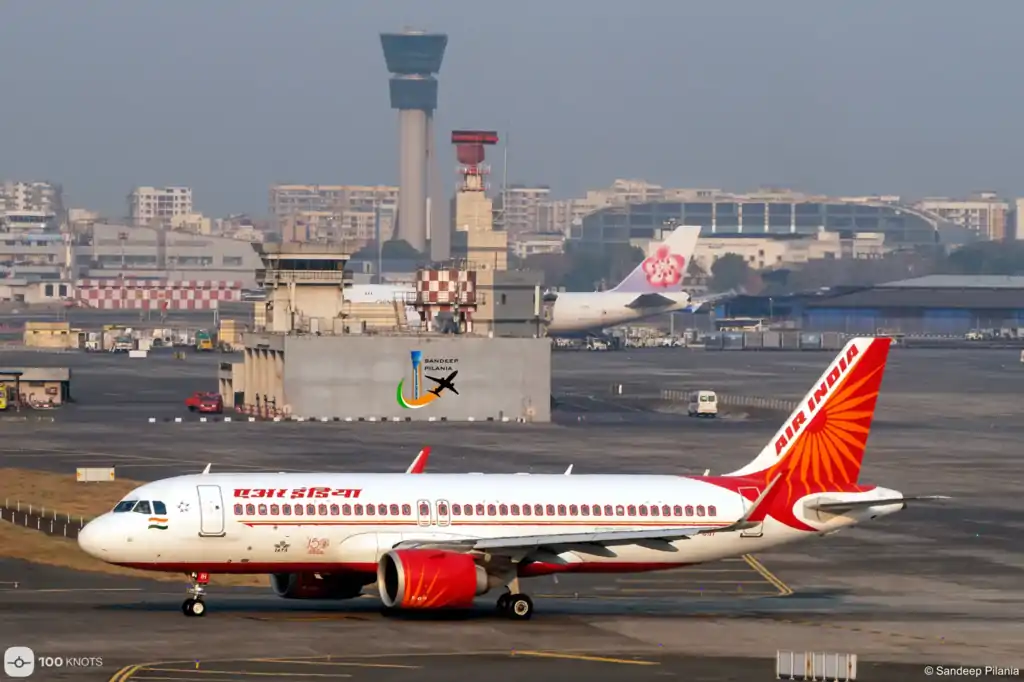
As customer preferences continue to evolve, companies are compelled to innovate and adapt. Air India, a leading airline in the country, has taken a significant step towards enhancing customer satisfaction by revamping its customer support services. This move, marked by the introduction of multilingual options in its Interactive Voice Response (IVR) system, is set to revolutionize how customers interact with the airline. But what does this mean for travelers, and how does it improve the customer experience?
A New Era of Customer Interaction: The Multilingual Advantage
In an era where convenience and personalization are paramount, Air India has recognized the need to cater to its diverse customer base. To this end, the airline has expanded its IVR system to include seven new languages—Marathi, Punjabi, Tamil, Kannada, Bengali, Telugu, and Malayalam—in addition to the existing English and Hindi options. This enhancement is not just about offering more languages; it’s about making customer interactions smoother and more intuitive.
How It Works: Automatic Language Recognition
One of the most notable features of this update is the IVR system's ability to automatically recognize a customer’s language preference based on their mobile network. This automation eliminates the need for customers to manually select their language, thereby reducing response times and simplifying the process. For a customer trying to resolve an issue or get information quickly, this could make a significant difference.
Beyond Language: Comprehensive Customer Support
Air India's commitment to improving customer service goes beyond just adding languages to its IVR system. The airline has also set up five new contact centers to offer round-the-clock assistance to customers worldwide. These centers are equipped with dedicated desks for premium and frequent flyers, ensuring that their needs are met with specialized attention.
Special Assistance: Timing and Availability
While the round-the-clock service is a boon for travelers, Air India has also made provisions for special assistance in Indian languages. This service is available from 8:00 AM to 11:00 PM every day, catering to customers who might need help in their native languages. This thoughtful approach underscores Air India's dedication to inclusivity and customer satisfaction.
What This Means for Customers: Enhanced Experience and Accessibility
For many customers, language barriers can be a significant hurdle in accessing services efficiently. By introducing these additional languages and automating the language selection process, Air India is making its services more accessible to a broader audience. Whether it’s booking a flight, managing a reservation, or seeking assistance, customers can now do so in the language they are most comfortable with, enhancing their overall experience.
Conclusion: A Step Towards Greater Customer Satisfaction
Air India’s move to enhance its IVR system and customer support services is a testament to its commitment to improving customer experience. By recognizing the diverse linguistic needs of its customer base and providing solutions that cater to these needs, the airline is setting a new standard in customer service within the aviation industry.
As more companies realize the importance of personalized and efficient customer support, Air India's initiative could serve as a model for others to follow. In the end, this approach is likely to foster greater customer loyalty and satisfaction, proving that sometimes, small changes can have a big impact.

Read next
Ryanair Loses Appeal Over Surcharges for Families and Disabled Passengers
Abhishek Nayar
28 Aug 2024
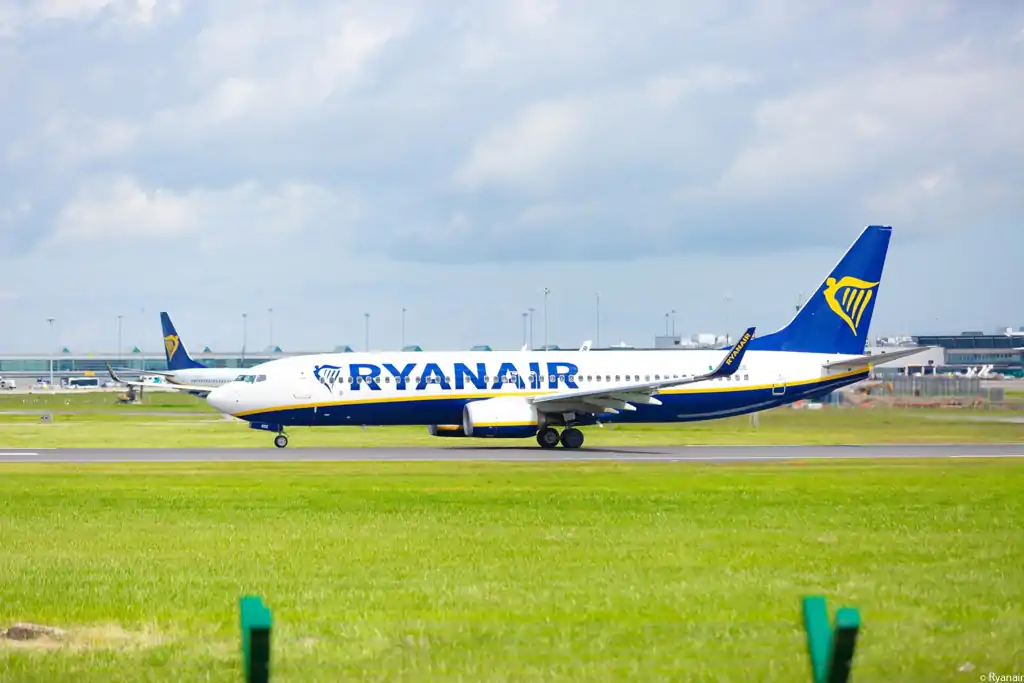
Ryanair, Europe's largest low-cost airline, has lost its appeal against a ruling by Italy's Civil Aviation Authority (ENAC), which bans airlines from charging extra fees for seat reservations when passengers need to sit next to children under 12 or individuals with disabilities. This decision, which has been upheld by Italy's top administrative court, the Council of State, sets a significant precedent for the airline industry and raises questions about consumer rights and airline policies.
The Background: A Battle Over Fees
Ryanair is well-known for its low base fares, often accompanied by additional fees for services that are typically included in the ticket price with other airlines. One of these fees involves seat reservations, which can cost between €22 and €30 ($24.58-$33.52) for a one-way flight within Italy. Passengers who wish to ensure they are seated next to a specific individual, such as a child or a person with disabilities, are typically required to pay this surcharge.
In 2021, ENAC introduced a regulation prohibiting airlines from imposing these fees on passengers who must sit together for safety reasons, such as parents traveling with young children or companions of individuals with disabilities. Ryanair challenged this regulation, arguing that it was unjust and that the airline had already implemented measures to accommodate such passengers.
The Legal Battle: Ryanair’s Appeal
After losing its initial appeal in 2022, Ryanair took the case to Italy's Council of State. The Council has now upheld the original ruling, agreeing with ENAC that the proximity of seats for minors and their accompanying adults is a safety requirement that cannot be monetized. According to ENAC, the court stated that "the need for proximity of the seats between minor and accompanying person is clearly connected with the safety obligation" that airlines must adhere to, which should not be subject to additional charges.
Ryanair’s Response: A Controversial Stance

In response to the ruling, Ryanair issued a statement claiming that the decision "does not require any change" to its existing seating policy. The airline emphasized that it does not charge a fee for children under 12 traveling with an adult, although it remains unclear how this policy aligns with the typical seat reservation charges described on its website. Ryanair has previously characterized ENAC's regulation as "misleading" and has made temporary adjustments in the past to offer free allocated seating for adults accompanying minors or passengers with special needs.
What This Means for Travelers: A Win for Consumer Rights
The ruling by Italy's Council of State is a victory for consumer rights, particularly for families and those traveling with individuals who require special assistance. It reinforces the idea that safety considerations must take precedence over profit, ensuring that airlines cannot exploit passengers' needs for financial gain.
For travelers, this decision means that when flying with Ryanair within Italy, they should no longer be charged extra to sit next to a child or a person with disabilities. This could lead to broader changes across the airline industry, as other countries may look to implement similar regulations to protect vulnerable passengers from additional fees.
Looking Ahead: Will Other Airlines Follow Suit?
The implications of this ruling extend beyond Ryanair. Other airlines that charge similar fees may need to reconsider their policies, especially in markets where consumer protection agencies are empowered to enforce regulations like those implemented by ENAC. As the debate over airline fees continues, this case could serve as a catalyst for more stringent regulations aimed at protecting travelers from unfair charges.
For now, families and passengers with disabilities can travel with greater peace of mind, knowing that at least in Italy, their right to sit together without incurring additional costs has been upheld by the highest court in the land.
With Inputs from Reuters
Read next
Is Turbulence the Next Big Threat in Aviation Safety? Asian Officials Urge Global Action
Abhishek Nayar
28 Aug 2024
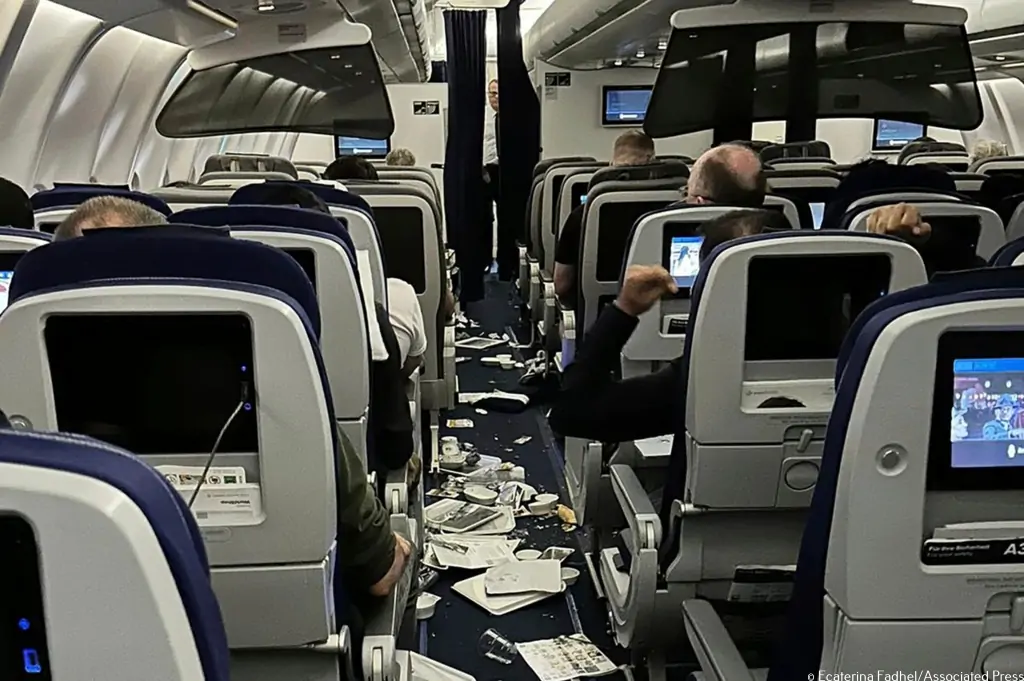
Turbulence, long considered a routine yet uncomfortable aspect of flying, is now emerging as a significant safety concern in the aviation industry. Recent high-profile incidents, including a severe turbulence event on a Singapore Airlines flight from London in May that resulted in one death and multiple injuries, have intensified calls for global action to mitigate turbulence-related risks. As weather patterns grow more erratic due to climate change, the frequency and severity of turbulence are expected to increase, prompting aviation officials from Asia to advocate for improved international forecasting and data sharing.
Asia Takes the Lead in Addressing Turbulence
At the International Civil Aviation Organization's (ICAO) air navigation conference in Montreal, which runs through September 6, Asian countries such as Japan, Korea, and Singapore are spearheading efforts to address turbulence. These countries are pushing for turbulence to be officially recognized as a category in ICAO's 2026 Global Aviation Safety Plan, which sets industry priorities. Working papers from the event indicate that this proposal will be considered by ICAO's 193 member states at the triennial assembly next year.
The Need for Real-Time Weather Coordination
One of the key proposals from Japan and other Asian countries is to enhance real-time coordination of weather and turbulence data across international borders. Currently, turbulence alerts are primarily communicated in text format, which can be challenging for pilots to interpret quickly. Some Asian nations are taking preliminary steps to make this information more visually accessible, thereby improving response times and decision-making during flights. A senior official from Japan's civil aviation bureau emphasized the importance of making these alerts more user-friendly for pilots.
Turbulence: The Leading Cause of Accidents
According to the United Nations' aviation agency, turbulence is the leading cause of accidents in aviation, despite not frequently causing fatalities. The 2024 ICAO Annual Safety Report revealed that turbulence accounted for approximately 40% of all accidents involving large aircraft in scheduled commercial operations last year. This statistic underscores the urgent need for enhanced forecasting and safety measures to protect passengers and crew members.
Airlines Respond to the Turbulence Threat
Airlines in Asia are already implementing changes to address the growing turbulence threat. All Nippon Airways (ANA), Japan's largest airline, has begun voluntarily airing safety videos at the start of and during flights to educate passengers on how to prevent turbulence-related injuries. Meanwhile, Korean Air announced in August that it would stop serving instant cup noodles, known as ramyeon, on long-haul flights due to the dangers posed by boiling water during turbulence. These proactive measures highlight the airlines' commitment to passenger safety in an increasingly turbulent world.
The Path Forward: A Global Effort
As turbulence incidents continue to rise, the need for a coordinated global response becomes more pressing. The upcoming ICAO triennial assembly will be a critical juncture for determining whether turbulence will be formally recognized in the Global Aviation Safety Plan. If adopted, this could lead to significant advancements in turbulence forecasting, data sharing, and in-flight safety measures, ultimately reducing the risk of turbulence-related accidents.
Conclusion: Turbulence as a Top Priority in Aviation Safety
With climate change expected to exacerbate severe weather patterns, the threat of turbulence is likely to grow in the coming years. Asian aviation officials are leading the charge in advocating for global action to address this issue, recognizing that enhanced forecasting, real-time data sharing, and improved safety measures are essential to protecting passengers and crew members worldwide. As the aviation industry moves forward, turbulence may very well become one of the top priorities in ensuring the safety of air travel.
With Inputs from Reuters
Read next
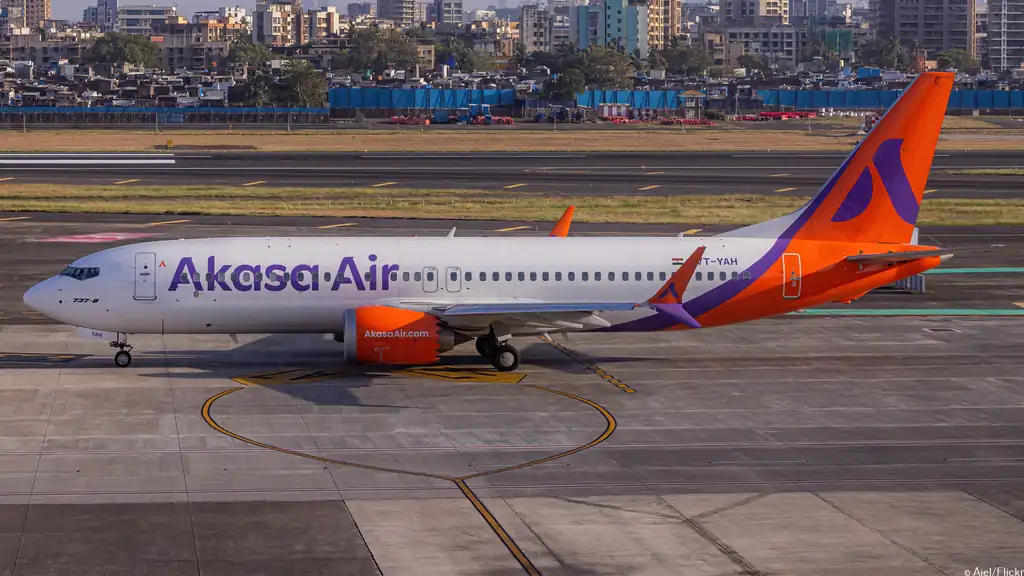
Akasa Air, a relatively new player in the Indian aviation market, is on the cusp of receiving a significant financial boost. A two-party consortium, comprising Bangalore-based Premji Invest and Manipal Group-owned Claypond Capital, is preparing to inject around USD 125 million into the airline. This investment, which values the low-cost carrier at approximately USD 350 million, represents a four-fold increase from its initial valuation. But what does this mean for Akasa Air and the broader Indian aviation landscape?
Who’s Behind the Investment?
The consortium includes Premji Invest, the family investment office of Azim Hashim Premji, former chairman of Wipro Limited, and Claypond Capital, a venture capital firm owned by Manipal Group, linked to businessman Ranjan Pai. These investors are not just bringing in capital; they are bringing in credibility and strategic insight, potentially altering Akasa Air’s trajectory in the highly competitive aviation market.
Why Akasa Air?
Despite its short history, Akasa Air has managed to carve out a space for itself in the Indian market. The airline, which commenced revenue operations two years ago, currently operates flights to 27 airports across India and the Middle East, including the UAE, Qatar, Saudi Arabia, and Kuwait. With a fleet of 23 B737-8s and one B737-8-200, and substantial orders for 99 B737-10s and 103 B737-8-200s, Akasa Air has demonstrated its ambition to expand aggressively.
The Investment: What’s at Stake?

The reported investment by Premji Invest and Claypond Capital is aimed at acquiring a "significant" minority stake in Akasa Air. While the stakes of current major shareholders, including the Jhunjhunwala family, who together own around 67% of the carrier, will dilute, the Jhunjhunwala’s are expected to remain the largest shareholder with a roughly 40% stake.
The consortium has retained the consultancy firm Alvarez & Marsal to conduct due diligence, a process that is currently underway. According to sources, while the talks are progressing steadily, it may take some time to finalize and freeze the investment.
Akasa’s Market Position: A Promising Future?
Akasa Air currently holds a 4.7% share of the domestic market, placing it fourth behind industry giants IndiGo Airlines, Air India, and Vistara. However, the consortium's interest in Akasa Air goes beyond current numbers. The investors believe in the potential for a strong third player in the Indian aviation market, especially given the ongoing shifts and consolidation within the industry.
Financial Challenges and the Path to Profitability
Since its inception, Akasa Air has faced financial challenges, reporting a loss of INR 7.44 billion (USD 88.7 million) in its first 12 months. The airline is expected to report even larger losses of INR 16 billion (USD 190.7 million) for the year ending March 31, 2024. However, Akasa Air’s co-founder Vinay Dube remains optimistic, attributing these losses to start-up costs and the expenses of establishing a strong market presence. Dube has emphasized that the airline is committed to being well-capitalized and is building for the long run.
Conclusion: A Strategic Bet on the Future
The potential investment in Akasa Air by Premji Invest and Claypond Capital is not just a financial transaction; it is a strategic bet on the future of Indian aviation. With the additional funds, Akasa Air plans to expand further and meet aircraft pre-delivery payments, positioning itself as a key player in the industry. As the airline navigates its financial challenges, this investment could be the catalyst that propels Akasa Air to new heights.
With Inputs from ch-aviation
Read next

Hong Kong-based Cathay Cargo is eyeing a significant expansion in India, a market it views as ripe with potential due to its robust economic growth and burgeoning export sectors. The airline is particularly interested in leveraging the country's "open sky" policy, which allows foreign cargo carriers to operate freely from all international airports in India, thereby accelerating the movement of goods, especially perishable items.
The Concept of Coterminalisation: A Game-Changer for Air Cargo?
One of the key requests from Cathay Cargo, as articulated by Tom Owen, Director of Cargo at the airline, is the ability to implement coterminalisation of its freighter planes. This concept involves an aircraft flying into one city, like Delhi, then moving on to another, such as Kolkata, before returning to Hong Kong. This approach would enable Cathay Cargo to maximize its cargo loads by picking up goods from multiple locations within India on a single flight.
"Coterminalisation would allow us to serve multiple cities in one go, which could significantly boost our efficiency and service offerings in India," said Owen. The ability to operate such routes under the open sky framework could be a major boost for India’s export sectors, including pharmaceuticals, automotive components, electronics, and fresh produce.
India's Economic Growth: A Catalyst for Cathay Cargo's Optimism
Cathay Cargo’s optimism is not unfounded. Over the past decade, India has witnessed "miraculous" economic growth, according to Owen. The rapid development of infrastructure, coupled with a skilled logistics workforce, has created a conducive environment for air cargo operations. The ongoing national highway development, enhanced trucking capabilities, and investments in better airports are gradually easing logistical bottlenecks, giving companies like Cathay Cargo more confidence in the Indian market.

High-Potential Sectors: Pharmaceuticals, Auto Parts, and Electronics
Cathay Cargo has long been involved in the transportation of pharmaceuticals, particularly generic drugs, which have seen a sharp increase in exports. Additionally, the company sees great potential in the automotive sector, where it helps transport parts for manufacturing in Japan and entire vehicles for testing and development.
"With the shift in global manufacturing, India has become a beneficiary, especially in the electronics sector. We see a growing demand for moving electronics out of India, which bodes well for our operations," Owen noted.
Fresh Produce and Flowers: A Blossoming Opportunity
India’s agricultural sector is another area where Cathay Cargo sees significant opportunity. The country’s fertile lands produce a wide variety of fresh vegetables and flowers, which are increasingly in demand in global markets. Efficient air cargo services are crucial for maintaining the quality and freshness of these perishable goods during export.
Collaborations with Indian Carriers: A New Avenue for Growth?
In addition to its standalone operations, Cathay Cargo is exploring partnerships with Indian passenger carriers like IndiGo to utilize the belly space of their aircraft for cargo transport. Although discussions are ongoing, these collaborations could open up new avenues for Cathay Cargo to expand its footprint in India.
"We are in talks with IndiGo and other carriers, but nothing has been finalized yet. However, the potential for growth through such partnerships is immense," Owen revealed.
Conclusion: Will India Embrace Coterminalisation?
As Cathay Cargo continues to push for coterminalisation and expands its operations in India, the question remains: Will India’s aviation authorities grant the necessary permissions to enable this logistical innovation? If approved, it could mark a significant step forward in optimizing air freight routes, ultimately benefiting India’s export economy and solidifying Cathay Cargo’s presence in the country.
Comment