
Is Cathay Pacific's Post-Pandemic Recovery Lagging Behind Regional Competitors?

Abhishek Nayar
23 Jul 2024

Not long ago, Cathay Pacific and Hong Kong International Airport were on the cusp of becoming Asia's top airline and international hub, competing closely with Singapore Airlines and Singapore Changi Airport. However, recent challenges, including the student riots and severe COVID-19 travel lockdowns, have significantly impacted Hong Kong’s aviation landscape. While Cathay Pacific and the airport maintain their high standards, they are struggling to keep pace with the rapid recovery of other leading Asian airlines.
The Road to Recovery
With travel restrictions now lifted, Cathay Pacific and its low-cost subsidiary, HK Express, are making strides to regain their pre-pandemic status. They are methodically adding new routes, reinstating old favorites, and increasing capacity to meet demand. Despite these efforts, Cathay's recovery has been slower compared to competitors like Singapore Airlines, AirAsia, Air India, Scoot, and VietJet.
Current Performance Metrics
In June, Cathay Pacific released its traffic figures, showing that Cathay and HK Express carried 13.5 million passengers in the first half of the year. This is a 73% recovery compared to the 18.3 million passengers carried by Cathay and Cathay Dragon in the same period in 2019.
By contrast, the Singapore Airlines Group, which includes Singapore Airlines and Scoot, carried 106% of the passengers in May compared to May 2019, demonstrating a faster recovery. In June, Cathay Pacific carried 1.84 million passengers, an 18.7% increase from June 2023. However, full recovery is not expected until the first quarter of next year.
Passenger Load and Revenue
Chief Customer and Commercial Officer Lavinia Lau highlighted that June saw a rebound in travel sentiment, with significant leisure travel on both long-haul and short-haul routes. The Dragon Boat Festival and Hong Kong SAR Establishment Day long holiday weekends boosted short-haul travel demand, especially to Japan. Long-haul travel saw strong demand due to the peak season for returning student traffic, with load factors for routes to the United States, Canada, United Kingdom, and Europe nearing 90%.
Cathay increased passenger revenue kilometers (RPKs) by 23.7% in June, but the 30% year-on-year increase in available seat kilometers (ASKs) led to a drop in the passenger load factor by 4.2 percentage points to 83.5%. Compared to the first half of 2023, RPKs increased by 34.9%, and ASKs by 42.7%, resulting in a load factor decrease to 82.4% from 87.2%.
New Routes and Future Plans
The Cathay Pacific Group has announced ten new destinations this year, seven of which have already commenced operations. In August, the airline will launch a four-times-weekly service from Hong Kong International Airport to Ningbo, Mainland China, and a seasonal three-times-weekly service to Cairns, Australia, between December 2024 and March 2025.
Conclusion
While Cathay Pacific is making progress in its recovery, it faces stiff competition from other leading Asian airlines that have rebounded more swiftly. The methodical approach to adding capacity and routes is helping Cathay regain its footing, but it will take time to reach pre-pandemic levels fully. As the airline continues to adapt and expand, its future performance will be closely watched by industry analysts and passengers alike.
Read next

In a move that could reshape Brazil's airline industry, Gol Linhas Aéreas and the Brazilian unit of LATAM Airlines Group are in advanced talks to incorporate Embraer aircraft into their fleets. The announcement was made by Aloizio Mercadante, head of Brazil's state development bank BNDES, highlighting a significant push by the Brazilian government to support the local aircraft manufacturer and boost regional aviation.
Embraer Jets: The Missing Piece in Gol and LATAM’s Fleets
Gol and LATAM, two of Brazil's largest carriers, currently dominate the skies alongside Azul, which already operates Embraer jets. However, Gol's fleet is exclusively composed of Boeing 737 aircraft, while LATAM's single-aisle fleet consists of Airbus planes, complemented by Boeing widebodies. The potential addition of Embraer's smaller jets to their fleets represents a strategic diversification that could enhance their operational flexibility and regional connectivity.
Behind the Scenes: The Strategic Push
Mercadante, speaking at an event at Embraer's headquarters, confirmed that the discussions are well-advanced but remained tight-lipped about specifics due to commercial secrecy. Despite this, the implications are clear: Brazil's government, under President Luiz Inacio Lula da Silva, is keen to see its national carriers support the local aerospace industry. This move comes as part of a broader strategy to revitalize the sector, which has been hit hard by the COVID-19 pandemic.
Economic and Strategic Incentives
The government's push aligns with broader economic and strategic goals. Currently, only 12% of Brazil's commercial aircraft fleet is comprised of Embraer planes. Increasing this percentage could bolster the local manufacturer and ensure more resilient supply chains for Brazilian airlines. Furthermore, Mercadante hinted that financial support for the struggling airlines might be contingent on their purchase of Embraer aircraft. This potential condition could be part of a larger financial aid package being discussed by BNDES and the finance ministry.

Challenges and Opportunities
Both Gol and LATAM face significant challenges. Gol filed for bankruptcy protection in the United States earlier this year, while LATAM recently emerged from bankruptcy with an $8 billion reorganization plan. Azul, the third major player in the Brazilian market, also underwent extensive debt restructuring last year. The integration of Embraer jets could offer these airlines a much-needed operational boost, especially as global carriers grapple with extended delivery timelines from Boeing and Airbus.
Embraer's Competitive Edge
Embraer's chief executive, Francisco Gomes Neto, revealed in an interview with Reuters that the planemaker is in talks with Gol and LATAM. With production slots available from 2026, Embraer's jets present a timely solution for carriers looking to expand their capacity amidst delays from Boeing and Airbus. This availability, combined with Embraer's reputation for efficiency and reliability, positions the Brazilian manufacturer as an attractive option for Gol and LATAM.
Looking Ahead: A New Chapter for Brazilian Aviation?
As talks progress, the potential integration of Embraer jets into Gol and LATAM's fleets could mark a new chapter for Brazilian aviation. The move would not only strengthen the local aerospace industry but also enhance regional connectivity, providing a boost to Brazil's economic recovery post-pandemic. As the aviation industry watches closely, the outcome of these negotiations could set a precedent for how national interests and commercial strategies can align to create mutually beneficial outcomes.
By exploring this potential fleet diversification, Gol and LATAM have the opportunity to not only support a homegrown manufacturer but also address operational challenges and capacity constraints. The aviation community eagerly awaits further developments, hoping for a win-win situation that propels Brazilian aviation to new heights.
With Inputs from Reuters
Read next

Boeing, a leading U.S. planemaker, has adjusted its industry-wide forecast, projecting the delivery of 43,975 new jetliners over the next two decades. This 3% increase from previous predictions is driven by robust passenger demand, heightened airline competition, and the need to replace aging, less efficient aircraft.
The Post-Pandemic Surge in Air Travel
The aviation sector faced unprecedented challenges during the pandemic, with air travel plummeting. However, the industry has rebounded sharply, leading to labor and parts shortages as well as supply chain issues. Manufacturers like Boeing and Airbus are now struggling to meet the significant demand, resulting in multi-year waits for new airplanes.
Farnborough Air Show Insights
Boeing unveiled its updated forecast ahead of the Farnborough Air Show near London, highlighting the sustained need for new planes through 2043. Darren Hulst, Boeing's Vice President of Commercial Marketing, noted that the retirement rates of older aircraft have halved over the past four years due to a lack of new deliveries. Hulst anticipates this issue will be resolved in the medium to long term as supply constraints ease.
Single-Aisle Dominance and Fleet Expansion
Boeing predicts that single-aisle airplanes will dominate the market, accounting for 76% (33,380 units) of the forecasted demand. The remaining deliveries will include 8,065 widebody planes, 1,525 regional jets, and 1,005 freighters. The forecast suggests that about half of these new jets will replace older models, while the other half will contribute to fleet growth. Boeing envisions the global aircraft fleet nearly doubling from 26,750 jets in 2023 to 50,170 by 2043.
Rising Passenger Traffic and Market Dynamics
Boeing has also raised its industry-wide passenger traffic forecast growth rate to 4.7%, reflecting the increasing number of air travelers. This growth underscores the dynamic nature of the aviation market and the critical role new aircraft will play in meeting evolving passenger demands.
Addressing Safety and Quality Concerns
Despite its optimistic forecast, Boeing has faced significant challenges, particularly regarding safety. In January, an Alaska Airlines 737 MAX 9 experienced an in-flight emergency, prompting the Federal Aviation Administration (FAA) to halt the expansion of 737 MAX production until Boeing addressed quality and safety concerns. This incident has underscored the importance of maintaining stringent safety standards amid rapid industry growth.
Conclusion
Boeing's ambitious 20-year forecast highlights the resilient and dynamic nature of the aviation industry. While the sector continues to recover from pandemic-related disruptions, the anticipated surge in demand for new jetliners presents both opportunities and challenges. As Boeing and other manufacturers strive to meet this demand, ensuring safety and quality will remain paramount.
By closely monitoring market trends and addressing supply chain challenges, Boeing aims to lead the aviation industry into a new era of growth and innovation. The journey towards a brighter, more efficient future for air travel has only just begun.
With Inputs from Reuters
Read next
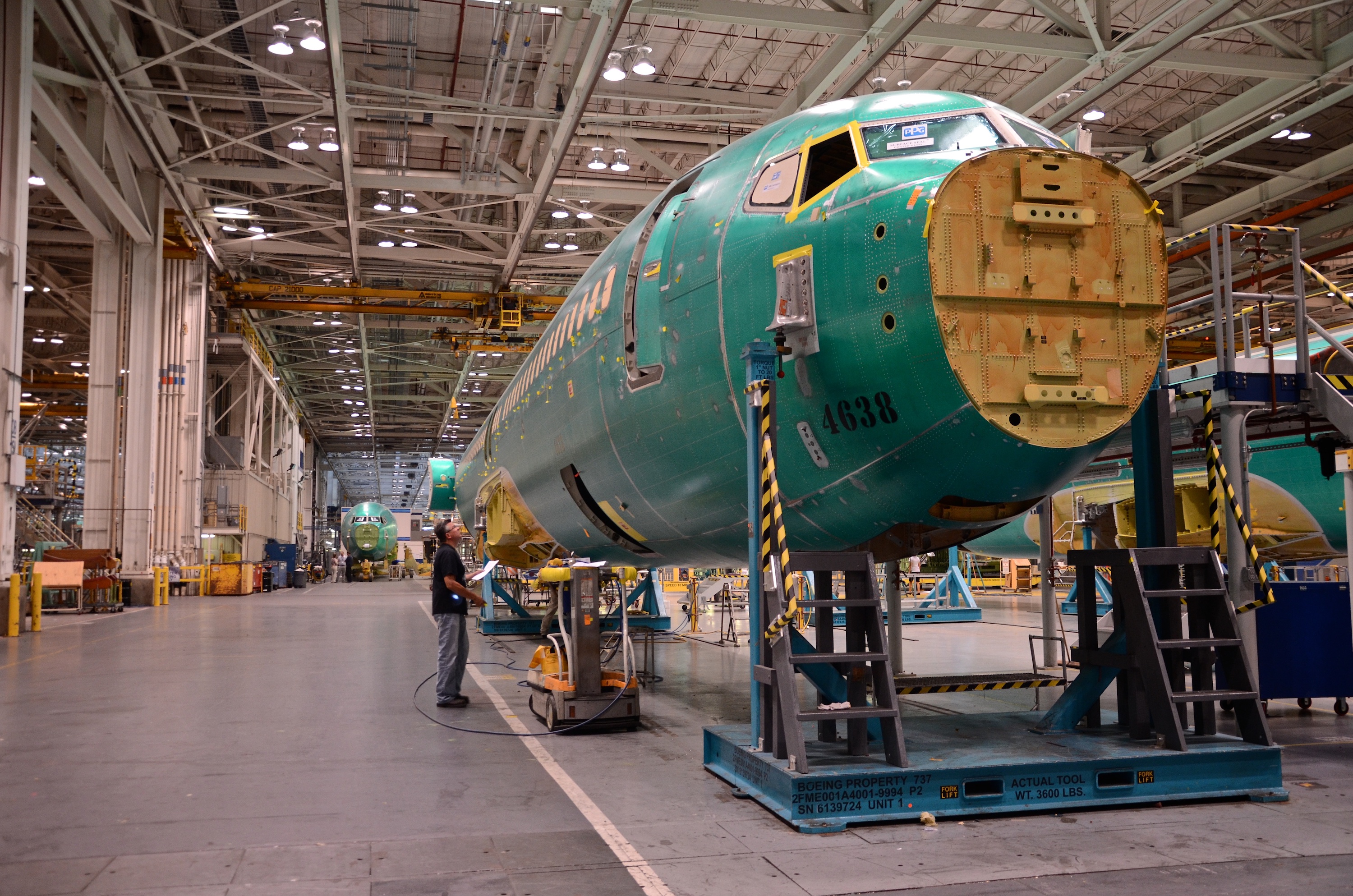
Boeing, one of the world's leading aircraft manufacturers, is currently grappling with supply chain disruptions that have significantly impacted the production of its 787 Dreamliner jets. This issue has resulted in a slowdown of production to below five units per month. As the company works to overcome these challenges and increase production rates, the situation sheds light on broader industry struggles and the pressures faced by manufacturers in meeting high demand from airlines.
Current Challenges
Supplier Delays
The primary challenge for Boeing has been delays from suppliers, which have caused a bottleneck in the production of the 787. Scott Stocker, Vice President and General Manager of the 787 program, highlighted that the company reduced its output earlier this year to allow suppliers to catch up. Stocker stated that Boeing aims to return to a production rate of five units per month by the end of the year as the supply of parts improves.
Quality Control Issues
Boeing has been under heightened scrutiny due to quality control issues. Earlier this year, a mid-air blowout of a door plug on a nearly new 737 MAX 9 was attributed to missing bolts, leading to increased regulatory oversight. The company is taking steps to enhance employee feedback and improve production quality for its widebody jets, including the 787 and the single-aisle 737 MAX.
Impact on the Farnborough Airshow
The Farnborough Airshow, scheduled from July 22 to 26, is set to occur under the shadow of these supply chain and production challenges. Despite robust travel demand, both Boeing and its European competitor Airbus are struggling to meet the strong demand for new jets due to ongoing supply chain issues.
Boeing's Response and Future Plans
Restoration of Production Rates
Boeing is optimistic about overcoming these hurdles and restoring production rates. The company has set a target to produce ten 787 Dreamliners per month by 2025-2026. Although Stocker did not provide a specific longer-term target, he indicated that Boeing plans to gradually increase production rates over the next several years.
Addressing Past Issues
In addition to current supply chain problems, Boeing is addressing past manufacturing flaws. The company halted deliveries of the 787 for over a year until August 2022 as the Federal Aviation Administration (FAA) investigated quality issues. Recently, Boeing has undertaken a comprehensive fleet analysis to address any unfinished or improperly completed work. This investigation, which began after an employee flagged missing tests, is still ongoing, but significant progress has been made.
Conclusion
Boeing's efforts to resolve supply chain delays and enhance production quality are crucial for meeting the growing demand for commercial jets. As the company navigates these challenges, the upcoming Farnborough Airshow will provide a platform to showcase its progress and future plans. The industry will be watching closely to see if Boeing can successfully ramp up production and maintain its position as a leading aircraft manufacturer.
With Inputs from Reuters
Read next
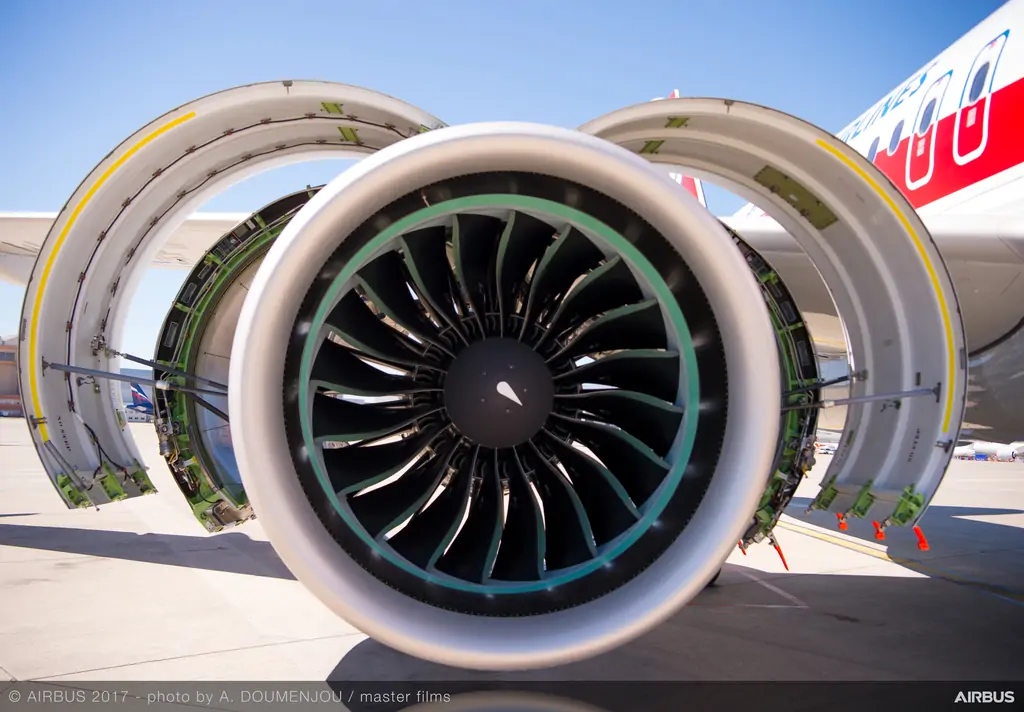
The aviation industry is facing a perfect storm. A worldwide shortage of parts, skilled labor, and new aircraft post-pandemic, combined with higher maintenance frequency for next-generation engines, has resulted in unprecedented wait times for engine maintenance. Airlines globally are feeling the strain, with demand and wait times projected to peak in 2026, according to a Reuters report.
The Parts and Labor Shortage: Straining MRO Providers
Maintenance, Repair, and Overhaul (MRO) providers are under immense pressure to keep up with increasing maintenance demands. The parts and labor shortage, exacerbated by the post-pandemic aviation boom, is stretching these providers thin. Jim Harris, co-leader of Bain's global Aerospace and Defense practice, emphasized the urgency of the situation, stating:
"Aircraft engine MRO demand is likely to experience a near-term peak in 2026 and remain constrained through the end of the decade. The next large surge in demand from new-generation engines will begin towards the end of 2030. Unless MRO companies act quickly to close this capacity gap, airlines will face higher costs to operate constrained fleets."
Soaring Turnaround Times for Next-Generation Engines
Turnaround times for next-generation engines like the Pratt & Whitney GTF and CFM International LEAP have soared to 150% higher than pre-pandemic values. Even legacy engine types have seen a 35% increase in maintenance turnaround times. This surge in demand and extended wait times pose a significant financial burden on airlines, further complicating their efforts to decarbonize air travel.
Older Aircraft and Slower Deliveries: A Compounded Problem
The slow delivery of new aircraft forces airlines to rely on older models, which often require more complex and time-consuming maintenance. The parts for these older aircraft are harder to source due to their age, further straining the MRO industry. The compounded problem of aging fleets and delayed new aircraft deliveries is a significant contributor to the current maintenance crisis.

MRO Business Boom Amidst Strain
Despite the challenges, the MRO business is booming. The Chief Executive Officer of Malaysian MRO firm Asia Digital Engineering (ADE) revealed plans to open a new hangar in August, highlighting the high demand for MRO services. However, Jim Harris warns that unless MRO companies can manage this demand, airlines will continue to face increased costs and operational constraints.
Regulatory Hurdles and Engine Issues
Regulatory pressures have forced Boeing to slow down aircraft production until quality controls are improved. Additionally, a significant engine issue with Pratt & Whitney's GTF engines has compounded the maintenance crisis. Contaminated powdered metal used in engine components has led to premature maintenance needs for nearly 1,200 engines, grounding approximately 350 aircraft annually through 2026.
Limited Engine Options: A Bottleneck
The limited availability of jetliner suppliers further exacerbates the engine maintenance problem. Many aircraft manufacturers offer only one or two engine options, limiting flexibility for airlines. For instance, the Airbus A320neo offers the LEAP-1A from CFM International and the GTF from Pratt & Whitney, while its competitor, the Boeing 737 MAX, is only available with the LEAP-1B engine.
Conclusion: Navigating the Turbulence Ahead
The global aviation industry is at a critical juncture. The parts and labor shortage, combined with increased maintenance demands and regulatory pressures, has created a challenging environment for airlines and MRO providers alike. As the industry navigates these turbulent times, swift action and innovative solutions will be essential to mitigate the impact of this maintenance crisis and ensure the continued growth of passenger travel.
As we approach 2026, the peak of engine maintenance demand, the aviation sector must brace for continued challenges and strive for resilience amidst adversity.
Read next
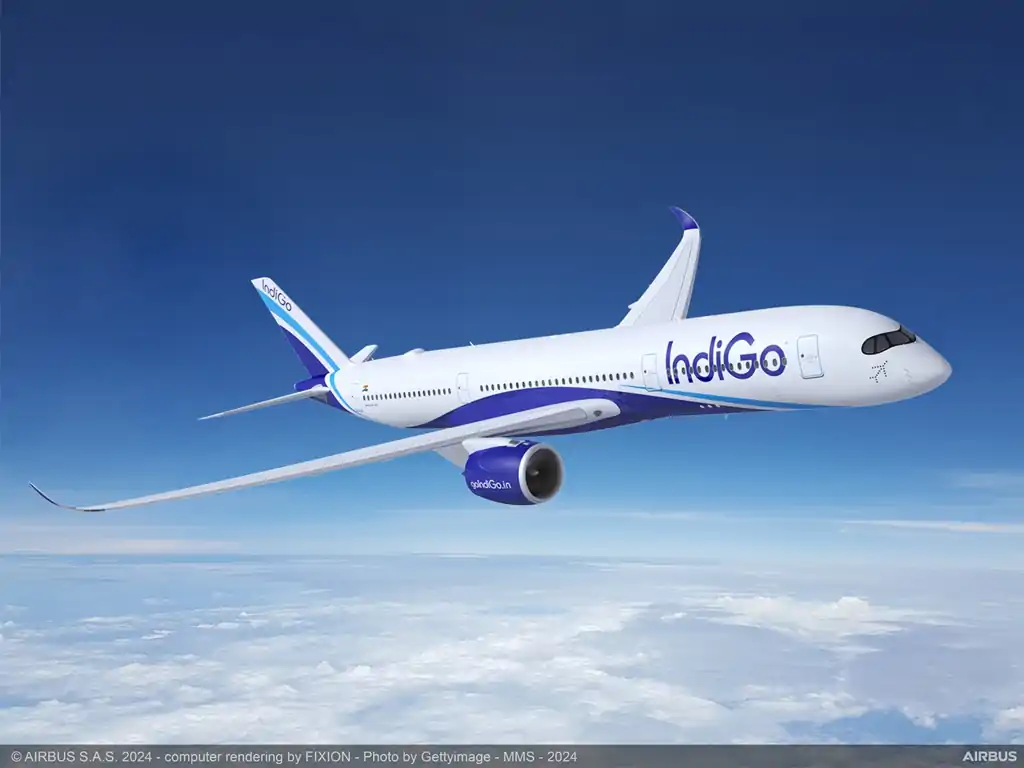
In a significant boost to its order book, Airbus has recently revealed that Air India and IndiGo have placed substantial orders for its aircraft. Air India's order includes 250 aircraft, comprising 210 A320 narrow-body planes and 40 A350 wide-body aircraft. Notably, Air India has already received six of the A350s. Meanwhile, IndiGo's commitment exceeds 1,000 aircraft, including 30 A350 state-of-the-art planes.
The Popularity of the Airbus A350
Operational Flexibility and Efficiency
The A350 Family is recognized as the world's most modern and efficient wide-body aircraft. It stands out in the 300–410-seater category, thanks to its advanced technologies and aerodynamics. This clean-sheet design offers the lowest cost per seat of any large wide-body aircraft, making it a preferred choice for long-haul flights.
Enhancing Passenger Comfort
The Airbus A350 features a state-of-the-art "Airspace" cabin, which is the quietest of any twin-aisle aircraft. This design not only enhances passenger comfort but also incorporates modern in-flight products to improve the overall flying experience.
Commitment to Sustainability
The A350's aerodynamic design and advanced technologies contribute to a 25% reduction in carbon emissions compared to previous-generation aircraft. This aligns with global sustainability goals and reflects the industry's move towards greener operations.
Significant Orders and Market Traction
Air India and IndiGo's Strategic Expansions

Air India's order of 40 A350s, with six already delivered, and IndiGo's order of 30 A350s, highlight the growing demand for this aircraft. Both airlines have also placed substantial orders for narrow-body aircraft to enhance their domestic and international operations.
Global Market Impact
As of June 2024, Airbus has secured 1,309 orders for the A350 from 61 customers globally, including 1,254 for passenger variants and 55 freighters. To date, Airbus has delivered 606 A350s to 40 operators, including 85 of the larger A350-1000 variant. The current backlog stands at 703 aircraft, comprising 648 passenger variants and 55 freighters.
Airbus's Production Strategy
Increasing Production Rates
Airbus is currently delivering six A350 aircraft per month but plans to ramp up production to meet growing demand. By 2028, the company aims to double its production rate to 12 aircraft per month. This increase is designed to ensure that supply aligns with market requirements.
Final Assembly Line
The Final Assembly Line (FAL) for the A350, located in Toulouse, France, involves a 9-stage process to complete each aircraft. This meticulous process ensures that each aircraft meets the high standards of quality and efficiency that the A350 Family is known for.
Conclusion
The surge in orders for the Airbus A350 from major airlines like Air India and IndiGo underscores the aircraft's appeal. Its operational flexibility, passenger comfort, and commitment to sustainability make it a standout choice in the aviation market. With Airbus increasing its production capacity, the A350 is poised to meet the growing demand and continue its success in the global market.
Comment