
Korean Air's Historic Merger with Asiana: What It Means for Global Aviation

Abhishek Nayar
13 Dec 2024
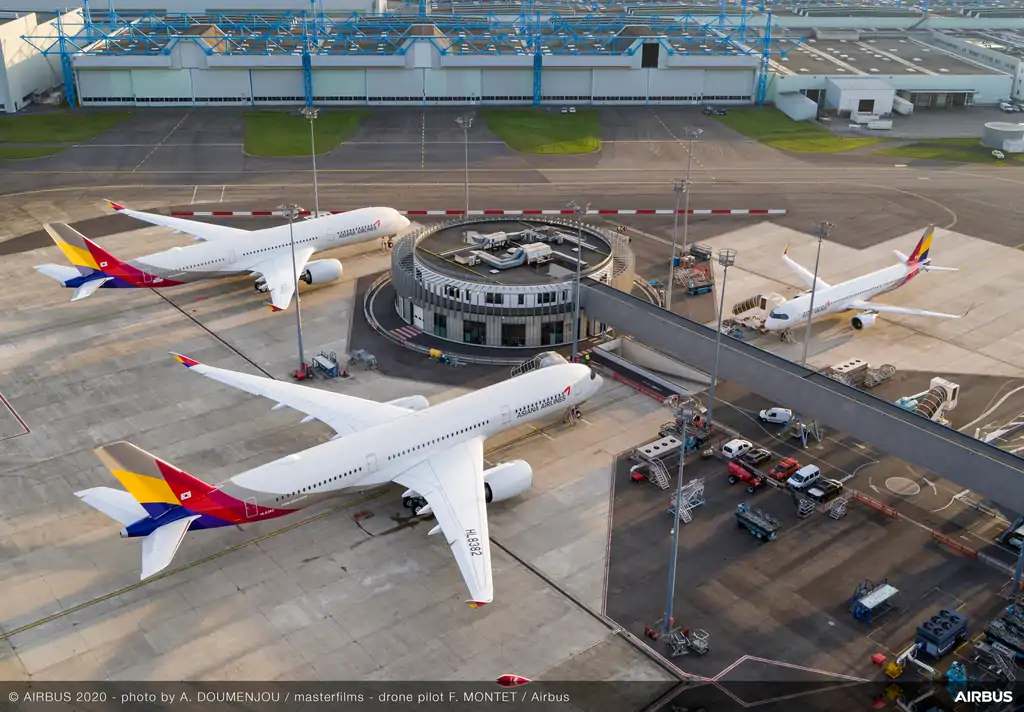
In a significant milestone for the aviation industry, Korean Air has officially completed its acquisition of Asiana Airlines, forming one of Asia's most prominent carriers. The $1.3 billion deal, finalized on Thursday, marks the culmination of a four-year-long process aimed at rescuing Asiana from financial turmoil and reshaping the landscape of global aviation.
The Journey of a Landmark Merger
The merger was first announced in 2020, during the peak of the COVID-19 pandemic, when Asiana Airlines faced plummeting demand and mounting debt. Korean Air stepped in with a bold plan to acquire its rival, navigating through years of regulatory hurdles and complex negotiations.
On Thursday, Korean Air acquired 131,578,947 newly issued shares in Asiana, securing a 63.88% stake and officially making Asiana a subsidiary of South Korea’s largest airline.
A New Aviation Giant Emerges
With this merger, Korean Air has positioned itself as a dominant force in the aviation sector. Together, the new Korean Air group will control over half of South Korea’s passenger capacity. Globally, it will rank as the twelfth-largest airline by international capacity, according to data analyzed by Cirium and OAG.
This move is expected to strengthen South Korea's competitiveness in the global aviation market, enabling the combined entity to expand its network and improve operational efficiency.
No Layoffs, Only Growth

In a reassuring move for employees, Korean Air confirmed that the integration will not result in layoffs. Instead, the company plans to accommodate staff in overlapping functions through reassignments, ensuring smooth transitions within the organization.
“The combined organization projects natural staff growth through business expansion,” Korean Air said in a statement, emphasizing its commitment to preserving jobs while scaling up operations.
Implications for Passengers
For travelers, the merger could mean enhanced connectivity, more competitive pricing, and improved service quality as the two airlines integrate their operations. The combined fleet and route networks are expected to open new opportunities for global travel while maintaining the high standards associated with both brands.
Challenges Ahead
Despite its promise, the merger comes with challenges. Integrating two major airlines requires careful coordination to align systems, cultures, and operations. Additionally, Korean Air must address regulatory concerns about potential monopolistic impacts on South Korea’s domestic market.
A Bold Move in a Recovering Industry
As the aviation industry continues to recover from the pandemic's impact, Korean Air’s strategic acquisition of Asiana marks a bold step towards innovation and resilience. By consolidating resources, expanding routes, and enhancing service, the new Korean Air group is poised to set benchmarks in the global aviation sector.
This merger is not just a lifeline for Asiana but a transformative moment for the industry—one that could redefine the future of air travel in Asia and beyond.
With Inputs from Reuters
Read next
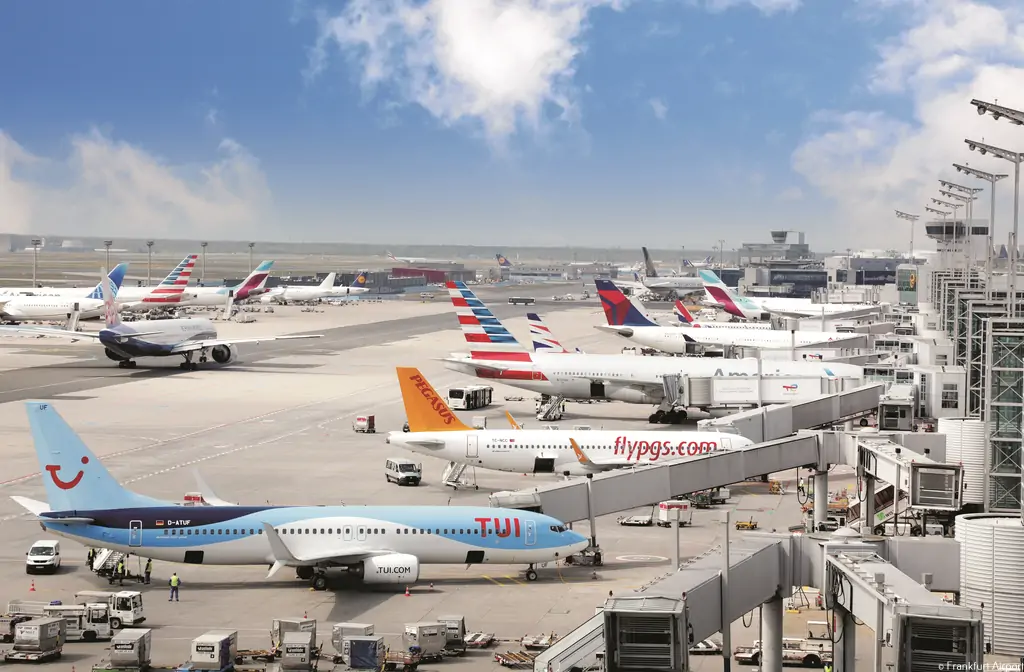
The global airline industry, once battered by the COVID-19 pandemic, is now on the verge of achieving an unprecedented milestone. Despite challenges in the global supply chain and a shortage of aircraft, experts forecast that airlines worldwide will generate over $1 trillion in collective revenue in 2025. This remarkable turnaround signals a robust recovery for the aviation sector.
Predictions by the International Air Transport Association (IATA)
The International Air Transport Association (IATA), a global body dedicated to airline safety and operational efficiency, recently revealed optimistic projections. According to IATA, airlines are expected to achieve revenues of $1.007 trillion in 2025, a significant leap from the $964 billion anticipated for 2024. This marks the first time the industry could cross the trillion-dollar threshold, a testament to its resilience and adaptability.
Profitability on the Rise
Revenue growth is not the only positive indicator. The global airline industry’s collective profit is also expected to rise, reaching $36.6 billion in 2025 compared to $31.5 billion this year. This profitability underscores the sector’s ability to navigate ongoing challenges, such as supply chain disruptions and aircraft shortages.
The Trump Factor: Industry Insights from Willie Walsh
Willie Walsh, IATA’s chief, highlighted the potential impact of political shifts on the airline industry. Speaking to reporters, Walsh suggested that a second Trump administration could benefit the sector, citing favorable policies during Trump’s first term. Walsh stated, “I would see the Trump administration as being a net positive for the industry,” though specific policy details were not provided.
Challenges Looming on the Horizon
While the trillion-dollar revenue forecast is promising, the aviation industry faces persistent hurdles:
Aircraft Shortages
Major manufacturers like Boeing and Airbus are grappling with supply chain disruptions and production quality issues, leading to delays in fulfilling aircraft orders. These challenges have forced airlines to scale back their network expansion plans.
Walsh expressed frustration, stating, “We’ve given them time. I think our patience has run out. The situation is unacceptable.” He called for increased pressure on suppliers to address these inefficiencies.
Supply Chain Disruptions
The pandemic’s impact on the global supply chain for aircraft parts and engines continues to hinder the industry’s growth. Despite recovery efforts, manufacturers struggle to meet escalating demand.
Bright Spots Amid the Challenges
Despite these obstacles, many airlines are reporting impressive financial performances:
Etihad Airways

Etihad Airways saw its profit surge by 66% to AED1.4 billion ($368 million) in the first nine months of 2024, driven by strong passenger and cargo revenues. CEO Antonoaldo Neves attributed the growth to effective strategies and a solid growth trajectory.
The Emirates Group

The Emirates Group recorded a pre-tax profit of $2.8 billion, with revenues rising 5% year-on-year to $19.3 billion. This growth reflects strong customer demand across its global operations.
U.S. Airlines
Major U.S. carriers have revised their revenue forecasts upward, anticipating robust passenger demand during the holiday season. This trend is expected to contribute significantly to the industry’s overall financial health.
The Path to a Trillion-Dollar Future
The airline industry’s projected trillion-dollar revenue milestone for 2025 is a remarkable achievement, showcasing its resilience and recovery despite numerous challenges. As airlines adapt to evolving market conditions, focus on operational efficiency, and capitalize on growing passenger demand, the future looks bright for this dynamic sector.
For aviation enthusiasts and stakeholders alike, 2025 could be the year the skies truly become the limit.
Read next

Air India has taken a significant leap forward in enhancing its passenger experience with the extension of its wireless inflight entertainment service, Vista Stream, to its single-aisle fleet. Already a hit on wide-body aircraft, this service promises to transform how passengers enjoy their journeys by offering seamless access to premium entertainment on personal devices.
A New Chapter in Entertainment Accessibility
Launched in August 2024, Vista Stream was initially available across Air India’s wide-body fleet, excluding the recently acquired Boeing 777 and Airbus A350 models. With its latest rollout, the service now spans both wide-body and narrow-body aircraft, catering to passengers on international and domestic routes.
This expansion ensures that more travelers can access a wide array of entertainment options, regardless of the aircraft they are flying in. It also reflects Air India’s commitment to providing state-of-the-art amenities to its customers.
What Vista Stream Offers
Passengers using Vista Stream can dive into over 1600 hours of curated content that caters to diverse tastes and preferences:
- Bollywood Blockbusters: Enjoy the latest hits and timeless classics from India’s vibrant film industry.
- Hollywood Favorites: From blockbuster franchises to critically acclaimed dramas, there’s something for everyone.
- Documentaries: Explore captivating stories, thought-provoking narratives, and visually stunning documentaries.
- Classic Tunes: Groove to iconic tracks spanning decades and genres.
- Children’s Programs: Engaging and age-appropriate content to keep younger travelers entertained.
Additionally, passengers can track their flight’s progress in real time with a live map feature, enhancing their travel experience further.
Seamless Compatibility for All Devices
One of Vista Stream’s standout features is its broad compatibility. The service supports a range of operating systems, including:
- iOS
- Android
- Windows
- macOS
This ensures that passengers can effortlessly stream content on their smartphones, tablets, or laptops without the need for specialized devices.
A Boost to Air India’s Reputation
The introduction of Vista Stream across its fleet is part of Air India’s larger vision to modernize its services and align with global aviation trends. By offering a world-class inflight entertainment solution, the airline is setting itself apart in the competitive aviation industry, enhancing passenger satisfaction, and reinforcing its image as a forward-thinking carrier.
What’s Next for Air India?
While the current rollout excludes the Boeing 777 and Airbus A350 aircraft, it’s likely that future updates will bring Vista Stream to these models as well. Air India’s focus on continuous improvement suggests more exciting developments in the pipeline for its passengers.
Conclusion
With Vista Stream, Air India is redefining inflight entertainment for its passengers. By providing a rich variety of content and ensuring compatibility across devices, the airline is elevating its service standards and making flights more enjoyable for travelers. Whether it’s a short domestic trip or a long-haul international journey, passengers can now immerse themselves in an entertainment experience like no other.
Read next
Why Did Boeing’s November Jet Deliveries Drop Sharply Amid Positive Developments?
Abhishek Nayar
12 Dec 2024

Boeing delivered only 13 commercial aircraft in November, marking a dramatic drop from the 56 jets delivered in the same month last year. The delivery count also fell from 14 in October, reflecting the ripple effects of a seven-week strike involving 33,000 factory workers that concluded on November 5. The strike disrupted production timelines and delayed the manufacturing and delivery of critical aircraft models.
Positive Signs Amid Challenges: 737 MAX Production Restarts

Despite the dip in deliveries, Boeing announced a significant milestone: the restart of 737 MAX production at its Renton facility near Seattle. After weeks of detailed planning and preparation, the company began loading fresh fuselages into the factory, signaling a return to normalcy for its best-selling jetliner. Boeing aims to ramp up production of the 737 MAX to 38 aircraft per month, a move critical for bolstering cash flow after burning billions in the first three quarters of the year.
Stock Market Response: A Positive Surge
Investors reacted optimistically to the production restart, with Boeing's stock climbing 4.5% on Tuesday. This reflects confidence in the company’s ability to recover from the operational disruptions and ongoing regulatory scrutiny.
The FAA’s Oversight and Safety Prioritization
Boeing continues to face heightened oversight from the U.S. Federal Aviation Administration (FAA) following a January incident in which a door plug detached from a new Alaska Airlines 737 MAX 9 during a flight. The planemaker has emphasized that it is taking a cautious approach to resuming production, focusing on quality, safety, and worker training. This deliberate strategy may partly explain November’s subdued delivery numbers.
Other Aircraft Production Updates
Boeing plans to resume production of its 767, 777, and 777X models at its Everett facility "in the days ahead," according to the company. Meanwhile, production of the 787 Dreamliner in South Carolina remained unaffected by the strike. However, only two 787s were delivered in November as Boeing contends with persistent supply chain issues.
Delivery Breakdown for November

November’s total of 13 deliveries comprised:
- Nine 737s
- Two 777 freighters
- Two 787-9 Dreamliners
United Airlines, a key Boeing customer, received two 737 MAX jets and one 787 during the month.
Order Activity: A Mixed Bag
Boeing recorded 49 gross orders in November, including 34 for the 737 MAX. However, the month also saw 14 cancellations, primarily driven by TUI Group’s decision to cancel MAX orders in favor of leasing aircraft from BOC Aviation. Despite this, the month netted an additional 20 new 737 MAX orders.
Year-to-date, Boeing has secured:
- 427 gross orders
- 370 net orders (after cancellations and conversions)
After further adjustments for accounting standards, net orders for 2024 stand at 191.
Looking Ahead: Boeing’s Road to Recovery
Boeing’s November results reflect the challenges of recovering from a protracted labor strike, managing supply chain disruptions, and navigating regulatory scrutiny. However, the restart of 737 MAX production and the cautious approach to quality and safety signal positive momentum. With plans to scale up production rates and stabilize operations, Boeing appears poised to regain its footing in the competitive aviation market.
Can Boeing successfully navigate its recovery while meeting growing demand for air travel? Only time will tell. For now, the planemaker’s commitment to safety and quality may pave the way for a stronger future.
With Inputs from Reuters
Read next

India’s aviation industry continues to soar to new heights, and Air India is leading the charge. The Tata Group-owned airline has unveiled a significant expansion of its fleet and maintenance capabilities, furthering its ambitions to become a global leader in air travel. With a focus on cutting-edge aircraft and state-of-the-art services, Air India’s latest announcements have sparked widespread interest in the aviation sector.
A Monumental Airbus Order
Air India has confirmed an additional order of 10 Airbus A350 widebody aircraft and 90 single-aisle A320 Family aircraft, bringing its total Airbus orderbook to an impressive 344 planes. This builds on the 40 A350 and 210 A320 Family aircraft ordered in 2023, solidifying Air India’s commitment to modernizing its fleet.
Notably, the airline began operating A350s in January 2024, marking a milestone as the first Indian carrier to introduce this widebody aircraft to the market.
What the Aircraft Bring to the Table
A350: The Long-Haul King

- Designed for flights up to 9,700 nautical miles, the A350 offers versatility across short-haul to ultra-long-haul routes.
- Incorporates the latest in aerodynamics, lightweight materials, and next-gen engines, achieving:
- 25% reduction in fuel burn and CO? emissions.
- 50% reduction in noise compared to older aircraft.
- Positioned as the world's most modern widebody aircraft in its category.
A321neo: Efficiency Meets Comfort

- Features new-generation engines and Sharklets, delivering:
- 20%+ fuel savings and CO? reduction.
- 50% noise reduction.
- Offers unparalleled passenger comfort with the widest single-aisle cabin in the skies.
Revolutionizing Fleet Maintenance with FHS-C
To support its expanding fleet of A350s, Air India has selected Airbus’ Flight Hour Services-Component (FHS-C). This maintenance solution ensures maximized aircraft availability and cost savings, allowing Air India to maintain operational efficiency.
Key Benefits of FHS-C
- Access to regional spares pools and repair engineering services.
- On-site stock available at Delhi, streamlining maintenance.
- Guaranteed service levels for seamless fleet management.
Guillaume Faury, Airbus CEO, expressed confidence in the partnership, stating, “Through this continued collaboration, we are committed to supporting Air India’s ‘Vihaan.AI’ transformation plan under Tata’s vision.”
Driving Growth in Indian Aviation
This aggressive fleet expansion aligns with Air India’s transformation strategy, “Vihaan.AI”, which aims to position the airline as a world-class carrier connecting India globally. With an expanding middle class and robust infrastructure development, India is outpacing global passenger growth rates, presenting a compelling case for investment.
Natarajan Chandrasekaran, Chairman of Tata Sons and Air India, remarked, “These additional 100 Airbus aircraft will contribute to our mission of building Air India into a world-class airline that connects India to every corner of the world.”
A Bright Future for Air India
With its bold fleet modernization plans and commitment to sustainability, Air India is poised to redefine global travel standards. Leveraging the latest in aerospace technology and a strategic vision for growth, the airline is well on its way to becoming a leading name in the aviation industry.
This move not only underscores Air India’s ambitions but also highlights the pivotal role India is playing in the future of global aviation.
With Inputs from Airbus
Read next

SriLankan Airlines has taken a significant leap forward by revamping its frequent flyer programme website, FlySmiLes, offering a seamless and enhanced experience to its nearly 800,000 global members. The upgraded platform introduces user-friendly features and intuitive functionalities designed to make accessing rewards and managing memberships easier than ever before.
A Revolutionary Platform for Frequent Flyers

The new FlySmiLes website is not just a facelift but a fully reimagined digital experience. Dimuthu Tennakoon, Head of Worldwide Sales and Distribution at SriLankan Airlines, emphasized the airline’s focus on customer satisfaction, stating,
“The new FlySmiLes’ website exemplifies our unwavering commitment to delivering a superior customer experience. It marks a significant step forward in how we engage with and reward our loyal customers.”
Developed entirely in-house, the platform is a testament to SriLankan Airlines’ commitment to innovation and user-centric design. Chamara Perera, Group Head of Information Technology, highlighted,
“This project reflects the remarkable talent and innovation within our airline. By integrating cutting-edge technology, the website strikes the perfect balance between practicality and aesthetics.”
Exciting Features to Enhance User Experience

The revamped FlySmiLes website introduces several features aimed at making every interaction smoother:
Personalized Dashboard
Members can now access a personalised dashboard that displays their FlySmiLes miles balance and tracks their membership tier progress.
Seamless Miles Management
Buying, transferring, and gifting miles has never been simpler. The streamlined process ensures that members can manage their miles effortlessly.
Easy Redemption and Voucher Management
From requesting to redeeming, modifying, or cancelling redemption vouchers, everything can be done with just a few clicks. Members can also access additional vouchers for lounge access, excess baggage, and more, including offers from non-airline partners.
Enhanced Security and Accessibility
The website integrates social login options via Google and Facebook, alongside secure OTP-enabled transactions. It supports a range of payment options, including American Express, Visa, and MasterCard.
Membership Tiers and Exclusive Rewards

FlySmiLes caters to a diverse membership base with its tiered programme:
- Platinum, Gold, Classic, and Blue Memberships: Designed to cater to frequent flyers with varying travel needs.
- Silver Membership: Exclusively available for SriLankan Airlines’ co-branded credit cardholders.
As a member of the oneworld® Alliance, FlySmiLes connects its members to a global network of benefits. This includes access to over 600 lounges in 1,000+ destinations worldwide and the ability to earn and redeem miles across oneworld member and partner airlines.
A Glimpse Into the Future of Travel Rewards
SriLankan Airlines has set a new benchmark for frequent flyer programmes with this state-of-the-art website. By focusing on simplicity, security, and inclusivity, FlySmiLes ensures that its members enjoy unparalleled privileges and a hassle-free experience, both in the air and beyond.
To explore the revamped features and unlock new travel benefits, visit the official FlySmiLes website.
Comment