

Navigation has always been a critical aspect of human civilization. From ancient seafarers to modern-day travelers, accurate positioning has been crucial for exploration, trade, and daily life. Traditional navigation methods relied on celestial bodies, landmarks, and compasses, which had their limitations in terms of accuracy and precision.
In the world of aviation, technological advancements continue to shape the way aircraft navigate and land safely. One such advancement is the introduction of Satellite-Based Augmentation Systems (SBAS). This revolutionary technology has the potential to replace traditional landing systems and enhance the precision, accuracy, and safety of aircraft operations.
Understanding SBAS
Definition and Overview
SBAS stands for Satellite-Based Augmentation System. It is a technology that enhances the performance of Global Navigation Satellite Systems (GNSS) by providing additional correction and integrity information to aircraft receivers. GNSS, such as GPS (Global Positioning System), allows aircraft to determine their position accurately using signals from satellites. SBAS complements GNSS by improving its accuracy, availability, and integrity.
How SBAS Works
SBAS works by deploying a ground-based reference station network that receives satellite signals and monitors their accuracy. These stations collect data and transmit correction messages to geostationary satellites, which then broadcast the corrections to aircraft receivers. By receiving these correction messages, aircraft can refine their position calculations and navigate more accurately.
SBAS Architecture
SBAS operates through a network of ground reference stations, master control centres, and geostationary satellites. The ground reference stations collect data from GNSS satellites and monitor their signals. This data is transmitted to the master control centres, which calculate the corrections and integrity parameters. The corrected data is then uplinked to the geostationary satellites, which broadcast the information to user receivers.
SBAS Components
The components of an SBAS system include:
Ground Reference Stations: These stations receive signals from GNSS satellites and collect data on signal errors caused by atmospheric effects and other factors.
Master Control Centres: These centres process the collected data, calculate the corrections, and generate augmentation messages.
Geostationary Satellites: These satellites receive the augmentation messages from the master control centres and broadcast them to user receivers.
Evolution of Landing Systems
Traditional Landing Systems
Traditional landing systems, such as Instrument Landing Systems (ILS), have been widely used for decades to assist pilots during approach and landing. ILS relies on ground-based radio signals to provide horizontal and vertical guidance to aircraft. While effective, ILS has certain limitations and constraints, including the need for extensive ground infrastructure and vulnerability to environmental factors.
Limitations and Challenges
ILS and other conventional landing systems face challenges related to signal interference, limited coverage in remote areas, and the need for regular maintenance. Additionally, these systems have limitations in terms of accuracy and precision, particularly during adverse weather conditions. These limitations have led to the exploration of alternative technologies, such as SBAS, that can overcome these challenges.

The Role of SBAS in Aviation
Advantages of SBAS
SBAS offers several advantages over traditional landing systems:
Enhanced Navigation and Precision: SBAS provides highly accurate positioning information to aircraft, allowing for precise navigation during all phases of flight, including approach and landing.
Improved Safety and Efficiency: With SBAS, pilots can access reliable vertical and horizontal guidance, even in challenging weather conditions. This enhances safety and reduces the likelihood of accidents.
Increased Accessibility: SBAS can extend precise navigation availability to regions lacking ground-based infrastructure, such as remote areas or oceanic airspace.
Cost-Effectiveness: Compared to traditional landing systems, SBAS requires less ground infrastructure and maintenance, making it a cost-effective solution for airports and airspace authorities.
Enhanced Navigation and Precision
SBAS augments GNSS signals by providing integrity monitoring and correction messages. This enables pilots to fly more accurate and predictable flight paths, resulting in safer and more efficient operations. The precise positioning information from SBAS enhances aircraft guidance, reduces the workload for pilots, and improves overall situational awareness.
Improved Safety and Efficiency
By providing accurate and reliable guidance, SBAS enables pilots to perform approaches and landings even in adverse weather conditions. This helps reduce the risk of accidents and improves operational efficiency by minimizing delays and diversions due to weather-related limitations. SBAS also allows for steeper approaches, reducing airport noise and environmental impact.
Implementation of SBAS

Global Navigation Satellite Systems (GNSS)
SBAS relies on existing GNSS systems, such as GPS and other compatible systems like Galileo and GLONASS. These satellite constellations provide the primary positioning information, while SBAS complements them with integrity and correction data.
Ground-based Infrastructure
To establish an SBAS, a network of ground reference stations is required. These stations monitor GNSS signals, collect data, and generate correction and integrity information. The corrections are then transmitted to geostationary satellites, which broadcast the information to aircraft.
Collaborative Efforts and Partnerships
The implementation of SBAS requires collaboration among various stakeholders, including governments, aviation authorities, satellite operators, and technology providers. Partnerships are essential to ensuring the availability and interoperability of SBAS across different regions and airspace.
SBAS Landing Systems

- 2015 Airbus introduced the SBAS Landing System (SLS) on its A350 aircraft, enabling precise CAT1 approaches in reduced visibility conditions.
- Airbus collaborated with the European Union (EU) to develop and certify SLS technology for the A320 Family, with funding from the EU's Connecting Europe Facility (CEF) program.
- In June 2022, the first SLS-equipped single-aisle aircraft was delivered to easyJet, and deliveries of SLS-equipped aircraft are ongoing.
- The SLS technology in Europe relies on the European Geostationary Navigation Overlay Service (EGNOS), which provides satellite-based augmentation signals for accurate vertical trajectory guidance during final approaches.
- Airbus operators can also use SLS technology in other regions with equivalent geostationary SBAS constellations, such as the Wide-Area Augmentation System (WAAS) in the US, the Michibiki Satellite-Based Augmentation System (MSAS) in Japan, and GPS-Aided GEO Augmented Navigation (GAGAN) in India.
- This collaboration and utilization of SBAS constellations enhance precision and safety in aircraft navigation, particularly in challenging visibility conditions.
GAGAN: The Indian SBAS
Definition
GPS-aided geo-augmented navigation (GAGAN) is an SBAS developed by the Indian Space Research Organization (ISRO) and the Airports Authority of India (AAI). GAGAN specifically caters to the aviation industry's needs and provides precision navigation services over Indian airspace and adjoining regions.
GAGAN Development
GAGAN was developed as a joint venture between ISRO and AAI to enhance the safety and efficiency of air navigation in Indian airspace. The system became fully operational in 2019, covering the Indian Flight Information Region (FIR) and surrounding areas.
GAGAN Features
Enhanced Accuracy: GAGAN provides positioning accuracy of up to one meter, making it highly reliable for critical applications such as aviation, maritime navigation, and surveying.
Improved Reliability: The system offers increased reliability and integrity by providing real-time information about the accuracy and quality of navigation data.
Increased Safety: GAGAN's high accuracy and integrity are crucial in improving safety during aircraft operations, especially during critical phases such as takeoff, landing, and navigation in challenging terrain.
Cost-Effective: GAGAN eliminates the need for ground-based navigation aids, reducing infrastructure costs for airports and navigation service providers.
Challenges and Considerations
Technical and Regulatory Challenges
The implementation of SBAS faces technical challenges, including the need for precise and synchronized reference station networks, signal interference mitigation, and data integrity. Regulatory aspects, such as certification and standardization, must also be addressed to ensure the safe and seamless integration of SBAS into aviation systems.
Training and Adoption
The successful adoption of SBAS depends on training pilots, air traffic controllers, and ground support personnel to effectively utilize the technology. Education and awareness programs are crucial to ensuring a smooth transition and maximizing the benefits of SBAS implementation.
The Future of SBAS
Integration with Next-Generation Systems
SBAS is expected to integrate future air navigation systems, such as Performance-Based Navigation (PBN) and Automatic Dependent Surveillance-Broadcast (ADS-B). These technologies will further enhance aircraft navigation capabilities and improve overall airspace efficiency.
Potential Applications
Apart from approach and landing operations, SBAS has the potential to support various other aviation applications, including en-route navigation, search and rescue operations, and unmanned aerial systems. The versatility of SBAS makes it a valuable asset for the future of aviation.
Conclusion
SBAS, or Satellite-Based Augmentation Systems, is a game-changing technology in the aviation industry. By augmenting existing GNSS signals, SBAS enhances aircraft navigation's precision, accuracy, and safety. It offers numerous advantages over traditional landing systems, including improved navigation, increased safety, and cost-effectiveness. While the implementation of SBAS poses challenges, collaborative efforts and technological advancements are paving the way for a future where SBAS replaces traditional landing systems and revolutionizes aviation operations worldwide.
With Inputs from Airbus

Read next

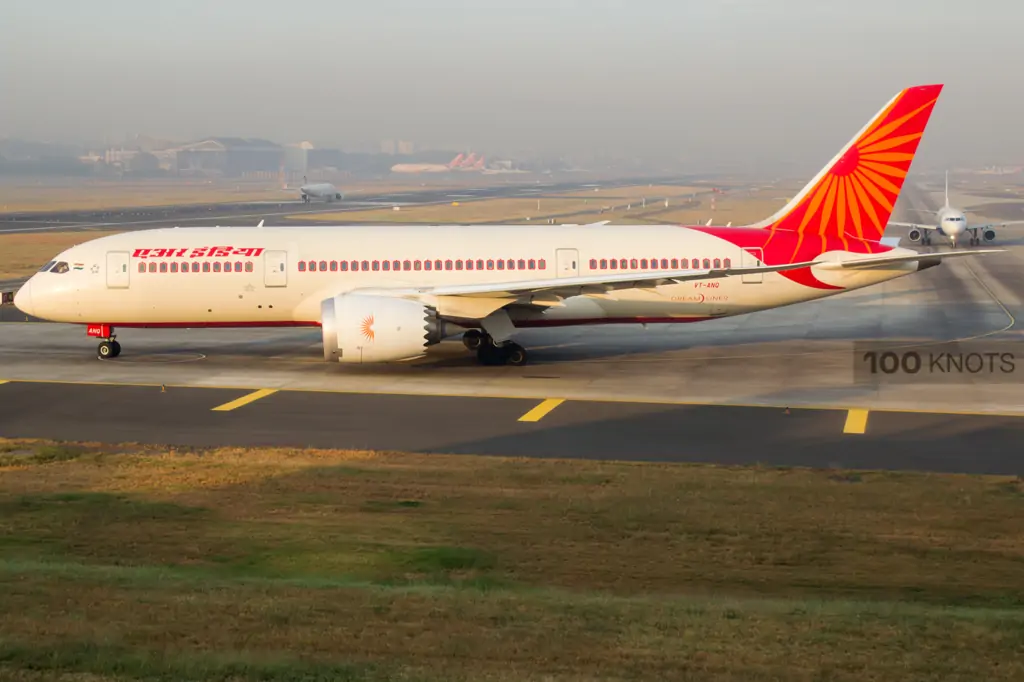
Tata-owned Air India incurred losses amounting to around INR 7,000 crore in FY23 due to impairments related to faulty aircraft and engines, as well as the low-cost airline AirAsia India. However, executives noted that the losses have decreased, and the carrier achieved positive EBITDAR (earnings before interest, taxes, depreciation, amortisation, and restructuring or rent costs) at the operational level.
A media report by The Economic Times while citing an individual familiar with the situation stated that Air India and its subsidiary Air India Express achieved positive EBITDAR and came close to breaking even after covering lease rentals in the initial year in FY23. The individual estimated that the net loss amounted to slightly over INR 2,500 crore, a decrease compared to the INR 9,556 crore loss in FY22.
The write-offs were primarily attributed to Air India's impaired aircraft and engines, with AirAsia Bhd, the former joint venture partner, assuming responsibility for the remaining losses incurred by AirAsia India. Despite the write-offs, Air India's financials for the year ending in March were deemed healthy by executives. The new management has been focusing on operational efficiencies and cost savings, resulting in positive outcomes, the publication added.
Write-Offs & Mergers
Air India bore a significant portion of the write-off related to AirAsia India, while the remaining amount was absorbed by AirAsia, its former joint venture partner. Despite the write-offs, Air India's financial situation in the fiscal year ending in March was deemed healthy by executives due to the management's focus on operational efficiency and cost reduction. Impairment costs totalling over INR 1,500 crore were attributed to AirAsia India, while around INR 5,000 crore stemmed from Air India's old planes and engines.
The Tata Group assumed control of Air India in January 2022 after its privatisation. The group is presently in the process of consolidating its aviation units, with Air India Express merging with AirAsia India and Vistara merging with Air India. The Competition Commission of India (CCI) has recently issued a show-cause notice to Air India, which questions the airline's proposed merger with Vistara and seeks an explanation as to why an investigation should not be conducted. The Tata Group has reportedly been given 30 days to respond to the CCI notice and obtain approval for the merger of its airlines without triggering an investigation.
An official commented that the airline required substantial restructuring, and the magnitude of the losses indicates that the plan is yielding results. Officials clarified that a positive EBITDAR indicates profitability at the operational level, excluding expenses like taxes, rent, and restructuring costs, the media report added. Top executives emphasised that the airline maintains a steadfast focus on both cost reduction and safety, considering both factors to be of paramount importance.
The executive mentioned in the report stated that there are plans to auction off or scrap numerous aircraft, prioritising safety. They emphasised Air India's dedication to modernising aircraft and systems while maintaining a strong focus on safety, even as cost reduction is achieved through technology-driven modernisation. The airline currently faces the challenge of lease rentals for several grounded aircraft that do not generate revenue. To address this, a budget of USD 400 million has been allocated for the revitalisation and refurbishment of old aircraft.
Dealing with the Losses
On a standalone basis, the airline reported a net loss of INR 9,556.5 crore and net revenue of INR 19,815.9 crore in FY22. In FY21, it recorded a net loss of INR 7,017.4 crore with revenue of INR 12,104 crore. Tata Sons has implemented various measures to enhance revenue generation and reduce costs.
Campbell Wilson, CEO of Air India, who has been tasked with transforming the airline is establishing a new operational structure. The airline is working on improving systems and processes to ensure on-ground efficiency while closely monitoring daily losses. Wilson's objective is to cultivate a customer-centric and service-oriented culture. There has been a gradual improvement in operational yield, particularly on international routes, with increased activity in both domestic and global travel. An executive disclosed that the airline has seen a 25% improvement in unit revenue while increasing passenger load by 5%.
(With Inputs from The Economic Times)
Read next
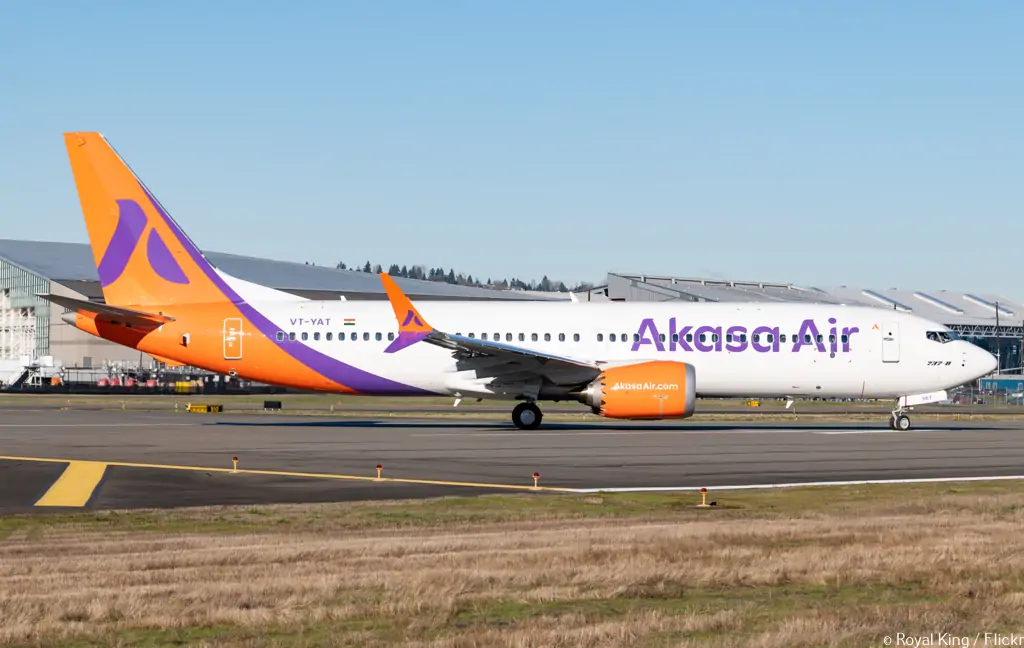
According to Akasa Air boss, Vinay Dube, the airline is ready to place a mammoth aircraft order by the end of the year, with their finances looking right for a triple-digit purchase. Dube says Akasa Air is "well capitalised," as it prepares to complete one year of flying next month, with performance “exceeding expectations". As of now, the new carrier has 19 aircraft available to it, with another one set to be inducted this month. The addition of the 20th craft will make Akasa eligible for international operations.
"I think we are adequately funded. We were adequately funded to order 72 aircraft. We are adequately funded to add 4 more aircraft on top of that were adequately funded to place another three-digit aircraft order between now and the end of this year," the founder and Chief Executive Officer of Akasa Air told PTI in an interview.
Akasa has been rapidly growing since its inception, having recently placed an order with Boeing for four aircraft, in addition to 76 aircraft placed earlier. Dube's assertions come in light of Indian carriers Air India and IndiGo placing mammoth orders for aircraft in the past few months. IndiGo has placed an order for 500 aircraft from Airbus, while Air India has placed an order for 470 aircraft from both Boeing and Airbus.
"I don't think, we get caught up in whether we're going to grow a little faster or slow. That's not what we're chasing, we're chasing sustainability, we are chasing the fact that we want to build an airline that will stand the test of time," Dube told PTI. Akasa's boss is looking ahead with optimism, telling PTI that his airline "looks like one with 76 aircraft, an airline that has multiple international gateways that we fly to, will look like an airline that has the highest levels of customer service," by March 2027.
As of May, Akasa Air holds a 4.8% share of the domestic aviation market. "We are very, very happy to be at the stage that we are at. So, I think there is a lot of growth coming," Dube adds. Talking of growth, the airline chief said that mathematically, Akasa will grow faster. "And mathematically, when you go from zero aircraft to one aircraft, or one aircraft to two aircraft, the percentages will be naturally higher. We can grow much faster, just because we're smaller. That's mathematically the answer," Dube noted.
On international operations, Dube said that first the required air traffic rights have to be in place and then slots have to be finalised with the airports where it plans to operate to. "There's no airline in the history, the 120-year history of global aviation, that has gone from zero to 19 aircraft in the period that we have gone through. We are very pleased with the progress we have made in the last year," Dube said.
Dube believes that the aviation industry is entering a “golden era,” with an anticipated increase in the number of aircraft and airports in the next 15 to 20 years. Akasa Air is positioned to capitalise on this growth. Dube pointed out that due to their smaller size, their growth percentages may appear higher, but the airline aims to expand at a sustainable pace.
Once Akasa Air reaches a fleet size of 20 aircraft, it will become eligible to operate international flights. However, Dube explained that air traffic rights and airport slots need to be finalized before initiating global operations. Despite the challenges, Dube expressed satisfaction with the airline’s progress and highlighted their achievement of rapidly growing from zero to 19 aircraft within a short period.
Akasa Air is also focused on expanding its workforce and anticipates employing 3,500 individuals by the end of 2023. Dube expressed confidence in the government’s commitment to infrastructure development, expecting that it will keep up with the increasing demand for air travel.
Akasa Air's route network covers many destinations within and outside India. The airline's focus on connecting South Asia, particularly the Middle East, Southeast Asia, Sri Lanka, Nepal, and Bangladesh, underscores its determination to cater to the region's travel needs. By expanding its international routes, Akasa Air aims to facilitate seamless travel for both business and leisure passengers.
Read next

Sri Lanka, an island nation with a rich cultural heritage and natural beauty, has the potential to leverage its aviation industry for economic development. The IATA's call to expand the aviation sector reflects the organization's recognition of the country's favorable geographic location and the benefits it can bring through increased air travel.
The Importance of Expanding the Aviation Industry
The aviation industry serves as a catalyst for economic growth and prosperity in many countries. By developing a robust aviation sector, Sri Lanka can unlock a range of benefits, including job creation, increased tourism, enhanced trade, and improved connectivity with other nations. Moreover, the expansion of the aviation industry would contribute to the overall development of infrastructure and attract foreign investments.
Philip Goh, IATA's Regional Vice President for Asia-Pacific, made the announcement during Aviation Day Sri Lanka, an event structured by the organization in collaboration with the Civil Aviation Authority of Sri Lanka (CAASL). In his speech, Goh identified three crucial areas for the South Asian nation to consider: encouraging growth, safety, and sustainability.
Facilitating Growth in Sri Lanka's Aviation Industry
To capitalize on the potential benefits of a thriving aviation industry, Sri Lanka needs to focus on several key strategies. These strategies can help unlock the country's economic potential and create a sustainable framework for growth. Some of the crucial steps that Sri Lanka should consider include:
Developing State-of-the-Art Infrastructure
Investing in modern infrastructure is essential to supporting the growth of the aviation sector. Sri Lanka should prioritize the development and enhancement of airports, runways, and terminal facilities. By providing world-class infrastructure, the country can attract more airlines, increase passenger traffic, and boost tourism.
Enhancing Air Connectivity
Improving air connectivity is vital for Sri Lanka to become a regional aviation hub. The nation should focus on establishing direct flights to key international destinations, expanding existing air routes, and fostering partnerships with global airlines. This will not only facilitate trade and tourism but also enhance Sri Lanka's accessibility for both businesses and travelers.
Encouraging Investment in the Aviation Sector
To stimulate growth, Sri Lanka needs to create an attractive investment environment for aviation-related businesses. This can be achieved by offering incentives, reducing bureaucratic hurdles, and providing a transparent regulatory framework. Attracting foreign investments and fostering domestic entrepreneurship will bring in new technologies, expertise, and employment opportunities.
Ensuring Safety in Sri Lanka's Aviation Industry
Safety is paramount in the aviation industry. To establish a robust and trustworthy aviation sector, Sri Lanka should prioritize safety measures and comply with international standards. Some of the key steps in ensuring safety include:
Strengthening Regulatory Oversight
The Civil Aviation Authority of Sri Lanka (CAASL) should reinforce its regulatory oversight by adopting best practices and stringent safety regulations. Regular audits, inspections, and certifications will help maintain high safety standards and build confidence among passengers and airlines.
Enhancing Training and Skill Development
Investing in training programs for pilots, engineers, air traffic controllers, and other aviation professionals is crucial to maintaining a skilled workforce. Sri Lanka should establish partnerships with renowned aviation academies and institutes to provide quality education and training opportunities for aspiring aviation professionals.
Implementing Advanced Safety Technologies
Embracing advanced safety technologies, such as improved air traffic control systems, enhanced surveillance systems, and state-of-the-art aircraft maintenance practices, will further strengthen Sri Lanka's aviation industry. These technologies can minimize risks and ensure the highest level of safety for passengers and cargo.
Promoting Sustainability in Sri Lanka's Aviation Industry
Sustainable development is an integral part of any industry in the modern era. Sri Lanka should prioritize environmental stewardship and adopt sustainable practices within its aviation sector.
Investing in Renewable Energy
Encouraging the use of renewable energy sources, such as solar power, for airport operations and facilities can significantly reduce the carbon footprint of the aviation industry. Sri Lanka should explore partnerships with renewable energy providers and implement energy-efficient technologies to minimize its environmental impact.
Implementing Green Policies
Enforcing strict environmental regulations, including emission controls, waste management, and noise reduction measures, will help mitigate the negative environmental effects of aviation. Sri Lanka should work closely with international organizations and adopt green policies and practices to ensure a sustainable aviation industry.
Supporting Research and Development
Investing in research and development (R&D) initiatives focused on sustainable aviation technologies and biofuels can pave the way for a greener aviation industry in Sri Lanka. By promoting innovation and R&D collaborations, the country can position itself as a leader in sustainable aviation practices.
Conclusion
In conclusion, the International Air Transport Association's call for Sri Lanka to expand its aviation industry presents a significant opportunity for the nation's economic growth and prosperity. By focusing on facilitating growth, ensuring safety, and promoting sustainability, Sri Lanka can create a thriving aviation sector that drives economic development, enhances connectivity, and fosters sustainable practices. Embracing this blueprint for success will not only benefit Sri Lanka's aviation industry but also contribute to the overall progress of the nation.
With Inputs from Economic Times
Read next
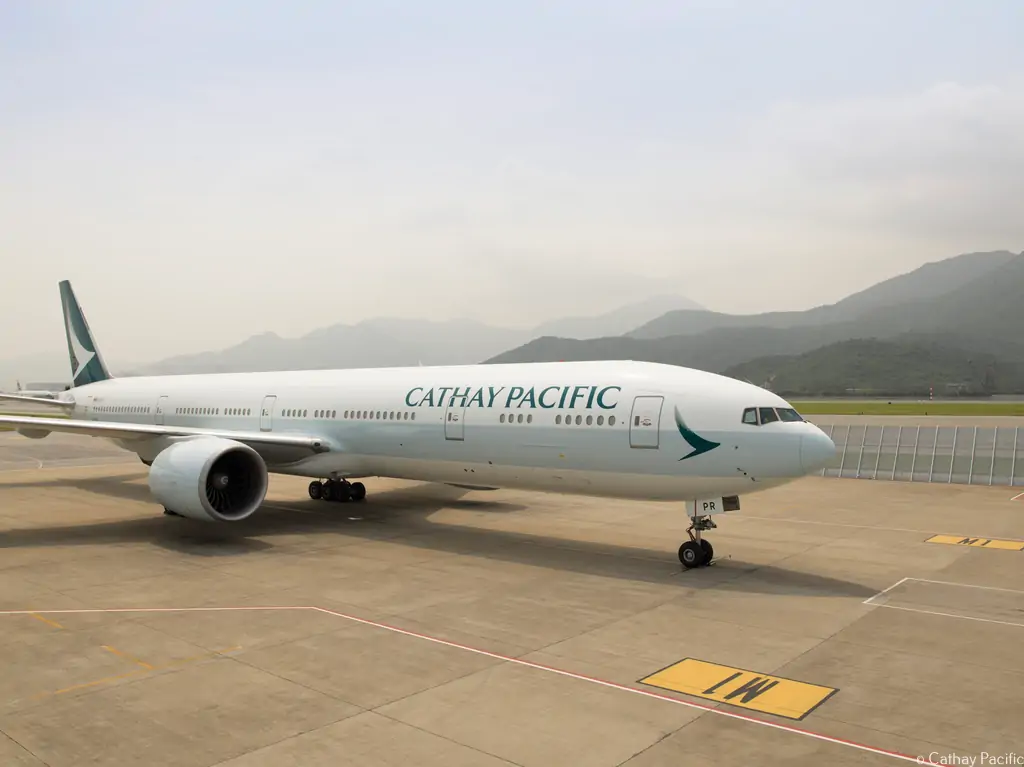
In the ever-evolving aviation industry, Cathay Pacific has been navigating through challenging times in recent years. However, the company's positive projections for the first half of 2023 signify a turning point, instilling confidence in its stakeholders.
Projected Turnaround for Cathay Pacific
Cathay Pacific's projected consolidated profit of HK$4.0-4.5 billion ($508-$571 million) for the first half of 2023 is a testament to the airline's resilience and strategic initiatives. This positive shift is expected to result from several factors, including the gradual recovery of the global aviation industry, effective cost management, and enhanced operational efficiency. The company's ability to adapt to the changing landscape, combined with the implementation of various measures to optimize its performance, has played a crucial role in this anticipated turnaround.
Cathay Pacific handled 1.55 million passengers in June with an 88% load factor, much above the 150,000 it carried in June 2022 at a 67% load factor. However, reflecting Lam's opinion that there is still a long way to go in June 2019, the airline group transported 3.1 million passengers at an 86.7% load factor, about twice the volume from the previous month.
Employee Benefits and Incentives
Recognizing the invaluable contribution of its employees, Cathay Pacific has announced a series of enticing benefits and incentives. These measures not only serve as a token of appreciation but also aim to motivate and retain their workforce, fostering a sense of loyalty and dedication.
Eligible Pay for All Employees
All employees who joined Cathay Pacific on or before December 31, 2022, will receive two weeks of eligible pay. This demonstrates the company's commitment to supporting its staff members and ensuring their financial stability.
Additional Pay for Special Leave Participants
Employees who participated in a Special Leave Scheme or equivalent between 2020 and 2022 and have been continuously employed since then will be eligible for an additional four weeks of eligible pay. This provision acknowledges the challenges faced by the workforce during unprecedented times and serves as a gesture of appreciation for their commitment to the company.
New Profit-Sharing Scheme
To align the interests of its employees with the company's performance, Cathay Pacific will introduce a new profit-sharing scheme covering 2023-2025. The details of this scheme will be shared with employees in August, further strengthening the bond between the airline and its dedicated workforce.
Comments
According to CEO Ronald Lam, the firm has observed a pattern of continual progress, and its financial condition is strong, indicating that the airline is on the right track. "Over the three years of the pandemic, we recorded losses totaling approximately HK$33.7 billion [$4.3 billion], and the reality is that we are only halfway through our journey to rebuild Cathay."
"It has always been our culture to thank our people for their dedication and support." To that end, I am pleased to announce a Special Appreciation Reward of up to six weeks of qualifying pay for individuals who have remained with us during the epidemic, which will be paid in the September payroll."
Conclusion
Cathay Pacific's projected turnaround and its dedication to providing employee benefits highlight the airline's commitment to weathering the storm and emerging stronger than before. The expected profit for the first half of 2023 reflects the resilience and adaptability of the company, while the employee incentives demonstrate the value it places on its workforce. By focusing on both financial recovery and employee well-being, Cathay Pacific sets a remarkable example for the aviation industry.
With Inputs from Nikkei Asia
Read next

Aircraft have become an integral part of modern transportation, connecting people and goods across the globe. However, the noise generated by aircraft operations can have significant implications for the surrounding communities. To address this issue, numerous regulations and standards have been implemented to limit and govern the amount of noise that aeroplanes are permitted to emit.
What is Noise?
Noise is defined as any unwanted sound that causes discomfort or aggravation. Airflow around the aircraft fuselage and wings and noise from the engines generate aircraft noise, with various aircraft producing varied noise levels, frequencies, and tones.
People's perceptions of noise from various sources might vary considerably. However, noise is not necessarily about decibels; pitch, vibration, intensity variation, and duration of exposure may all exert an influence.

SOURCE | dBA |
Threshold of Audible Sound | 0 |
Whispered Voice | 20-30 |
Urban Home, Average Office | 40-60 |
Average Male Conversation | 60-65 |
Noisy Office, Low Traffic Street | 60-80 |
Jet Transports (Cabin) | 60-88 |
Small Single Plane (Cockpit) | 70-90 |
Public Address (PA) Systems | 90-100 |
Busy City Street | 80-100 |
Single Rotor Helicopter (Cockpit) | 80-102 |
Power Lawn Mower, Chain Saw | 100-110 |
Snowmobile, Thunder | 110-120 |
Rock Concert | 115-120 |
Jet Engine (Proximity) | 130-160 |
Understanding Aircraft Noise Regulations
International Standards
The International Civil Aviation Organization (ICAO), a specialized agency of the United Nations, plays a crucial role in setting global standards for aircraft noise. The ICAO's Annex 16 establishes noise certification standards for different aircraft types, including commercial jets, helicopters, and general aviation planes. These standards limit the noise produced during takeoff, landing, and approach.
Regional and National Regulations
In addition to international standards, many countries and regions have their own regulations to address aircraft noise. For example, the European Union introduced the "Balanced Approach" framework, which considers operational procedures, land-use planning, and technological advancements to mitigate noise impacts. Similarly, the United States Federal Aviation Administration (FAA) has established noise regulations under the Airport Noise and Capacity Act to protect communities near airports.
Noise Exposure Level Limits
dBA | Exposure Limit (Hours Per Day) |
90 | 8 |
92 | 6 |
95 | 4 |
97 | 3 |
100 | 2 |
102 | 1.5 |
105 | 1 |
110 | 0.5 |
115 | 0.25 |
Factors Affecting Aircraft Noise
Aircraft Altitude: The altitude above the ground varies based on the phase of flight. During takeoff and landing, aircraft fly at lower altitudes; while cruising, they fly at higher altitudes of 30,000 to 40,000 feet.
Lateral Displacement: Aircraft can fly in various directions and paths, making it difficult to determine whether they are directly overhead or laterally displaced from a receiver without specific information about their position and the receiver's location.
Arriving and Departing Aircraft: During takeoff, aircraft use higher engine thrust, resulting in louder noise. During landing, engine thrust is reduced, leading to lower noise levels.
Weather Conditions: Weather can affect the perception of aircraft noise. Factors such as rain, snow, or fog can attenuate sound, reducing the impact of noise. Clear and calm weather conditions may allow sound to travel more efficiently, potentially increasing the perception of noise.
Impact of Weather on Flight Patterns: Weather conditions, particularly wind direction, can influence flight patterns and runway usage. Aircraft typically take off and land into the wind for safety and performance reasons, which means weather can affect runway selection and the paths followed by aircraft in the sky.
Measuring Aircraft Noise


Decibel Scale
Aircraft noise is measured using the decibel (dB) scale, which quantifies sound intensity. The scale is logarithmic, meaning that a slight change in decibel levels represents a significant difference in perceived noise. For example, a 10 dB increase corresponds to a doubling of sound intensity.
Noise Monitoring Systems
To monitor and assess aircraft noise, airports, and regulatory bodies utilize sophisticated noise monitoring systems. These systems consist of strategically placed microphones that measure sound levels and gather data to create noise contour maps.
Noise Restrictions Near Airports
Noise Contour Maps
Noise contour maps are graphical representations that illustrate the noise levels near an airport. These maps help identify areas that experience higher levels of aircraft noise. Based on these maps, zoning regulations, and land-use planning can be implemented to minimize noise exposure in residential and sensitive areas.
Curfews and Operational Restrictions
Many airports impose curfews or operational restrictions to limit noise during specific periods. These measures aim to provide residents with periods of relief from aircraft noise, particularly during nighttime hours when noise sensitivity is typically higher.
Aircraft Noise Reduction Efforts
Technological Innovations
Aircraft manufacturers and researchers continually strive to develop quieter aircraft through technological advancements. Innovations such as advanced engine designs, improved aerodynamics, and the use of lightweight materials contribute to reducing noise emissions. Noise reduction technologies, such as hush kits and noise-absorbing materials, are also retrofitted onto existing aircraft to make them quieter.
Operational Practices
In addition to technological advancements, operational practices play a significant role in reducing aircraft noise. Pilots can follow specific noise abatement procedures during takeoff and landing, such as using steeper climb or descent angles, reducing thrust, and optimizing flight paths to minimize noise impact on surrounding communities.
The Impact of Aircraft Noise on Communities
Health Effects
Excessive exposure to aircraft noise can have detrimental effects on human health. Prolonged exposure to high noise levels may lead to increased stress, sleep disturbances, and cardiovascular problems. The World Health Organization (WHO) recognizes aircraft noise as a significant environmental health hazard.
Quality of Life
Aircraft noise can significantly affect the quality of life of individuals near airports. Excessive noise can disrupt daily activities, interfere with communication, and reduce overall well-being. Noise insulation measures for buildings and the provision of quiet zones are some strategies employed to mitigate the impact on communities.
Balancing Aviation and Environmental Concerns
Finding a balance between the growth of aviation and environmental concerns is essential. While aircraft noise reduction measures have made significant progress, challenges remain in achieving harmonious coexistence between airports and the communities they serve. Striking a balance involves considering aviation's economic benefits, residents' well-being, and the need to protect the environment.
Conclusion
Aircraft noise regulations play a crucial role in limiting the impact of aviation on communities. International standards, regional regulations, and noise reduction efforts contribute to minimizing noise pollution. However, balancing aviation activities and community well-being remains an ongoing challenge. Employing technological advancements, operational practices, and comprehensive land-use planning can mitigate the adverse effects of aircraft noise and foster sustainable aviation growth.
Comment