
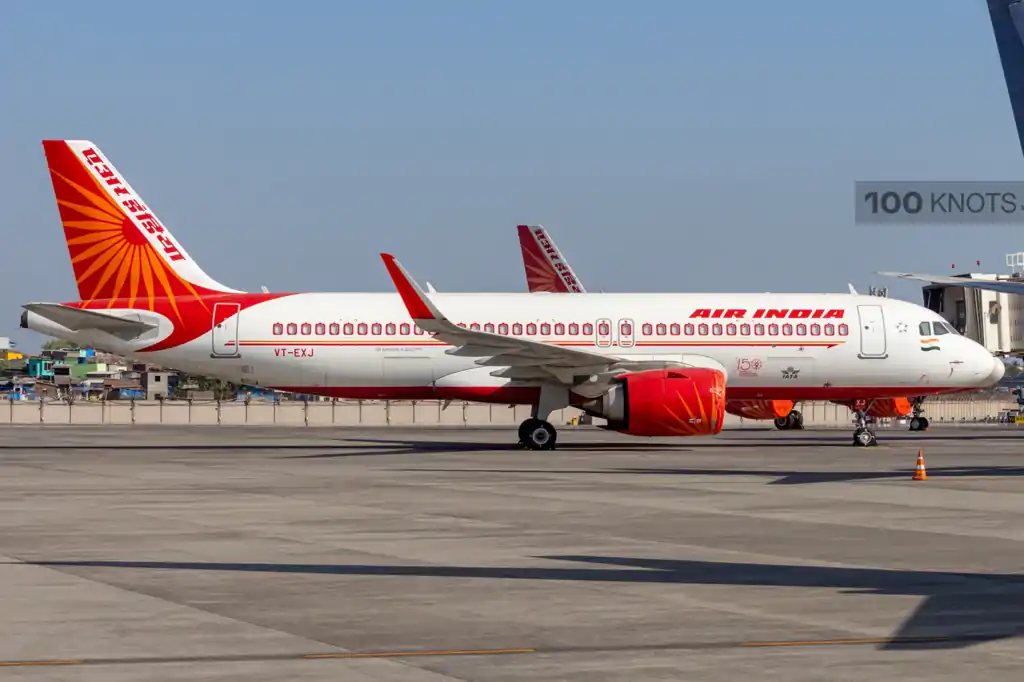
An Air India Airbus A320 plane registered as VT-CIQ, made a heavy landing in Dubai on December 20th creating chaos in the passenger cabin.
The heavy landing occurred on flight AI 933 from Kochi to Dubai and the severity of the landing was such that the plane was parked there for almost a week when flight tracking websites showed it was flown again to Mumbai on December 27.
DGCA Steps In
Aviation regulator DGCA said on Monday, that it has launched a detailed investigation.
The DGCA Air Safety team is also analyzing the DFDR data.
What is a Hard Landing?
As per Airbus, a Hard Landing or a high-load event is any event that is outside of the range of the load conditions that an aircraft will experience in normal operations. The aircraft is designed to withstand a certain level of excessive loads in abnormal conditions or situations but this loading can affect the components of the aircraft’s structure, engines, engine mounts, pylons, and its systems. When such a high load event occurs with forces that exceed these thresholds, action is required to ensure the aircraft remains in a state of continued airworthiness.
High-load events can occur when an aircraft is either in flight or on the ground. For instance, a flight load exceedance may occur if the aircraft encounters severe turbulence and crosswind conditions, or when is flown above its operational speed limits. This includes events where the aircraft’s airspeed was above the allowable limits for extending or operating flaps, slats or the landing gear. A high-load event on the ground is most commonly a hard landing or hard overweight landing, but it can also be caused by abnormal lateral loading when landing or taxing in severe crosswinds.
When flight crew report a hard or hard overweight landing, the maintenance personnel will use AMM instructions to analyse the LOAD<15> report and determine if any maintenance tasks are necessary. The purpose of this report is to assist the decision making regarding the AMM tasks that should be carried out.
Phase 1 AMM Inspection Items: General inspection for primary damage to the airframe, engines and pylons and for any indication of remote internal damage.
Phase 2 AMM Inspection Items: Detailed inspection of internal areas and some component removal may also be requested.
Phase 3 AMM Inspection Items: Detailed inspections that may require component removal and strip down.

Read next
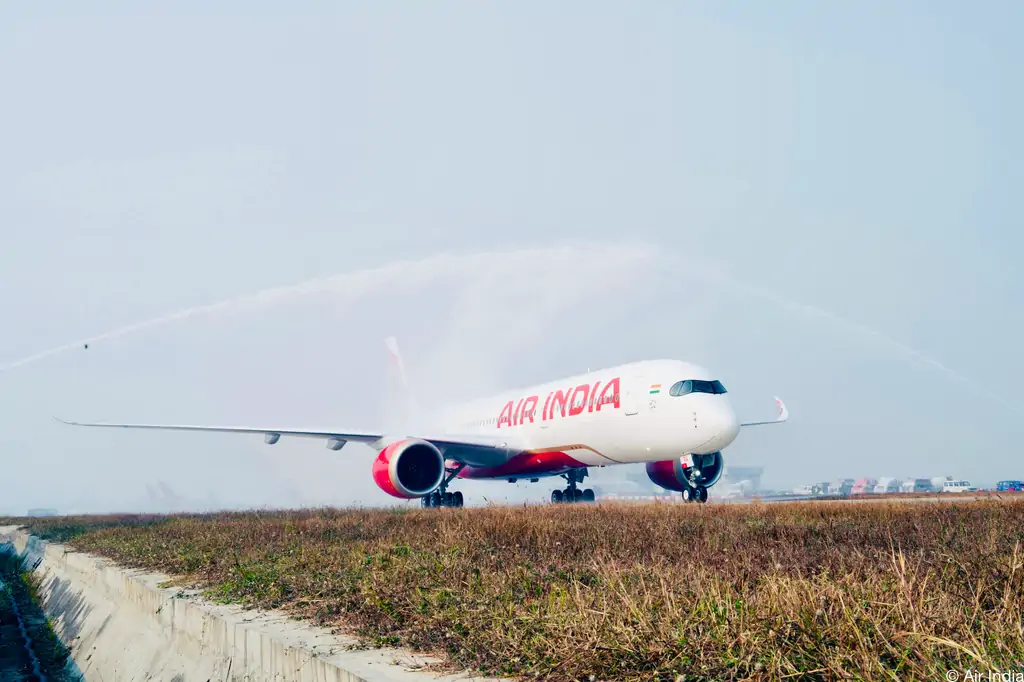
Air India will begin flying its brand-new Airbus A350-900 widebody jets on domestic routes later this month offering passengers a feel of its new product with fares starting at around Rs 5000. The airline took delivery of its first A350 in December. This plane will eventually be flown on international routes but the airline has decided to first train its staff and create a talent pool by doing domestic sorties.
“Ushering in the most visible manifestation of Air India’s epic transformation journey, the A350 aircraft will be later deployed for longer-haul flights to destinations across continents,” the airline said in a statement on Monday opening domestic bookings.
Registered as VT-JRA after its founder JRD Tata, this A350 will begin flights between Mumbai, Bengaluru, Chennai, Hyderabad, and Delhi starting January 22nd.
The airline has priced economy tickets aggressively but those for its business class come with a premium, according to data from the airline's website. For example, on the first Bengaluru - Mumbai flight AI-589 departing at 7 am, economy class tickets are available for Rs 4,800 while the cheapest same-day ticket for a morning flight is available from SpiceJet at Rs 3,600.
In business class, however, the same ticket will cost Rs 44,000 even though a business class on Air India's own narrow-body Airbus A320 plane is priced only at Rs 21,000 for the same day. The second most expensive ticket is by Air India's sister concern Vistara at Rs 30,000.

Air India’s A350-900 aircraft comes in a three-class cabin configuration with 316 seats: 28 private business suites with full-flat beds, 24 premium economy seats with extra legroom and other amenities, and 264 economy seats. All seats on the aircraft, which run on Rolls Royce Trent XWB engines, feature a Panasonic eX3 in-flight entertainment system and HD screens.
Air India's website did not provide the option to book premium economy tickets as of late Monday evening.
The airline will get 20 Airbus A350s as part of its record $70 billion 470-plane order last year.
Read next

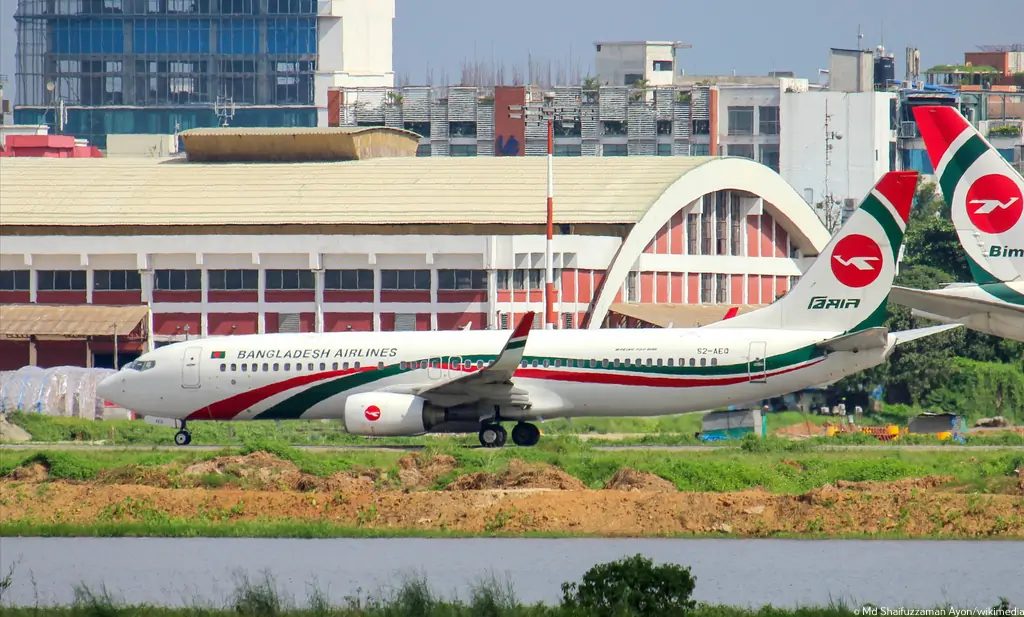
In a high-stakes battle for a lucrative aircraft order, Boeing and Airbus are locked in fierce competition to secure a deal with Biman Bangladesh Airlines. The state-owned airline is poised to acquire ten new aircraft, a move intended to bolster its operational capabilities, open new routes, and enhance its competitive edge in the bustling aviation market of Bangladesh.
Background & Airbus Gains Momentum
Biman Bangladesh Airlines is undergoing a critical decision-making process as it contemplates its fleet expansion strategy. The airline's objective is to acquire ten aircraft, a decision that has attracted significant attention from both Boeing and Airbus. While traditionally Boeing has dominated Biman's fleet, recent developments suggest that Airbus is gaining ground in the bidding process.
Airbus appears to be in a favorable position, with the Bangladeshi government expressing a preference for their aircraft. Biman's successful securing of funding in May 2023 to purchase ten Airbus aircraft further strengthened the European manufacturer's position. This financial support, facilitated through a joint communique with the United Kingdom under the UK Export Finance scheme, provides Bangladesh with accessible long-term credit, potentially influencing the final decision.
Strategic Plans and Commitments
Biman Bangladesh Airlines has outlined ambitious plans, including the launch of new routes to destinations such as Japan and the United States. In September, French President Emmanuel Macron revealed that Bangladesh had committed to acquiring eight passenger aircraft and two freighters from Airbus. These commitments underscore the strategic importance of the aircraft order in Biman's broader regional plans.
Boeing's Counteroffensive & Ongoing Tug-of-War
Despite Airbus's momentum, Boeing remains a formidable contender in the race for Biman's aircraft order. Reports indicate that the U.S. government is applying pressure on Bangladesh to favor Boeing. The American manufacturer has proposed B787 variants and B777-200Fs, coupled with enticing discounts to sweeten the deal. Boeing argues that the true costs of acquiring Airbus aircraft are underquoted, emphasizing the need for Biman to retrain and certify its crews and invest in new simulators.
Seven months after initial reports, Biman Bangladesh Airlines has yet to announce its decision. The airline's CEO, Shafiul Azim, recently confirmed that offers from both Boeing and Airbus "remained on the table." The delay in reaching a decision indicates the complexity of evaluating offers based on factors such as price, support, and operating efficiencies.
Conclusion
As the tug-of-war between Boeing and Airbus continues, Biman Bangladesh Airlines stands at a critical crossroads in determining the future of its fleet. The decision not only holds financial implications but also carries strategic importance in shaping the airline's growth and competitiveness in the global aviation landscape. The aviation industry eagerly awaits the outcome of this closely watched battle, which could potentially redefine the dynamics of aircraft procurement in the region.
With Inputs from ch-aviation
Read next
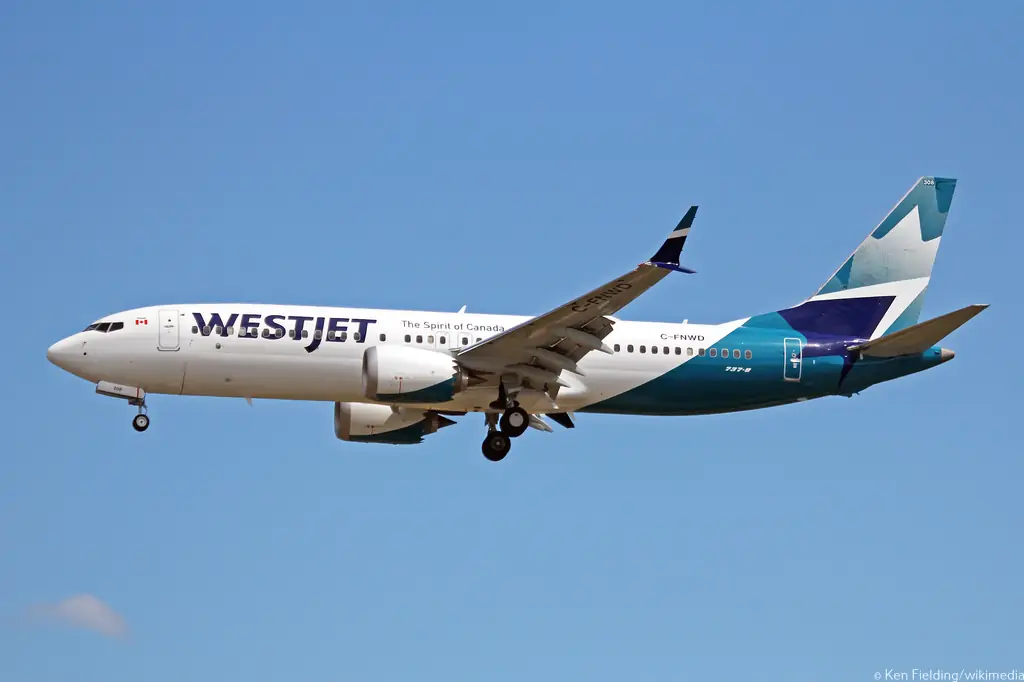
WestJet, one of Canada's leading airlines, has recently finalized a significant deal with Dublin-based aircraft leasing company Genesis Aircraft Services. The agreement, announced on December 22, 2023, involves the sale of six Boeing 737-800s to Genesis in a strategic move aimed at supporting WestJet's ongoing fleet expansion plans.
Genesis's Pivotal Role in WestJet's Fleet Growth
Genesis Aircraft Services, led by CEO Karl Griffin, expressed enthusiasm about the deal and its commitment to supporting WestJet's future endeavors. "We look forward to further supporting WestJet as their fleet continues to grow over the coming years," Griffin stated in a joint statement released by both parties. This transaction marks the first collaboration between WestJet and Genesis, with the latter now joining the ranks as the 32nd customer for the Canadian airline.
WestJet's Vice President of Fleet and Treasury, Aaron McKay, highlighted the significance of this deal in aligning with the airline's strategic plans. "With strong intentions to grow our B737 fleet in the coming years, we appreciate Genesis' support of WestJet's ongoing fleet plans," McKay commented. The sale and leaseback arrangement is expected to provide WestJet with the necessary flexibility to navigate the dynamic aviation landscape while ensuring continued growth.
Insight into the Transaction
The sale and leaseback transaction involve WestJet selling six of its Boeing 737-800 aircraft to Genesis Aircraft Services, which, in turn, will lease them back to WestJet. This financial arrangement enables WestJet to unlock capital tied up in its aircraft, providing liquidity for other strategic initiatives and investments.
Genesis Aircraft Services, a subsidiary of Barings, boasts a diverse portfolio that includes 55 narrowbody aircraft from both Airbus and Boeing. The lessor has established itself as a key player in the aviation leasing sector, with an extensive client base that includes notable names such as Wizz Air and Avelo Airlines.
Genesis Aircraft Services: A Trusted Partner in Aircraft Leasing
As Genesis becomes WestJet's leasing partner for the first time, the deal reinforces the lessor's standing in the industry. With a global presence and a commitment to supporting airlines in their fleet expansion plans, Genesis has positioned itself as a reliable partner for carriers seeking financial solutions to facilitate growth.
Looking Ahead: WestJet's Fleet Expansion Plans
WestJet's collaboration with Genesis comes at a crucial time as the airline outlines its intentions to expand its Boeing 737 fleet in the coming years. The sale and leaseback agreement exemplify WestJet's proactive approach to managing its fleet, allowing the airline to balance operational requirements with financial considerations.
Conclusion
In summary, the recent deal between WestJet and Genesis Aircraft Services marks a significant milestone for both parties. As WestJet strategically leverages the expertise of Genesis in aircraft leasing, the aviation industry watches closely to see how this partnership will contribute to WestJet's growth in the dynamic and competitive market.
With Inputs from ch-aviation
Read next
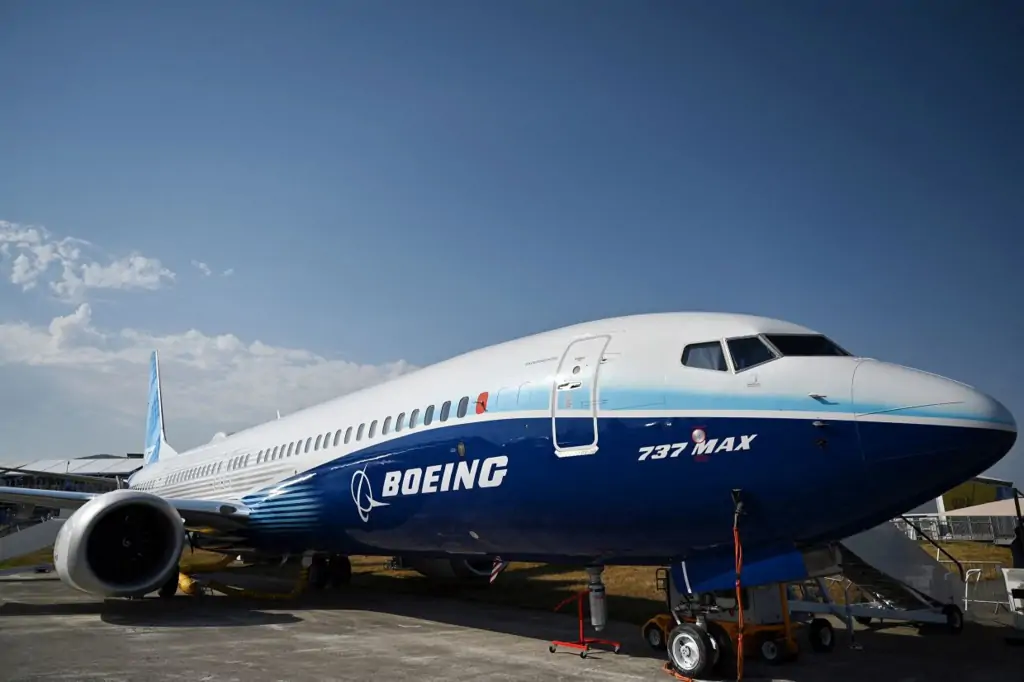
In a recent development, Boeing has advised airlines to conduct inspections on their 737 MAX airplanes to check for a potential loose bolt in the rudder control system. The Federal Aviation Administration (FAA) announced on December 28, 2023, that it is closely monitoring the situation and will consider additional actions based on the outcomes of the inspections.
Discovery of the Issue
The recommendation for inspections came after an international operator found a bolt with a missing nut during routine maintenance on the rudder-control linkage. Boeing subsequently discovered another undelivered aircraft with a nut not properly tightened. Boeing assured that the identified issue on the specific airplane has been addressed, but as a precautionary measure, they are urging operators to inspect their 737 MAX fleets and report any findings.
Boeing & Airline Response
Boeing recommended that airlines conduct inspections within two weeks, emphasizing that delivered 737 MAX planes can continue to fly safely. The company assured that production and delivery of the MAX will proceed unaffected. However, Boeing clarified that the issue does not impact older-model 737 Next Generation planes.
Major domestic customers of the 737 MAX, including United Airlines and American Airlines, have expressed confidence that the inspections will not significantly impact their operations. Southwest Airlines, a carrier exclusively operating the 737 NG and MAX, has yet to respond to the situation.
Inspection Process & FAA Involvement
The inspections involve checking specific tie rods that control rudder movement for possible loose hardware. Airlines are required to remove an access panel and validate that the hardware has been correctly installed. Boeing estimates that the process should take approximately two hours. The planemaker is also inspecting undelivered 737 MAX aircraft before handing them over to customers.
The FAA stated that it will maintain close communication with Boeing and airlines throughout the inspection process. The agency is requesting airlines to provide information on any previously detected loose hardware and details on the estimated completion time for the inspections. This collaborative effort aims to assess the prevalence of the problem and determine whether it indicates a broader lapse in production quality that requires regulatory action.
Safety Assurance and Expert Opinion
Boeing emphasized that any issue with a rudder not functioning properly would likely be identified during routine pre-flight checks. Air safety expert Anthony Brickhouse from Embry-Riddle Aeronautical University stressed that while airlines need to take the matter seriously, the flying public should not be overly concerned about the situation.
Background on 737 MAX

The 737 MAX was previously grounded globally for 20 months following two fatal crashes in 2018 and 2019 that claimed 346 lives in Ethiopia and Indonesia. Boeing is currently awaiting certification for its smaller 737 MAX 7 and larger MAX 10 models.
Conclusion
The current inspections on the 737 MAX rudder control system underscore the aviation industry's commitment to ensuring safety and addressing potential issues promptly. With Boeing's proactive approach and the cooperation of airlines and regulatory authorities, the impact on operations is expected to be minimal, providing assurance to both operators and the flying public. The aviation community will be closely monitoring the situation as inspections progress, and any necessary actions will be taken to uphold the highest standards of safety in air travel.
With Inputs from Reuters
Read next

In a significant strategic move for the aviation sector, Tata Group has set its sights on consolidating its four airlines, with Air India Express taking the lead in initiating the merger process. This move aims to streamline operations, enhance efficiency, and solidify Tata Group's position in the competitive aviation market.
Air India Express's 'Second Motion' for Merger

Air India Express has embarked on the crucial step of initiating the 'second motion' for a final hearing in the National Company Law Tribunal (NCLT) to merge AIX Connect (formerly AirAsia India) into its operations. Anticipating approval by March, this merger will lead to the operation of both airlines under a single air operator certificate or license, marking a significant milestone in Tata Group's consolidation strategy.
Vistara's Integration into Air India

A larger-scale merger involving Vistara into Air India is on the horizon, contingent on Air India reaching a specified operational level, as communicated by Air India's Managing Director and CEO, Campbell Wilson. Although the exact timeline remains undisclosed, insiders suggest that this merger is slated for realization in 2024, paving the way for Air India to become the second-largest airline in the country in terms of fleet and market share.
Strategic Focus of Merged Entities
Air India Express is set to concentrate on less-saturated markets and tier II & III cities, while Air India will prioritize medium to ultra-long-haul routes and routes with a substantial premium traffic share. This strategic alignment aims to optimize each airline's strengths and cater to diverse market segments, ensuring a comprehensive coverage of both domestic and international routes.
Aircraft Fleet Expansion and Modernization
Aloke Singh, CEO of Air India Express, outlined ambitious expansion plans, revealing a commitment to induct 50 new Boeing 737 Max within the next 12 months. This fleet expansion, part of Tata Group's colossal order for 470 aircraft last February, underscores the conglomerate's dedication to fortifying its presence in the aviation sector. The move also involves retiring older planes, with Air India Express expected to operate a fleet of about 98 aircraft by December.
Consolidation Strategy and Network Strengthening
Singh emphasized the consolidation strategy, stating that while new domestic and international routes will be introduced, the initial focus will be on strengthening the existing network. The approach mirrors the successful expansion of routes like Surat and Ayodhya, showcasing a phased introduction from major hubs to direct connections with key destinations.
Regulatory Approvals and Competition Commission Nod
The consolidation process gained momentum in November 2022, with Tata Sons kick-starting the consolidation of Vistara, AirAsia India, and Air India Express under the umbrella of Air India. The Competition Commission of India (CCI) approved the merger of Tata SIA Airlines into Air India, subject to certain conditions, solidifying Tata Group's position in the aviation landscape.
Conclusion
Tata Group's strategic consolidation of its airline assets signifies a forward-looking approach, capitalizing on synergies to create a formidable presence in the aviation industry. As the merger plans progress, the conglomerate is poised to reshape the landscape of Indian aviation, providing enhanced connectivity, improved efficiency, and a more competitive edge in the global market. The coming year promises to be transformative for Tata Group's aviation portfolio, setting the stage for a new era of growth and success.
Comment