

China's aviation industry, once soaring to new heights, has encountered significant turbulence in 2024. Despite the easing of pandemic-related restrictions and the gradual return of international travel, the country’s leading state-owned airlines continue to grapple with substantial financial losses. This article delves into the factors contributing to the ongoing challenges faced by China’s top three airlines—Air China, China Southern Airlines, and China Eastern Airlines—and examines the broader implications for the global aviation market.
Financial Performance: A Gloomy First Half
Persistent Losses Despite Narrowing Deficits
In the first half of 2024, China’s top state-owned airlines reported significant financial losses, although there was a noticeable improvement compared to the previous year.
- China Eastern Airlines, headquartered in Shanghai, recorded a loss of 2.8 billion yuan ($395 million), a marked improvement from a 6.2-billion-yuan loss in the same period last year.

- Air China, the nation’s flagship carrier, posted a net loss of 2.78 billion yuan, a reduction from the 3.45-billion-yuan loss reported in 2023.

- China Southern Airlines, based in Guangzhou, reported a 1.23-billion-yuan loss, down from 2.9 billion yuan the previous year, with a notable profit of 760 million yuan in the first quarter.

These figures underscore the ongoing financial strain within the industry, despite efforts to navigate the post-pandemic landscape.
Key Challenges: Slow Recovery and Intensified Competition
Slower-than-Expected International Rebound
One of the critical challenges facing Chinese airlines is the sluggish recovery of international travel. While Air China reported that international passenger traffic grew to 80% of 2019 levels in the first half of 2024, some traditionally strong routes, particularly to North America, have been slow to recover. Political tensions and low demand have stalled the resumption of flights between China and the United States, which are currently operating at just 20% of pre-pandemic levels.
Domestic Oversupply and Price Wars
Domestically, the airlines are facing fierce competition, leading to a significant decrease in ticket prices. The oversupply of wide-body planes—traditionally used for international routes—being redirected to domestic flights has intensified this competition. Additionally, the expansion of high-speed rail networks in China has further eroded the domestic market share for airlines, as more passengers opt for train travel.
The Broader Global Aviation Context
Global Imbalance: Supply Outpaces Demand
The challenges faced by Chinese airlines are not isolated; they reflect a broader global trend in the aviation industry. As airlines around the world bring more planes back into service, a global imbalance between available seats and passenger demand is becoming increasingly evident. This oversupply is leading to softer fares and reduced profitability across the sector.
The International Market Share Battle
Despite these challenges, Chinese airlines are gradually gaining market share on international routes, as foreign competitors struggle to keep pace with China’s post-pandemic recovery. This shift could have long-term implications for the global aviation market, potentially altering competitive dynamics and reshaping international air travel routes.
Looking Ahead: A Bumpy Road to Recovery
The Role of COMAC C919 in Future Growth

In a bid to boost their competitiveness, both Air China and China Southern Airlines have recently introduced China’s homegrown COMAC C919 passenger jet into their fleets. This move marks a significant milestone in China’s efforts to reduce reliance on foreign aircraft manufacturers and could play a crucial role in the airlines’ future growth strategies.
Optimism Amidst Caution
While the short-term outlook for China’s aviation industry remains challenging, there is cautious optimism about the future. Analysts from HSBC predict that outbound travel from China will continue to recover as air capacity improves and visa requirements are relaxed. However, they also warn that the domestic travel market may face increasing pressure as more Chinese tourists opt for international destinations.
Conclusion
China’s leading state-owned airlines are navigating a complex and challenging landscape as they strive to recover from the pandemic’s impact. With international travel rebounding more slowly than anticipated, and domestic competition intensifying, the road to recovery is likely to be a long and turbulent one. As the global aviation market continues to evolve, these airlines will need to adapt and innovate to stay competitive in an increasingly crowded and uncertain sky.
With Inputs from Reuters

Read next
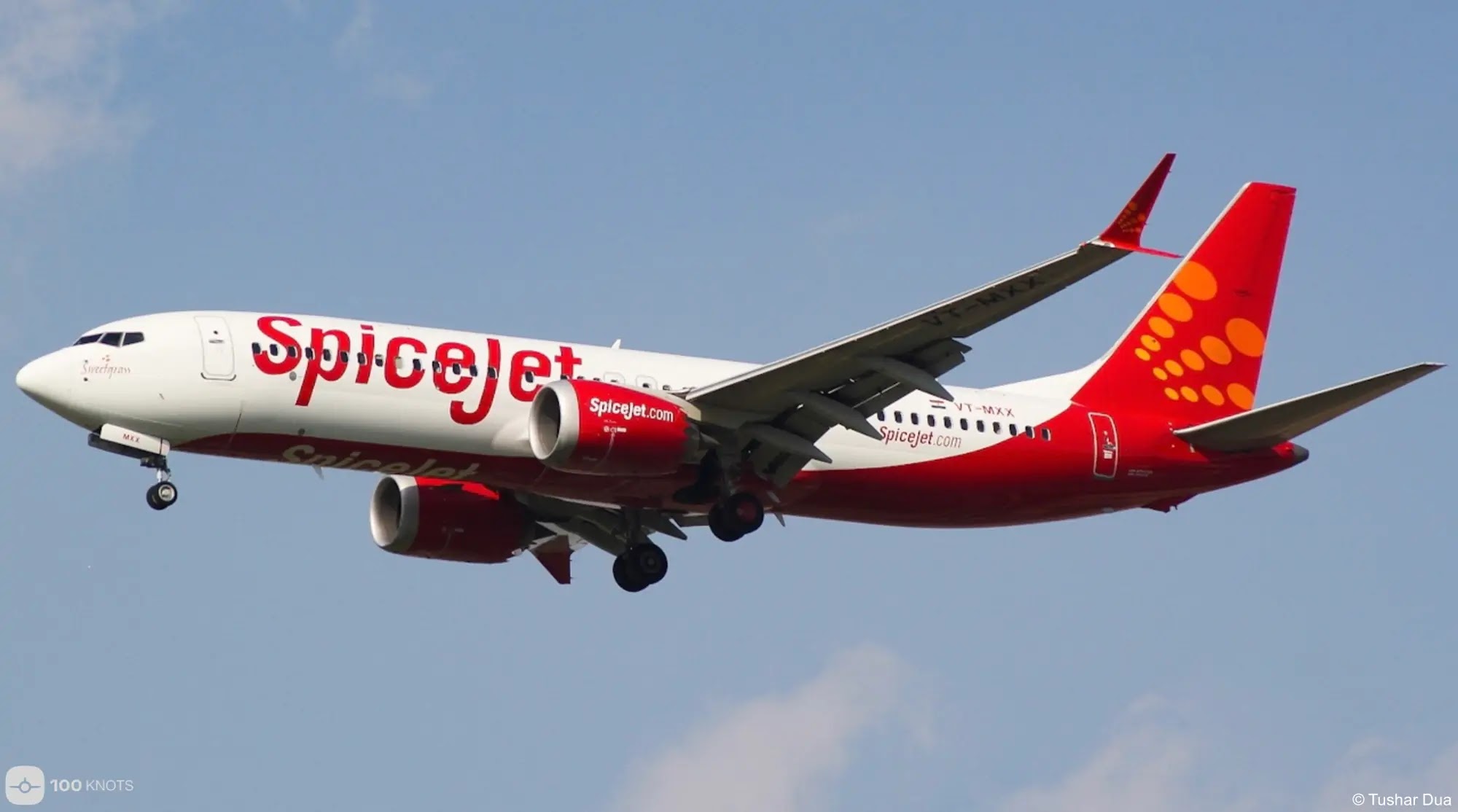
In a move reflecting the airline's ongoing financial distress, SpiceJet has temporarily placed 150 cabin crew members on furlough for three months. This decision comes as the low-budget carrier grapples with a lean travel season and a reduced fleet size, signaling deeper-rooted issues within the organization.
"This step has been taken in response to the current lean travel season and the reduced fleet size, with the long-term stability of the organization in mind. We deeply value the contributions of our crew members," said a SpiceJet spokesperson. During this furlough period, the affected employees will retain their status, along with health benefits and earned leave, ensuring they remain valued members of the SpiceJet family.
Regulatory Red Flags: DGCA Puts SpiceJet Under Enhanced Surveillance
Adding to SpiceJet's woes, India's aviation regulator, the Directorate General of Civil Aviation (DGCA), has placed the airline under enhanced surveillance. This decision follows a recent audit that uncovered "certain deficiencies," though specific issues remain undisclosed. The DGCA's move includes an increase in spot checks and night surveillance to ensure the safety of operations, citing SpiceJet's past record as a contributing factor.
The timing of this regulatory scrutiny is particularly challenging for SpiceJet, coming just three weeks after the DGCA conducted a special audit prompted by reports of flight cancellations and the airline's financial instability.
Struggling to Stay Aloft: Failed Fundraising Efforts and Financial Defaults
SpiceJet promoter Ajay Singh has been actively seeking investors to raise approximately Rs 3,000 crore by diluting a significant stake in the airline. Despite initial plans to secure Rs 2,250 crore from 64 investors, only Rs 1,060 crore was successfully raised after a primary investor backed out. This shortfall exacerbates the airline's desperate need for cash to salvage operations.
The financial strain has led SpiceJet to default on payments to vendors, including aircraft lessors. Some lessors have even filed petitions in court to declare the airline bankrupt, further jeopardizing its operational future.

Grounded Ambitions: Fleet Reduction and Market Share Decline
SpiceJet's operational capacity has been severely impacted, with its market share dropping below 4%. The airline currently operates only 22 aircraft, while over 30 planes remain grounded due to the non-availability of engines and spare parts. This significant reduction in fleet size not only limits SpiceJet's ability to serve passengers but also damages its competitive position in the Indian aviation market.
Financial Performance: Declining Profits and Revenues
The latest financial reports reveal a 20% decline in consolidated net profit, which stood at Rs 158 crore in the first quarter ended June 2024, down from Rs 198 crore in the same period last year. Additionally, revenue from operations fell by 15% year-on-year to Rs 1,708 crore, compared to Rs 2,003 crore in the previous year.
Looking Ahead: SpiceJet's Path to Recovery
Despite the current challenges, SpiceJet remains committed to stabilizing its operations. The airline plans to enhance its fleet following the upcoming Qualified Institutional Placement (QIP), which is anticipated to provide the necessary capital infusion. The company is hopeful that this financial boost will enable it to welcome back furloughed crew members and resume normal operations.
"We are committed to supporting our employees during this period," the SpiceJet spokesperson added, emphasizing the airline's dedication to overcoming its current hurdles.
Conclusion: Navigating Through Turbulence
SpiceJet's recent furloughs, regulatory challenges, and financial setbacks paint a picture of an airline struggling to maintain its footing in a highly competitive industry. With significant efforts underway to secure funding and stabilize operations, the coming months will be critical in determining whether SpiceJet can weather this financial storm and reclaim its position in the market.
Read next
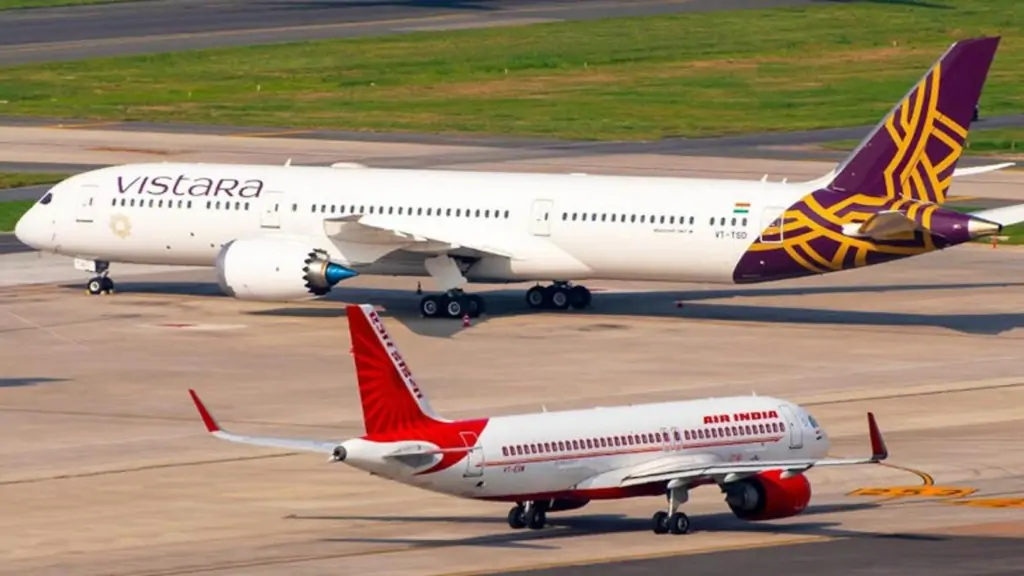
The highly anticipated merger between Vistara and Air India is entering its final phase, marking a significant milestone in India's aviation sector. With all regulatory approvals secured, Air India’s CEO, Campbell Wilson, communicated the next steps to employees, shedding light on the transition process that will affect both passengers and staff. As we approach the final stretch, what does this mean for everyone involved? Let’s break it down.
The Merger Timeline: What’s Happening and When?
The merger of Vistara, a joint venture between Tata Group and Singapore Airlines, with Air India was first announced in November 2022. Now, nearly two years later, the process is reaching its conclusion. A key date to note is November 12, 2024, when the transition will officially begin.
- Aircraft and Crew Movement: On November 12, Vistara’s aircraft and crew will move under Air India’s operations. This transition involves shifting from Vistara’s Air Operator Certificate to Air India’s.
- Flight Numbers Change: From November 12, all Vistara flights will start operating under Air India flight numbers. Despite this change, the aircraft, schedules, and crew will largely remain the same until early 2025.
Passenger Experience: What Changes Should You Expect?
For passengers, the merger promises minimal disruptions. However, a few changes are on the horizon, which are essential to be aware of:
- Booking Redirects: Beginning September 3, passengers booking flights departing on or after November 12 via Vistara’s website will gradually be redirected to Air India’s site. This change is designed to ensure a seamless booking process under the unified brand.
- Automatic Reservation Conversion: If you have already booked a flight with Vistara for a date after November 12, your reservation will automatically convert to an Air India flight number. This conversion will occur in phases throughout September, with individual notifications sent to customers.
Employee Transition: A Smooth Shift?
For the staff of both airlines, the transition marks a new chapter. Campbell Wilson’s message to the employees emphasizes the importance of a smooth transition, acknowledging the complexity of the process.
- Focus on Smooth Transition: Wilson urged employees to maintain their focus and efforts to ensure a smooth transition for both customers and colleagues. With the final phase now underway, the goal is to minimize any disruptions.
The Bigger Picture: A Unified Air India

This merger is not just a business transaction; it’s a significant step in consolidating the aviation market under the Tata Group's banner. Singapore Airlines will hold a 25.1 percent stake in Air India post-merger, reflecting the international collaboration behind this union.
Regulatory Approvals and FAQs to Assist Passengers
A critical aspect of this merger was the approval of foreign direct investment by Singapore Airlines, which has now been granted by the Indian government. This approval was essential for the merger’s completion, enabling the final steps to move forward.
To assist passengers during this transition, a set of Frequently Asked Questions (FAQs) has been prepared. These FAQs will help address any concerns or queries customers may have as they navigate the merger process.
Looking Ahead: What’s Next?
The full integration of Vistara into Air India’s operations is expected to be complete by early 2025. This timeline ensures that both airlines can merge their operations with minimal disruption to their services.
As we enter this final phase, the aviation community watches closely. The merger represents a significant reshaping of the Indian aviation landscape, promising a more robust and competitive Air India under the Tata Group’s leadership.
In conclusion, the Vistara-Air India merger is more than just a corporate consolidation; it’s a pivotal moment in the evolution of India’s aviation industry. Passengers and staff alike are at the heart of this transition, and all efforts are being made to ensure that this journey is as smooth as possible. So, as we approach November 12, all eyes will be on the skies, watching as two airlines become one.
Read next
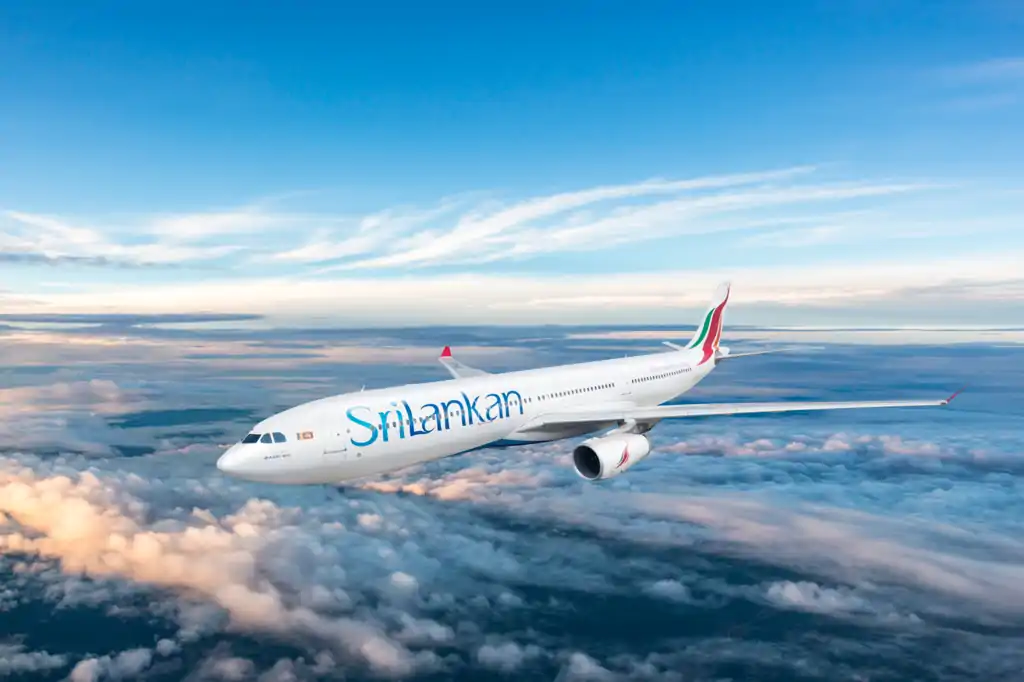
On September 1, 1979, SriLankan Airlines embarked on a journey that would shape the skies of South Asia. With just two Boeing 707 aircraft, the airline, then known as Air Lanka, took its maiden flight to Bangkok. Forty-five years later, SriLankan Airlines stands as a testament to resilience, innovation, and the warm hospitality that is synonymous with Sri Lanka. As the airline marks this significant milestone, it reflects on its journey of growth, challenges, and global recognition.
1979-1989: The Early Years – Taking Flight

SriLankan Airlines, initially Air Lanka, was launched with a vision to connect Sri Lanka to the world. The inaugural flight on September 1, 1979, to Bangkok, set the stage for what would become a dynamic and expanding route network. By the end of the year, the airline had established services to major global cities, including London, Paris, Singapore, and Dubai.
In 1980, Air Lanka expanded its operations by acquiring its first Lockheed L1011 Tristar, followed by the Boeing 747-200 in 1984, further enhancing its capacity. The airline also launched Air Lanka Catering Ltd in 1980, laying the groundwork for in-flight service excellence.
1990-1999: Rebranding and Expansion

The 1990s were a decade of transformation. Air Lanka joined the International Air Transport Association (IATA) in 1990, gaining international credibility. The airline became the first international carrier to obtain IATA accreditation for its training center in 1991. The acquisition of the Airbus A320-200 in 1993 and the A340 in 1994 positioned Air Lanka as a leader in the region, being the first South Asian airline to operate the Airbus A340.
In 1998, Air Lanka entered a strategic partnership with Emirates, leading to a rebranding in 1999 as SriLankan Airlines. This period saw the introduction of the Airbus A330-200, a move towards an all-Airbus fleet, and the establishment of SriLankan Cargo as a separate entity.
2000-2009: Awards and Innovations
The new millennium brought a wave of innovation and accolades. SriLankan Airlines revamped its website in 2001, making strides in digital engagement. The airline received multiple Skytrax awards, including "Airline of the Year - Central Asia" from 2001 to 2004, and "World’s Friendliest Cabin Staff" in 2003.
SriLankan Airlines also launched several initiatives during this period, including the leisure arm, SriLankan Holidays, the domestic floatplane service, SriLankan Air Taxi, and the community-focused SriLankan Cares. The airline's engineering department achieved EASA 145 standard in 2007, while the airline itself became the first international carrier to operate 100 flights per week to India.

2010-2019: A Global Airline with Local Roots
The 2010s were a decade of global recognition and local impact. SriLankan Airlines joined the oneworld alliance in 2014, connecting it to a vast network of world-class airlines. The airline's efforts in sustainability, customer service, and operational excellence were recognized with numerous awards, including multiple World Travel Awards for "World’s Leading Airline to the Indian Ocean."
In 2018 and 2019, SriLankan Airlines was named the most punctual global airline, a remarkable achievement in the competitive aviation industry. The airline also expanded its fleet with new Airbus A330-300 aircraft, ensuring a modern and efficient operation.
2020-Present: Navigating Challenges and Looking Ahead
The onset of the COVID-19 pandemic in 2020 posed unprecedented challenges for the global aviation industry. SriLankan Airlines responded with resilience, launching cargo flights to support local exporters and operating mercy repatriation flights. The airline's commitment to excellence was recognized with several awards, including the APEX Health and Safety Diamond Status in 2021 and multiple PATA Gold Awards.
In 2023, SriLankan Airlines introduced South Asia's first self-service check-in and bag drop facility, reflecting its commitment to enhancing the passenger experience. The airline's route network now spans 114 destinations in 62 countries, operated by an all-Airbus fleet.
Leadership Reflections: A Vision for the Future
As SriLankan Airlines celebrates 45 years of operations, its leadership reflects on the journey and looks ahead to the future. Chairman Ashok Pathirage emphasized the significance of this milestone, stating, "Forty-five years is a long time in any industry, but achieving this milestone in the commercial airline sector is an even greater feat. SriLankan Airlines is one of the oldest commercial airlines in this region, and we are incredibly proud of our journey."
Chief Executive Officer Richard Nuttall highlighted the airline's commitment to its employees and customers: "We owe our successes and resilience to every individual within the airline, both current and past. As we celebrate our achievements, we will also focus on our vision for the future, striving to be the airline of choice for travelers seeking an authentic Sri Lankan experience."
Conclusion: The Journey Continues
As SriLankan Airlines looks to the future, it remains committed to delivering exceptional service and embodying the warmth of Sri Lankan hospitality. With a rich history of innovation, resilience, and global recognition, the airline is well-positioned to continue its trailblazing journey in the years to come.
Read next
Is Saudia Leading the World in On-Time Performance? Here’s What the Numbers Say
Abhishek Nayar
02 Sep 2024

When it comes to punctuality, airlines worldwide strive to achieve the highest standards, but only a few manage to consistently hit the mark. Saudia, the national flag carrier of Saudi Arabia, has emerged as a global leader in this area, topping the charts for on-time performance (OTP) not just once, but consecutively for two reporting periods. According to the latest report by Cirium, an independent aviation tracking site, Saudia’s performance in July 2024 has set a new benchmark in the aviation industry.
A Closer Look at Saudia’s On-Time Performance

How Impressive Are the Numbers?
Cirium’s July 2024 report reveals that Saudia achieved an on-time arrival rate of 88.12% and an on-time departure rate of 88.15%. These figures are based on a robust operational schedule, where the airline operated 16,503 flights across its extensive network, covering over 100 destinations across four continents. These numbers aren’t just impressive; they reflect the airline's relentless commitment to punctuality—a critical factor for both operational efficiency and passenger satisfaction.
What Contributed to This Success?
The remarkable OTP figures are not just the result of chance. His Excellency Engr. Ibrahim Al-Omar, Director General of Saudia Group, attributes this success to the collective efforts of the entire Saudia Group and key stakeholders within the aviation industry. “At Saudia Group, achieving a high OTP has been a shared objective, as it directly impacts guest satisfaction. We’ve successfully maintained it during this year’s peak seasons, a testament to the collaborative efforts of the entire Saudia Group and relevant stakeholders in the aviation industry,” he stated.
Maintaining such high standards of OTP, especially during peak travel seasons, requires not only operational efficiency but also exceptional coordination among various departments and external partners. This achievement underscores the airline’s capability to overcome challenges that the global aviation sector often faces.
Looking Ahead: Saudia’s Strategic Vision
A Fleet Expansion on the Horizon
Saudia isn’t just resting on its laurels; the airline is preparing for significant growth in the coming years. As part of its ambitious expansion strategy, Saudia will take delivery of 103 new aircraft. This fleet expansion is in line with the airline’s broader goal of doubling its seating capacity and introducing new routes to global destinations.
Aligning with Vision 2030
This expansion is also closely aligned with Saudi Arabia’s Vision 2030, a strategic framework aimed at diversifying the Kingdom’s economy. Saudia’s growth will play a pivotal role in connecting Saudi Arabia to the world, attracting more visitors and enhancing the Kingdom’s global presence.
The Road Ahead: Can Saudia Maintain Its Lead?
As Saudia continues to grow and expand its operations, the challenge will be to maintain, or even improve, its on-time performance. With new aircraft, increased seating capacity, and additional destinations, the complexity of operations will undoubtedly increase. However, given the airline’s track record and its commitment to excellence, Saudia seems well-prepared to meet these challenges head-on.
In conclusion, Saudia’s consistent leadership in on-time performance is not just a testament to its operational efficiency but also a reflection of its strategic vision. As the airline gears up for future growth, all eyes will be on whether it can continue to set new standards in the global aviation industry. Will Saudia remain at the top? Only time will tell, but the future certainly looks promising.
Read next

As the global aviation industry grapples with persistent supply chain challenges post-pandemic, Brazilian aircraft manufacturer Embraer has emerged as a standout performer. While major players like Boeing and Airbus are facing extended delays in delivering aircraft, Embraer is managing to keep its delays to a minimum, ensuring that its customers receive their planes with a delay of only one to two months. This ability to deliver on time has positioned Embraer favorably in the competitive aviation market.
Embraer’s Commitment to On-Time Delivery
According to Antonio Carlos Garcia, Embraer’s Chief Financial Officer, the company’s average delivery delay ranges from just one to two months, significantly shorter than the delays faced by larger competitors. Garcia emphasized that Embraer’s approach is to only commit to delivery timelines that it can realistically meet, avoiding the excessive delays that have plagued the industry.
"We only commit to our clients when we can deliver," Garcia stated. "So, there can be a delay, but one to two months maximum this year. While for Boeing and Airbus, it may top a year, depending on the client."
Supply Chain Challenges and Solutions
Like other manufacturers, Embraer has been affected by supply chain issues, with engines remaining the biggest constraint. However, the company has managed to mitigate the impact of these challenges, allowing it to maintain its delivery schedule. This contrasts sharply with the year-long delays reported by other manufacturers, which have caused significant disruptions for airlines struggling to meet the surging demand for air travel.
Strong Demand for Embraer’s Aircraft
Embraer’s ability to deliver aircraft on time has led to strong demand for its small narrowbody planes, especially the next-generation E2 jets. These aircraft have become increasingly attractive to airlines facing shortages of larger single-aisle planes from Boeing and Airbus.

Embraer’s E2 jets, which compete directly with Airbus’ A220, have found a solid niche in the regional market. The company’s commercial aviation unit reported a backlog of firm orders worth $11.3 billion by the end of the second quarter, marking a 40% year-on-year increase. The overall backlog reached a seven-year high of $21.1 billion.
Recent Sales and Market Opportunities
Recent sales have further demonstrated Embraer’s competitive edge. The company secured an order for 20 E2 jetliners from Mexico’s state-run Mexicana de Aviacion and eight E190-E2 jets from Virgin Australia. Embraer’s Investor Relations Head, Guilherme Paiva, highlighted the significance of these deals, noting that the industry’s broader struggles have benefited companies like Embraer, which can deliver on time.
"Mexicana is a clear example," Paiva said. "The problems that the industry faces obviously have favored companies like us, which have managed to deliver aircraft on time."
Future Outlook
Embraer’s production outlook remains positive, with the company expecting to deliver between 72 and 80 commercial aircraft this year. Despite strong demand, Embraer still has production slots available for 2026, providing a valuable opportunity for airlines seeking timely deliveries in a challenging market.
Conclusion
In an industry fraught with delays and supply chain disruptions, Embraer’s ability to maintain a short delivery delay has made it a reliable partner for airlines worldwide. As demand for air travel continues to rise, Embraer’s strategic focus on timely delivery and its strong order backlog position the company for sustained success in the years ahead.
With Inputs from Reuters
Comment