

India's largest airline, IndiGo, made a landmark announcement on Monday, signing a Memorandum of Understanding with CFM International for an order of more than 1,000 LEAP-1A engines — the biggest single order ever placed for LEAP engines and a record for CFM International itself.
The MoU was formalized at the Farnborough International Airshow in the United Kingdom, one of the world's premier aerospace events. The engines will power 510 Airbus A320neo family aircraft, a category that encompasses the A320neo, A321neo, and the long-range A321XLR — all narrow-body jets. Financial terms of the agreement were not disclosed.
A Decade-Long Partnership Takes a Giant Leap

CFM International, an equal joint venture between GE Aerospace and Safran Aircraft Engines, has been associated with IndiGo since 2016, when the carrier first operated Airbus A320ceo family aircraft on CFM56-5B engines. In 2019, IndiGo expanded the relationship by ordering LEAP-1A engines for its newer A320/321 neo family fleet. Monday's announcement marks a decade of partnership and takes it to an entirely new scale.
IndiGo CEO Designate Willie Walsh described CFM as a "trusted partner" in the airline's growth journey, noting that the LEAP engine's proven reliability made it the right choice for IndiGo's operational and sustainability goals. The airline currently operates a fleet of over 400 aircraft, with more than 900 Airbus jets on order.
Support Infrastructure: MRO and Spare Parts
Beyond the engine order itself, CFM International will assist IndiGo in establishing an engine MRO — Maintenance, Repair and Overhaul — facility in Bengaluru. The partnership will also include a long-term material services agreement covering the supply of spare parts to support the fleet over the coming years.
GE Aerospace Chairman and CEO H Lawrence Culp Jr highlighted the company's manufacturing presence in Pune, a broad local supplier network, and advanced engineering operations in Bengaluru as pillars of its deepening India commitment. Safran CEO Olivier Andries echoed that sentiment, pointing to continued investments in LEAP engine production and MRO capabilities as part of Safran's long-term stake in the Indian aerospace industry.
India is currently CFM International's third largest market, with five Indian carriers operating more than 400 LEAP-powered aircraft and 2,000 engines already on order.
Honeywell Also Joins IndiGo's Expansion Push
Earlier the same day, Honeywell Aerospace announced that IndiGo had selected its avionics and power systems for 810 new Airbus A320 neo family aircraft slated for delivery in coming years, making Monday a particularly significant day for the airline's fleet modernization narrative.
The announcements come at a time when several IndiGo aircraft remain grounded due to ongoing issues with Pratt & Whitney engines, lending the CFM deal added strategic weight as the carrier charts a more reliable path forward.

Read next

India's aviation safety watchdog is preparing to take a significant leap into the digital age, with the Directorate General of Civil Aviation (DGCA) set to launch an electronic incident reporting platform that promises to transform how aviation safety data is captured, processed, and acted upon across the country.
The Announcement
Civil Aviation Minister K Rammohan Naidu, addressing the Rajya Sabha on Monday, confirmed that the DGCA is actively developing a digital platform for occurrence reporting on the eGCA portal. The system will enable airlines, airport operators, and other stakeholders to electronically submit and process mandatory occurrence reports — a function that currently relies on more conventional methods, which can delay the regulator's response to potential safety concerns.
The eGCA portal, which stands for e-Governance of Civil Aviation, serves as the central digital backbone of India's civil aviation administration. Adding incident reporting capabilities to this existing infrastructure marks a natural and consequential expansion of its scope.
What DGCA Already Does
Before the new platform arrives, the DGCA's safety ecosystem is already extensive. The regulator operates a systematic safety oversight mechanism that keeps watch over all aircraft and airport operators in the country, ensuring compliance with established rules and Civil Aviation Requirements, commonly referred to as CARs.
According to Minister Naidu's written reply to the upper house, DGCA's safety oversight process encompasses several layers of scrutiny. These include regulatory audits, night surveillance operations, ramp inspections, spot checks, and special audits — a multi-pronged approach designed to catch both routine and rare safety lapses across India's rapidly growing aviation network.
Why This Digital Shift Matters
The timing of this initiative is telling. India's civil aviation sector has witnessed explosive growth over the past decade, with passenger traffic, aircraft movements, and fleet sizes all climbing sharply. A manual or semi-digital incident reporting framework, however functional in a smaller ecosystem, faces mounting strain as the volume and complexity of aviation operations increases.
By digitizing the submission and processing of mandatory occurrence reports, the DGCA aims to achieve two critical outcomes: faster reporting timelines and sharper operational efficiency. When safety incidents are logged and processed promptly, regulators can identify patterns, issue safety directives, and coordinate corrective action with airlines far sooner — potentially preventing minor incidents from escalating into serious accidents.
The Road Ahead
The platform is currently in the process of being introduced, meaning the aviation industry can expect a formal rollout in the near future. Once live, the eGCA-based system would bring India's incident reporting infrastructure more in line with international best practices followed by aviation authorities in the United States, Europe, and Singapore.
For an industry that depends on public trust as much as it does on engineering, the message from New Delhi is clear — India's skies are not just getting busier, they are getting smarter.
Read next

Akasa Air is seeking to raise Rs.10.5 billion ($110 million) through a combination of equity and debt, according to people familiar with the matter who requested anonymity as the discussions remain private. The fundraise comes as India's youngest commercial carrier grapples with financial headwinds triggered by the ongoing conflict between Iran and the United States.
A Fundraise Built on Two Pillars
The airline has approached both existing and two new investors to mobilize approximately Rs.8 billion through equity. Simultaneously, it is in active discussions with state-run banks for a debt infusion of at least Rs.2.5 billion under a government-backed credit line designed specifically for carriers affected by the war.
For the equity portion, Akasa's existing shareholders will contribute Rs.5 billion, with the remainder expected from one Asian investor and one American investor, the sources said.
The War That Changed Everything
Akasa had raised funds from investors in June of the previous year under market conditions that subsequently deteriorated sharply. The Iran-US conflict triggered widespread flight disruptions and a steep surge in jet fuel prices — a cost that typically constitutes roughly 40% of an airline's total operating expenses — placing fresh and significant financial strain on the carrier.
The airline, which launched commercial operations in August 2022 and is operated by SNV Aviation Pvt., has not directly commented on its fundraising plans but stated it looks forward to availing the benefits of the government's credit line, "as appropriate, to further strengthen our growth plans."
An Industry Under Pressure
Akasa's situation is far from isolated. Across the Indian aviation sector, carriers are contending with the same war-induced financial turbulence. Tata Group-owned Air India recently reported its highest-ever loss and is actively seeking capital from its founders, including strategic partner Singapore Airlines. Budget carrier SpiceJet, meanwhile, is separately in talks with banks to raise as much as Rs.5 billion under the same government credit programme, according to local media reports.
Growth Against the Grain
Despite the considerable headwinds, Akasa has distinguished itself as the only Indian airline to meaningfully expand operations during this period. While overall industry capacity contracted by 6% in March and April, the Mumbai-based carrier bucked the trend and grew its flight count by 13.2% compared with the same period a year earlier.
Who Stands Behind Akasa
SNV Aviation's shareholder base includes Akasa's founder and Chief Executive Officer Vinay Dube, the family of the late billionaire Rakesh Jhunjhunwala, a private equity fund managed by 360 ONE Asset Management, and several other investors — a diverse group whose collective backing will now be tested against the pressures of a conflict neither they nor the airline anticipated.
With Inputs from Economic Times
Read next
Philippine Airlines Is About to End a 20-Year Boeing Drought — And It Could Reshape Asian Aviation
Abhishek Nayar
13 Jul 2026
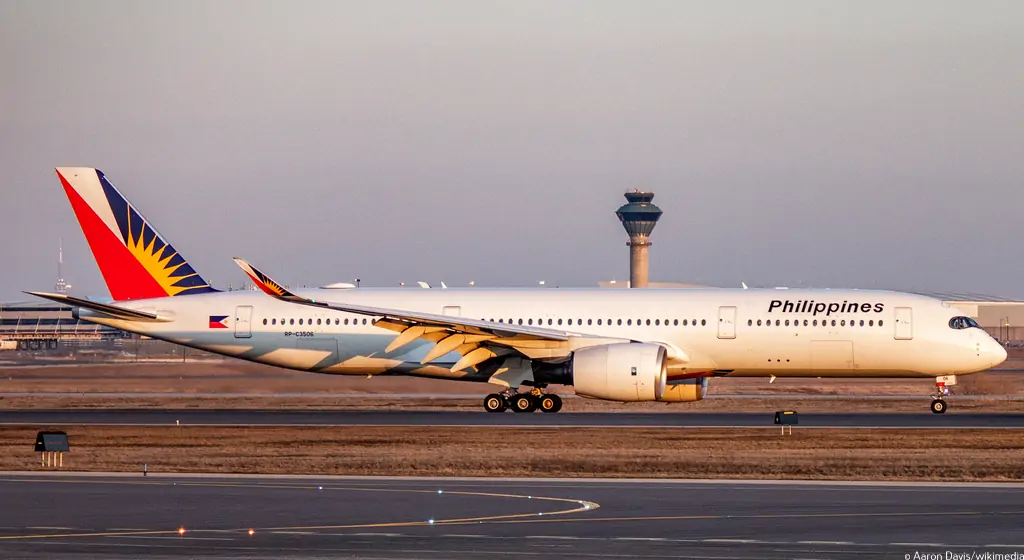
Philippine Airlines is on the verge of placing one of the most consequential aircraft orders in its recent history. Industry sources indicate that PAL is set to acquire 15 Boeing 787-10 Dreamliners and nine Airbus A350-1000 jets, splitting its widebody expansion between the world's two dominant commercial aircraft manufacturers. The announcement is expected at the Farnborough Airshow later this month.
The Boeing component of the deal would mark the Philippine flag carrier's first purchase from the American manufacturer in nearly two decades — a significant shift for an airline whose widebody fleet has long leaned on Airbus metal.
The President's Hint That Started It All
The deal did not emerge from thin air. PAL's president disclosed at an industry summit in June that the airline intended to place new aircraft orders within the next couple of months. Reports had since circulated that the carrier was leaning toward splitting an order for roughly 20 planes between Airbus and Boeing — a figure that the latest disclosures now appear to substantially exceed.
A Hidden Engine War
The 787-10 selection automatically triggers a separate competition that will play out behind the scenes: a head-to-head engine contest between Britain's Rolls-Royce and American powerhouse GE Aerospace. Both manufacturers offer engines certified for the 787 family, and PAL's eventual choice will carry significant commercial and diplomatic weight.
Retiring the Old Guard
PAL currently operates a mixed widebody fleet dominated by older-generation Airbus A330s and Boeing 777s, supplemented by a small number of the newer A350s. The incoming 787-10s will compete directly in the same market segment as the Airbus A330neo — the upgraded successor to the very jets PAL is seeking to eventually phase out.
Geopolitics in the Cabin
The timing of Boeing's return to PAL's order book is not incidental. Following a global showdown over tariffs, Washington has been actively working to reduce its trade deficit with the Philippines, which stood at nearly five billion dollars in 2024. Manila has publicly pledged to increase imports from the United States — and a major Boeing purchase fits neatly into that diplomatic calculus.
An Airline in Full Expansion Mode
PAL is not simply replacing ageing jets. The airline is growing. The Philippines is planning an entirely new international airport, providing the infrastructure backbone for expanded operations. Last month, PAL announced it would join the oneworld Alliance — ending years of isolation from the world's major airline groupings and opening the door to new codeshare and loyalty partnerships. The Boeing and Airbus orders, once formalized at Farnborough, would give PAL the fleet muscle to back that ambition.
With Inputs from Reuters
Read next
Will Etihad's Boeing Bet Reshape Middle East Skies Before the Farnborough Curtain Rises?
Abhishek Nayar
09 Jul 2026
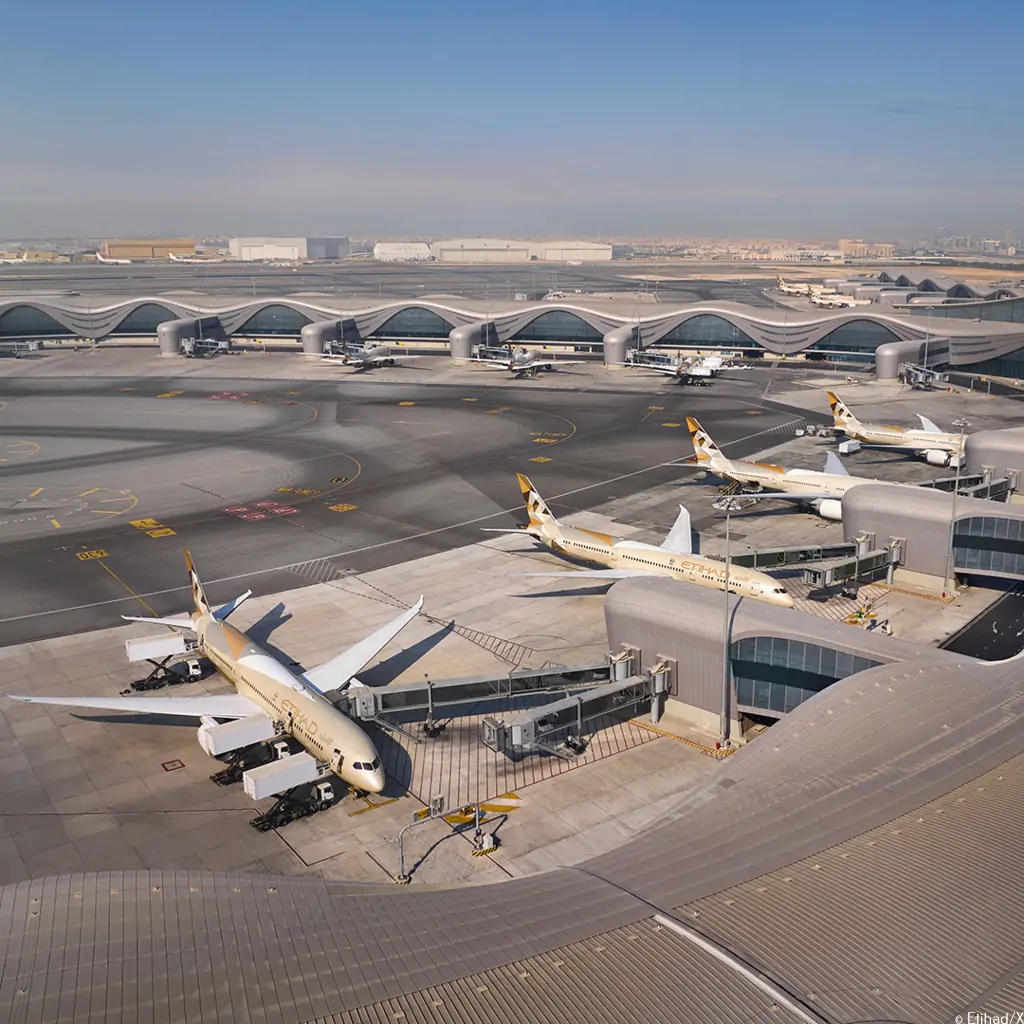
Abu Dhabi's Etihad Airways is edging closer to finalizing an order for 10 Boeing 787 wide-body jets, with industry sources revealing on Wednesday that an announcement could come as early as the Farnborough Airshow, scheduled for July 20 to 24 in Britain. The potential deal marks a significant move for the Gulf carrier as it rebuilds its long-haul network following a turbulent stretch earlier this year.
Nothing Is Signed Yet
Despite the optimism surrounding the talks, sources close to the negotiations were careful to temper expectations. They cautioned that no agreement is guaranteed, as discussions between Etihad and Boeing remain active in the lead-up to the high-profile British aviation event. Farnborough has historically served as the stage for some of the industry's most consequential aircraft orders, and this year's edition appears poised to follow that tradition.
The CEO's Hints
The groundwork for the speculation was quietly laid last month, when Etihad's Chief Executive Officer Antonoaldo Neves mentioned that the airline was actively evaluating the purchase of a double-digit number of wide-body aircraft. Neves did not identify a manufacturer or a specific model at the time, though the emerging Boeing 787 talks now bring considerably more shape to what had been a carefully worded declaration of intent.
The Shadow of the Iran Conflict
Etihad's fleet expansion plans come against a complicated operational backdrop. The airline was forced to cut flights in March after rising fuel prices followed the outbreak of the U.S.-Israeli war on Iran. Those fuel cost pressures hit carriers across the region hard, prompting schedule reductions and route adjustments at a time when Middle Eastern aviation was otherwise showing recovery momentum.
The Region Bounces Back
The broader Gulf aviation market, however, has been demonstrating resilience. Europe's Airbus noted earlier that Middle Eastern airlines were recovering strongly in the wake of the region's fragile ceasefire, with Gulf hubs gradually returning toward normal traffic volumes. That wider rebound appears to have given Etihad the confidence to resume service on affected routes and press ahead with long-term fleet investments.
The Road to Farnborough
As the Farnborough Airshow approaches, attention in the aviation industry will be fixed on whether Etihad and Boeing can close the remaining gaps in their negotiations. A confirmed 787 order would signal that the airline is not merely stabilizing but actively positioning itself for growth in a post-conflict, post-disruption landscape — one where wide-body capacity and long-haul ambition may once again define the region's carrier hierarchy.
With Inputs from Reuters
Read next
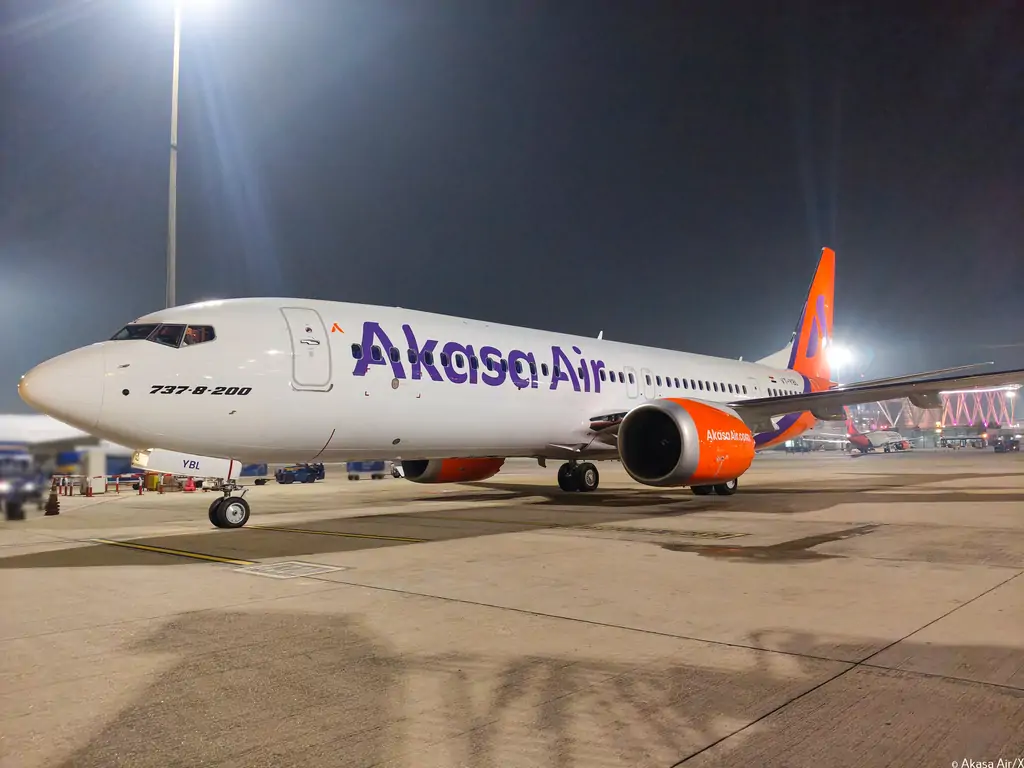
As Akasa Air approaches its fourth anniversary of commercial flying, the airline is preparing to spread its wings into India's regional connectivity mission — and its fleet is growing steadily to support that ambition.
Akasa Air CEO Vinay Dube confirmed that the carrier plans to operate flights under the government's UDAN (Ude Desh ka Aam Naagrik) scheme, which targets air connectivity to unserved and underserved destinations at affordable fares. Rather than making a blanket commitment, Dube said the airline would conduct a careful study on a sector-by-sector basis before identifying which routes to serve under the programme.
A Fleet That Keeps Growing
On the fleet front, Akasa Air has taken delivery of nine new Boeing 737 MAX aircraft so far this year, with Dube describing the pace of aircraft additions as "very steady and predictable." The airline has placed orders for 226 planes in total, and the remaining 186 aircraft are expected to join its fleet by the end of 2032.
The carrier is targeting a 30 per cent increase in capacity during the current financial year, with growth projected to remain in the range of 30 to 40 per cent annually over the next four to five years — a trajectory that positions Akasa as one of the more aggressively expanding carriers in the Indian aviation market.
UDAN Gets a Fresh Push
The timing of Akasa's regional ambitions aligns with a renewed government push for connectivity. A modified version of the UDAN scheme was launched on July 4, refreshing an initiative that originally took off in October 2016. Since its launch, the scheme has helped operationalize 669 routes, connecting 95 airports, heliports, and water aerodromes across the country.
The updated scheme continues to pursue the goal of making air travel accessible to ordinary Indians in cities and towns that have historically lacked reliable connectivity.
Where Akasa Flies Today
Currently, Akasa Air connects 28 domestic and 7 international cities — a network that has been built steadily since the airline began commercial operations. The upcoming anniversary marks four years of flying for a carrier that has grown from a market newcomer into a recognizable force in Indian aviation.
Watching the Fine Print on Government Schemes
Beyond UDAN, two other government-backed financial initiatives are also on Akasa's radar. Dube said the airline is studying the terms and conditions of the ATF Price Stabilization Fund and the Emergency Credit Line Guarantee Scheme (ECLGS) before arriving at a final decision on participation in either programme. The airline has not ruled out joining, but is proceeding with deliberation rather than haste.
A Carrier With a Plan
With a firm fleet order, a mapped-out capacity growth strategy, and a potential entry into regional routes, Akasa Air is signaling that its next chapter will be shaped by both scale and reach — flying more aircraft, to more places, for more Indians.
Comment