
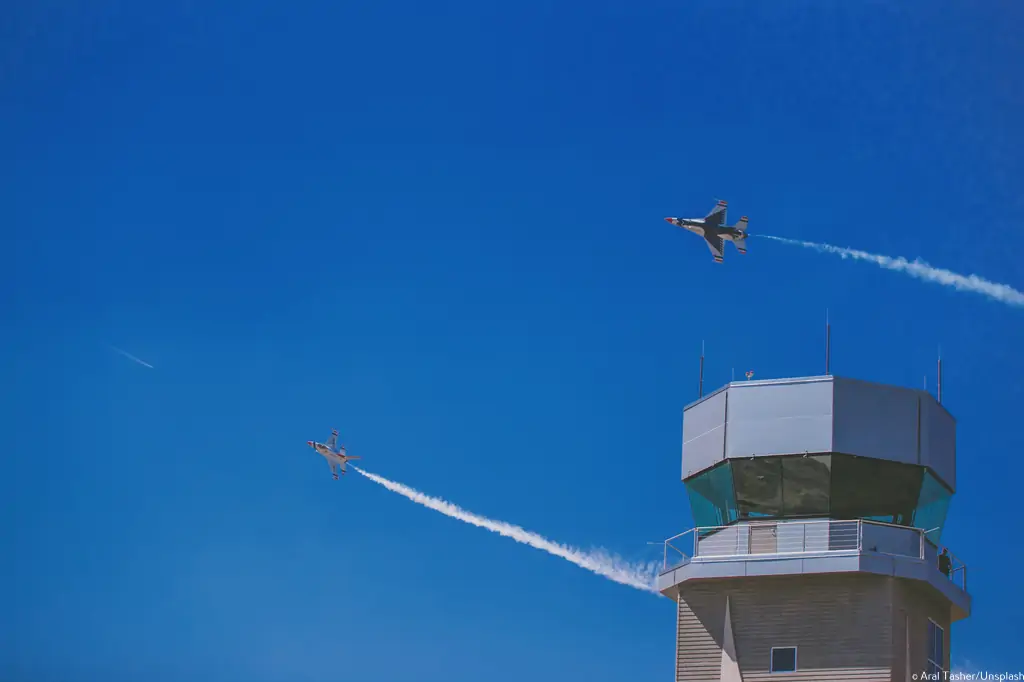
The state of air travel in the United States is facing a critical challenge, as major airlines, under the banner of Airlines for America, are urging the Biden administration to address a long-standing air traffic controller shortage and outdated facilities and technology. With the CEO of Airlines for America, Nick Calio, stressing the need for "more urgency," the aviation industry is calling for immediate action to prevent further disruptions and ensure the safety and efficiency of air travel.
Air Traffic Controller Shortage
The current shortage of air traffic controllers is a pressing concern, impacting airlines and travelers alike. Nick Calio emphasized the severity of the issue, pointing out that airlines have been forced to cut flights in key markets like New York due to the staffing gaps. The Federal Aviation Administration (FAA) remains approximately 3,000 controllers below staffing targets, with only 10,700 certified controllers, a marginal increase from 2022 but down 10% from 2012.
Call for Urgent Government Action & Infrastructure Crisis
In a recent speech, Calio highlighted the inadequacy of the current approach, stating that "business as usual isn't cutting it." The FAA's struggle to meet staffing targets and the consequent reduction in flight schedules have prompted the airline industry to call for a more proactive response from the government. Calio suggested the establishment of a dashboard to measure government progress on aviation initiatives, akin to the U.S. Department of Transportation's tracking of airline customer service commitments.
Beyond the shortage of air traffic controllers, a broader infrastructure crisis is looming over the aviation sector. An independent review team's report in November urged "urgent action" to address the outdated communications system of the FAA, which faces challenges in obtaining spare parts. Many aging air traffic control facilities are plagued with issues such as leaking roofs, broken heating and air conditioning systems, and outdated surveillance radar systems, requiring billions of dollars in replacements.
Historical Neglect and Compounding Issues
Nick Calio pointed to decades of investment neglect as a key factor contributing to the current degradation of the aviation system. The lack of consistent investment year over year has resulted in a system ill-equipped to handle the demands of modern air travel. The urgent need for upgrades and replacements underscores the importance of a strategic and comprehensive plan to address these longstanding issues.
FAA's Response and Ongoing Challenges
The FAA has acknowledged the critical nature of the situation, with the extension of cuts to minimum flight requirements at congested New York City-area airports through October 2024. Transportation Secretary Pete Buttigieg labeled the staffing levels in New York air traffic control as "unacceptable." An inspector general's report from the U.S. Department of Transportation highlighted significant staffing shortages at critical air traffic facilities, leading to controllers working mandatory overtime and six-day work weeks.
Conclusion
As the aviation industry grapples with the dual challenges of a severe air traffic controller shortage and crumbling infrastructure, urgent and decisive action is imperative. The call from major U.S. airlines for the Biden administration to address these issues is a plea for the preservation of safety, efficiency, and reliability in the nation's air travel system. The need for a comprehensive plan, adequate funding, and government commitment is paramount to ensuring the future sustainability of the U.S. aviation sector.
With Inputs from Reuters

Read next
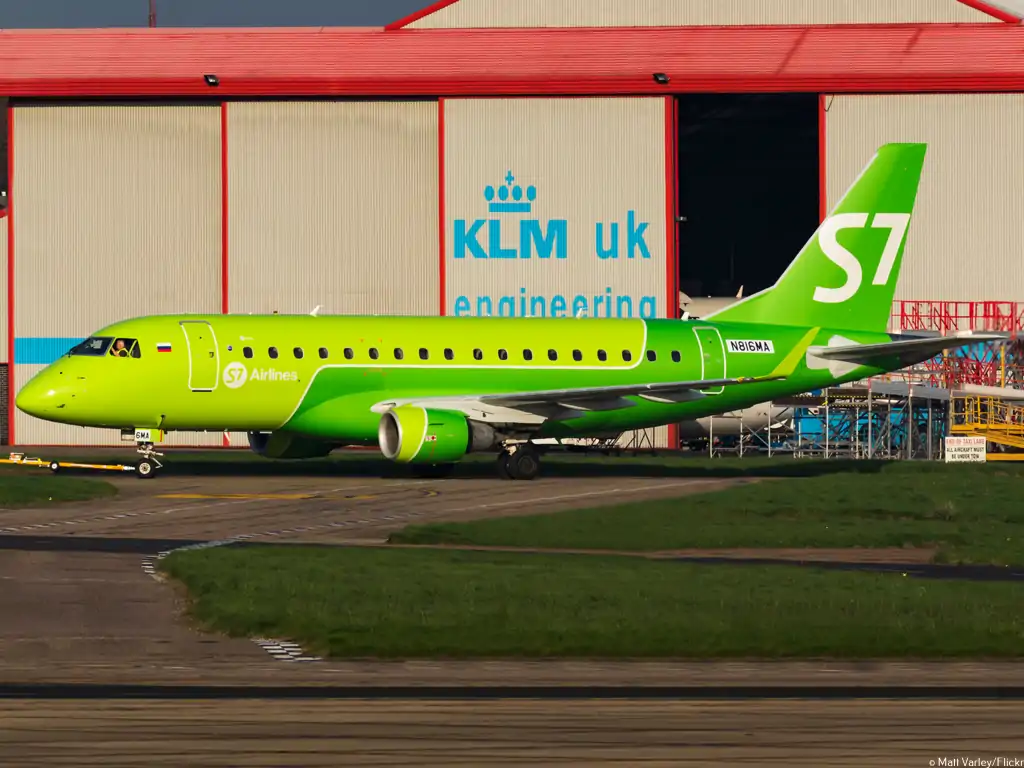
S7 Airlines, Russia's largest privately-owned airline, is grappling with a series of challenges that have prompted the airline to downsize its employee and flight-crew headcount in Moscow. The issues primarily stem from the grounding of a fifth of its aircraft due to problems with Pratt & Whitney engines on its A320neo and A321neo fleet. Compounded by international sanctions against Russia hindering engine repairs, the airline is forced to make difficult decisions impacting its workforce.
Aircraft Groundings and Engine Issues
S7 Airlines, operating a total of 99 aircraft, is facing a critical situation with 25 of its planes currently inactive. Among these are fifteen A320neo and A321neo jets equipped with Pratt & Whitney PW1000G engines. The grounding of these aircraft has necessitated frequency cuts and route changes, impacting the airline's operational capacity.
Sanctions Complicate Engine Repairs
The Pratt & Whitney engine problems are further exacerbated by international sanctions against Russia, preventing timely repairs. This constraint is causing operational disruptions and financial challenges for S7 Airlines, which had already announced a 10-15% reduction in its winter schedules in anticipation of the grounded Airbus narrowbodies.
Moscow Workforce Reductions Linked to Expansion Plans
The decision to downsize staff numbers in Moscow is not solely a response to immediate challenges but is also connected to S7's broader strategy. The airline aims to expand its presence in Russia's regions, with a particular focus on strengthening its main hub at Novosibirsk. The move allows S7 to capitalize on lower competition in regional markets while strategically positioning itself for future growth.

Offering Alternatives to Employees
As part of the downsizing efforts, S7 Airlines is offering some employees the opportunity to relocate to the company's offices in Novosibirsk or Irkutsk. Pilots, faced with potential layoffs, have reportedly been given the chance to retrain with different aircraft types, showcasing the airline's commitment to retaining skilled personnel within its operations.
Competitive Landscape and Regional Focus
S7 Airlines currently operates 22.7% of its total capacity at Novosibirsk and 23.7% at Moscow Domodedovo. With plans to bolster its presence in Novosibirsk, the airline aims to leverage its headquarters in Ob, Novosibirsk Oblast, and tap into regional markets where it faces less competition. The restructuring is a strategic move to adapt to changing market dynamics and ensure sustained growth.
Industry Responses and Speculations
Aeroflot and its budget subsidiary, Pobeda, have expressed readiness to hire laid-off flight attendants from S7 Airlines. However, industry insiders interviewed by Kommersant speculate that workforce reductions at S7 may signal broader challenges in the Russian aviation sector, as overall traffic volumes remain 18% below pre-pandemic levels.
Conclusion
S7 Airlines, confronted with a complex set of challenges stemming from aircraft groundings, engine issues, and international sanctions, is navigating a critical juncture. The decision to downsize its workforce in Moscow is part of a broader strategy aimed at regional expansion and operational optimization. As the airline faces uncertainties, its ability to adapt and innovate will be crucial for overcoming the current hurdles and positioning itself for long-term success in the dynamic aviation landscape.
With Inputs from ch-aviation
Read next
Jet Airways' Revival Faces Hurdles as Creditors Disapprove of Rescue Plan
Abhishek Nayar
19 Jan 2024
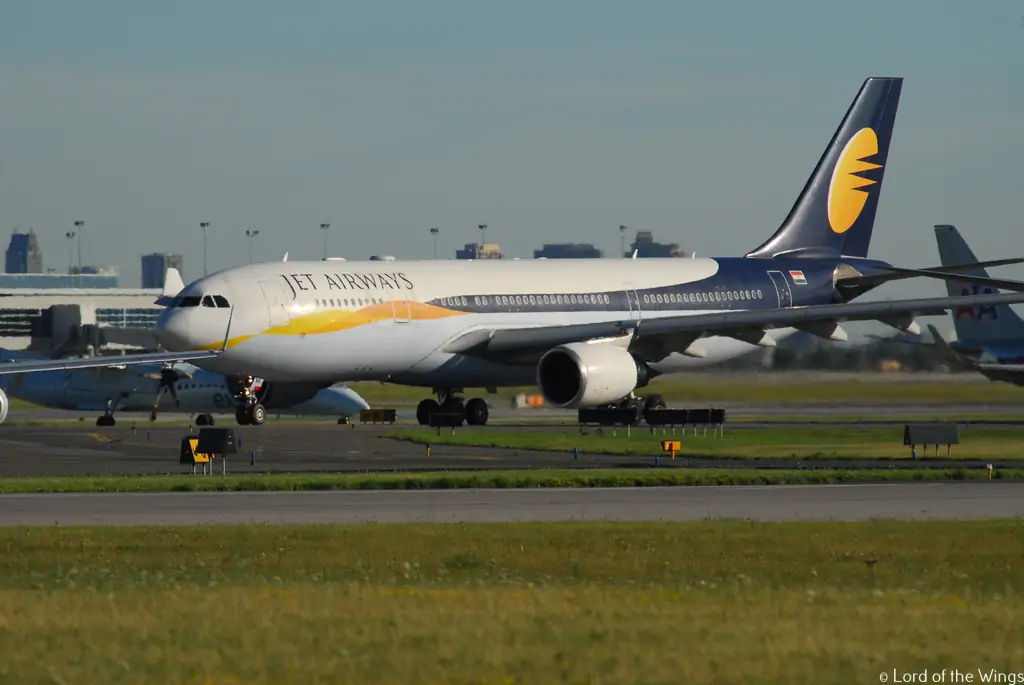
The once-prominent Indian airline, Jet Airways, has faced a tumultuous journey on its path to revival after suspending operations in April 2019 due to financial troubles. Recent developments indicate that disagreements between the airline's creditors and the winning bidders are impeding the revival process. In a hearing with India's Supreme Court, financial creditors expressed disapproval of Jet's current revival plan, raising concerns about its feasibility and compliance with agreed-upon conditions.
Challenges in the Revival Plan
Creditor Disapproval and Unmet Conditions
During the recent Supreme Court hearing, the State Bank of India and other financial creditors voiced their dissatisfaction with Jet Airways' revival plan. The winning bidder, the Jalan-Kalrock Consortium (JKC), is accused of not complying with several conditions outlined in the resolution plan, including delayed payments to workers. The creditors, led by the State Bank of India, emphasized that the rescue strategy in its current form is deemed unworkable.
Financial Discrepancies
Solicitor General Tushar Mehta, representing the lenders, revealed that Jet's financial creditors are entitled to an amount exceeding $935 million. However, the proposed package by JKC amounts to approximately $575 million, payable over a five-year period. Mehta expressed concerns about the delays in receiving the first tranche payment of $42 million, even two years after the approval of the resolution plan. The prolonged hiatus has resulted in significant costs for lenders, including aircraft maintenance and airport parking fees, amounting to around $2.6 million per month.
Regulatory Hurdles
Adding to the challenges, the Directorate General of Civil Aviation (DGCA), India's aviation regulator, declared in December that it would not reissue the Air Operator Certificate (AOC) to JKC. This regulatory setback further complicates Jet Airways' prospects, placing the airline in a precarious situation.
Legal Standoff
JKC's Defense
In response to the allegations, JKC's lawyer, Mukul Rohatgi, refuted the claims and argued that the winning bidders are burdened with more liabilities than initially agreed upon. Rohatgi specifically addressed issues related to gratuity payments and the salaries of Jet's former employees. He asserted that JKC fulfilled its financial obligations, including the $42 million payment, but encountered obstacles created by the lenders. Rohatgi warned that if the current revival plan is rejected, the only remaining option for Jet Airways would be liquidation.
Stalemate and Delayed Revival
Despite positive developments in 2022, such as certification flights and the receipt of an Air Operator Certificate, disagreements over financial liabilities between JKC and the lenders have stymied Jet Airways' revival progress. Initially slated to restart operations concurrently with Akasa Air, Jet's revival plan faces substantial delays, and each passing month makes the prospect of revival increasingly challenging.
Conclusion
Jet Airways, once a leader in India's aviation industry, finds itself ensnared in a complex web of legal and financial challenges on its journey to revival. The discord between the winning bidders and creditors, coupled with regulatory hurdles, raises uncertainties about the airline's future. As the Supreme Court deliberates on the fate of Jet Airways, the aviation industry and stakeholders await a resolution that will determine whether the iconic carrier can overcome its obstacles and soar once again or face the unfortunate reality of liquidation.
Read next

In a significant move, Akasa Air, India's fastest-growing airline, has added Ayodhya as its 18th destination, further solidifying its commitment to expanding domestic operations and providing affordable transportation options. The new route between Pune and Ayodhya via Delhi, operating daily, aims to enhance connectivity between Ayodhya and two major hubs while ensuring a seamless travel experience for passengers.
Efficient Connectivity and Convenience
The strategically planned flights have been introduced for daytime travel during prime hours, offering passengers the convenience of direct connectivity with no aircraft change required at Delhi. This initiative is set to ease the travel experience for those commuting between Ayodhya, Delhi, and Pune, ultimately fostering economic growth, trade, and regional development.
Flt. No. | Dep | Dep time | Dest | Arrival Time | Operating Days | Non-Stop/ Through |
February 15, 2024 | ||||||
QP 1607 | Pune | 08:50 | Delhi | 10:55 | Daily | Through |
Delhi | 11:35 | Ayodhya | 12:55 | |||
QP 1608 | Ayodhya | 13:35 | Delhi | 15:05 | Daily | Through |
Delhi | 15:45 | Pune | 17:50 | |||
Booking Options and Accessibility
Travellers can now book their flights conveniently through Akasa Air's official website (www.akasaair.com), the Android and iOS app, or via several leading Online Travel Agencies (OTAs). This user-friendly approach aligns with Akasa Air's commitment to providing accessible and hassle-free booking options for its customers.
A Testament to Akasa Air's Purpose
Praveen Iyer, Co-Founder and Chief Commercial Officer of Akasa Air, emphasized the airline's founding purpose, stating, "Akasa Air was set up with a purpose to connect people, cultures, and regions, and the addition of Ayodhya to our growing network is a testament to our commitment." He highlighted the spiritual, religious, and cultural significance of Ayodhya, expressing how connecting it to major hubs serves not only the purpose of facilitating travel but also contributes to broader aspects of regional development.
Best-in-Class Services for Passenger Comfort
Akasa Air has prioritized passenger comfort by introducing several best-in-class products and services. The Boeing 737 MAX aircraft feature spacious seating with ample legroom, and a majority of them come equipped with USB ports, allowing passengers to charge their devices on the go. Café Akasa, the airline's onboard meal service, offers a variety of healthy and delectable meals, including festive menus and unique options like Kombucha, providing passengers with an indulgent gourmet experience in the skies.
Inclusivity and Special Services
In a commendable move towards inclusivity, Akasa Air has introduced services such as 'Pets on Akasa,' allowing customers to travel with their pets either in the cabin or cargo based on size. Furthermore, the airline has taken steps to make travel more accessible for individuals with visual impairment by providing safety instruction and onboard menu cards in Braille.
Impressive Growth and Reach
Since its launch in August 2022, Akasa Air has rapidly gained popularity, serving over 6.3 million passengers. The airline now connects with 18 cities across India, including major hubs like Mumbai, Delhi, and Bengaluru, and the recent addition of Ayodhya further solidifies its position as a key player in the Indian aviation sector
Conclusion
Akasa Air's expansion to Ayodhya marks a significant milestone in the airline's journey, reflecting its commitment to providing efficient and affordable air travel options to a diverse range of passengers. With a focus on connectivity, passenger comfort, and inclusivity, Akasa Air continues to make strides in the aviation industry, offering a seamless and enjoyable flying experience for its growing customer base.
Read next
Airbus and Tata Collaborate for State-of-the-Art Pilot Training Centre in Gurugram

Preet Palash
18 Jan 2024
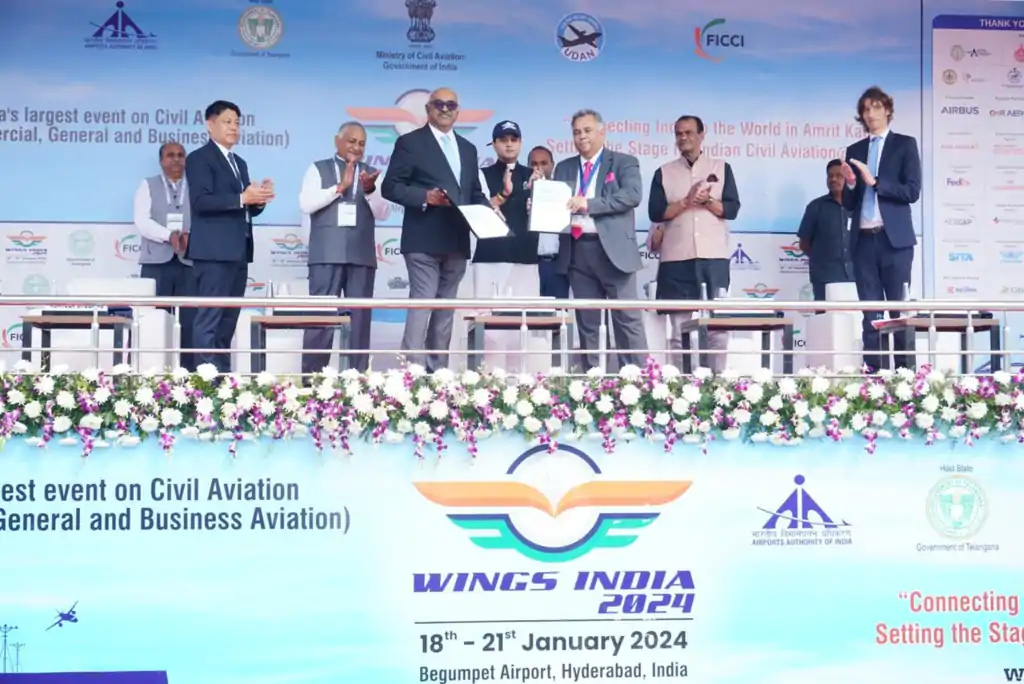
Airbus has entered into a 50:50 joint venture with the Tata-owned Air India to launch a world-class pilot training centre in Gurugram, Haryana.
The Tata Airbus Training Centre will offer A320 and A350 flight training to some 5,000 new pilots over 10 years. The sprawling 3,300 sq.mt. centre will be equipped with 10 Full Flight Simulators (FFS), flight training classrooms and briefing and debriefing rooms as part of the complete Airbus Flight Training Device setup.
The training centre is due to be operational starting early 2025 with the initial installation of four A320 FFS, Airbus said. The Tata Airbus Training Centre will offer courses approved by Directorate General of Civil Aviation (DGCA) and European Union Aviation Safety Agency (EASA).
Airbus has also partnered with GMR Aero Technic to offer Aircraft Maintenance Engineering training courses at the latter’s facility in Hyderabad. Airbus will provide training material such as trainee handbooks, examination database, online access to Airbus customised training modules and Airbus Competence Training (ACT) for Academy media package. Airbus will also train GMR instructors and provide continual assessment of the training centre.
“As the fastest expanding aviation market in the world, India will need 41,000 pilots and 47,000 technicians in the next 20 years to support this growth. The pilot training centre with Air India and the maintenance training partnership with GMR are a testament to Airbus’ commitment to developing human capital. Airbus is directly investing and operating training capabilities to ensure that the growth of the India aviation industry is accompanied by adequate skilled manpower that is readily available,” said Rémi Maillard, President and Managing Director, Airbus India and South Asia.
Airbus is also collaborating with the Vadodara-based Gati Shakti Vishwavidyalaya (GSV), Indian Institute of Technology in Kanpur (IIT Kanpur) and Indian Institute of Science (IISc), Bengaluru, to groom talent for the Indian aerospace sector.
Read next
Akasa Air Expands Fleet with a Historic Order for 150 Boeing 737 MAX Aircraft
Preet Palash
18 Jan 2024
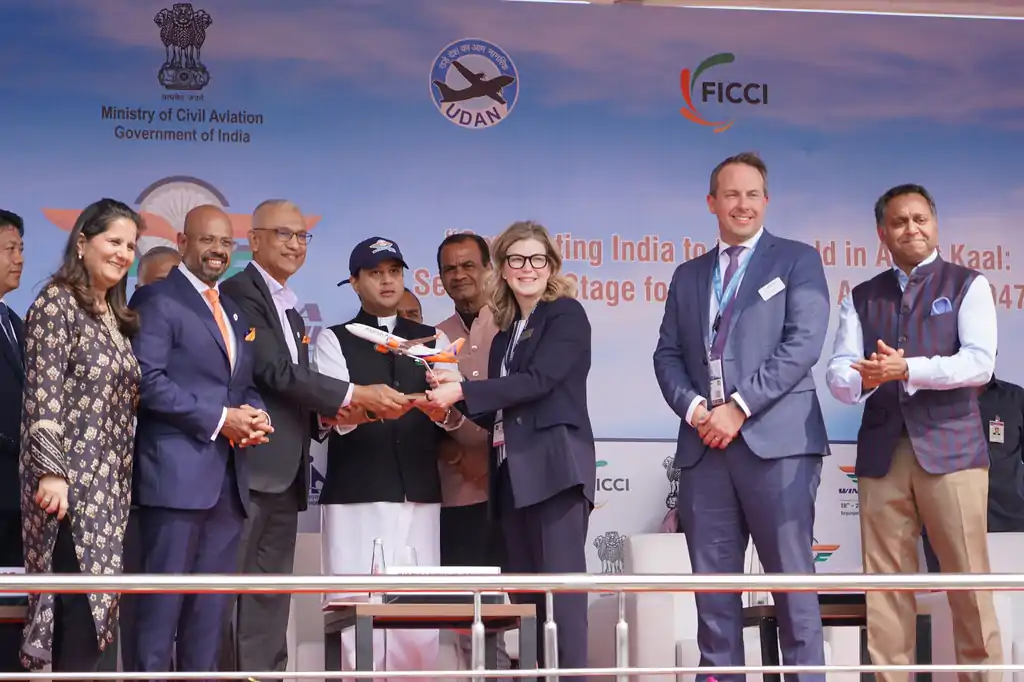
Akasa Air has placed a follow-on for 150-more Boeing 737 MAX order on the first day of Wings India air show in Hyderabad.
The will include 737-10 airplanes and additional 737-8-200 jets.
“We are excited to announce this historic order for 150 new Boeing airplanes, increasing our total orders from Boeing to 226 jets. In addition to supporting our rapid domestic expansion, the efficiency and economics of these new airplanes position Akasa to launch international routes in the coming months,” said Vinay Dube, Akasa Air founder and CEO. “The lower carbon emissions of the 737 MAX family allow us to remain focused on sustainable operations, while also providing our environmentally conscious passengers with a more comfortable way to fly. Sustainability is at the core of our business, and we strive for more opportunities to reduce our impact to the environment.”
Since launching operations in 2022, the airline has captured approximately 4% of India’s domestic market, serving 18 destinations with a fleet of 22 737 MAX jets. It had placed an order of 72 Boeing 737 MAX planes.
“This milestone demonstrates the strength of our partnership with Akasa Air and is a testament to the capabilities of the 737 MAX family to further the airline’s operational priorities,” said Stephanie Pope, Boeing Chief Operating Officer. “The efficiency and versatility of the 737-10 and 737-8-200 will support Akasa Air’s expansion to meet soaring demand for air travel in the region for many years to come.”
This order was finalized in December 2023 and was unidentified on the Boeing Orders & Deliveries website.
Comment