
AIESL Thiruvananthapuram MRO Soars to New Heights by becoming the first MRO in India with Historic Boeing 737-8 Max Major-Check Completion

Pankaj Kumar Karn
10 Nov 2023
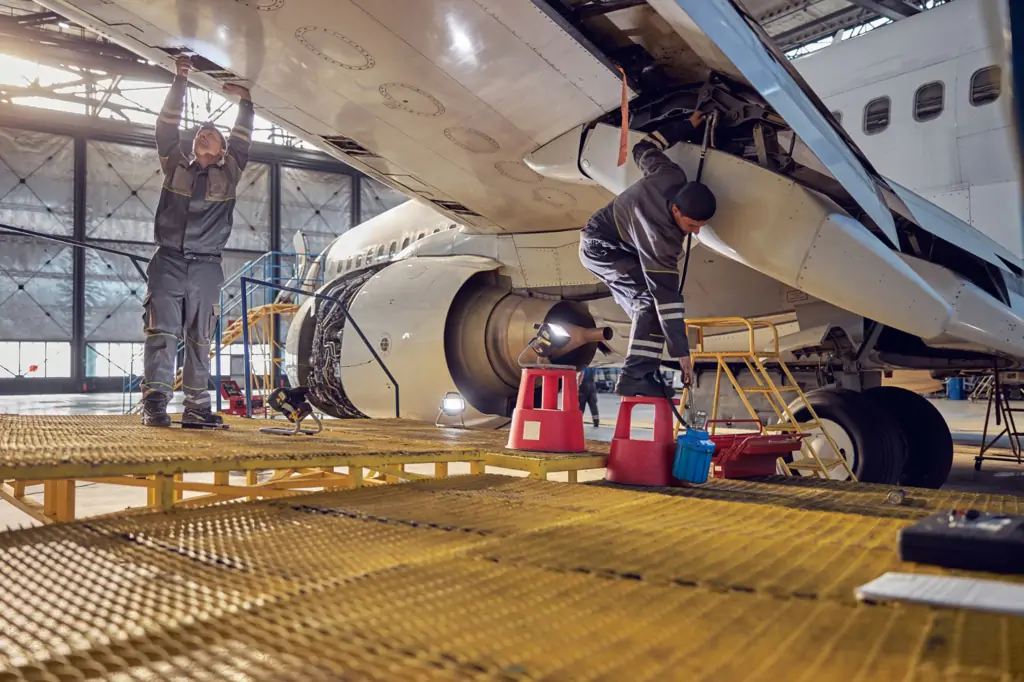
In a remarkable achievement for the Indian aviation industry, Air India Engineering Services Limited (AIESL) Thiruvananthapuram Maintenance, Repair, and Overhaul (MRO) facility has reached a significant milestone by successfully completing the first Boeing 737-8 Max aircraft major check in India. This remarkable feat follows closely on the heels of their accomplishment of performing the first major check approved by the Federal Aviation Administration (FAA) on an A320 NEO aircraft. AIESL Thiruvananthapuram MRO's journey to excellence is a testament to its dedication to precision, quality, and innovation.
Significance of the Boeing 737 Max & Airbus A320 NEO aircraft major Check Completion
Completing the first Boeing 737 Max major check in India is a groundbreaking achievement for AIESL Thiruvananthapuram MRO and the entire Indian aviation industry. The major check is one of the most comprehensive and complex maintenance tasks, involving a thorough inspection, repair, and overhaul of the aircraft's critical components. TRV MRO is certified by DGCA, India & FAA, US for completing major checks on Boeing 737NG & MAX aircraft and the Airbus A320 family with both CEO & NEO engine versions. TRV MRO is currently in the process of obtaining certification from the European Union Aviation Safety Agency (EASA). Once EASA approval is secured, the MRO facility anticipates an influx of foreign carriers' aircraft for comprehensive maintenance checks.
TRV MRO boasts a cutting-edge component overhaul division that maintains B737 aircraft wheels, brakes, batteries, and pressure vessel components. Additionally, the facility is in the process of establishing a comprehensive structural repair shop, complete with advanced composite repair facilities.
This milestone underscores several key points:
Safety and Compliance: The successful completion of the Boeing 737 Max & Airbus A320 NEO major check is a testament to the facility's commitment to safety and adherence to international aviation standards, including stringent FAA regulations.
Enhanced Reputation: TRV MRO's achievement further establishes India as a destination for high-quality aircraft maintenance services, attracting both domestic and international carriers seeking top-notch maintenance solutions.
Cost Efficiency: The ability to perform major checks on ultra-modern Boeing 737 Max and Airbus A320 NEO aircraft within the country reduces maintenance costs for Indian airlines and enhances their competitiveness.
A Glimpse into the History of AIESL Thiruvananthapuram MRO
The journey of AIESL Thiruvananthapuram MRO, located near the Trivandrum International Airport, was inaugurated by then Civil Aviation Minister (State) Mr. Vyalar Ravi on 16th Dec 2011. Over the decade, it has evolved into a state-of-the-art facility specializing in aircraft maintenance, repair, and overhaul. Initially established to serve Air India Express's fleet, the facility has since expanded its services to cater to a broader clientele, including SpiceJet and Vistara Airlines. The MRO boasts a team of highly skilled and trained professionals, advanced equipment, and cutting-edge technology to ensure top-notch aircraft maintenance services.
Importance of AIESL Thiruvananthapuram MRO for Kerala
Economic Boost: AIESL Thiruvananthapuram MRO is pivotal in bolstering Kerala's economy. The MRO facility is a source of employment for skilled technicians and engineers in the region, contributing to job creation and economic growth.
Skill Enhancement: The MRO facility has become a hub for skill development in the aviation sector. It offers training programs and apprenticeships, enabling young professionals to acquire specialized skills and pursue rewarding careers in aircraft maintenance.
Technological Advancement: AIESL Thiruvananthapuram MRO is at the forefront of technological innovation in the aviation industry. Its successful completion of the Boeing 737 Max C check demonstrates its capability to handle the latest aircraft models, enhancing India's reputation in the global aviation market.
Read next

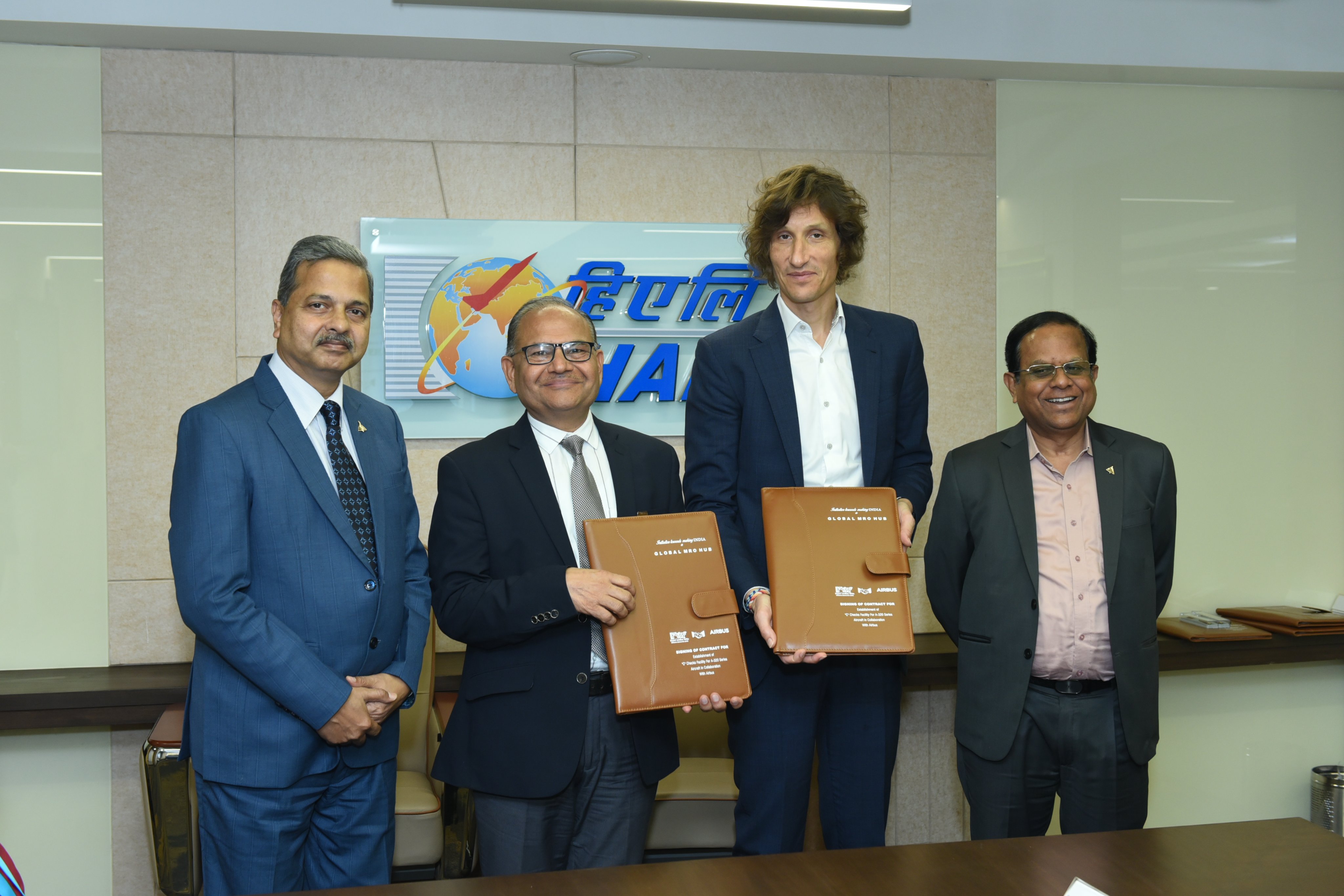
Hindustan Aeronautics Limited (HAL) and Airbus have on November 9 inked a deal to establish MRO facilities for the A320 family of aircraft in Nashik, Maharashtra. This collaboration with the largest European aircraft manufacturing company will strengthen the Make-in-India mission by achieving self-reliance in India’s aircraft maintenance, repair, and overhaul (MRO) industry, HAL said in a statement.
It also added that the facility will be established and ready for aircraft induction by November 2024 after getting the requisite DGCA approval. This Nashik facility is expected to be available for the entire Asian region after obtaining EASA approval in partnership with Airbus. The company added that it intends to establish integrated MRO services in India and seeks to provide commercial airlines with a one-stop MRO solution in a "one-of-a-kind" facility in the country.
HAL's Nashik division has capabilities in civil MRO, which include the Directorate General of Civil Aviation (DGCA)-approved three hangars and skilled manpower from their defence activities Airbus will also offer HAL access to AirbusWorld, a digital platform that offers support, technical data and training solutions.
Benefits for the Indian MRO Industry
Under the collaboration, Airbus will supply the A320 family tool package and offer specialised consulting services to HAL to establish an MRO facility for A320 aircraft. The partnership between HAL and Airbus will support the growing demand for MRO services in India and help expand the commercial fleet, especially that of the A320 aircraft, HAL said in the stock exchange filing.
“HAL wants to establish an integrated MRO hub in the country and provide Airlines with an effective MRO solution. This step by HAL is also aligned to civil-military convergence and the 'Make-in-India' mission of the Government of India,” said Saket Chaturvedi, CEO (MiG Complex), HAL.
Remi Maillard, President & Managing Director, Airbus India and South Asia, emphasised that Airbus is committed to helping with the growth of the aviation ecosystem in India and in developing a strong MRO infrastructure, which is a key element of this ecosystem. "An indigenous MRO infrastructure will not only help airlines streamline their aircraft operations, but also support the government's aim of making India a global aviation hub. And HAL with its deep experience in the aerospace industry is well positioned to trigger the growth of this sector,” he said.
The HAL and Airbus collaboration envisages a substantial reduction in lead time, improved turnaround time, and reduction in MRO costs, thereby increasing the availability of the fleet for flight operations, the statement further said.
Under the agreement, Airbus will also offer HAL access to AirbusWorld, a digital platform that offers support, technical data and training solutions. Airbus began as a consortium of aircraft makers called Airbus Industries. Later, in 2001, it became a joint-stock company. It was owned by the European Aeronautic Defence and Space Company (EADS) (80%) and BAE Systems (20%). BAE sold its part of the company to EADS in October 2006, so EADS now completely owns the company.
In terms of size, Boeing 747, the ‘Queen of the Skies’, dominated for decades. Airbus took it head-on first by making an even larger plane, the double-decker A380. Both planes were quad-jets designed for long-haul, high-volume flights where getting the cost per seat mile as low as possible was the goal. Air India operates a fleet of Airbus and Boeing aircraft, serving 102 domestic and international destinations. The airline has its hub at Indira Gandhi International Airport, New Delhi, alongside several focus cities across India.
HAL is slated to announce its Q2 FY24 result later on November 10. Ahead of the earnings announcement at 9:32 AM, HAL shares were trading 2% higher at INR 2,072.00 on the National Stock Exchange. So far in 2023, HAL stock has soared 63%, outperforming benchmark Nifty 50.
Brokerage call on HAL
HAL is among JM Financial's top defence stock picks as it believes that the company is likely to be a key beneficiary of changing structural trends in the Indian defence sector mentioned MoneyControl. In its note, the brokerage said, "We believe structural earnings drivers in place as an increasing capital outlay in defence with indigenisation has been the focus area of government considering the requirement of armed forces of faster procurement of modern equipment."
The report further added that for HAL, the key growth drivers would be --- Only sole primary supplier of India's military aircraft; Big beneficiary of Government focus on developing indigenous defence aircraft; Strong technological capabilities due to the development of more advanced platforms such as Tejas and Advanced Medium Combat Aircraft; and Strong Order Book provides good earnings visibility (At present it has INR 81,800 crore with a strong pipeline over INR 2 lakh crore). Also, HAL's recent earnings are steady due to strong sales and better operational performance.
"We believe HAL is well placed to tap growth with its focus on strengthening its R&D and its recent pact with GE Aerospace and France-based Safran Aircraft Engines augers well. It is also stepping up international business with its indigenous range of light combat aircraft Tejas, advanced light helicopters, light utility helicopters, and light combat helicopters," said JM Financial.
Stiff competition, any delay in the execution of orders, and a slower pace of fresh order intake are among the key risks. Any delay in passing over costs due to high input costs would add pressure on margins, it added. The brokerage has a buy rating on the stock with a target price of INR 2,230.
(With Inputs from MoneyControl)
Read next
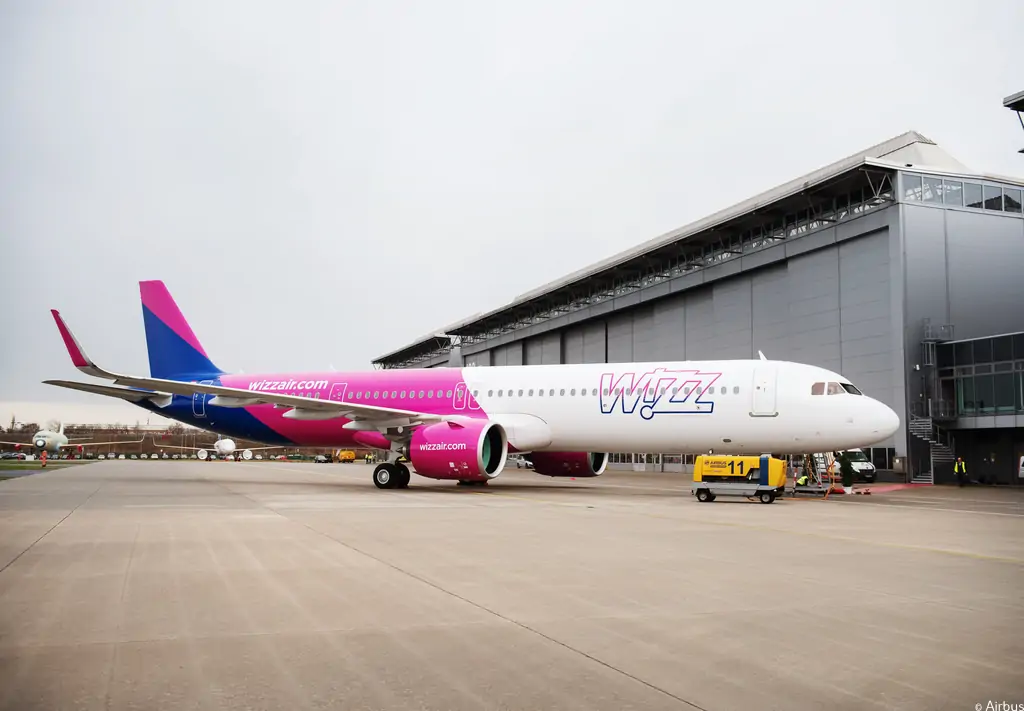
European budget carrier Wizz Air has recently revised its annual profit forecast, citing ongoing macroeconomic uncertainty and challenging operational conditions. This adjustment, below analyst expectations, has led to a 6.3% decline in the airline's share price. Despite robust results from other European airlines this quarter, Wizz Air highlights concerns about jet fuel prices, supply chain issues, and a lack of economic clarity affecting the aviation industry.
Financial Performance and Setbacks
Wizz Air, like several other carriers, grappled with challenges, including issues with RTX engines that necessitated a capacity reduction. The airline reported an operating profit of 522.9 million euros ($559.8 million) for the six months ending on Sept. 30, a significant improvement from the loss of 63.8 million euros a year earlier. However, the impact of engine issues contributed to a narrower net income guidance for the financial year, now ranging between 350 million euros and 400 million euros.
Guidance and Operational Perspectives
The revised guidance for the financial year reflects the company's expectations for the second half, ending on March 31, amid continued macroeconomic uncertainty and challenging operating conditions. Jozsef Varadi, the Chief Executive, emphasized the impact on infrastructure and security perspectives. Despite the challenges, Varadi expressed confidence in the airline's resilience, attributing the positive results to increased operational volumes and substantial investments made over the past three years.
Industry-Wide Concerns
The aviation industry is grappling with broader concerns beyond individual carriers, with Wizz Air's situation shedding light on common challenges. Rising jet fuel prices, supply chain disruptions, and a lack of economic clarity have been cited as factors affecting the sector. Industry experts warn that these issues could have a lasting impact, potentially influencing competition and pricing throughout the summer of 2024.
Investor Sentiment and Market Reaction
The announcement has not gone unnoticed in the financial markets, with Wizz Air's share price experiencing a 6.3% decline following the adjustment in profit forecasts. Investors, such as Jamie Lindsay from Artemis Investment Management, anticipate a noticeable impact on competition and pricing well into the next summer season, given the small proportion of the European short-haul fleet that is currently grounded.
Conclusion
Wizz Air's revised profit forecast underscores the challenges faced by the airline industry, with macroeconomic uncertainty and operational difficulties impacting carriers' financial outlooks. As the aviation sector navigates issues such as engine problems, supply chain disruptions, and fuel price volatility, industry players must remain vigilant to sustain resilience and adaptability in an ever-evolving landscape. The coming months will likely see how these challenges unfold and influence the broader market dynamics for European airlines.
With Inputs from Reuters
Read next
Scoot Considers Lease Extension for Airbus A320ceo Amid Pratt & Whitney Engine Issues

Abhishek Nayar
10 Nov 2023

Singapore Airlines' low-cost subsidiary, Scoot, is facing challenges with its Airbus A320ceo aircraft equipped with Pratt & Whitney engines. Chief Executive Leslie Thng revealed that the airline is contemplating the extension of leases for some A320ceo planes to mitigate the impact of engine-related problems.
This move comes as Pratt & Whitney, the engine manufacturer's parent company, warned of a rare powder metal defect that could lead to component cracking, prompting accelerated inspections and potential groundings of hundreds of Airbus jets.
Current Fleet Status
As of end-September, Scoot's fleet comprises 20 A320ceo aircraft. The airline is currently assessing how many of these are under lease and the number of leases being considered for extension. The flexibility of returning A320ceos in 2024 provides Scoot with an opportunity to navigate the challenges posed by Pratt & Whitney engine issues.
Operational Disruptions
Chief Executive Leslie Thng disclosed that problems with Pratt & Whitney engines have resulted in the grounding of two A320ceo aircraft, affecting a total of four engines. Scoot is actively working on resolving these issues, with the goal of returning one of the grounded aircraft to service by the end of the month. The airline is navigating operational disruptions and striving to minimize the impact on its schedule and passenger services.
Pratt & Whitney's Powder Metal Defect
Pratt & Whitney's parent company, Raytheon Technologies (RTX), identified a rare powder metal defect in the engines, raising concerns about the potential for component cracking. This discovery prompted the manufacturer to call for accelerated inspections across affected Airbus fleets. The checks are anticipated to lead to the grounding of 600-700 Airbus jets between 2023 and 2026, with a significant portion of engine removals planned for 2023 and early 2024.
Industry Impact and Response
The issues with Pratt & Whitney engines have broader implications for the aviation industry. With the potential for hundreds of Airbus aircraft to be grounded for inspections and necessary repairs, airlines around the world are grappling with the challenge of maintaining operational efficiency. The situation has led carriers, including Scoot, to explore various strategies, such as lease extensions, to manage the impact on their fleets and ensure the continuity of services.
Conclusion
Scoot's consideration of extending leases for Airbus A320ceo aircraft reflects the broader challenges faced by airlines in the wake of Pratt & Whitney's engine issues. As the aviation industry navigates these disruptions, airlines are actively seeking solutions to minimize the impact on their operations and passenger services. The outcome of Scoot's deliberations on lease extensions will be closely watched, highlighting the collaborative efforts required to address and overcome challenges in the dynamic aviation landscape.
With Inputs from Reuters
Read next
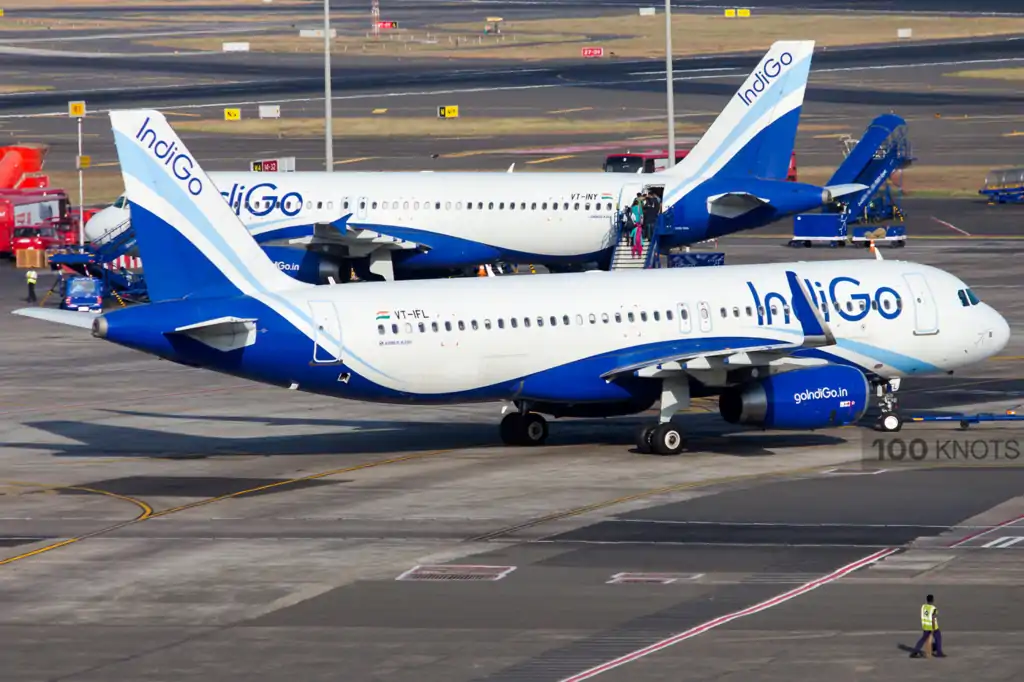
IndiGo, one of India's prominent low-cost carriers, has recently provided further details regarding the impact of the Pratt & Whitney powder metal issue on its fleet. The airline anticipates approximately 35 aircraft to be grounded during the first quarter of 2024, shedding light on the challenges posed by the ongoing engine concerns.
Background
In a statement released on November 7, 2023, IndiGo acknowledged receiving additional information from Pratt & Whitney, the engine manufacturer, about the powder metal issue. This development comes after the airline hinted at a potential increase in engine removals during its Q2 earnings call, raising concerns about a higher number of groundings in the January to March quarter of 2024.
Current Fleet Status
IndiGo, operating a substantial fleet of 178 A320-200Ns and ninety-four A321-200NX, is already contending with operational disruptions. As of now, thirty-four A320-200Ns and eleven A321-200NX are reported to be out of service, albeit for reasons that vary. These groundings are expected to be incremental to the existing number of aircraft on the ground.
Airline's Outlook
Despite the challenges, IndiGo remains optimistic about its long-term capacity and growth prospects. The airline has a significant order book with Airbus, with an additional 954 A320neo narrowbodies on order. This reflects IndiGo's commitment to expanding its fleet and maintaining a dominant presence in the competitive aviation market.
Collaboration with Pratt & Whitney
IndiGo emphasizes its ongoing collaboration with Pratt & Whitney to gather more information on the powder metal issue. The airline is actively working towards implementing mitigation measures to minimize the impact of aircraft-on-ground (AOG) situations on its capacity in the fourth quarter of FY23-24 and beyond.
Conclusion
The Pratt & Whitney powder metal issue continues to pose challenges for IndiGo Airlines, leading to an anticipated increase in grounded aircraft during the first quarter of 2024. As the airline navigates these challenges, its collaboration with Pratt & Whitney and commitment to long-term growth signal its determination to overcome the current setbacks. IndiGo's ability to address and mitigate these issues will be closely watched, especially given its substantial order pipeline and the competitive dynamics of the aviation industry.
With Inputs from ch-aviation
Comment