
Airbus A350's Automatic Emergency Descent (AED): A Revolutionary Safety Innovation in Commercial Aviation

Sakshi Jain
02 Sep 2025
When passengers settle into their seats at 35,000 feet, breathing normally and comfortably, they rarely think about the invisible shield protecting them from the harsh environment outside. At cruising altitude, the thin air contains insufficient oxygen to sustain human consciousness for more than seconds. This reality makes cabin pressurisation one of aviation's most critical safety systems—and its failure one of the most potentially catastrophic scenarios a flight crew can face!
Against this backdrop, Airbus has pioneered a revolutionary safety invention with the A350's Automatic Emergency Descent (AED) system. This system represents more than just another automated feature; it embodies a fundamental shift in how modern aircraft can protect their occupants when human response may be compromised or insufficient.
A350's Safety Architecture
The A350 XWB represents a quantum leap in commercial aviation technology, introducing several features that distinguish it from all previous aircraft designs. The aircraft's extensive use of carbon-fibre-reinforced polymers (CFRP) constitutes a significant portion of its structure, delivering a lighter yet more robust airframe that enhances fuel efficiency and overall performance.
The A350 features larger and better-positioned screens, providing enhanced visibility of information across the cockpit and extended interactivity for the Flight Crew. The cockpit layout, using 6 identical large screens, makes the task of sharing operational information between pilots much easier.
This enhanced cockpit design works synergistically with the AED system, ensuring that pilots receive clear, immediate alerts when depressurisation events occur.
The aircraft's fly-by-wire system enables seamless integration between various systems. It allows the AED to communicate effectively with the autopilot, cabin pressurisation monitoring, and terrain avoidance systems.

Understanding Rapid Decompression
Cabin depressurisation events, while extremely rare, present one of aviation's most time-critical emergency scenarios. At typical cruising altitudes of 30,000-45,000 feet, the outside air pressure is insufficient to sustain human consciousness. Aircraft maintain cabin pressure equivalent to an altitude of approximately 6,000-8,000 feet, creating a habitable environment for passengers and crew.
When this pressurised environment fails, the consequences unfold with terrifying speed. At 35,000 feet, pilots have as little as 15 seconds of useful consciousness before hypoxia—oxygen starvation—begins affecting their cognitive abilities and decision-making capacity. This narrow window leaves virtually no margin for error in executing emergency procedures.
Helios Airways Flight 522
The tragic Helios Airways Flight 522 accident in 2005 starkly illustrated these dangers. After a pressurisation system failure went unnoticed, the aircraft continued climbing to 33,000 feet while the crew gradually succumbed to hypoxia. The aircraft flew on autopilot for hours before crashing, claiming 121 lives.
This accident, along with similar incidents involving business jets, highlighted a critical gap in aviation safety: what happens when rapid decompression incapacitates the flight crew?
General Procedure After Rapid Decompression
Traditional emergency procedures require immediate pilot recognition, donning of oxygen masks, and initiation of emergency descent procedures while communicating with air traffic control and passengers. This complex sequence of actions must occur within seconds, under extreme stress, potentially while experiencing the early effects of oxygen deprivation. The human factors challenges are immense.
These realities drove Airbus engineers to develop a system that could bridge the gap between human limitation and technological capability, creating a safety net that activates precisely when human performance may be most compromised.

Rapid Decompression Emergency
When cabin pressure drops below the predetermined threshold, the A350's systems immediately spring into action, creating a carefully orchestrated sequence of alerts and automated responses designed to support pilots through this critical emergency.
The process follows-
- Cabin altitude warning that alerts the flight crew to the depressurisation event
- Pilots immediately don their oxygen masks and execute the emergency checklist
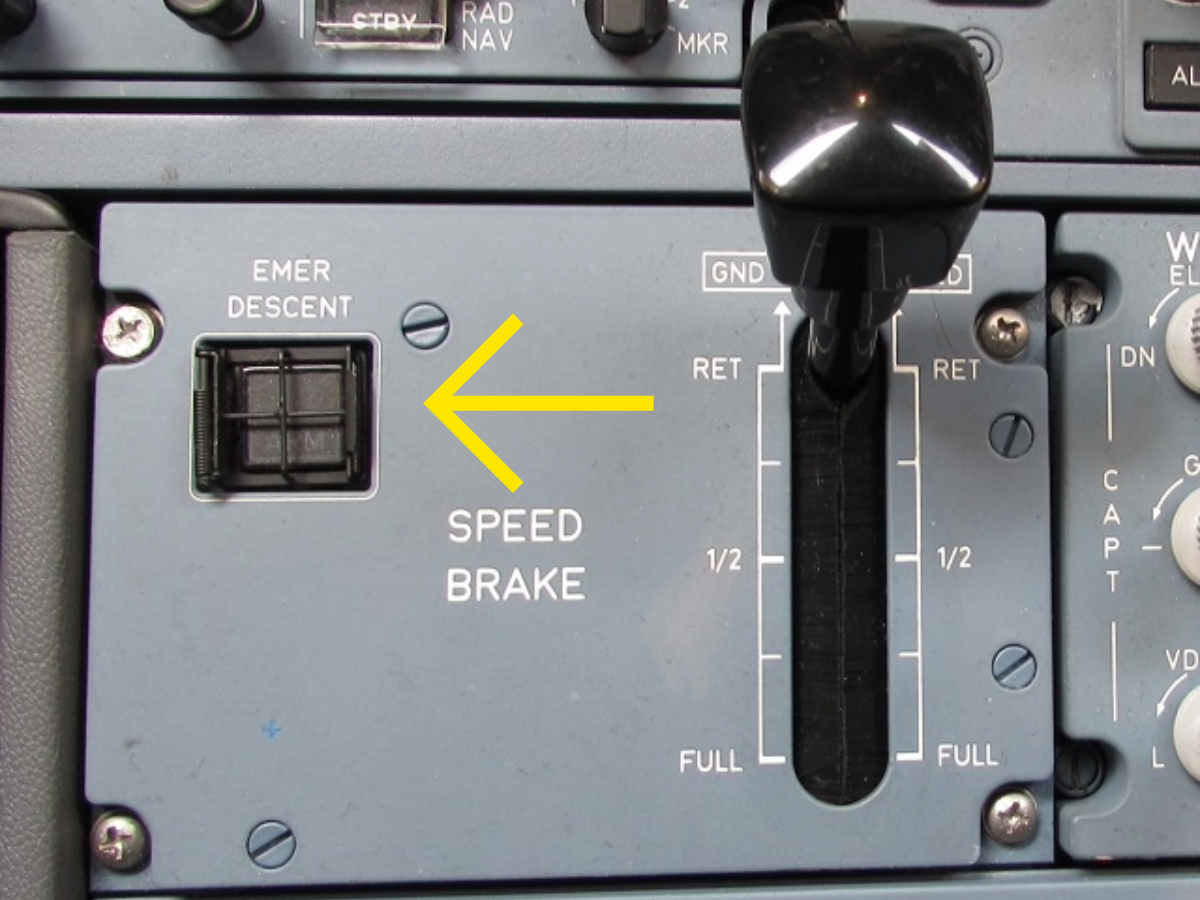
- Under normal circumstances, they would manually initiate an emergency descent by reducing power, extending speed brakes, and initiating a rapid descent to 10,000 feet—an altitude at which oxygen masks are no longer required.
However, the AED system introduces a revolutionary backup option!
Pilots can initiate the emergency descent by pressing a button and extending the speed brakes, after which the aircraft will automatically manoeuvre while avoiding potential high terrain, such as mountain ranges. This "one-button" activation dramatically reduces pilot workload during the most critical phase of the emergency.
The system's true innovation lies in its fully automatic mode.
If pilots fail to respond to the depressurisation alert within 15 seconds—potentially indicating incapacitation—the AED system assumes control.
It automatically engages the autopilot, initiates the emergency descent profile, and navigates around terrain obstacles without any human intervention.
This automated response includes several sophisticated elements: the system calculates the optimal descent path, considering aircraft weight, current atmospheric conditions, and terrain features. It maintains safe speeds while achieving maximum descent rates, and it can even deviate from the original flight plan if necessary to avoid obstacles or comply with emergency descent profiles.

Engineering Collaboration
The project demanded seamless integration between 2 critical aircraft systems that had never been connected in this way: the autopilot system and the cabin pressurisation monitoring system.
The technical challenge was significant.
The autopilot test bench in Toulouse, France, needed to communicate in real-time with the cabin pressurisation facility in Hamburg, Germany. Without this connection, testing would have required using actual aircraft, dramatically extending development timelines and costs.
"The autopilot test bench is in Toulouse, France, and the cabin pressurisation facility is in Hamburg, Germany," explained Yann Besse, an autopilot laboratory test team engineer for Airbus. The inability to connect these sites "would have meant having to do the AED system's testing on a real aircraft, which would take much longer."
The solution required both technical innovation and human collaboration. Engineers from Toulouse travelled to Hamburg for intensive coordination meetings, sharing detailed knowledge about how their respective systems operated.
Project leader Florent Lanterna emphasised that the AED development exemplified "Airbus' continuous improvement philosophy," showing how the company approaches safety not as a fixed target but as an evolving commitment requiring constant innovation and improvement.

A350-1000: Leading the Future of Automated Flight Safety
The A350-1000 variant serves as the flagship platform for Airbus's most advanced safety innovations. The A350-1000 offers improved fuel efficiency, enhanced aerodynamics, and greater passenger comfort compared to its predecessors, with a seating capacity of about 350-410 passengers and a range of up to 8,700 nautical miles.
The AED system became standard equipment on all A350-1000 aircraft following its successful debut with Qatar Airways (QR) in February 2018.
The success of the AED system on the A350-1000 paved the way for its certification on the shorter A350-900 variant. The global pilot community specifically requested AED capability, and Airbus test pilots have provided overwhelmingly positive feedback about the system's performance and reliability.
Looking ahead, the A350-1000 continues to lead in autonomous flying capabilities. The aircraft is designed to serve long-haul routes with enhanced aerodynamics and greater passenger comfort, making it an ideal platform for continued innovation in automated safety systems.
As commercial aviation continues evolving toward greater automation and enhanced safety, the A350's AED system stands as a landmark achievement—proof that innovative engineering, international collaboration, and unwavering commitment to safety can produce technologies that genuinely make flying safer for everyone.
Read next
IndiGo's International Expansion: A Cirium Analysis of Q2 2024 vs Q2 2025 Flight Operations
Sakshi Jain
31 Aug 2025
IndiGo (6E), India's largest low-cost carrier, has demonstrated remarkable growth in its international operations between Q2 2024 and Q2 2025, according to Cirium Aviation Analytics data. This analysis examines the airline's strategic expansion across international destinations, showcasing a significant increase in scheduled flights and route diversification. The data reveals IndiGo's ambitious push into international markets, with substantial additions to its flight network spanning destinations across the Middle East, Southeast Asia, and beyond. This expansion represents not only IndiGo's growth trajectory but also reflects the broader transformation of the Indian aviation sector's international presence and competitiveness in the global market.
The comparative analysis reveals IndiGo's substantial operational expansion across multiple aircraft types, with the airline strategically deploying different aircraft configurations to optimize route efficiency and passenger capacity on various international destinations.
Aircraft-Wise Flight Operations Analysis
Airbus A320 Family Operations (A320, A320neo, A321neo, A320 Sharklets)
Looking at the Airbus A320 family operations data for Q2 2025 compared to Q2 2024, several notable trends emerge across India's aviation landscape.
The data encompasses 4 aircraft variants - the A320, A320neo, A321neo, and A320 Sharklets - operating across numerous international routes from major Indian airports including Mumbai (BOM), Delhi (DEL), Bangalore (BLR), Hyderabad (HYD), Chennai (MAA), and Kolkata (CCU).
The most striking pattern is the widespread adoption of the newer A320neo and A321neo variants, which show substantial growth in operations, while the older A320 Sharklets variant demonstrates consistent declines across most routes. For instance, routes from Mumbai show significant increases in neo variant operations, with BOM-SIN A320neo jumping from 0 to 91 flights and BOM-DXB A320neo maintaining 182 flights in both quarters. Conversely, traditional A320 operations show mixed results, with some routes like BLR-HKT declining from 147 to 77 flights, while others like BLR-KBV and BLR-KUL show increases from 0 to 91 flights. The data reveals India's aviation sector's transition toward more fuel-efficient aircraft while expanding connectivity to key destinations in the Middle East, Southeast Asia, and Australia, reflecting both fleet modernization strategies and evolving passenger demand patterns in the post-pandemic recovery period.

Boeing B737 Operations
| Origin | Destination | Q2 2025 Flights | Q2 2024 Flights | Net Change |
|---|---|---|---|---|
| BLR | DOH | 91 | 0 | +91 |
| BOM | DOH | 273 | 0 | +273 |
| CNN | DOH | 91 | 0 | +91 |
| COK | DOH | 78 | 0 | +78 |
| HYD | DOH | 169 | 0 | +169 |
| MAA | DOH | 91 | 0 | +91 |
Boeing B777 Operations
| Origin | Destination | Q2 2025 Flights | Q2 2024 Flights | Net Change |
|---|---|---|---|---|
| BOM | IST | 91 | 90 | +1 |
| DEL | IST | 89 | 87 | +2 |
ATR Aircraft Operations
| Origin | Destination | Q2 2025 Flights | Q2 2024 Flights | Net Change |
|---|---|---|---|---|
| MAA | JAF | 91 | 0 | +91 |
| TRZ | JAF | 91 | 0 | +91 |
Key Findings and Route Analysis
Significant Route Additions
The data reveals several major route expansions that highlight IndiGo's strategic international growth:
- Singapore (SIN) Routes: Massive expansion with 182 new A320neo flights and 91 new A321neo flights
- Doha (DOH) Operations: Substantial Boeing 737 deployment with 784 total new flights across multiple configurations
- New Destination Launches: First-time operations to FJR (47 flights), KBV (91 flights), KUL (91 flights), LGK (91 flights), and MRU (52 flights)
Route Optimizations
Some routes showed strategic adjustments:
- Jeddah (JED): Reduction in A320 operations (-38 flights) while maintaining A321neo services
- Phuket (HKT): Significant reduction in A320 operations (-64 flights) while adding A321neo capacity (+77 flights)
- Tashkent (TAS): Reduction from 52 to 27 flights, indicating route optimization
Fleet Utilization Strategy
Aircraft Type Deployment Analysis
A320neo Dominance: The A320neo emerges as IndiGo's primary international expansion aircraft, with significant additions across multiple routes including Singapore, Kuala Lumpur, and various Middle Eastern destinations.
A321neo Strategic Deployment: Higher-capacity A321neo aircraft are being strategically deployed on high-demand routes, particularly to destinations like Phuket, Hong Kong, and Delhi connections.
Boeing Aircraft Integration: The introduction of Boeing B737 and B777 operations, particularly to Doha, represents a significant fleet diversification strategy.

Competitive Positioning
IndiGo's aggressive international expansion positions the airline as:
- Regional Hub Connector: Strengthening India's position as a regional aviation hub
- Low-Cost International Leader: Expanding affordable international travel options for Indian passengers
- Network Density Champion: Creating a comprehensive network that enhances connectivity
Bottom Line
IndiGo's international expansion between Q2 2024 and Q2 2025 represents a transformative period for both the airline and the Indian aviation sector.
The addition of over 1,000 new international flights across diverse destinations demonstrates IndiGo's commitment to becoming a major regional international carrier. This expansion has significant implications for the Indian aviation market, including increased competition, improved connectivity for Indian travellers, and positioning India as a more prominent player in international aviation.
The strategic deployment of different aircraft types across various routes shows sophisticated network planning, while the focus on Southeast Asian and Middle Eastern markets aligns with India's growing economic ties with these regions. IndiGo's expansion is likely to drive down international airfares, increase tourism to and from India, and strengthen India's position as a regional aviation hub.
The data clearly demonstrates that IndiGo is no longer just a domestic carrier with some international routes, but is evolving into a truly international airline with India as its hub, connecting the subcontinent to the broader Asian and Middle Eastern aviation networks!
Read next
Adani and Encalm sever Airport Lounge Partnerships with Dreamfolks Services

Pragya Chauhan
30 Aug 2025
Major aviation infrastructure players have ended their collaboration agreements with India's leading lounge aggregator, creating potential disruptions across multiple airports while raising questions about service continuity and passenger access.
Multiple Contract Terminations Signal Industry Shift
Adani Digital and Semolina Kitchens will also terminate their contracts, Dreamfolks said in an exchange filing, with the discontinuation expected to have a material impact on Dreamfolks' financial operations. The company disclosed that Adani Digital and Semolina Kitchens plan to end their partnerships effective September 15, 2025, while Encalm Hospitality has notified discontinuation effective November 1, 2025.
These simultaneous departures represent a significant challenge for Dreamfolks, which serves as an aggregator connecting banks, credit card companies, and other service providers with airport lounge facilities nationwide.
DGCA's Regulatory Position on Service Disruptions
While the Directorate General of Civil Aviation primarily oversees safety and operational aspects of aviation, service disruptions affecting passenger amenities fall within broader regulatory scrutiny. The aviation regulator monitors situations that could impact passenger experience and airport operational standards.
Previous incidents involving lounge access disruptions have prompted regulatory attention, particularly when they affect multiple airports simultaneously and involve major infrastructure operators like Adani Airport Holdings.
Financial Impact on Dreamfolks Operations
The discontinuation of the contracts would have a material impact on Dreamfolks' financial operations, though the company provided no further details. Losing multiple major clients simultaneously threatens the company's revenue base and operational model.
Dreamfolks operates as a crucial intermediary in India's airport lounge ecosystem, connecting various service providers with lounge facilities. The termination of key partnerships could necessitate significant business model adjustments and alternative revenue stream development.
Historical Context of Partnership Disputes
This development follows previous tensions between Adani airports and lounge service providers. In September 2024, passengers experienced disruptions in lounge access due to unexpected suspension of services by Dreamfolks Services Ltd, which Adani characterized as violating service agreements.
Additionally, in May 2025, Adani Airport Holdings confirmed terminating its association with DragonPass, stating "DragonPass customers will no longer have access to lounges at Adani-managed airports". This pattern suggests ongoing challenges in maintaining stable lounge service partnerships.
Encalm Hospitality's Strategic Withdrawal
Encalm Hospitality, a significant player in airport hospitality services, has chosen to exit its Dreamfolks partnership effective November 1, 2025. This decision reflects broader industry consolidation trends and evolving business strategies among hospitality service providers.
The timing of Encalm's withdrawal, with a longer notice period compared to Adani's September deadline, suggests different underlying reasons for contract termination and potentially more amicable separation terms.
Passenger Service Continuity Concerns
In response, Dreamfolks said it has formally sought reconsideration from the departing partners, indicating efforts to maintain service continuity. However, the company must prepare contingency plans to serve affected passengers and maintain lounge access programs.
Credit card holders and bank customers who rely on Dreamfolks-facilitated lounge access may face service disruptions unless alternative arrangements are established before the termination dates.
Industry Restructuring Implications
The simultaneous exits suggest potential industry restructuring in airport lounge services, with operators possibly seeking direct partnerships or alternative aggregation models. This trend could reshape how lounge access services are delivered across Indian airports.
Airlines, banks, and credit card companies may need to reassess their lounge access partnerships and explore alternative service providers to maintain customer benefits during this transition period.
Alternative Service Provider Opportunities
The termination of these contracts creates market opportunities for competing lounge service aggregators and direct service providers. Established players like TFS and emerging competitors may seek to capture the market share previously held by Dreamfolks partnerships.
New market entrants could leverage this disruption to establish footholds in lucrative airport markets, particularly at Adani-operated facilities which serve millions of passengers annually across major Indian cities.
Read next
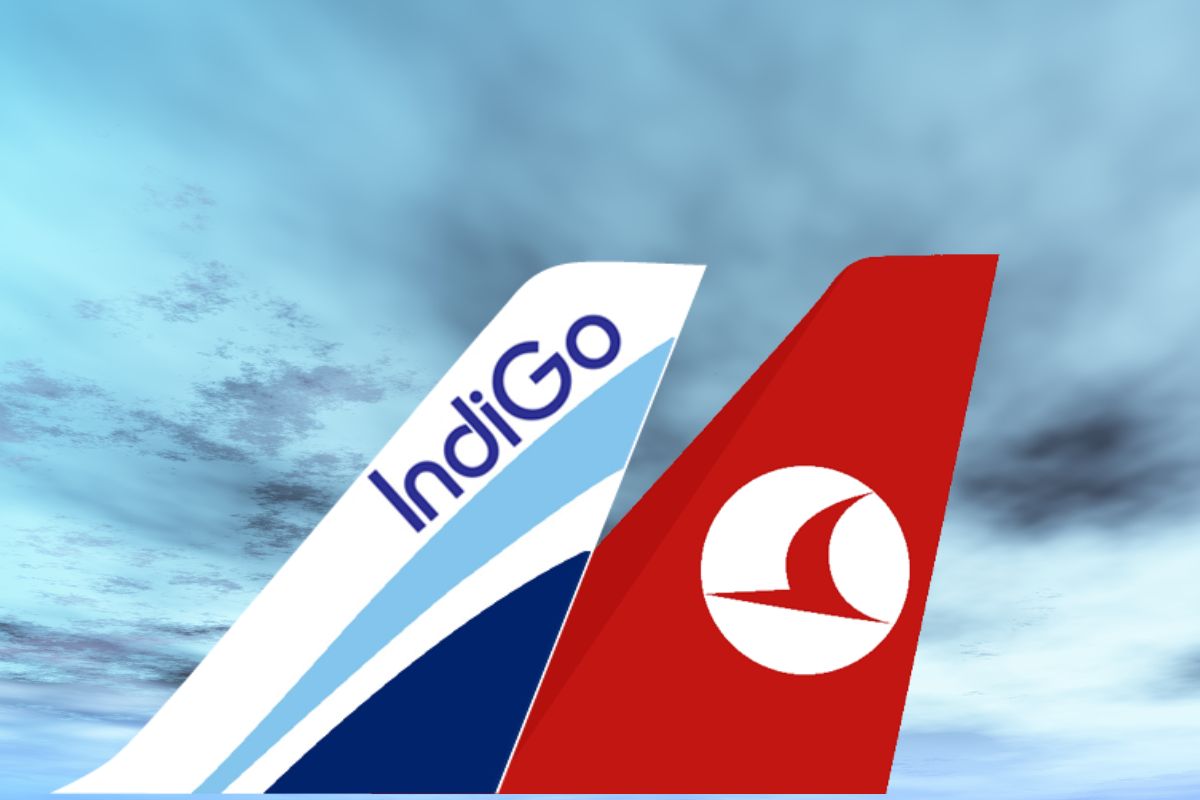
India's budget airline giant IndiGo has secured regulatory approval to continue its aircraft leasing arrangement with Turkish Airlines through February 2026, providing crucial operational flexibility amid evolving market dynamics.
Regulatory Approval Details
The Directorate General of Civil Aviation (DGCA) has approved IndiGo's request for a six-month extension, effective until February 28, 2026, replacing the previous arrangement that was set to expire on August 31. This marks the latest in a series of extensions that have kept the partnership operational despite various challenges.
The extension allows IndiGo to continue operating two Boeing 777 aircraft from Turkish Airlines under the wet lease arrangement starting September 1. The approval comes with specific regulatory conditions that both airlines must adhere to during the extended period.
Background
The partnership between IndiGo and Turkish Airlines involves a wet lease agreement, where Turkish Airlines provides the aircraft, crew, maintenance, and insurance, while IndiGo operates the routes. This arrangement has enabled IndiGo to expand its international operations without significant capital investment in wide-body aircraft.
In May 2025, the DGCA had approved a "one-time" three-month extension until August 31, 2025, citing passenger convenience. However, the recent six-month approval suggests a more substantial commitment to maintaining this operational partnership.

Geopolitical Considerations
Geopolitical tensions between India and Turkey, driven by Turkey's support for Pakistan during recent conflicts, complicated the decision-making process. Despite these diplomatic challenges, aviation regulators prioritised operational continuity and passenger service requirements.
The DGCA's decision reflects a pragmatic approach to aviation policy, balancing geopolitical sensitivities with commercial aviation needs and passenger convenience.
Strategic Implications
The extension provides IndiGo with continued access to wide-body aircraft capabilities essential for its international route network. The Boeing 777-300ER aircraft enables the airline to serve long-haul destinations that would otherwise be beyond its narrow-body fleet's range.
This arrangement allows IndiGo to maintain its international expansion strategy while avoiding the substantial capital expenditure required for purchasing or long-term leasing wide-body aircraft. The flexibility proves particularly valuable during uncertain market conditions.

Impact on Route Planning
The six-month extension through February 2026 gives IndiGo operational certainty for its international routes during the peak winter travel season. Airlines typically finalise their winter schedules well in advance, making this regulatory clarity crucial for route planning and passenger bookings.
The extended timeline also allows IndiGo to explore alternative aircraft sourcing options or negotiate permanent wide-body fleet solutions without operational disruption to existing services.
Future Partnership
While the current extension runs until February 2026, the aviation industry will closely watch whether this arrangement evolves into a longer-term strategic partnership or serves as a bridge to alternative solutions. IndiGo's future international growth strategy may depend significantly on how it addresses its wide-body aircraft requirements beyond this extended timeline.
The partnership's continuation despite geopolitical tensions suggests that commercial aviation relationships can transcend diplomatic complications when mutual benefits and passenger interests align.
Read next
Two Giant 777s, One Political Swoop: Inside IndiGo’s Surprise Lease U-Turn

Abhishek Nayar
29 Aug 2025
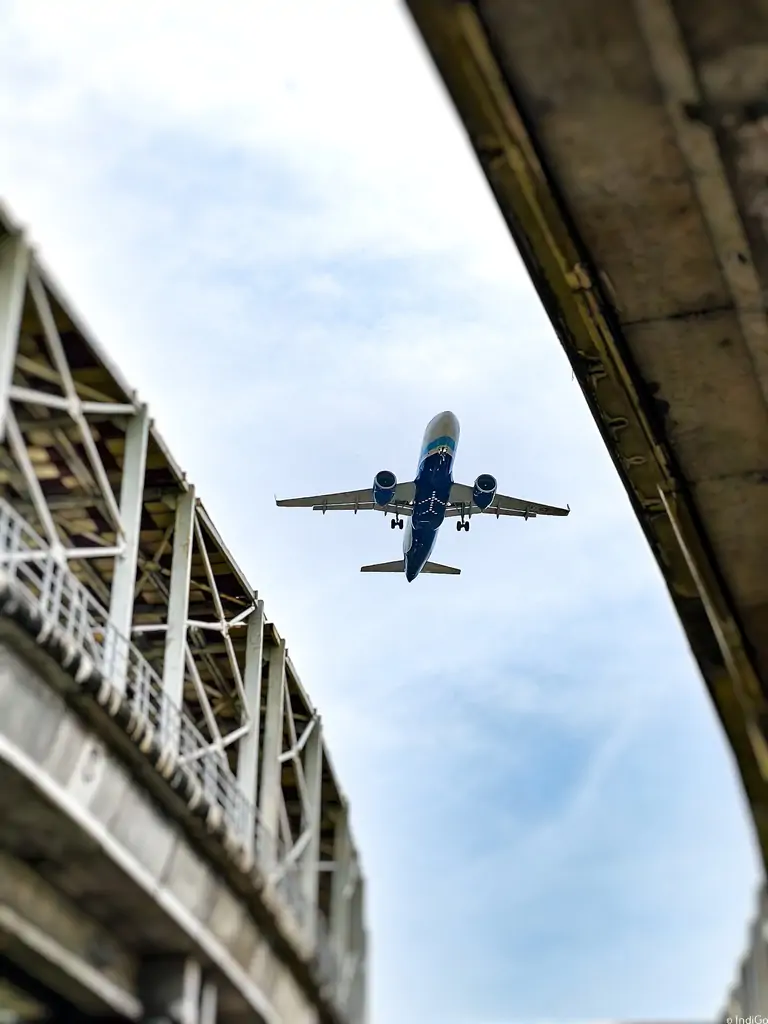
IndiGo just scored a stay of execution — and a headline-grabbing one at that. After New Delhi had ordered the carrier to end its arrangement with Turkish Airlines by the end of August, regulators have reversed course and approved an extension that keeps two Turkish-operated Boeing 777s flying for IndiGo until February 28, 2026.
The short version: what changed overnight
In May the Directorate General of Civil Aviation (DGCA) had resisted a long extension, approving only a three-month continuation of the wet-lease. This week the government approved a six-month extension — a pragmatic pivot that effectively pushes the lease end-date to late February next year.
Why two wet-leased 777s matter more than you’d think

IndiGo’s fleet is overwhelmingly narrow-body (single-aisle) aircraft. The two Boeing 777s provided by Turkish Airlines are wide-body jets with significantly higher seat capacity and were being operated with Turkish pilots and some crew — allowing IndiGo to take on long-haul demand on Delhi–Istanbul and Mumbai–Istanbul routes that its A320 family can’t match. Keeping them in service buys capacity and time.
The invisible price tag: geopolitics in the fuel tank
The extension isn’t just about seats — it’s about route math. Pakistan’s closure of its airspace to Indian carriers forced longer detours on several international sectors, driving up flying time and fuel bills for Indian airlines. That increase in operating cost has put pressure on carriers’ margins; for IndiGo, the extra breathing room from the lease mitigates some of that pain.
Politics taxiing down the runway
This deal has been political from the start. Turkey’s public support for Pakistan during recent tensions in the subcontinent sparked criticism and political scrutiny of the Indo-Turkish tie-up. Rival Air India reportedly lobbied the government to end the lease altogether — arguing national interest and commercial unfairness — a factor that made the DGCA’s May decision (to limit the extension) politically charged. The new six-month approval is therefore as much a policy balancing act as it is an operational nod to IndiGo.
Money matters: a timely relief
IndiGo reported a slowdown in first-quarter revenue growth amid border tensions and industry headwinds, including the fallout from a fatal Air India crash earlier in the year. The extra capacity from the 777s helps preserve international revenue streams while the airline navigates softer demand and higher costs.
What the players are saying (and not saying)

- IndiGo described the extension as providing “continuity and stability in operations,” saying it had formally requested the extra time and that the DGCA’s approval comes with regulatory conditions.
- DGCA: the regulator’s earlier stance (three months only) suggested concerns over passenger convenience and political optics; the latest move signals a recalibration under operational realities.
- Air India & critics: the carrier’s lobbying highlighted how airline policy, competition and geopolitics collide — and that pressure likely remained a factor behind both the initial restriction and the public debate around the extension.
The likely fallout (what to watch)
- Routes & capacity: IndiGo can sustain higher-capacity international services through February 2026, which could stabilize yields on certain corridors.
- Public and political reaction: critics who see the partnership as politically fraught may push for more scrutiny when this six-month window nears its end.
- Market signals: investors may view the move as pragmatic — a short-term operational fix amid regional airspace disruption — and watch InterGlobe’s seat-kilometre performance and international yields closely.
Final take: pragmatic aviation meets geopolitics
Airlines are not just transport businesses; they’re choke points where politics, profits and passenger convenience meet. IndiGo’s six-month extension to keep two Turkish-operated 777s is a clear example: a tactical operational decision shaped by an unpredictable geopolitical environment and competitive jockeying. For IndiGo, it’s temporary oxygen; for regulators, it’s a calibrated compromise; for rivals and critics, it’s a continuing, noisy debate.
TL; DR
- India has approved a six-month extension keeping two Turkish Airlines-operated Boeing 777s with IndiGo until Feb 28, 2026.
- The DGCA had earlier approved only a three-month extension in May, making this a regulatory reversal.
- Extension eases pressure caused by Pakistan’s airspace closure, which raised fuel and routing costs for Indian carriers.
- Air India lobbied the government to end the IndiGo–Turkish arrangement, creating political heat around the lease.
- IndiGo’s recent slower Q1 revenue growth means the extra capacity from the 777s is a timely operational relief.
With Inputs from Reuters
Comment