
Cebu Pacific Soars with Record Passenger Numbers and Robust Profits in 2024

Abhishek Nayar
12 Aug 2024
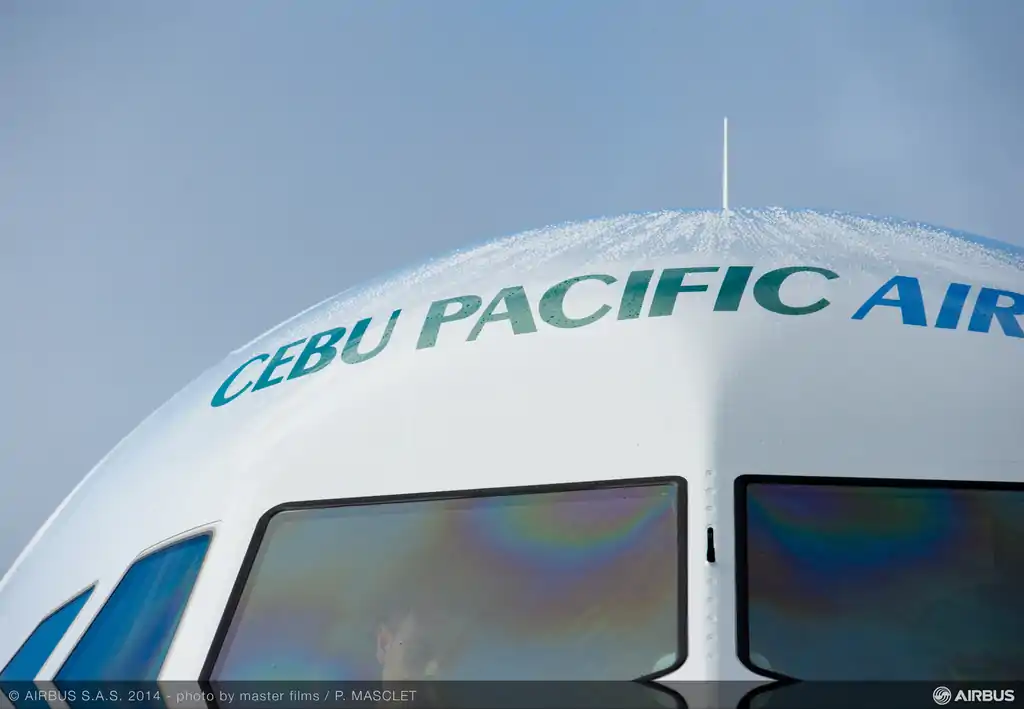
Cebu Pacific Air, the Philippines' leading low-cost carrier, has reported a stellar performance for the first half of 2024, showcasing a significant increase in operating profits and a record-breaking passenger count. This impressive growth reflects the airline's strategic moves and the resurgence in travel demand across the region.
Strong Operating Profits Amid Revenue Growth
In the first six months of 2024, Cebu Pacific Air's operating profits surged by 44%, reaching Ps5.5 billion ($96 million). This growth was underpinned by a 16% rise in revenues, which totaled Ps51.4 billion for the period ending June 30. Despite these positive figures, the carrier's net profits saw a slight decline of 5%, settling at Ps43.6 billion. This dip in net profit was primarily due to a 15% increase in expenses, driven by rising operational costs, amortization, and enhanced passenger services.
Quarterly Performance Reflects Momentum
The airline's momentum continued into the second quarter, with operating profits rising by 12% to Ps2.8 billion. Revenues for the quarter also saw an uptick, growing by 12.7% to Ps26 million. These figures highlight the airline's resilience and its ability to capitalize on the strong demand for travel during peak seasons.
Record-Breaking Passenger Numbers
One of the standout achievements for Cebu Pacific Air in 2024 has been its record passenger numbers. The airline carried six million passengers in the second quarter alone, marking the highest count in a single quarter in its history. This represents a 10% increase compared to the previous year, a growth driven by several key factors.
The airline benefited from the surge in summer travel, particularly during April and May, as well as the school break in June. Additionally, Cebu Pacific Air strategically increased flight frequencies to high-traffic destinations such as Cebu, Davao, and General Santos. The strong demand for regional destinations, including Hong Kong, Japan, Vietnam, and Australia, also played a crucial role in the airline's passenger growth.
Strategic Expansions with Airbus Fleet
Cebu Pacific Air's growth strategy is further underscored by its significant investment in fleet expansion. In the second quarter, the airline placed the largest aircraft commitment in Philippine history, securing up to 152 narrowbody aircraft from Airbus. This move positions the airline to enhance its operational capacity and meet the growing demand for air travel in the coming years.
Looking Ahead
As Cebu Pacific Air continues to navigate the dynamic aviation landscape, its focus on strategic expansion, operational efficiency, and customer satisfaction will be key to sustaining its upward trajectory. With record passenger numbers and robust profits, the airline is well-positioned to capitalize on the resurgence in travel demand and maintain its leadership in the low-cost carrier market.
With Inputs from Flight Global
Read next
Could Embraer’s India Manufacturing Unit Break the Airbus-Boeing Duopoly?
Abhishek Nayar
12 Aug 2024

In a rapidly expanding aviation market like India, dominated by industry giants Airbus and Boeing, the possibility of a new player entering the fray is causing a buzz. Brazilian aerospace company Embraer is in active talks with the Indian government and top conglomerates to set up a manufacturing unit in the country. However, the progress of these negotiations’ hinges on a crucial factor: gaining access to India's burgeoning domestic market.
The Strategic Importance of India’s Market
India's aviation sector has witnessed explosive growth in recent years, with domestic carriers like IndiGo, Air India, and Akasa Air placing orders for over 1,000 aircraft combined. This expansion highlights the immense potential of the Indian market, not just for aircraft sales but also for manufacturing. The Indian government, eager to bolster its "Make in India" initiative, has been pressuring major players like Airbus and Boeing to establish manufacturing facilities in the country.
Enter Embraer, a company well-known for its ERJ family of regional jets. With its latest model, the E195-E2, capable of carrying up to 146 passengers, Embraer sees a unique opportunity to carve out a niche in the Indian market. The company’s CEO and president of commercial aviation, Arjan Meijer, has been vocal about seeking a partnership that would allow Embraer to bring its products into this lucrative market.
Breaking the Duopoly: A Bold Move by Embraer
For years, Airbus and Boeing have enjoyed a duopoly in the commercial aviation market, particularly in India. However, recent challenges faced by Boeing, including safety issues and delays in delivery schedules, have opened the door for competitors like Embraer to make their move. While Embraer has already established a presence in the business jet market, the company is now determined to gain a stronger foothold in the commercial segment.
One of Embraer’s key strategies to achieve this goal is to set up a production line in India. This move not only aligns with India's manufacturing ambitions but also serves as a powerful marketing tool. By offering a locally manufactured aircraft, Embraer could potentially win over Indian carriers, who are under pressure to support domestic production.

Targeting Regional Connectivity: A Smart Play
One of the main selling points of Embraer’s E2 jets is their suitability for regional routes. Unlike the larger Airbus A320 and Boeing 737, which seat 180 passengers or more, the E2 is designed for smaller markets. This makes it an attractive option for Indian airlines looking to expand their networks to regional towns with smaller populations.
The E2’s smaller size comes with a significant advantage—lower trip costs per seat. According to Meijer, the E2 offers roughly 25% lower costs compared to its larger counterparts. This cost-efficiency allows airlines to operate more frequently on regional routes, optimizing profits by better matching capacity with demand.
The Road Ahead: Will India Embrace Embraer?
The discussions between Embraer and Indian stakeholders are still in the early stages, and much will depend on whether Indian carriers are willing to diversify their fleets. IndiGo, India’s largest carrier, is reportedly considering an order of 100 smaller planes, which could be a game-changer for Embraer if the deal goes through.
With India’s aviation market at a pivotal point, the entry of a new manufacturer like Embraer could introduce much-needed competition. However, whether Embraer can successfully break the Airbus-Boeing stronghold will depend on its ability to not only set up manufacturing in India but also convince airlines of the value its jets bring to the table.
As the Indian aviation sector continues to evolve, all eyes will be on Embraer and its next steps. Will this Brazilian company become the third major player in India's skies, or will it face turbulence in its efforts? Only time will tell.
With Inputs from Economic Times
Read next
How Air India and Vistara’s Line Maintenance Integration Enhances Operational Synergy
Abhishek Nayar
12 Aug 2024
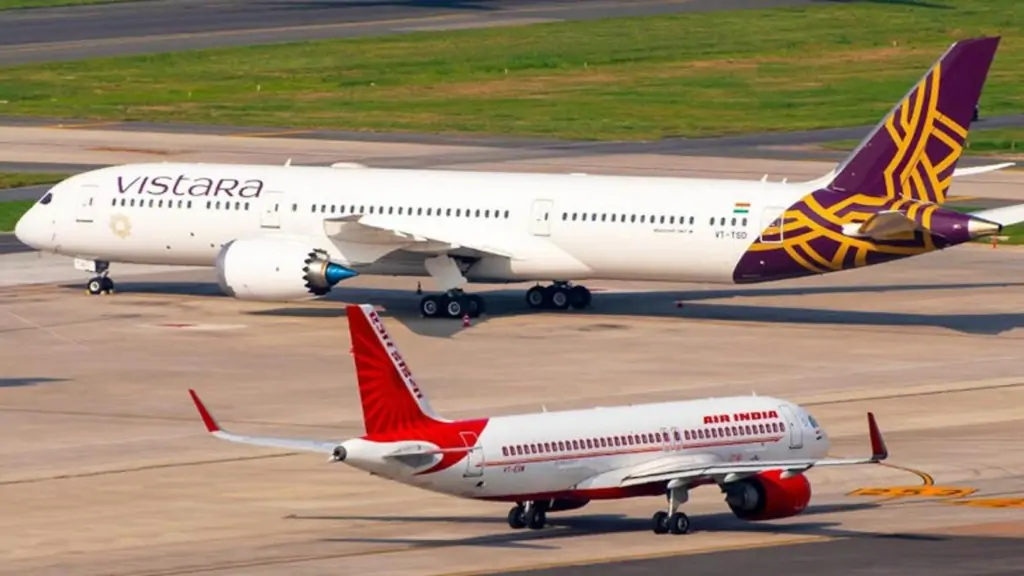
The aviation industry is no stranger to strategic mergers and acquisitions. But when it comes to operational synergies, the recent approval by the Directorate General of Civil Aviation (DGCA) allowing Air India and Vistara to integrate their aircraft line maintenance operations marks a significant milestone. This move is not just about merging two airlines; it's about unifying technical expertise, optimizing resources, and enhancing self-reliance in fleet maintenance. Let’s delve into what this integration means for both airlines and the broader aviation landscape.
A Unified Maintenance Approach: The Path to Operational Synergy
The integration of Vistara’s line maintenance activities under Air India’s facilities is a strategic move designed to enhance operational synergy between the two airlines. By bringing together their maintenance resources, the airlines are poised to optimize processes, resources, and systems across the board. This merger of maintenance operations is not just about combining forces; it's about leveraging the combined expertise to elevate Air India’s technical capabilities to new heights.
Strengthening Self-Reliance: Enhancing Technical Capabilities
With this integration, Air India is set to significantly bolster its self-reliance in fleet maintenance. The unified maintenance team and resources will enable the airline to better service a mixed fleet of widebody and narrowbody aircraft, a critical factor in maintaining schedule integrity and operational reliability. The move is also expected to streamline key technical activities related to aircraft and component maintenance, all under a single integrated scope of work.
A Strategic Advantage: Positioning for the Future
The integration comes as part of Tata Group’s broader strategy to consolidate its aviation business into two distinct entities: a no-frills entity combining AirAsia India and Air India Express, and a premium segment entity integrating Vistara and Air India. This consolidation is expected to create a more competitive and efficient airline group, capable of meeting diverse customer needs across different market segments.
Bolstering In-House Capabilities: A Step Towards Greater Efficiency
So far, Air India has successfully in-housed line maintenance at 12 stations across India. The latest move to integrate Vistara’s maintenance operations further enhances these capabilities, making Air India more self-reliant and efficient in its maintenance operations. This strategic integration is set to implement industry-leading practices across all Maintenance, Repair, and Overhaul (MRO) operations, ensuring that Air India remains at the forefront of technical excellence in the aviation industry.
Conclusion: A Milestone in Tata Group's Aviation Journey
As Tata Group continues to integrate its airline operations, the approval from DGCA to merge Air India and Vistara’s maintenance activities marks a pivotal moment. This move not only strengthens Air India’s operational capabilities but also sets the stage for a more unified and competitive airline that is well-positioned to serve both the premium and budget segments of the market. With these strategic steps, Tata Group is clearly positioning its airlines for a future of growth, efficiency, and industry leadership.
Read next

Kempegowda International Airport, Bengaluru (BLR Airport), has etched its name in history by securing a remarkable seven awards at the prestigious Airport Food & Beverage (FAB) + Hospitality Conference and Awards 2024 in Ontario, California. This accomplishment makes BLR Airport the first among Indian airports to achieve such honors, signifying its commitment to enhancing passenger experience through world-class food, beverage, and hospitality services.
A Stellar Achievement: FAB Awards and Their Global Impact
The FAB Awards, recognized globally for excellence in the airport food and beverage sectors, are a beacon of qualitative advancements in the industry. As the only global airport F&B event, the FAB Awards celebrate and encourage innovation, sustainability, and excellence in airport hospitality services.
This year's FAB Awards marked a return to the in-person format after a four-year hiatus due to the COVID-19 pandemic, making BLR Airport's victory even more momentous. The awards not only acknowledge the airport's superior services but also highlight its efforts in Environmental, Social, and Governance (ESG) initiatives, pushing the boundaries of airport hospitality.
The 080 Domestic Lounge: A Cultural and Modern Marvel

Among the standout achievements was the 080 Domestic Lounge at BLR Airport's Terminal 2 (T2), which won multiple awards including "Airport Lounge of the Year." This lounge masterfully blends Karnataka's rich heritage with contemporary luxury, offering a unique experience for travelers.
- Design Excellence: The lounge’s design is a homage to Karnataka’s history and culture, with features such as a spa inspired by Mysore's royal opulence and a bar reflecting Bengaluru’s vibrant nightlife.
- Local Flair: The Kodagu Café, with its artwork by local artists, brings the essence of Karnataka’s coffee plantations to life.
- Relaxation and Business Needs: From the tranquil 'Oasis Lounge' to the 'Business Connect' zone, the 080 Lounge caters to all traveler needs, making it a true sanctuary within the bustling airport.
Awards Secured by BLR Airport at FAB Awards 2024
Award Category | Winner |
Airport Lounge of the Year | 080 Domestic Lounge - T2 |
Airport F&B Offer Best Representing Sense of Place (Global) | 080 Domestic Lounge - T2 |
Airport F&B Offer Best Representing Sense of Place (Asia-Pacific) | 080 Domestic Lounge - T2 |
Airport Restaurant Design of the Year (Asia-Pacific) | Bombay Brasserie - T2 |
Chef of the Year (Asia-Pacific) | Chef Dominic Gerard - 080 Lounge - T1 |
Airport “Food to Go” Offer of the Year (Asia-Pacific) | Tiffin Express - T1 |
Humanitarian Award 2024 | Mitti Café CEO Alina Alam & BIAL |
Humanitarian Excellence: Mitti Café Collaboration
The Humanitarian Award 2024 was a significant highlight, celebrating the inspiring partnership between Mitti Café and Bangalore International Airport Ltd. (BIAL). This collaboration, which led to the establishment of the first airport-based Mitti Cafés, has transformed the lives of people with disabilities, showcasing the airport’s commitment to social responsibility.
BLR Airport’s Continued Commitment to Excellence
The FAB Awards come at a pivotal time for BLR Airport, following the operational launch of its new Terminal 2 (T2), which boasts a capacity of 25 million passengers. As India’s third busiest airport, BLR handled over 37.5 million passengers in the fiscal year 2023-2024, further solidifying its status as a leading aviation hub.
Kenneth Guldbjerg, Chief Commercial Officer at BIAL, expressed pride in the airport's achievements, particularly the success of the 080 Lounge, which he described as a "culturally immersive experience" that showcases the spirit of Karnataka while prioritizing sustainability.
Conclusion: Setting New Benchmarks in Indian Aviation
BLR Airport’s triumph at the FAB Awards 2024 is not just a win for the airport but a proud moment for Indian aviation. By blending cultural heritage with modern luxury, and championing sustainability and social initiatives, BLR Airport is setting new benchmarks in passenger experience, making it a gateway to India like no other.
Read next

Vietnam’s aviation sector is experiencing a turbulent phase as airlines grapple with a shortage of aircraft. This scarcity stems from a combination of engine recalls by manufacturers and soaring leasing prices. In response to these challenges, Vietnamese budget carrier VietJet has taken a proactive stance, announcing on Thursday that it will receive up to 10 new Airbus jets within the year.
VietJet’s Strategic Aircraft Acquisition
VietJet, known for its aggressive expansion strategy, has ordered 206 aircraft from Airbus, making it one of the leading customers of the European aerospace giant. The latest addition to its fleet primarily comprises the Airbus A321neo ACF (Airbus Cabin Flex) model, a versatile aircraft known for its increased seating capacity and improved fuel efficiency. Deliveries are expected to commence this month, ensuring that VietJet remains well-equipped to handle growing passenger demand.
A Closer Look at the Airbus A321neo ACF
The Airbus A321neo ACF is a game-changer for airlines seeking to maximize profitability on short and medium-haul routes. This model allows for more flexible cabin configurations, enabling carriers to optimize their seating arrangements based on market demand. With its enhanced fuel efficiency, the A321neo ACF is a perfect fit for VietJet's operational model, allowing the airline to maintain competitive ticket prices while expanding its route network.
$7.4 Billion Deal: Expanding Horizons with A330neo
Last month, VietJet further solidified its long-term growth strategy by signing a contract with Airbus to purchase 20 A330neo wide-body aircraft. Valued at $7.4 billion, this deal marks a significant milestone for the airline as it looks to expand its long-haul operations. The A330neo, renowned for its range, efficiency, and passenger comfort, will allow VietJet to tap into new international markets, positioning the carrier as a key player in the region’s aviation landscape.
Navigating the Crisis: VietJet’s Resilience and Innovation
While many airlines in Vietnam are struggling with the current aircraft shortage, VietJet’s forward-thinking approach demonstrates its resilience and commitment to growth. By securing new aircraft in a challenging market, the airline is not only safeguarding its operations but also ensuring it can capitalize on emerging opportunities as travel demand rebounds.
Conclusion: VietJet’s High-Flying Ambitions
VietJet’s latest moves highlight its ambitions to become a dominant force in the global aviation industry. With the imminent arrival of new Airbus jets and the strategic expansion of its fleet, the airline is well-positioned to navigate the current challenges and emerge stronger in the post-pandemic world. As VietJet continues to innovate and adapt, it sets a bold example for other carriers in the region, proving that even in the face of adversity, growth and success are within reach.
With Inputs from Reuters
Read next
Frontier Defies Expectations: Profit Surges Amid Deferred Airbus Deliveries
Abhishek Nayar
10 Aug 2024

In a surprising turn of events, Frontier Group, the parent company of budget carrier Frontier Airlines, outpaced Wall Street’s expectations for its second-quarter profit, revealing a strategic maneuver that sets the tone for its future growth. This development comes amidst a bustling summer travel season in the U.S., where airlines are experiencing a surge in passenger numbers, yet facing challenges in balancing supply and demand.
Summer Travel Boom: A Double-Edged Sword
The U.S. airline industry is riding a wave of increased travel demand, with predictions from Airlines for America estimating that 271 million passengers will take to the skies this summer. This marks a 6.3% increase compared to last year, reflecting the robust recovery in travel post-pandemic. However, this boom comes with its own set of challenges. Carriers, eager to capitalize on the demand, have increased seat capacity in the domestic market, inadvertently creating a glut that is driving down airfares in the price-sensitive segment.
Frontier’s Strategic Moves: Cost Efficiency and Simplified Operations
Amidst this complex environment, Frontier Airlines has managed to stay ahead by implementing tighter cost controls and simplifying its network. These initiatives have paid off, as evidenced by the company’s stronger-than-expected financial performance in the second quarter. Frontier's profit beat was further supported by successful sale and leaseback deals, a financial strategy that has provided the airline with much-needed liquidity while maintaining operational flexibility.
Deferred Airbus Deliveries: A Calculated Decision
In a significant announcement, Frontier revealed that it would defer the delivery of 54 Airbus jets, originally scheduled for 2025 to 2028, to a later window between 2029 and 2031. This decision aligns with a broader industry trend, as airlines contend with supply chain disruptions and operational challenges. Notably, issues with Pratt & Whitney’s Geared Turbofan (GTF) engines have impacted many Airbus A320neo jets, forcing airlines to ground several aircraft. By deferring these deliveries, Frontier is mitigating the risk of overcapacity while positioning itself for more sustainable growth in the future.
Industry-Wide Trends: JetBlue’s Similar Strategy
Frontier is not alone in this strategic recalibration. JetBlue, another major player in the U.S. airline industry, recently announced a similar move, deferring deliveries of 44 Airbus airplanes to 2030 and beyond. This trend highlights a cautious approach among airlines, balancing immediate financial performance with long-term fleet planning to enhance profitability.
Financial Performance: Frontier’s Earnings Exceed Expectations
Frontier’s strategic decisions have clearly resonated with investors. For the quarter ended June 30, the airline reported an adjusted profit of 14 cents per share, surpassing analyst expectations of 12 cents per share, according to LSEG data. This marks a noteworthy achievement in a challenging operating environment, underscoring Frontier’s ability to adapt and thrive.
Conclusion: The Road Ahead for Frontier Airlines
Frontier Airlines’ ability to exceed profit expectations while making prudent decisions regarding its fleet growth demonstrates its resilience in a rapidly evolving market. As the airline continues to navigate the complexities of the industry, its focus on cost efficiency, strategic fleet management, and network simplification will be key to sustaining its competitive edge. With the summer travel boom in full swing, Frontier’s calculated moves position it well for the future, even as it adapts to the shifting dynamics of the aviation landscape.
With Inputs from Reuters
Comment