
In a significant move to capitalize on the burgeoning demand for aircraft maintenance, Brazilian planemaker Embraer has inaugurated a state-of-the-art maintenance hub for Pratt & Whitney (P&W) engines in Portugal.
This development comes as airlines and manufacturers grapple with persistent supply chain issues and an uptick in engine repairs post-pandemic. Embraer's strategic initiative is poised to generate an additional €600 million ($653 million) in annual revenues once the facility reaches full operational capacity.
Addressing Global Maintenance Demands
The newly opened P&W-authorized maintenance facility is situated at Embraer's OGMA subsidiary near Lisbon. It aims to overhaul P&W engines that power jets manufactured by both Embraer and industry giant Airbus (AIR.PA). The facility’s launch aligns with the surging global demand for aircraft maintenance services, a trend exacerbated by supply chain disruptions and the need for more frequent engine inspections.
Carlos Naufel, head of Embraer's Services & Support unit, emphasized the high demand for maintenance services worldwide. "Demand is high. All shops in the world have been full," Naufel remarked. "The first engines we are receiving are from European airlines, but going forward they could come from anywhere."
Tackling P&W's Metal Defect Challenges
P&W, a subsidiary of RTX Corp., has faced challenges since last year due to a rare powder metal defect affecting primarily the Airbus A320neo jet engines. This defect prompted accelerated inspection mandates, which airlines report can extend maintenance timelines to almost a year. The new facility in Portugal is well-positioned to alleviate some of this pressure by offering specialized services for these engines.
Capabilities and Future Plans of the OGMA Facility
OGMA, which already provides maintenance for Rolls-Royce engines, will initially focus on servicing the PW1100G-JM geared turbofan engine, which powers the A320neo family. By 2026, the facility plans to expand its services to include the PW1900G engine, used in Embraer's next-generation E2 jets.
At its peak, the OGMA hub is expected to handle 240 engines annually and significantly surpass previous revenue forecasts. The facility's anticipated revenue of €600 million annually marks a substantial increase from the €500 million projection made last year when plans for the hub were first announced.
Naufel did not specify the initial capacity or the timeline to reach peak capacity but indicated a gradual year-over-year ramp-up.
Embraer's Services & Support Unit: A Growth Trajectory
In 2023, Embraer's Services & Support unit contributed 27% to the group’s revenues, amounting to $1.4 billion. The unit's backlog reached a record $3.1 billion by the end of the year. Naufel projects that the unit’s yearly revenues could double by 2030, reflecting the sector's robust growth.
"If you ask me what the term is for services and support, I'll say 'accelerated growth'," Naufel asserted. "The sector is heated and we have been keeping up with it."
Conclusion
Embraer’s investment in the new maintenance hub in Portugal underscores its commitment to meeting the escalating demand for aircraft maintenance and repair services. With its strategic location, advanced capabilities, and ambitious growth plans, the facility is set to become a critical player in the global aviation maintenance landscape, driving significant revenue growth for Embraer and contributing to the broader industry’s resilience and efficiency.
With Inputs from Reuters

Read next
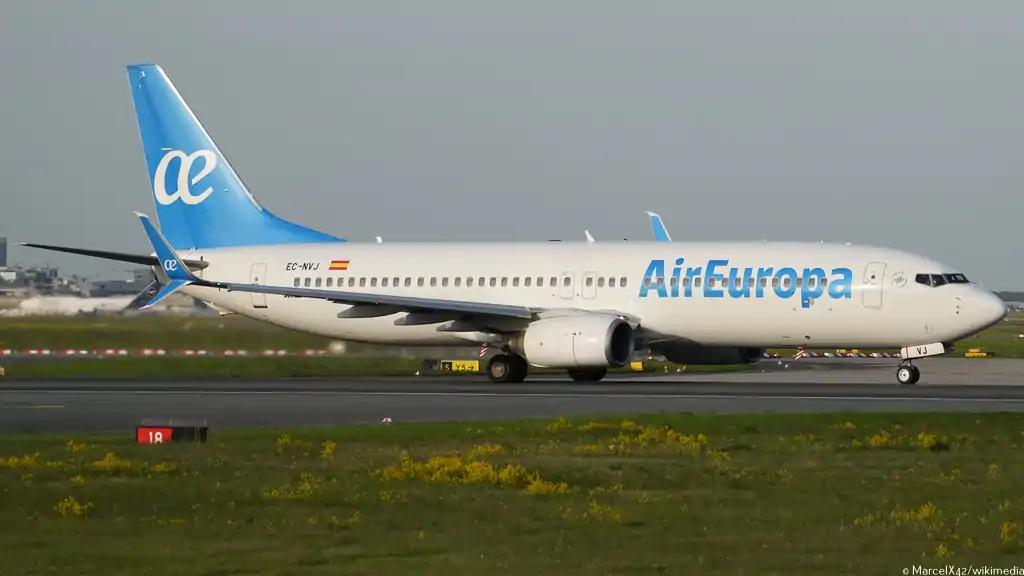
The European Commission (EC) is currently deliberating on whether to block the International Airlines Group’s (IAG) proposed acquisition of Air Europa due to significant anticompetition concerns. Despite concessions offered by IAG and Air Europa, the EC remains unconvinced, potentially leading to the blockage of the merger.
EC's Anticompetition Concerns
The EC's investigation, initiated in January, has highlighted several key concerns regarding the potential merger’s impact on market competition, especially in Spain. In April, the EC warned that the merger could lead to:
- Reduced competition on Spanish domestic routes without high-speed train alternatives: IAG and Air Europa currently compete head-to-head on these routes, and post-merger, direct competition could disappear.
- Reduced competition on routes between mainland Spain and the Balearic and Canary Islands: The merger could result in a significant reduction of competition on these routes.
- Reduced competition on short-haul routes connecting Spain with Europe and the Middle East: Although low-cost carriers like Ryanair might still operate, they often use more remote airports, limiting effective competition.
- Reduced competition on long-haul routes from Spain to North and South America: The merger could leave some routes without any direct competition, potentially affecting service quality and prices.
Remedies Offered by IAG and Air Europa
To address these concerns, IAG and Air Europa have proposed several remedies. According to sources familiar with the matter:
- Handing over slots to rival carriers: The two airlines are prepared to transfer around half of Air Europa’s slots to competitors.
Despite these concessions, the EC remains skeptical about their adequacy in alleviating the competitive concerns raised by the merger.
A Glimmer of Hope: The Lufthansa-ITA Airways Precedent
The recent approval of Lufthansa's acquisition of an initial stake in ITA Airways by the EC could provide a template for IAG and Air Europa. Lufthansa and ITA Airways managed to gain approval by offering extensive remedies, including:
- Slots for rivaling airlines: Routes from Milan or Rome to certain Central European airports.
- Access to ITA Airways’ domestic routes: Facilitating indirect connections for rivaling airlines.
- Improving competition on long-haul flights: Commitments to enhance competition from/to Italy.
- Giving up slots at Milan Linate Airport (LIN): Allowing rivals to operate more effectively.
These measures were sufficient to alleviate the EC’s concerns, resulting in the approval of the Lufthansa-ITA Airways deal on July 3.
The Path Forward for IAG and Air Europa
Following the EC’s recent feedback, the chances of blocking the IAG-Air Europa merger remain high unless further remedies are offered. IAG and Air Europa are under pressure to present additional concessions to convince the EC that their merger will not harm competition within the EU.
With a final decision deadline of July 15 already passed, the EC’s ongoing deliberations signal the complexity and high stakes of this potential merger. Both airlines must strategically consider how to emulate Lufthansa and ITA Airways' success in satisfying the EC’s stringent competition requirements.
Conclusion
The fate of the IAG-Air Europa merger hangs in the balance as the EC scrutinizes the potential impact on market competition. While initial remedies have fallen short, there is still a window for IAG and Air Europa to propose additional measures. The aviation industry watches closely, anticipating whether the EC will ultimately block the deal or approve it with conditions that ensure a fair and competitive market environment.
Read next

Flynas, a leading low-cost carrier based in Saudi Arabia, has made headlines by signing a significant memorandum of understanding (MoU) with Airbus at the Farnborough International Airshow 2024. This MoU, covering a total of 90 aircraft, marks a pivotal moment for the airline as it aims to expand its fleet and enhance its operational capabilities.
A Diverse Order: A320neo and A330-900
The agreement includes 75 Airbus A320neo family aircraft and 15 Airbus A330-900s. While the specifics of the A320neo variants flynas has opted for remain undisclosed, Airbus has confirmed that the A330-900s will be configured in a two-class layout, capable of accommodating up to 400 passengers. This move signifies flynas' strategic shift towards increasing its long-haul operational capacity.
Strengthening the Partnership with Airbus
Bander Almohanna, CEO and Managing Director of flynas, expressed the airline's enthusiasm for strengthening its long-term partnership with Airbus. This relationship has seen significant milestones, including flynas firming up an order for 30 A320neo family aircraft at the Paris Airshow in June 2023, bringing its total commitments to 120 A320neo family aircraft, which includes ten A321XLRs.
A Transition to Widebody Aircraft
Historically operating an all-single-aisle fleet, flynas introduced its first widebody aircraft, an A330-300, in October 2022. Since then, the airline has added three more A330-300s to its fleet. Additionally, flynas has experience with the A330-900, having wet leased six of these aircraft from Lion Air. This experience likely influenced the decision to include the A330-900 in the latest MoU.
The Strategic Benefits of the A320neo and A330neo

Almohanna highlighted the exceptional operational performance and environmental benefits of the A320neo, which align with flynas' commitment to providing low-cost travel experiences. He also emphasized that the A330neo's advanced technology and efficiency would bolster the airline's long-haul capabilities and support Saudi Arabia's pilgrim program.

Christian Scherer, CEO of Airbus Commercial Aircraft, echoed this sentiment, stating that the MoU was a milestone for both the A320neo and A330neo families. He noted that these aircraft offer flynas the versatility and economics needed to expand into new markets while providing passengers with the latest in cabin experience and comfort.
A Competitive Edge at Farnborough
The MoU has boosted Airbus' order tally at Farnborough International Airshow 2024, bringing the total to 144 aircraft, ahead of Boeing's 118 aircraft (96 firm orders and 22 options). This surge in orders underscores the competitive dynamics between the two aerospace giants at this prestigious industry event.
Future Growth and Market Expansion
With this strategic fleet expansion, flynas is well-positioned to enhance its route network and offer a broader range of travel options to its customers. The addition of the A320neo and A330-900 aircraft will not only increase the airline's capacity but also support its long-term growth objectives and contributions to Saudi Arabia's aviation sector.
Conclusion: A Landmark Moment for flynas
The MoU with Airbus represents a landmark moment for flynas, reflecting its ambitions to scale up operations and deliver exceptional travel experiences. As the airline continues to grow and innovate, passengers can look forward to a more versatile and efficient fleet, poised to meet the demands of modern air travel.
Read next
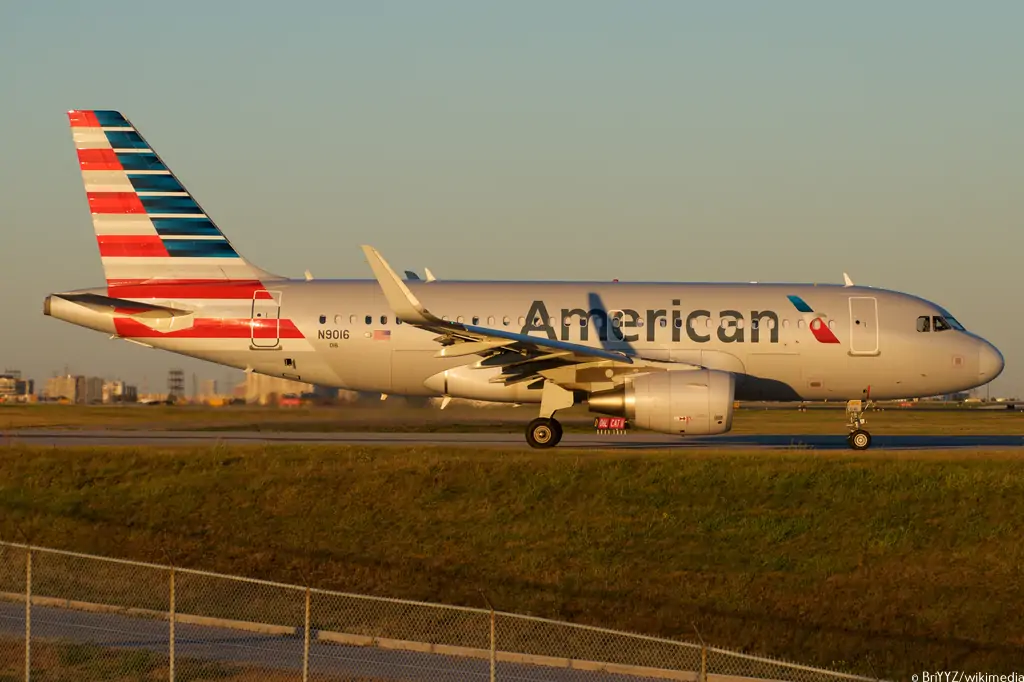
In a recent financial update, American Airlines has revised its annual profit forecast downward, despite achieving its highest-ever quarterly revenue. The airline’s CEO, Robert Isom, expressed dissatisfaction with the Q2 financial performance, attributing the shortfall to excess domestic capacity and adverse weather conditions. This article delves into the factors affecting American Airlines' performance and the strategic reset promised by its leadership.
Q2 Financial Performance: A Mixed Bag
American Airlines reported an adjusted profit of $1.09 per share, slightly above the expected $1.05. However, total operating revenue for Q2 was $14.33 billion, narrowly missing the forecasted $14.36 billion. Despite these numbers, the airline's CEO highlighted an imbalance of domestic supply and demand and a flawed prior sales and distribution strategy as significant challenges.
CEO’s Response: A Strategy Reset
Robert Isom acknowledged that the airline's current fleet, network, and product are built for success but admitted that Q2 performance did not meet expectations. He emphasized the need for clear and decisive actions to maximize revenue and profitability. A critical aspect of this reset involves improving the ease of doing business with American Airlines for customers.
Stock Market Reaction and Profit Forecast
Following the announcement, American Airlines' shares fell by 5.4% in pre-market trading, landing at $9.63. The airline’s full-year adjusted profit forecast has been significantly revised to between $0.70 and $1.30 per share, down from the previous estimate of $2.25 to $3.25 per share.
Re-evaluating Corporate and Travel Agency Relationships
As part of its previous strategy, American Airlines attempted to renegotiate corporate contracts, cutting perks and discounts, and encouraged direct bookings over third-party suppliers. This approach has not yielded the desired results. Consequently, Isom has pledged a reset, which includes:
- Personalized Service for Corporate Customers: Assigning specific account managers to provide tailored service.
- Enhanced Support for Travel Agencies: Doubling the level of sales support to travel agencies, reversing previous policies.
- Frequent Flier Miles: Passengers can now earn miles regardless of how they book their tickets.
Adjusting Capacity and Fleet Expansion
Facing a saturated domestic market, American Airlines plans to cut capacity growth from 8% to 3.5% for the rest of the year. Despite these cuts, the airline noted a positive trend in premium cabin load factors, which were up 6% year-on-year. This supports the decision to increase premium capacity by 20% by 2026.
Fleet Renewal and Debt Reduction Plans
As part of its fleet renewal, American Airlines expects to receive 20 more aircraft this year, including 11 Boeing 737 MAXs and three Airbus A321neos. The airline aims to reduce its total debt by $15 billion from its peak levels by the end of next year, with the goal of enhancing its financial stability.
Conclusion
American Airlines faces a challenging path ahead, but CEO Robert Isom's quick and decisive actions are aimed at turning the tide. By resetting its strategy and focusing on customer and corporate relationships, the airline hopes to improve its financial performance and remain on track with its long-term goals. As American Airlines navigates these turbulent times, stakeholders will be closely watching its progress and the effectiveness of its strategic reset.
Read next
Is Technology Driving Up Airfares? A Closer Look at Air Vistara's Pricing Controversy
Abhishek Nayar
27 Jul 2024

In a recent development that has sparked significant concern, Union Civil Aviation Minister Ram Mohan Naidu Kinjarapu has promised an inquiry into allegations of abrupt fare hikes by Air Vistara. The issue came to light after complaints from Members of Parliament (MPs) and a prompt from Lok Sabha Speaker Om Birla. This article delves into the allegations, the technology potentially involved, and the broader implications for air travel pricing in India.
The Allegations
Complaints from MPs
During a Question Hour session in Lok Sabha, DMK member Dayanidhi Maran raised a critical issue through a supplementary question. He alleged that whenever he attempts to book a ticket on Air Vistara for the Chennai-Delhi route, the initial fare displayed is around Rs 25,000. However, by the time he completes the booking process, the fare escalates two to three times. This has raised suspicions about potential technological manipulations driving up the prices.
Technology's Role
Maran speculated whether some technology applied by Tata Consultancy Services (TCS), a software giant belonging to the same Tata group that owns Air Vistara, could be responsible for this price surge. This allegation points towards a possible use of sophisticated algorithms or dynamic pricing models that adjust fares based on demand and booking patterns.

Official Response
Intervention by Lok Sabha Speaker
Lok Sabha Speaker Om Birla intervened in the discussion, revealing that he had received similar complaints from other MPs. Emphasizing that the money for the tickets comes from Parliament, Birla called for a thorough investigation into the matter. Responding to this, Minister Ram Mohan Naidu assured that the issue would be thoroughly examined.
Minister's Commitment
Minister Naidu reiterated his commitment to making air travel affordable for common people. He acknowledged that airfare is market-driven, influenced by various factors such as seasonality, holidays, fuel costs, and competition. Naidu emphasized that "Customer is king" and affirmed the ministry's dedication to ensuring affordable air travel.
Dynamics of Airfare Pricing
Market-Driven Pricing
Airfare pricing is a complex process influenced by multiple factors. Naidu explained that airline pricing operates in multiple levels (buckets or RBDs) following global practices. Due to dynamic fare pricing, tickets bought in advance are cheaper than those purchased closer to the travel date.
Regulatory Framework
Under Rule 135(1) of the Aircraft Rules, 1937, airlines are free to set their tariffs considering factors like operational costs, service characteristics, and prevailing tariffs. The Directorate General of Civil Aviation's (DGCA) Tariff Monitoring Unit ensures that fares charged by airlines align with the established tariffs. Currently, there is no proposal to intervene with the existing regulatory framework on airfare.
Broader Implications
High Airfare During Holiday Seasons
The minister also addressed concerns about high airfares during holiday seasons on international routes. He highlighted that the government does not regulate fares set by airlines, whether Indian or foreign. Instead, fares are influenced by seasonality, holidays, festivals, fuel costs, and competition.
Ensuring Fair Practices
As the inquiry into Air Vistara's pricing practices unfolds, it raises important questions about the transparency and fairness of dynamic pricing models. Ensuring that customers, including MPs, are not unfairly charged is crucial for maintaining trust in the aviation sector.
Conclusion
The allegations against Air Vistara have opened a broader discussion about the role of technology and market dynamics in airfare pricing. As the Civil Aviation Ministry conducts its inquiry, the findings could have significant implications for regulatory practices and consumer trust in the aviation industry. The commitment to affordable air travel remains a priority, and this investigation will be closely watched by stakeholders and travelers alike.
Read next
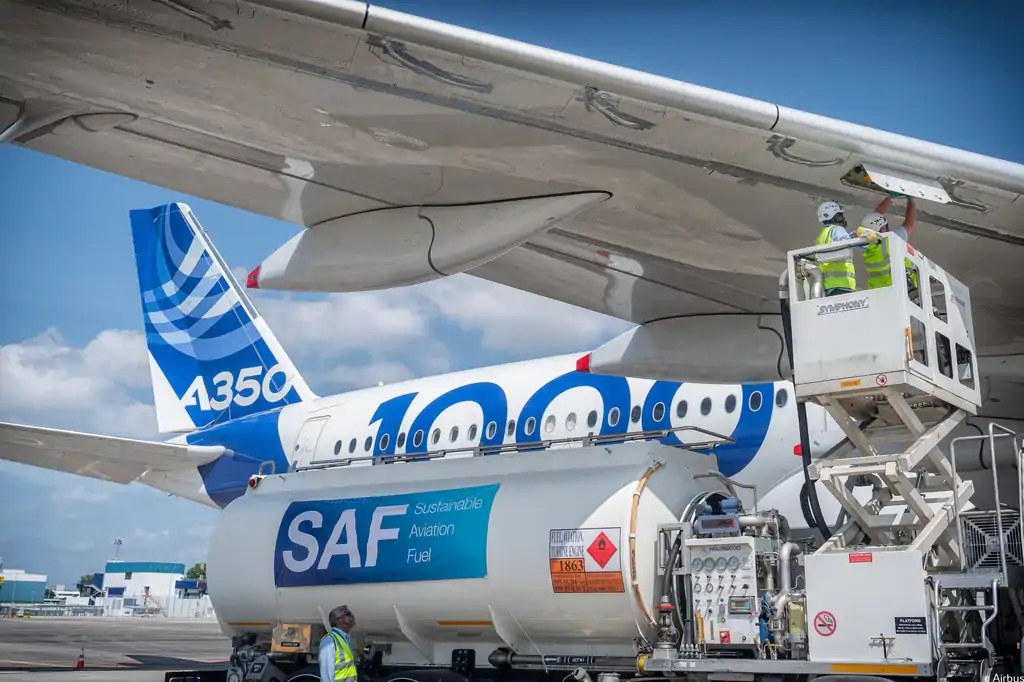
In a bold move to tackle aviation's carbon footprint, the UK has launched an initiative aimed at promoting sustainable aviation fuel (SAF). Announced at the Farnborough Airshow, the plan includes a price guarantee for SAF to spur investment and production. However, airline executives caution that global adoption and enhanced strategies are essential for this green technology to revolutionize air travel.
The Current State of SAF: A Long Road Ahead
Despite airlines' commitment to biofuels two decades ago, SAF constitutes a mere 0.2% of the jet fuel market. The industry aims to increase this to 65% by 2050 to achieve net-zero carbon emissions. However, the blame game between airlines and SAF producers has stalled progress. Airlines demand more green fuel, while producers await market-priced commitments from airlines. The steep cost—up to five times higher than traditional jet fuel—further complicates the issue.
UK’s Price Guarantee: A Step Forward
Britain's Labour government recently introduced a price guarantee for SAF, aiming to attract producers and expand infrastructure. This policy, similar to Singapore's SAF levy, is designed to alleviate cost burdens on airlines and encourage sector-wide participation. Julie Kitcher, Airbus's Chief Sustainability Officer, emphasized the need for solid investment plans and sector-wide financial support to scale up SAF production.
The Investment Dilemma
Airline executives agree that reducing SAF costs is crucial to prevent skyrocketing ticket prices. Luis Gallego, CEO of British Airways-owner IAG, praised the UK's decision but warned of the need for significant price reductions. The industry's thin profit margins leave little room for sustainability investments, making government intervention essential.
The Growing Fleet: A Double-Edged Sword
While next-generation energy-efficient aircraft promise reduced emissions, the projected doubling of the global aircraft fleet over the next two decades poses a challenge. Environmental advocates argue that increased plane numbers will offset efficiency gains. Matt Finch of Transport and Environment highlighted the insufficiency of current SAF volumes to meet the growing demand.
Policy and Production: The Need for Speed
Recent developments, such as Shell pausing a SAF facility's construction in Rotterdam, have alarmed green advocates. Even with stronger governmental support, the construction and operationalization of new SAF plants will take years. Virgin Atlantic CEO Shai Weiss and other executives stress that while the UK’s policy is a positive move, it is far from sufficient.
The Call for Legislative Action
Executives insist that the burden of decarbonization, estimated to cost trillions, should not fall solely on airlines. Ghaith al-Ghaith, CEO of flydubai, called for greater government involvement to boost SAF availability. Legislators must provide the necessary frameworks and incentives to make green jet fuel a viable reality.
Conclusion: The Path to Cleaner Skies
The UK’s initiative marks a significant step towards sustainable aviation. However, achieving the ambitious goal of 65% SAF by 2050 requires global cooperation, substantial investments, and robust policy support. As the industry navigates these challenges, the dream of radically cleaner flying hinges on collective action and commitment from all stakeholders.
With Inputs from Reuters
Comment