How Drones are helping in Calibration and Maintenance of Airport Landing Systems

Abhishek Nayar
28 Sep 2023
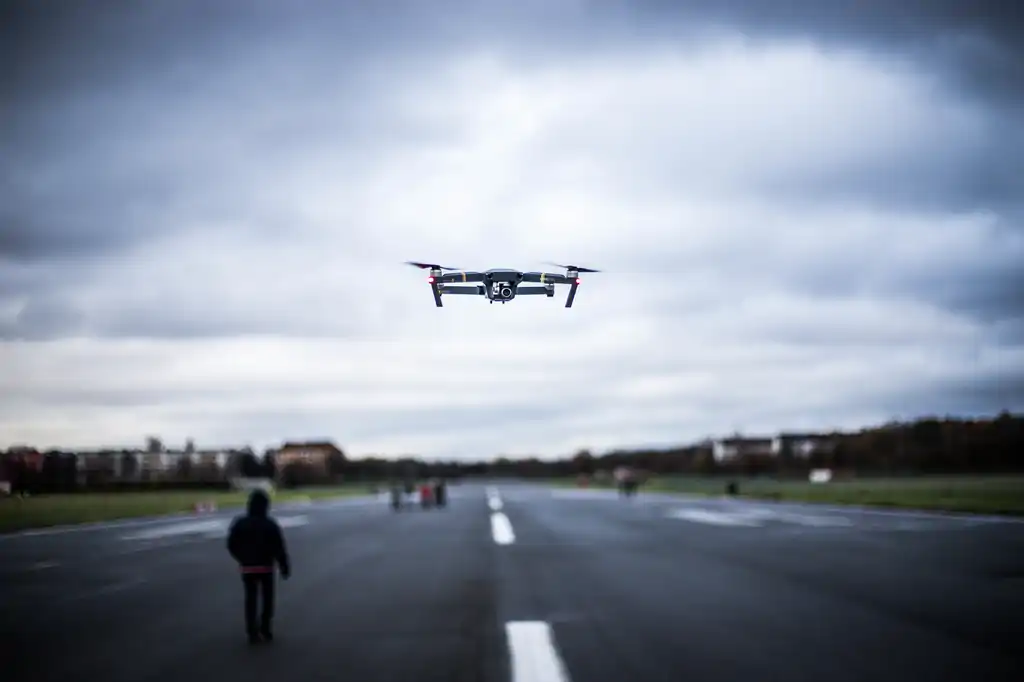
The aviation and aerospace industries are synonymous with precision, safety, and performance. These sectors demand an unwavering commitment to maintaining the highest standards, and at the heart of this commitment lies calibration. Calibration plays a pivotal role in ensuring measurement confidence and integrity, which, in turn, safeguards the quality, safety, and performance of aircraft, systems, and instruments.
Calibration and Its Significance
Calibration in the aviation and aerospace sectors refers to a set of meticulously performed operations conducted under specific conditions. These operations aim to establish the relationship between the values indicated by measuring instruments and the corresponding quantities based on reference standards. In simpler terms, calibration ensures that instruments and equipment used in these industries provide accurate and reliable measurements.
Regulatory Compliance and Risk Mitigation
One of the primary drivers behind calibration in aviation is regulatory compliance. Regulatory bodies such as the International Civil Aviation Organization (ICAO) have set stringent standards and guidelines to ensure the safety and reliability of aviation operations. Calibration is essential for meeting these standards and minimizing the risks associated with costly failures.
Calibration in Aviation Maintenance
Aviation maintenance professionals play a critical role in upholding calibration standards. They are responsible for routine checks and calibration of equipment, instruments, and test tools used to certify aircraft and components. The overarching goal is to guarantee accuracy, safety, and compliance with industry standards and manufacturer specifications.
AAI's Calibration Initiatives
The Airports Authority of India (AAI) serves as a prime example of the importance of calibration in aviation. AAI recently welcomed two B-360 type aircraft equipped with state-of-the-art Flight Inspection systems to its fleet. These aircraft are dedicated to ground navigation and landing aid calibration. AAI not only supports aircraft in Indian airspace but also provides flight calibrations in neighboring countries, generating revenue in the process.
These aircraft will be used in calibrating landing aids such as the Category I, II and III Instrument Landing Systems and also navigation aids like DVORs, DME, NDB, Radar, GBAS, PAPI, TACAN etc., said AAI. "They will also be validating the RNP and LPV procedures as also the Instrument Approach Letdown procedures for DVOR/DME and ILS," it added.
Advantages of Drone Usage
- Reduce the flight time of the inspection aircraft.
- Reduce the potential dangers for inspection aircraft crew.
- Reduce chain costs.
- Reduce air traffic while flying inspection aircraft.
- Reduce the workload of the flight group and ATSEP & AGL engineers.
- Reduce air and noise pollution.
- Reduction of human and system errors in ground check of navigation assistance systems.
- Increase aviation safety.
- Increasing the number of inspection aircraft courses of navigation assistance systems with intermediate inspections by Drone.
The Role of Calibration in Navigation Aids
Navigation aids are the lifeline of air traffic management (ATM) firms. These organizations rely on advanced and reliable navigation aid equipment to ensure safe and efficient operations. Calibration is indispensable to guarantee that critical navigation aids for pilots are continuously operational. For instance, the Instrument Landing System (ILS) is a navigation apparatus that helps pilots land aircraft in poor visibility conditions. To maintain ICAO certification for ILS, dynamic measurements are essential.

Challenges and Innovations
Traditional calibration methods involve a combination of ground and air inspections. However, these methods have limitations. Manned aircraft used for calibration are expensive, noisy, and environmentally harmful. Ground calibration is restricted to the runway threshold due to equipment limitations.

Innovations in calibration techniques are emerging to overcome these challenges. Collaborations between industry players like AltiGator and skyguide have led to the development of Calibration Navigation System (CNS) drones. These drones offer a unique solution by conducting inspections in remote areas, thanks to their lifting power, efficiency, and reliability. They perform elevation profiles and micro approaches to analyze ILS signals, ensuring accuracy without the limitations of traditional methods.
Conclusion
Calibration is the unsung hero of the aviation and aerospace industries. It is the backbone of precision, safety, and compliance. As these industries continue to evolve and expand, innovative calibration methods like CNS drones are poised to play an increasingly vital role. In a world where precision and safety are non-negotiable, calibration remains the cornerstone of excellence in aviation and aerospace.
With Inputs from ICAO (1) (2), Times of India, Altigator, Time Electronics
Read next
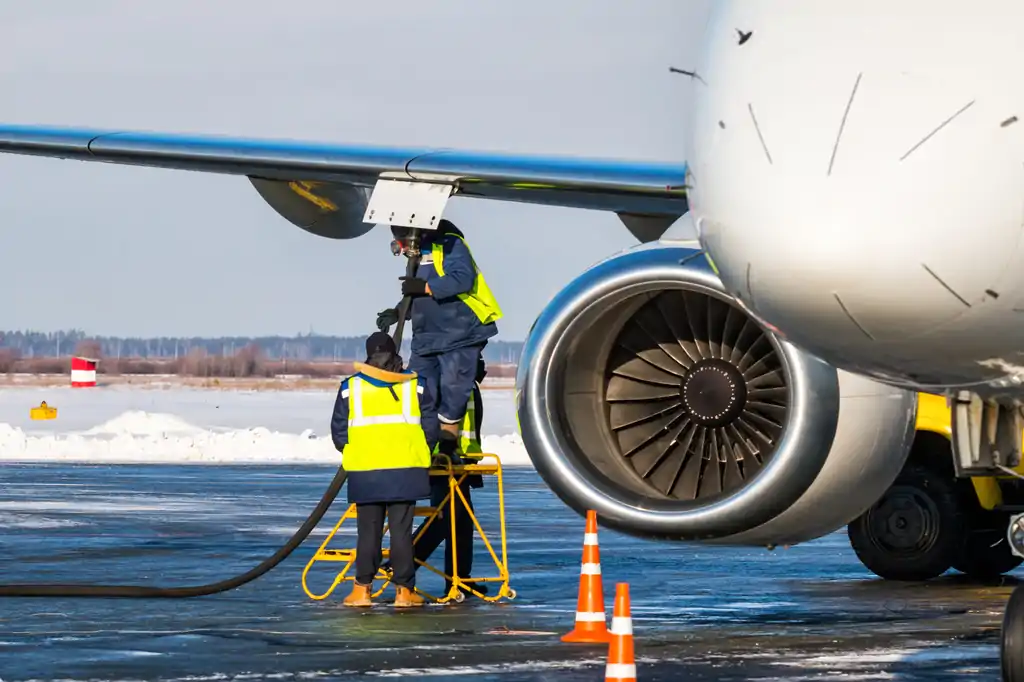
The aviation industry has set ambitious goals to reduce its carbon emissions and combat climate change. Central to these efforts is the adoption of Sustainable Aviation Fuel (SAF), which has been heralded as a critical component in achieving net-zero emissions by 2050. However, as large-scale manufacturing of SAF begins, it is becoming increasingly clear that SAF will remain more expensive than traditional kerosene.

The Cost Challenge
Willie Walsh, the chief of IATA, has acknowledged the inevitability of SAF remaining priced at a premium compared to kerosene. This assertion is based on the current state of SAF production, which involves relatively small volumes and higher production costs. Even as production scales up, the cost of SAF is not expected to match that of kerosene. However, this cost disparity is not dissuading airlines from pursuing their carbon emission reduction objectives.
A Necessary Investment

The aviation industry has made significant strides in acknowledging the environmental impact of air travel. IATA had previously projected that SAF could potentially provide up to 65% of the carbon reductions required for the industry to achieve its net-zero emissions target by 2050. This recognition of SAF's crucial role in decarbonizing the sector has led industry leaders to embrace the idea of paying a premium for sustainable aviation fuel.
The Industry's Commitment
In his statement at a conference in Lisbon, Willie Walsh emphasized the aviation industry's readiness to accept the higher cost of SAF as an essential investment in a sustainable future. He asserted that there is no alternative and that the industry is fully committed to achieving its carbon reduction targets. This commitment is reflected in the various initiatives and partnerships being formed to boost SAF production.

The Promise of Scalability
One of the key factors that could potentially mitigate the cost disparity between SAF and kerosene is scalability. Currently, SAF production operates at a relatively small scale, resulting in higher production costs. However, as production volumes increase, economies of scale are expected to come into play, driving down the cost of SAF. Walsh and others in the industry foresee a future where SAF becomes more affordable as deliveries reach a large scale.
Challenges and Solutions

Luis Gallego, CEO of British Airways and Iberia owner IAG, acknowledges that the decarbonization effort will likely make air travel more expensive. However, he believes that the industry can find ways to maintain affordable ticket prices. Gallego highlights the importance of boosting SAF production locally rather than importing it, as importing SAF adds unnecessary costs. This sentiment aligns with the industry's broader efforts to invest in domestic SAF production infrastructure.
Conclusion
The aviation industry's pursuit of sustainability through the adoption of Sustainable Aviation Fuel (SAF) comes with the acknowledgment of a higher cost compared to traditional kerosene. However, this cost is seen as a necessary investment in achieving net-zero emissions by 2050.
Industry leaders, including Willie Walsh and Luis Gallego, are resolute in their commitment to meeting carbon reduction targets, even if it means accepting a premium on SAF. As SAF production scales up, there is hope that the cost gap will narrow, making sustainable aviation a more viable and affordable option for the future. Ultimately, the aviation sector recognizes that the path to sustainability is paved with challenges, but it is a path they are determined to follow for the sake of the planet and future generations.
With Inputs from Reuters
Read next
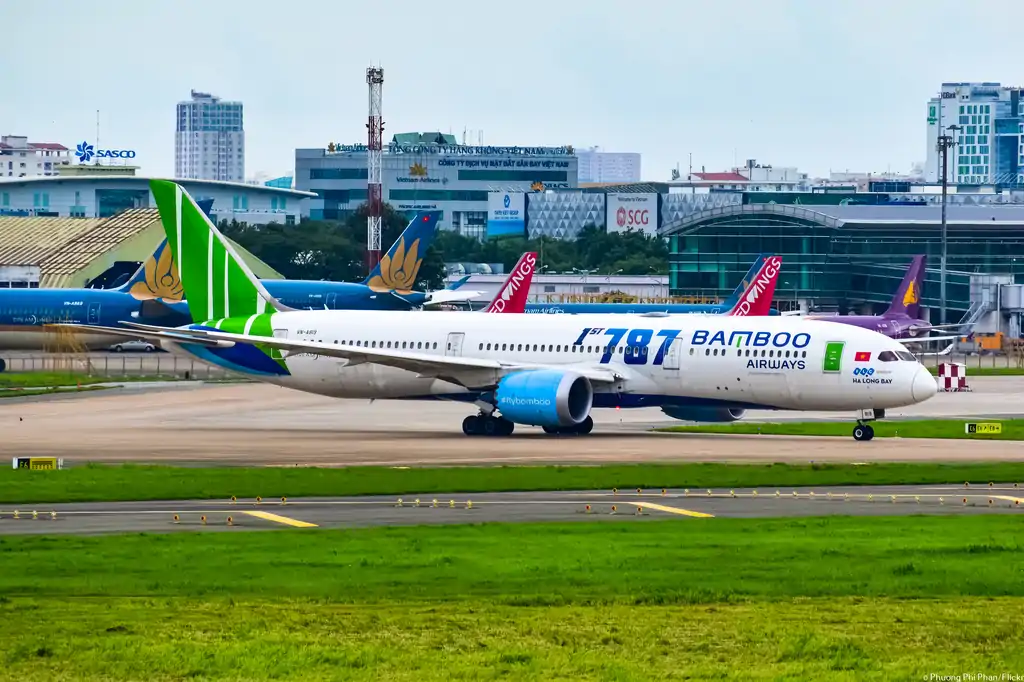
In a bid to enhance operational efficiency and reduce operational expenses, Bamboo Airways, one of Vietnam's prominent airlines, announced plans to embark on a comprehensive restructuring of its aircraft fleet next month. This strategic move aims to position the airline for sustained growth and stability, marking a crucial step forward in its post-pandemic recovery efforts.
The Motive Behind the Restructuring
Bamboo Airways made its intentions clear, stating that this restructuring process is essential to stabilize its operations and unlock further growth opportunities. While the airline did not delve into specific details, the overarching goal is to streamline its fleet composition, fostering greater uniformity among its aircraft types.
This emphasis on uniformity signifies a common trend among airlines worldwide, as it brings numerous advantages such as simplified maintenance, reduced training costs, and enhanced operational flexibility. Achieving this uniformity can make the airline more resilient in the face of evolving market conditions.
Temporary Adjustments in Cooperation Agreements
Additionally, Bamboo Airways disclosed that it has agreed to make temporary adjustments to its cooperation agreement with an undisclosed leasing company. While the details of this arrangement remain confidential, it underscores the airline's commitment to adapt to the current industry dynamics.
This move is not uncommon in the aviation sector, as airlines globally have been forced to reassess their commitments and adapt to changing circumstances in the wake of the COVID-19 pandemic. Flexibility and adaptability have become paramount in navigating the turbulent waters of the aviation industry.
Details of Bamboo Airways' Current Fleet
Bamboo Airways' current fleet comprises a diverse range of aircraft, totaling 30 in number. According to specialized aviation databases such as Airfleets.net and Planespotters.net, the airline operates several aircraft types, including:


This diverse fleet composition has allowed Bamboo Airways to serve a variety of routes and cater to different passenger demands. However, the restructuring aims to strike a balance between fleet diversity and operational efficiency.
Industry-Wide Fleet Adjustments
The decision taken by Bamboo Airways aligns with broader trends within the aviation industry. Since the onset of the pandemic, numerous airlines worldwide have rescheduled aircraft deliveries and made significant adjustments to their fleet plans to adapt to the evolving travel landscape. The Asian aviation market, in particular, has been in a state of flux, with carriers exploring innovative strategies to recover and thrive.
Bamboo Airways' commitment to restructuring its fleet demonstrates its determination to emerge stronger and more resilient in a post-pandemic world. By focusing on fleet uniformity and making necessary adaptations, the airline is positioning itself for long-term success and growth opportunities.
Conclusion
Bamboo Airways' forthcoming fleet restructuring represents a pivotal moment in its journey to enhance operational efficiency and reduce costs. While the specific details are yet to be unveiled, the airline's dedication to fostering uniformity and flexibility in its fleet is a testament to its commitment to thriving in the ever-changing aviation industry. As the airline industry continues to adapt to new challenges and opportunities, Bamboo Airways' strategic moves will undoubtedly be closely watched by industry observers and travelers alike.
With Inputs from Reuters
Read next
Air Canada Pilots Stage Informational Picket for Fair Wages and Improved Conditions
Abhishek Nayar
28 Sep 2023
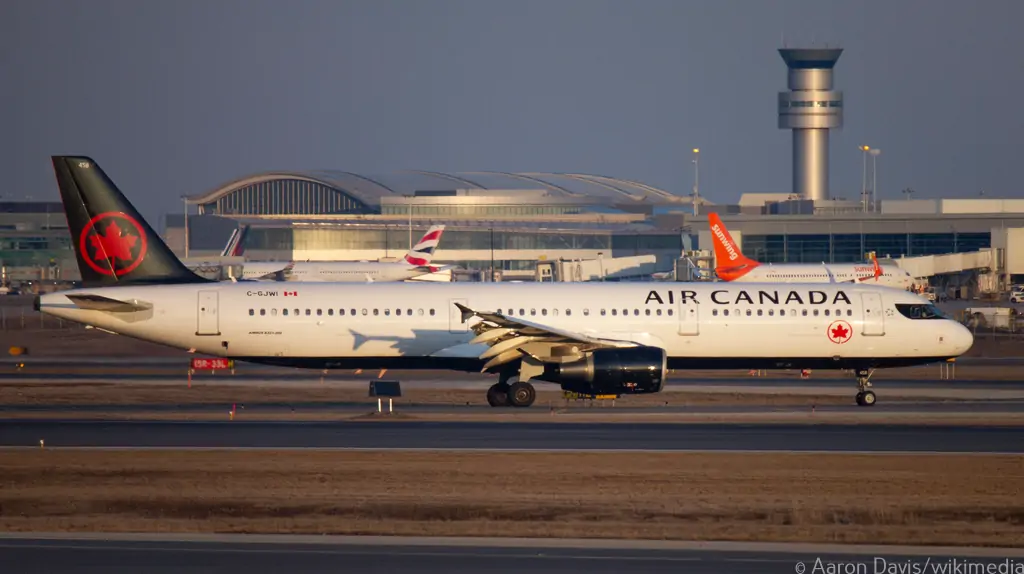
Air Canada stated on Wednesday, September 27, 2023, that it intends to operate the airline as usual on Friday, September 29, 2023, when its pilots conduct an informational picket at the company's major hub, Pearson International Airport. The pilots, represented by the Air Line Pilots Association (ALPA) union, have been pushing for higher salaries and better scheduling, citing the substantial gains made by their American counterparts in recent negotiations with airlines like Delta Air Lines and American Airlines.
Background
For years, Air Canada's approximately 4,500 pilots have received a modest 2% wage increase annually. However, with the Canadian inflation rate reaching 4.3% in March 2023, this wage growth has not kept pace with the rising cost of living, prompting concerns among the pilot workforce.
Pilot Demands
The primary demands of the Canadian pilots revolve around two key areas:
Higher Salaries
The pilots are advocating for more competitive compensation packages, citing the wage gains achieved by their American counterparts. With the ongoing shortage of pilots in the industry, they emphasize the need for Air Canada to address the growing wage disparity between Canada and the United States. Charlene Hudy, Chair of Air Canada's Master Executive Council, highlighted this concern in a statement on September 26, 2023.
Improved Scheduling
Beyond higher wages, pilots are also seeking improvements in scheduling practices. The demands for better schedules aim to enhance work-life balance and ensure that pilots can perform their duties effectively while maintaining a healthy work-life equilibrium.

Broader Labor Environment
Air Canada's pilot picket comes at a time when labor actions demanding better pay and benefits have been sweeping across North America. With high inflation and a tight labor market, employees across various industries are voicing their concerns. This has been further fueled by the impact of the COVID-19 pandemic, which brought to light the essential role of workers in maintaining the functioning of society.
Contractual and Negotiation Timeline
Negotiations between Air Canada and the ALPA union began during the summer of 2023, before the expiration of their decade-long contract. It is worth noting that the union had a May deadline to invoke an escape clause, enabling negotiations this year. The current agreement, which was set to expire, has been extended until September 29, 2023. Despite this extension, the provisions of the existing contract will continue to apply beyond this date.
Air Canada's Response
In response to the pilot picket, Air Canada announced that the contractual clauses agreed upon with ALPA remain in effect prior to the labor action. The airline's stance on maintaining the existing contract indicates the potential for continued negotiations.
Conclusion
The informational picket by Air Canada's pilots highlights the ongoing challenges in the aviation industry, particularly in the face of a pilot shortage and inflationary pressures. The demands for higher salaries and improved scheduling underscore the importance of fair compensation and working conditions for airline employees.
As the labor action unfolds, both Air Canada and its pilots will likely engage in further negotiations to address these crucial issues and find a mutually beneficial resolution. The broader context of labor actions across North America emphasizes the significance of fair compensation and better working conditions in today's labor market.
With Inputs from Reuters
Read next
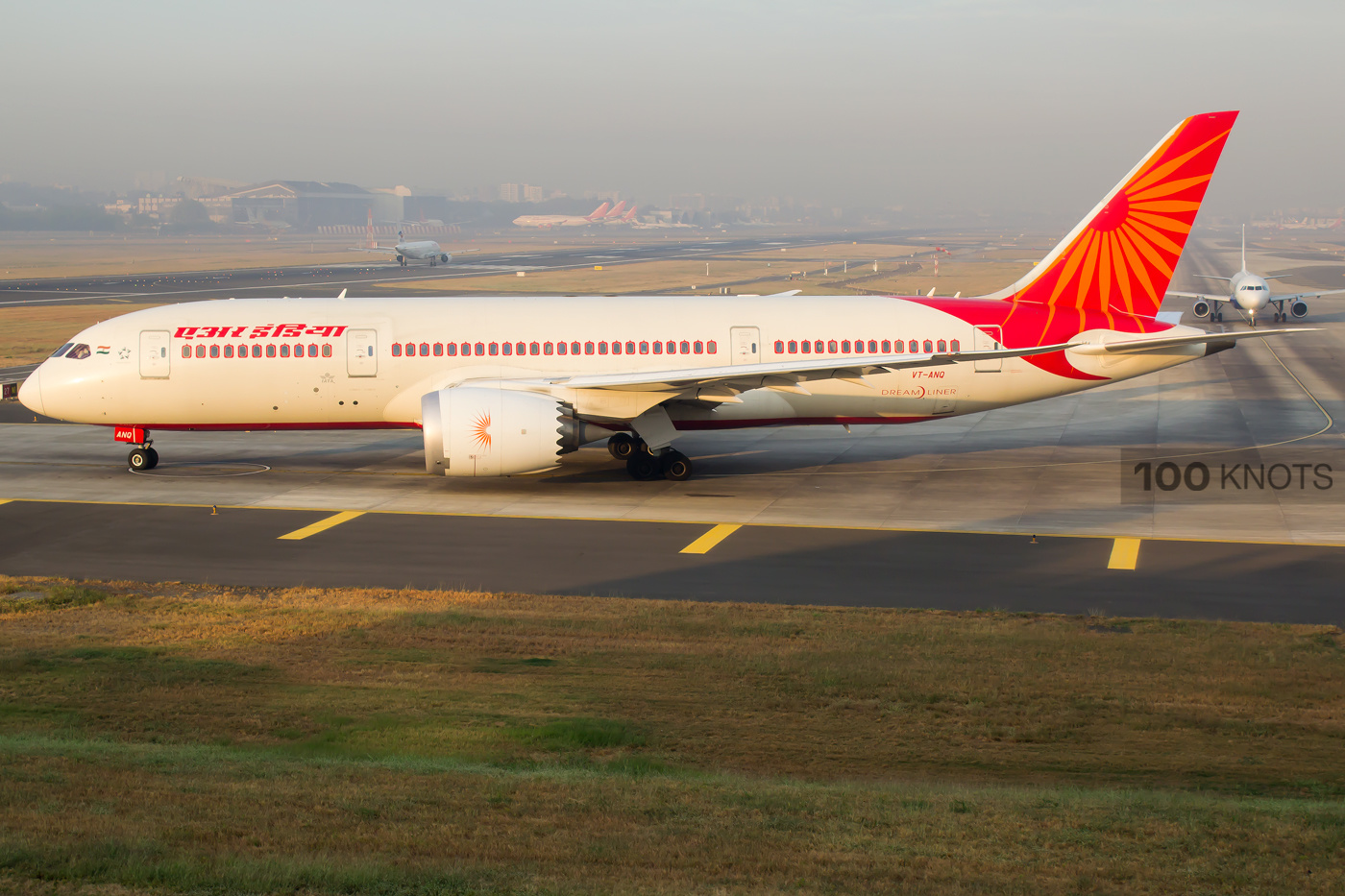
Tata Group-owned Air India will be introducing new uniforms for its crew members shortly. The uniforms could be introduced when the airline inducts its first wide-body A350 aircraft later this year. Earlier this year, Air India placed orders for 470 aircraft from Airbus and Boeing.
For 60 years, the airline’s flight attendants have worn sarees. But, by November, this might change and a more contemporary attire may be introduced. Fashion designer Manish Malhotra is among those who have been roped in to design the new uniforms, a source said. Discussions on the uniforms for crew are still underway and the finer details of the uniforms are yet to be finalised.
“Churidars will be one of the options for women and the male crew members will wear suits,” an unidentified official said. “The sarees will take a back seat. When I say this, I mean that they may be entirely taken away from the set of uniforms.”
“Various options were given to the airline, which included ready-to-wear sarees that look like sarees but are not draped like the traditional ones. However, they have not been finalised by the management,” a second official claimed.
Air India is currently in the process of merging Vistara with itself. Tata Group holds a 51% stake in Vistara and the rest is with Singapore Airlines. Tata Group is also consolidating its airline business wherein AIX Connect is in the process of getting merged with Air India Express while Vistara is merging with Air India.
Last month, Air India’s new brand identity ‘The Vista’ was inspired by the peak of the golden window frame that signifies “limitless possibilities” and a new aircraft livery. The new uniforms will reportedly be in shades of deep red, aubergine and gold, echoing Air India. Furthermore, Vistara might also adopt the same uniforms after the merger.
Air India last changed its uniform back in 2015 when it was under government control. Air India’s female cabin crew was recognised and known for wearing sarees. The tradition dates back to 1962 when JRD Tata decided to replace the skirt, jacket and hat with the six yards and some other options. The first sarees were sourced from Binny Mills and till today, Air India’s flight attendants can choose between an iconic saree or tunic and pants in the same colour.
Read next
Air France-KLM Group's Corporate SAF Programme Join Hands With Tata Communications

Radhika Bansal
27 Sep 2023
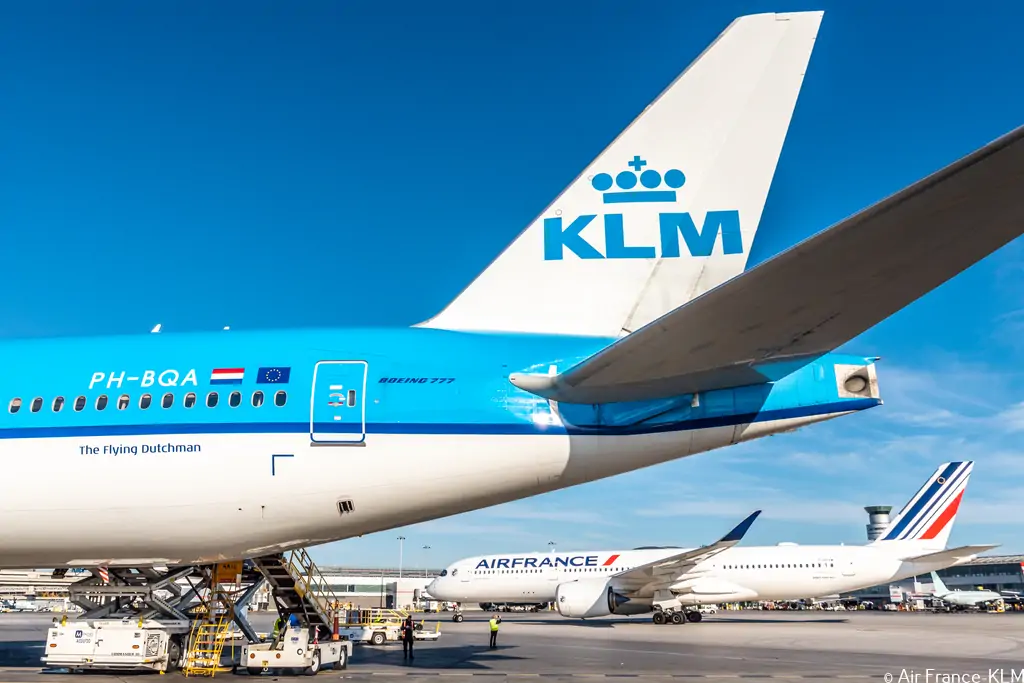
Air France-KLM Group announced that Tata Communications, a global digital ecosystem enabler has joined its Corporate SAF program to promote and develop the use of Sustainable Aviation Fuel (SAF). Tata Communications is the first global corporation from India to join this program which actively supports the transition to Sustainable Aviation Fuel and will therefore contribute to the reduction of the CO2 emissions generated by aviation.
Sustainable Aviation Fuels are the most decisive ways of reducing CO2 emissions in the aviation industry. However, the production is currently very limited and SAF represented approximately 0.1% of the global jet fuel use in 2022. The corporate SAF program allows Air France-KLM to partner with organizations to accelerate the production and usage of SAF, and thus pave the way towards making SAF more readily available with the aim to contribute to a more sustainable future in aviation. SAF projects selected by Air France-KLM reduce CO2 emissions by at least 75% compared to conventional jet fuel on a lifecycle basis.
Claude Sarre, General Manager Indian Sub-Continent, Air France-KLM said: “Decarbonizing aviation comes with several challenges, compelling the industry to collaborate with various stakeholders and seek innovative solutions to minimize the environmental impact. As a responsible player, sustainability is embedded at the core of the Air France- KLM Group's strategy, with a strong emphasis on the development and use of Sustainable Aviation Fuels (SAF). We are proud to welcome Tata Communications to the Air France–KLM Corporate SAF Program. This agreement is significant towards raising awareness and addressing sustainability challenges the aviation industry faces. Tata Communications has a strong commitment towards environmental preservation. We are happy to take the first step of this journey in India with them, to make flying more sustainable.”
Kim Bybjerg, Vice President and Head of Continental Europe, Tata Communications, said "With our commitment to be Net Zero by 2035, we are making a strategic shift in our business travels for a sustainable planet. One of our initiatives is to adopt sustainable aviation fuel (SAF) to reduce our carbon emissions. I am pleased to announce our relationship with Air France-KLM and other leading airlines through SAF usage on select routes. I believe our adoption of SAF will encourage employees and more organisations to take up sustainable travel.”
Air France-KLM’s Initiatives Towards CO2 Emissions
Air France-KLM's objective is to reduce its total CO2 emissions per passenger/km by 30% compared with 2019. To achieve this SBTi-validated target, the Group aims to incorporate a minimum of 10% sustainable aviation fuels (SAF) by 2030, beyond the European mandate of 6% for flight departures in Europe by the same deadline. Sustainable aviation fuels are one of the most promising levers for reducing CO2 emissions from aviation. They are currently made from used cooking oils, waste or agricultural and forestry residues. In the future, sustainable synthetic aviation fuels will also be available, made from hydrogen and carbon captured from the atmosphere.
Air France-KLM has implemented a strict sourcing policy and is committed to purchasing only SAFs that do not compete with food or feed, are RSB or ISCC certified for their sustainability, and are not produced from palm oil. SAF projects selected by Air France-KLM reduce CO2 emissions by a minimum of 75% compared with conventional jet fuel on a lifecycle basis and require no engine modifications.
The Air France-KLM Group also announced a substantial order of 50 Airbus A350 aircraft, accompanied by options for an additional 40 units. The order encompasses both the Airbus A350-900 and A350-1000 variants, the distribution of which has not been finalized. Deliveries are scheduled to commence in 2026 and continue through 2030. Air France-KLM will also be among the launch customers of the Airbus A350 Full Freighter version of the aircraft, having ordered 8 aircraft to renew and expand its cargo fleet.
Air France already operates 22 A350-900s, with 19 still to be delivered. Taking all existing orders into account, Air France-KLM is poised to emerge as the world’s leading operator of the Airbus A350 family, potentially boasting a fleet of up to 99 of these highly efficient aircraft. These newly ordered Airbus A350s will replace older generation aircraft, such as the 26 Airbus A330s and 33 Boeing 777s, operated by both Air France and KLM.
With these combined orders, covering up to 99 aircraft, Air France-KLM would become the world’s largest A350 family aircraft operator. The Airbus A350 symbolizes the transition to a more sustainable air transport industry. The aircraft consumes 25% less fuel than an equivalent-sized, previous-generation aircraft, thanks to the use of lighter materials: 53% composites and 14% titanium. Its noise footprint is also reduced by 40%.
Fleet renewal is the Group’s primary lever to immediately cut CO2 and noise emissions. Alongside the use of sustainable aviation fuel and eco-piloting techniques, it is one of the pillars of the Group’s decarbonization trajectory, which aims for -30% CO2 emissions per passenger/km by 2030 compared to 2019. Since the 2000s, Air France-KLM has reduced its noise footprint by 40% and the Group continues to work with all its stakeholders to adapt its operations. By 2028, the share of new-generation aircraft in the Air France-KLM fleet will reach 64%, compared to 5% in 2019.
Comment