
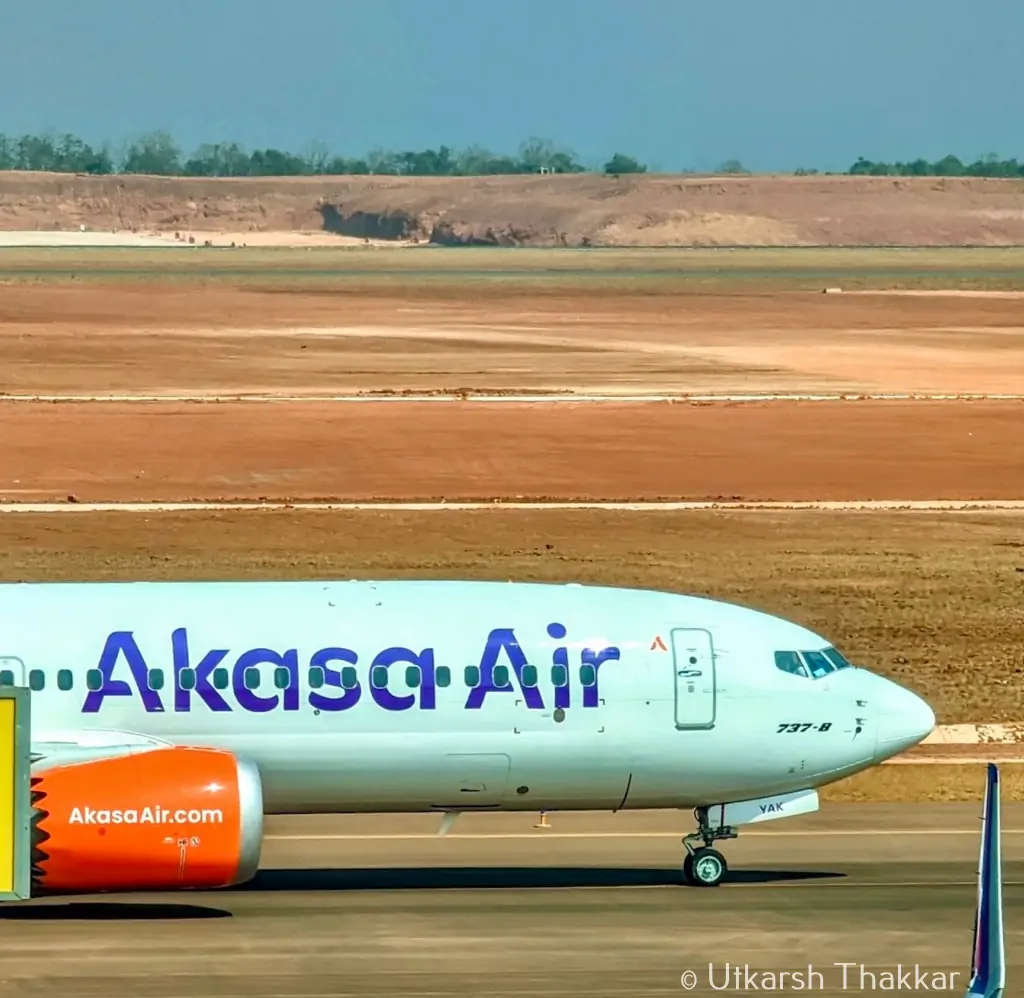
According to information from the Ministry of Civil Aviation (MOCA), SpiceJet, which has been struggling with a cash flow issue, had the worst on-time performance (OTP) in March of this year at 76.748%. On the other hand, according to the MOCA data cited by the Business Standard, the new airline Akasa Air had the best OTP among all carriers in March at 94.539%.
SpiceJet noted that it "has been striving hard to continuously improve performance on all aspects, including our OTP" and that it is "hopeful" that there would be further progress in the upcoming time despite its refusal to comment on the government data.
Akasa's Punctuality
The airline achieved an OTP of 100% on the first, second, and fourth days of the month (1st, 22nd, and 28th). The co-founder and senior vice president for operations at Akasa Air, Neelu Khatri, told Business Standard that it was too soon to "congratulate ourselves" but detailed how the company had taken proactive steps to instil "dependability" into its flight network and operations. “We routinely run time and motion studies to ensure that our processes run with stability, and we train our employees to deliver on these processes precisely. Furthermore, to maintain these stringent standards that we have set for ourselves, we continuously analyze complex operations data to identify improvements that we can make to our processes.”
Akasa Air now flies to 17 cities, operating over 900 weekly flights across India, and will likely start overseas flights later this year. There’s another airplane order on the horizon, with the airline’s chief saying it will be far bigger than its first order of 72 Boeing 737 MAXs.
Other Carriers' Performance
IndiGo came in second with an OTP of 92.4%, while Vistara and Go First had almost identical OTPs of 84.677% and 84.671%, respectively. The other two airlines under the Tata Group, AirAsia India and Air India, had the second lowest and third lowest OTP, respectively, a massive difference from last year when AirAsia India consistently topped the charts for months, and Air India, too, showed marked improvement.
What is OTP?
OTP, short-hand for On-Time Performance, is a widely accepted method of understanding punctuality for different modes of public transport, not just aviation. It provides a standardised means of comparing how well one service provider operates according to its published schedule compared to another.
In aviation, an airline departure or arrival that is considered on time has a departure or arrival that occurs within 15 minutes of the scheduled time. The schedule is the basis of the airline's proposition to its customers. Inevitably, external disruptions such as adverse weather conditions, congestion, incidents, and industrial action can cause delays for operators but in general, flight OTP can be influenced by the performance of airlines and airports. Therefore, airline On-Time Performance is widely used as a powerful key performance indicator for airlines and airports and is also a potential service differentiator for marketing the brand to air travellers.
(With Inputs from Business Standard)

Read next
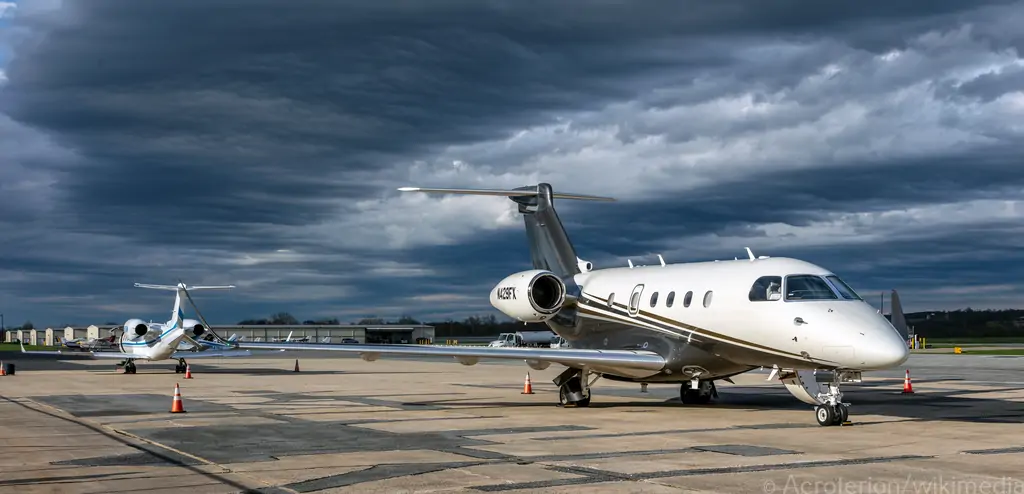
The aviation sector is about to undergo huge growth, with the global airline fleet anticipated to grow by one-third over the next decade. The increased demand for air travel throughout the world, as well as continued technological breakthroughs in aircraft design and manufacture, are driving the expansion.
Factors Influencing the Global Airline Fleet Expansion
Many causes are contributing to the expansion of the global airline fleet. One of the primary causes is rising demand for air travel, particularly in emerging markets. According to the International Air Transport Association (IATA), air passenger traffic is predicted to more than quadruple by 2037, with Asia Pacific accounting for more than half of all additional passengers.
The Next Decadal Forecast
According to consulting company Oliver Wyman's 2023–2033 Global Fleet and MRO Market Forecast, the total number of commercial jets is predicted to climb from over 27,400 to more than 36,000 aircraft in ten years, representing a 33% increase.
Furthermore, it is expected that a record number of aircraft deliveries will be made over the coming decade, notwithstanding current supply chain bottlenecks that may make meeting this year's objectives difficult. However, despite soaring flying rates and a year of delays and cancellations in several of the world's most important markets, travellers appear unfazed. By December, worldwide passenger traffic, including domestic and foreign, had surpassed 82% of the total for 2019. This is the highest amount recorded since the outbreak.
The Aviation Industry's Possible Impact
The anticipated growth in global airline fleet size has various possible consequences for the aviation sector. For starters, it will open up new prospects for aircraft makers, as airlines would need to acquire new planes to fulfil rising air travel demand. According to a survey by aviation consultancy firm CAPA Centre for Aviation, airlines throughout the world would need to acquire around 40,000 new aircraft by 2038, at a cost of around $6 trillion.
A Challenging Year
It was not like the recovery year 2022 was smooth. While vaccinations and treatments helped to control COVID in North America and Western Europe, China saw epidemics that prompted the country's zero-COVID policy, which resulted in the shutdown of Shanghai and other major cities, as well as some MRO facilities and aerospace parts manufacturing.
Having said that, the most vexing issues for aviation were significant labor shortages in almost every industry and in almost every region. The industry in North America is experiencing two potentially severe shortages of commercial airline pilots and aircraft technicians. According to our calculations, supply shortfalls will account for 18% of the overall pilot workforce in 2023 and 14% of aviation mechanics. The shortfalls are expected to expand, or at least persist, through 2033. The shortage of pilots has already resulted in service reductions on less popular and more rural routes, mostly affecting smaller airlines. Moreover, a lack of trained mechanics and pilots is likely to impede the whole sector over the next decade.
The growth of low-cost airlines
The proliferation of low-cost carriers is another element driving the increase in the airline fleet (LCCs). These airlines make air travel more economical, making it more accessible to a larger spectrum of travellers. LCCs are predicted to account for 50% of global passenger volume by 2030, according to research by the Centre for Aviation (CAPA). As a result, several airlines are investing in low-cost carriers (LCCs) or developing their own low-cost brands to enter this market.
The rise of new airlines in emerging markets
The entry of new airlines into emerging markets also contributes to the expansion of the airline fleet. In recent years, countries like China and India have experienced an increase in demand for air travel, resulting in the establishment of numerous new airlines. Several airlines are investing in new aircraft to expand their fleets and fulfil rising air travel demand.
Demand for aircraft
Labor shortages exacerbate supply chain snarls, which have already resulted in lengthier wait times on parts, sometimes more than a year. Yet the strain on supplier capacity is only set to increase once the world's leading aircraft manufacturers, Airbus and Boeing, begin to execute their projected higher production objectives, which would be impossible to reach even if supply chains were running properly. Several of their largest suppliers have openly said that the increased output may be beyond their and the rest of the supply chain's capabilities.
The Long Run
Climate change and the need to cut greenhouse gas emissions are two areas that will put aviation to the test. While it has been overshadowed by more pressing issues such as COVID-19, labour shortages, and the supply chain, it is expected to become a more significant issue that aviation will have to manage as the decade unfolds. France has passed regulations prohibiting air travel between distances that may be covered by a 2.5-hour rail ticket. Several other European nations are developing similar regulations. While not onerous, the new prohibition might be a precursor to additional limitations in the future, particularly in Western Europe.
Conclusion
Finally, the global airline fleet is predicted to grow by one-third over the next decade, owing to increased demand for air travel and continued advances in aircraft design and manufacture. The expansion is projected to offer new possibilities for aircraft manufacturers as well as new employment in the aviation industry. Yet, the growth of the airline fleet will put further strain on airports and air traffic control systems as they try to keep up with the rising demand for air travel. Overall, the aviation business is positioned for tremendous expansion, posing both difficulties and opportunities for stakeholders across the industry.
Read next
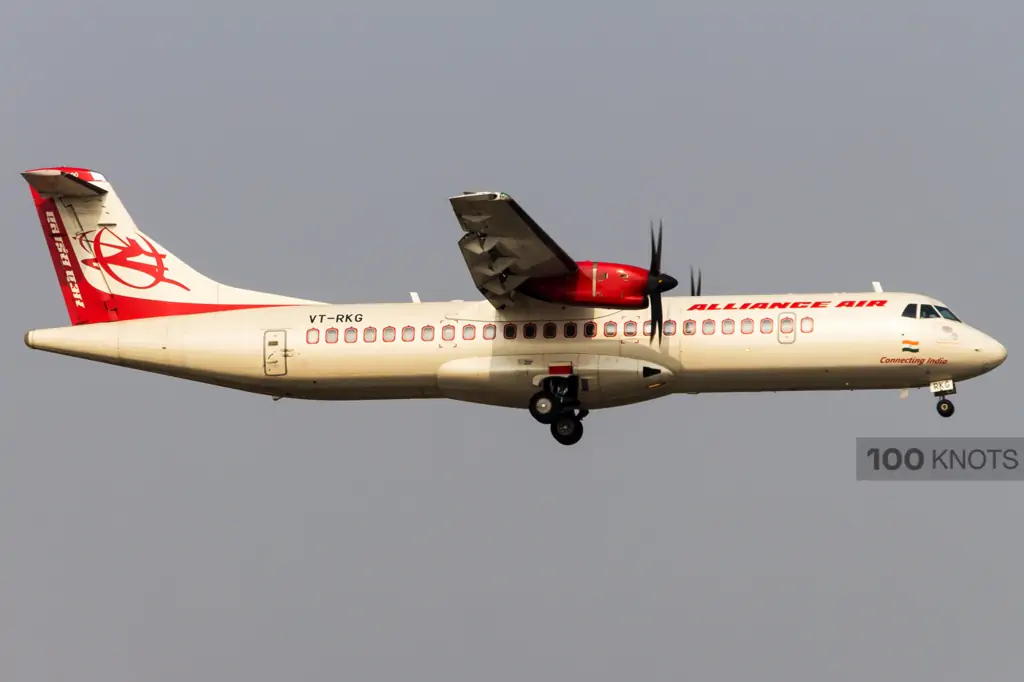
Alliance Air on Wednesday, April 12 said flight operations had normalised now after a section of pilots, who were on strike for the last two days, resumed work. On Monday (April 10) and Tuesday (April 11), around 70-80 pilots went on strike to protest against the non-restoration of salaries to the pre-COVID level and non-payment of allowances, among other issues.
Response of the Authorities
Alliance Air CEO Vineet Sood said that pilots had come back to work. He also said that negotiations are going on with the pilots regarding the issues raised by them. In a statement, Alliance Air said flights suffered major disruptions as a section of pilots en masse reported sick in the last two days.
“We are now pleased to inform you that the operations have normalised and flights are operating as per schedule,” the statement said. On Tuesday, sources said the airline has issued notices to the striking pilots and has also asked them to join back for duty.
A statement issued by the airline on Monday had read, ‘The unforeseen disruption in the logistic chain is directly impacting the timely availability of spares in the industry restricting the airline to fly the aircraft due to safety reasons combined with a section of dissatisfied pilots who en masse reported sick without giving any prior intimation, resulted in the cancellation of flight operation on 24 routes.’ The airline had said that this action on part of the cockpit crew caused inconvenience to the travelling public, brought disrespect to the airline, and resulted in revenue loss.
What Happened?
State-owned Alliance Air, which was earlier part of the now-privatised Air India, has around 200 pilots and operates about 130 flights per day. A source had said that at least 70 flights were affected due to the strike by the pilots on Tuesday. A section of pilots has gone on strike without issuing a notice to the airline. It is pertinent to note that Alliance Air airline's pilots have been demanding the restoration of salaries to the pre-Covid level for the past few months. They went on a strike in September 2023 which prompted delays and cancellation of flights.
Passengers affected by aircraft cancellations and delays have suffered significantly as a result of the pilot strike. According to sources, over 70 flights have been cancelled and many more have been delayed since the strike began. Several passengers have been stuck at airports and have been forced to make other travel plans. The situation has been especially tough for travellers who want immediate transportation and cannot afford to wait for the strike to conclude.
Alliance Air operates ATR planes. It connects 48 destinations within India with 100 departures per day. Pre-Covid, the airline was flying to 62 destinations. The carrier has 18 ATR 72-600 aircraft in service.
Read next
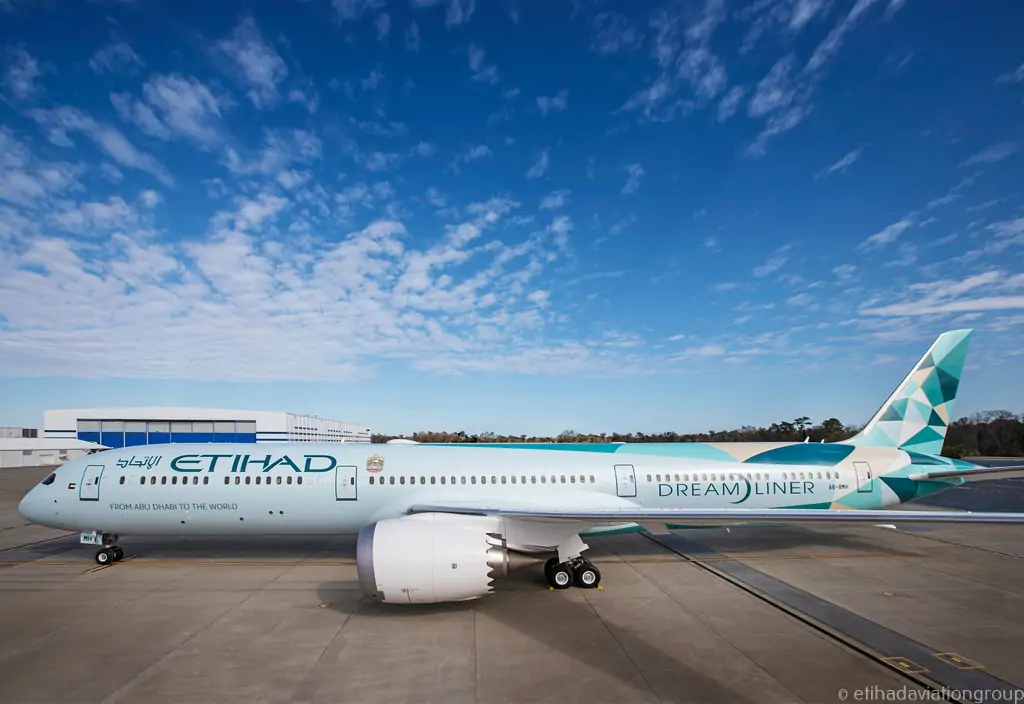
A UK watchdog condemned two Etihad Airlines video advertising on Wednesday for making "misleading" and "exaggerated" environmental promises about flights with the UAE carrier.
The Adverts
The Facebook advertisements, which appeared in October 2022, showed a jet, and stated that Etihad acknowledged "the impact flight has on the environment" and had a "louder, bolder approach to sustainable aviation."
Inadequately supported claims
The Advertising Standards Authority (ASA) stated on Wednesday that "currently no projects or commercially viable technology in existence within the aviation sector can satisfactorily justify an absolute green claim such as 'sustainable aviation.' "
"The ASA decision has disappointed Etihad Airlines." Sustainability is a top priority for Etihad, "which has a comprehensive research and development program to address aviation decarbonization, working to reduce the environmental impact of aviation by investing billions in modern, fuel-efficient aircraft, research into sustainable aviation fuels, carbon offsetting, and reforestation."
Etihad’ View on Sustainability
From its recognisable 'Greenliner' Boeing 787-10 to meticulously produced advertising campaigns, Etihad has not shied away from the environmental debate, instead tackling it hard on. The airline just passed the 40% mark for electric vehicle service at Abu Dhabi International Airport (AUH), a ratio that can only rise as greener technology becomes more popular. The carrier went on to remark, emphasising the continuous significance of sustainability at Etihad, "The airline will continue to take daring and new actions, including as collaborating with aircraft and engine manufacturers, sustainable fuel suppliers, universities, and inventors, to make flying more sustainable than it would be otherwise."
Aviation's Environmental Effect
The aviation business has a considerable environmental effect, and airlines are increasingly under pressure to cut their carbon emissions. The International Air Transport Association (IATA) has set a target for the aviation sector to cut carbon emissions by half by 2050 compared to 2005 levels.
The Function of Advertising Guidelines
Advertising standards guarantee that advertisements are true, lawful, and honest. The Advertising Standards Authority (ASA) enforces advertising standards in the United Kingdom by investigating public complaints about advertising.
Conclusion
The UK's advertising standards authority's censure of Etihad Airlines emphasises the necessity of ensuring that environmental claims made in advertising campaigns are supported by solid proof. The aviation business has a substantial environmental effect, and it is critical that airlines disclose their environmental impact and take actions to decrease carbon emissions.
With Inputs from Barrons
Read next
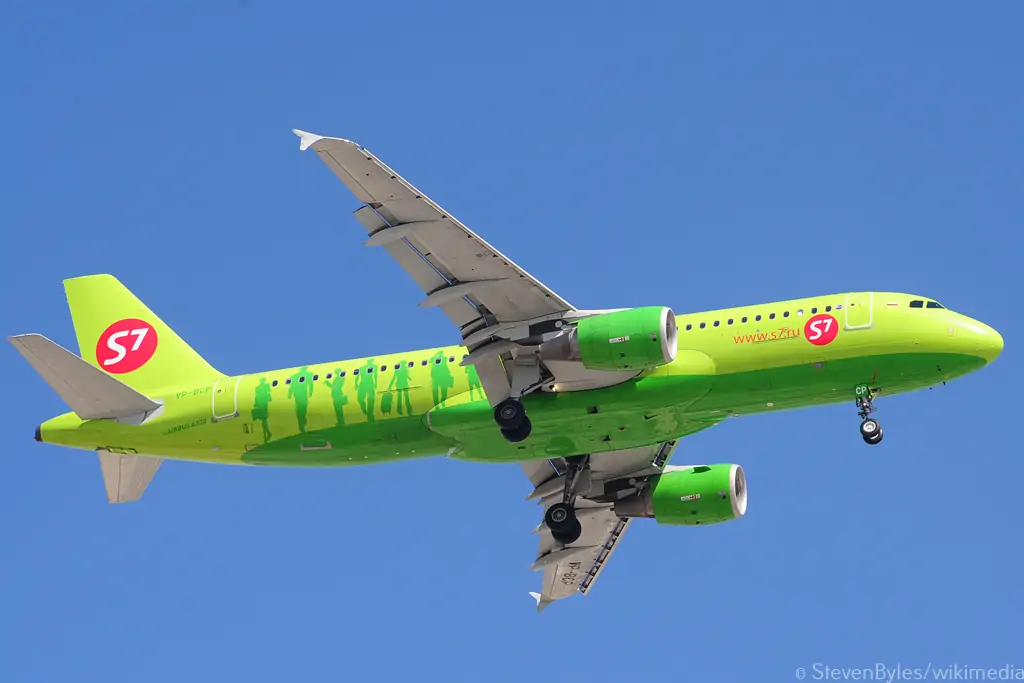
S7 Group, the Russian corporation that owns S7 Airlines, has purchased the Berdsk Electromechanical Factory (BEMZ). This would enable the company to manufacture, test, and certify aircraft parts as Russia's civil aviation industry seeks new ways to avoid sanctions imposed by Western countries following the Kremlin's invasion of Ukraine in February 2022.
History of S7 and BEMZ
S7 Airlines operates out of Novosibirsk Tolmachevo International Airport (OVB). According to statistics, the airline has a fleet of 102 aircrafts, all of which are manufactured by Western manufacturers (Airbus, Boeing, and Embraer). The airline operates 66 Airbus aircraft (all narrowbodies), comprising three A319s, 16 A320ceos, 31 A320neos, eight A321ceos, and eight A321neos. S7 also has 19 Boeing 737-800s (two of which are freighters) and 17 Embraer E170s. JSC Berdsk Electromechanical Factory (BEMZ), founded in 1959, is a machinery building enterprise. Manufacturing items for the defence complex, the space and rocket industry, aviation, and civilian electromechanical products are the plant's top priorities.
Acquisition Details
S7 Airlines finalized the takeover of BEMZ in March 2023. S7 Airlines paid an unknown price for the purchase of all of BEMZ's shares.
Prior Instances
Aeroflot recently dispatched an Airbus A330 to Iran's Mahan Air for landing gear maintenance. Another example is that new Sukhoi Superjet aircraft are being produced using used engines and non-Michelin tyres (as it was previously done). There have been instances of airlines cannibalizing new jets for spare components in order to keep existing planes flying.
Advantages of the Acquisition
S7 Airlines expects to reap various benefits from its acquisition of BEMZ. For starters, it will allow the airline to manufacture aircraft parts in-house, decreasing reliance on external suppliers and enhancing operating efficiency. With BEMZ's skills and experience, the airline will also be able to develop novel solutions for the aviation sector.
Conclusion
S7 Airlines' acquisition of BEMZ is an important event in the Russian and worldwide aviation industries. With BEMZ's skills and experience, S7 Airlines will be able to grow its capacities and improve its operations. S7 Airlines expects the purchase to deliver several benefits and boost its position as a prominent player in the aviation sector.
With Inputs from Aviacionline
Read next
Indian Oil to Collaborate with LanzaJet to Develop Sustainable Aviation Fuel

Abhishek Nayar
13 Apr 2023

Indian Oil Corporation Ltd. (IndianOil), India's leading energy company, today signed a memorandum of understanding (MOU) with LanzaJet, a leading sustainable fuels technology company and producer of sustainable fuels, to investigate the development of sustainable aviation fuel (SAF) production in India.
Background of IndianOil
IndianOil is India's flagship national oil business, operating throughout the hydrocarbon value chain, including refining, pipeline transportation, crude oil and gas production, gas marketing, and alternative energy sources. India's energy transition, as a fast-rising economy, will be critical in global energy markets. IndianOil is implementing mitigating measures such as sustainable fuel alternatives to help the country meet its lofty clean energy targets.
"IndianOil is the leader in India's aviation fuel segment, and as we move forward on the path to achieve net-zero operational emissions by 2046, we aim to enhance our basket of lower carbon fuels, and this partnership will be another step in this direction, which would accelerate India's commitment to become net-zero by 2070," said the Chairman of IndianOil during the MoU signing ceremony. Developing a SAF ecosystem in India would hasten the energy transition and ensure our leadership position in the sustainable fuel market."
History of LanzaJet
LanzaJet, launched in 2018, is a sustainable aviation fuel (SAF) firm. It is a subsidiary of LanzaTech, which pioneered the creation of a method for converting waste carbon emissions into useable fuels. LanzaJet specialises in the manufacture of SAF, a renewable and low-carbon alternative to standard jet fuel. LanzaJet's SAF is created using LanzaTech's technology, which captures waste carbon emissions from industrial sources and converts them into ethanol. The ethanol is then converted into SAF, which may be utilized in commercial flights without requiring any changes to current aircraft or infrastructure.
Understanding Sustainable Aviation Fuel (SAF)
SAF (sustainable aviation fuel) is a low-carbon, ecologically friendly fuel derived from renewable sources. SAF is a direct replacement for normal jet fuel and may be utilized without altering the engine. SAF is made from a variety of feedstocks, including municipal trash, agricultural wastes, and forestry residues. SAF is seen as a possible solution for the aviation industry's carbon emissions, which considerably contribute to climate change.
The Investment
According to the proposed organizational structure of the new firm, IOCL will hold 50% and LanzaJet Inc. will control 25%. A number of airline companies would be granted the remaining 25% stake. Domestic airlines have expressed interest in participating in this initiative. According to a senior industry insider acquainted with the development, many airline enterprises may be awarded between 2% and 5% stakes, with IOCL retaining 25% for them. The airlines, according to the official, are being involved to assure fuel offtake.
IOCL and LanzaJet would spend Rs. 1,500 crore and Rs. 750 crore, respectively, on the planned plant. The remaining monies would be invested by airlines that elect to join the new organization. According to an industry source, Tata Group, the parent company of Air India, Vistara, IndiGo, GoFirst, and Blue Dart, has been approached about investing in the project. They might each invest between Rs 100 and Rs 150 crore for a minority stake in the company. SAF is a biofuel with properties similar to those of standard jet fuel but with a lower carbon footprint.
The Collaboration
Indian Oil already has a partnership with LanzaTech, LanzaJet's parent firm, to convert waste to ethanol, and the LanzaJet contract will aid in the conversion of the ethanol to cleaner jet fuel.
Our collaboration will enable India's move to greener fuels and accomplish the country's carbon reduction objective. The agreement was signed during India Energy Week in Bengaluru, India, by Mr. Santanu Gupta, Executive Director (Alternate Energy & Sustainable Development), and Mr. Jimmy Samartzis, CEO of LanzaJet, in the presence of Shri Hardeep Singh Puri, Honorable Minister P&NG and H&UA, Shri Shrikant Madhav Vaidya, Chairman, IndianOil, and senior officials from IndianOil and LanzaJet.
Advantages of Cooperation
Indian Oil and LanzaJet's relationship is likely to benefit both firms and India as a whole. Indian Oil will have access to LanzaJet's unique technology for producing SAF from non-recyclable garbage by working with the firm. This will assist Indian Oil in diversifying its portfolio while also reducing its carbon footprint. This partnership also aligns with India's objective of attaining net-zero emissions by 2050.
Conclusion
The partnership between Indian Oil and LanzaJet to create sustainable aviation fuel (SAF) is an important step in reducing India's carbon footprint and achieving net-zero emissions by 2050. The collaboration intends to construct a demonstration facility in India that will employ LanzaJet's technology to create SAF from non-recyclable garbage. This agreement is intended to benefit both Indian Oil and LanzaJet while also contributing to the expansion of India's aviation sector.
With Inputs from LanzaJet, TheIndustryOutlook
Comment