
India's Soaring Skies: Domestic Carriers Gain Ground in International Air Traffic

Abhishek Nayar
10 Sep 2024
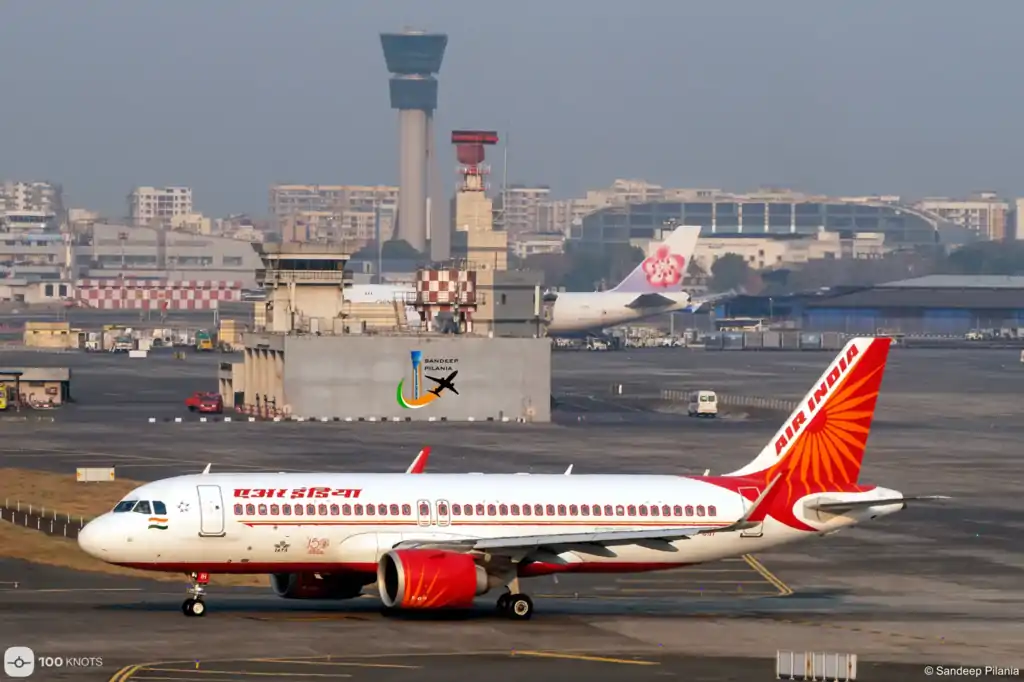
India’s aviation sector is experiencing a resurgence, with domestic airlines rapidly expanding their footprint in the international market. Driven by robust passenger demand and aggressive expansion plans, Indian carriers are taking a larger share of overseas traffic, leaving foreign airlines scrambling to keep pace.
Rising International Passenger Traffic
According to data from the Directorate General of Civil Aviation (DGCA), the number of international passengers flying to and from India surged 13% year-on-year, reaching approximately 17.7 million in the quarter ending June 2024. This is not only a sharp recovery from the pandemic but also a 14% increase over pre-COVID-19 levels seen in 2019. Indian airlines have leveraged this demand to expand their share of international traffic, now cornering a larger piece of the pie at 45.6%, compared to 43.9% in the same period last year.
Domestic Airlines Fly High: IndiGo Takes the Lead
Low-cost giant IndiGo emerged as the dominant player in international traffic among domestic airlines, flying 3.2 million passengers and claiming an 18.3% share—up from 17% the previous year. The airline’s commitment to expanding its international operations is clear, with a massive order of 500 aircraft in 2023, signaling long-term growth plans.
Tata Group-backed Air India, under its broader aviation umbrella, followed closely, recording the highest group-level international traffic. The flagship carrier flew 2.2 million passengers with a 12.3% share, while its low-cost subsidiary Air India Express accounted for 8.3% with 1.5 million passengers. Meanwhile, Vistara, its joint venture with Singapore Airlines, held a 4.2% share.
Akasa Air, the youngest domestic player, made its international debut in March 2024, flying 19,065 passengers to popular Gulf destinations like Doha, Jeddah, and Kuwait in the first quarter.
The Battle for Market Share
While domestic airlines continue their upward trajectory, foreign carriers are seeing their market share shrink. Emirates, the largest foreign carrier serving India, saw its share of overall traffic dip to 7.9% from 8.6% a year earlier, though it still carried 1.4 million passengers. Etihad and Singapore Airlines similarly faced reduced shares as more Indian travelers opted for homegrown carriers.

The increasing preference for domestic airlines has been driven by factors such as competitive pricing, expanding route networks, and the availability of more direct flights. The aviation landscape is also evolving to cater to tier-2 cities, with carriers servicing high-demand international routes from cities like Amritsar, Lucknow, and Thiruvananthapuram.
Expansion Plans Fuel Growth
The growing presence of Indian airlines in the global market isn’t a coincidence but the result of strategic expansion plans. Both IndiGo and Air India are aggressively focusing on international growth to boost revenue. IndiGo’s order for 500 new planes is part of its broader ambition to dominate international routes, while Air India’s purchase of 470 aircraft shows similar intent.
The focus is clear—bringing back economic opportunities that were previously monopolized by foreign carriers. As IndiGo’s Managing Director Rahul Bhatia remarked, “A lot of foreign carriers are flying customers from India to the world, and I think that economic opportunity has to be brought back to this country.” The combined efforts of domestic airlines are set to reclaim that economic advantage.
Financial Challenges and Future Outlook
While IndiGo and Air India push forward, budget carrier SpiceJet has struggled to maintain its market share due to financial woes. The airline carried 416,269 passengers in the quarter, marking a 0.6% drop in international traffic. Despite these setbacks, the overall outlook for Indian airlines remains positive.
According to ratings agency ICRA, international air passenger traffic for Indian carriers is expected to grow at a healthy rate of 15-20% in FY25. The increasing demand for overseas travel, especially from tier-2 cities, is driving growth. Airports in cities like Kozhikode, Kannur, and Bhubaneswar have seen a surge in international travel, contributing to the overall market expansion.
Conclusion: A New Dawn for Indian Aviation
As India’s aviation industry takes off post-pandemic, domestic airlines are steadily gaining ground in the competitive international market. With ambitious expansion plans, a growing customer base, and a shift in traveler preferences, the future looks bright for Indian carriers. The next few years will be pivotal in determining whether they can sustain this momentum and continue to claim a larger share of global skies.
With Inputs from Live Mint
Read next

The Tata Group’s sprawling aviation business, which includes Air India, Air India Express, Tata SIA Airlines (Vistara), and AIX Connect (formerly AirAsia India), has made significant strides in reducing its losses. Tata Sons’ FY24 annual report reveals a sharp decline in the group's aviation losses, raising the question: Is this recovery a sign of sustainable growth for Tata's aviation arm?
A Significant Reduction in Losses
According to The Economic Times, Tata's aviation business managed to reduce its losses to Rs.6,337 crore in FY24 from a staggering Rs.15,414 crore in the previous financial year. This sharp decline highlights the group’s efforts to restructure and revitalize its aviation portfolio, especially after the privatization of Air India in 2022.
But is this just the beginning of Tata’s aviation recovery, or will the turbulence continue?
Air India’s Record Revenue: A Turning Point?
Privatization appears to have worked wonders for Air India, which achieved its highest-ever consolidated revenue of Rs.51,365 crore in FY24—a 24% increase over the prior year. The boost in revenue can be attributed to several key factors:
- Capacity Growth: Air India increased its available seat kilometers (ASKM) to 105 billion, capitalizing on growing demand.
- Higher Load Factor: A passenger load factor of 85% indicates efficient use of available seats, directly boosting revenue.
This leap in revenue is a major achievement for Air India, but can the airline sustain this trajectory in the fiercely competitive Indian aviation market?
Standalone Improvements: Air India and Vistara’s Progress
On a standalone basis, Air India reduced its losses to Rs.4,444 crore in FY24 from Rs.11,388 crore the previous year—a clear sign of operational improvement. Meanwhile, Tata SIA Airlines (Vistara) achieved a 29% increase in turnover, reaching Rs.15,191 crore, and slashed its losses to Rs.581 crore from Rs.1,394 crore.

Vistara’s growing market presence and reduced losses signal progress, but as Tata looks toward integrating Vistara into Air India in the near future, how will this consolidation affect profitability?
The Bigger Picture: InterGlobe Aviation and the Competitive Landscape

While Tata’s aviation business is making progress, rival InterGlobe Aviation, the operator of IndiGo, has reported stellar figures. IndiGo posted a revenue of Rs.68,904 crore for FY24 and a net profit of Rs.8,167 crore, far surpassing Tata’s aviation revenues.
IndiGo’s dominance raises questions about Tata’s ability to capture market share and maintain long-term profitability in such a competitive space.
Tata’s Digital and Electronics Division: A Parallel Growth Story
In addition to its aviation efforts, Tata's digital and electronics business saw a remarkable growth of 148%, reaching Rs.1,612 crore in FY24. However, net losses in this division also increased, rising to Rs.2,223 crore from Rs.1,723 crore in FY23.
Despite this setback, Tata Digital is expanding its presence, attracting 20.76 million transacting customers in FY24 and generating a gross merchandise value (GMV) of Rs.37,355 crore. The company’s e-commerce ventures and digital initiatives play a crucial role in its future growth strategy.
A Broader Perspective: Tata’s Financial Health and Leadership
Tata Sons, the parent company, saw its net profit surge by 57% to Rs.34,654 crore, with revenue increasing by 25% to Rs.43,893 crore. In recognition of this strong performance, Tata Sons distributed its highest-ever dividend of Rs.35,000 per share.
Under the leadership of Tata Sons chairman N Chandrasekaran, who received a compensation package of Rs.135 crore for FY24, the group remains heavily invested in future-oriented businesses such as aviation and e-commerce. Despite the challenges posed by these sectors, a top domestic investment fund executive remarked that these ventures are vital for national development, and the Tata Group's leadership is expected to navigate the challenges ahead effectively.
What Lies Ahead for Tata’s Aviation and Digital Ventures?
Tata’s efforts to restructure and streamline its aviation business are starting to bear fruit, as evidenced by the significant reduction in losses and growth in revenue. However, with intense competition from rivals like IndiGo and the complexities of integrating Vistara into Air India, the road ahead is far from smooth.
The success of Tata’s aviation business will largely depend on how effectively the group can execute its strategies to improve operational efficiencies, enhance customer experience, and navigate market challenges.
As Tata continues to invest in both aviation and digital sectors, the next few years will be critical in determining whether the group’s efforts will result in sustainable growth or if turbulence still awaits.
With Inputs from Business Standard
Read next
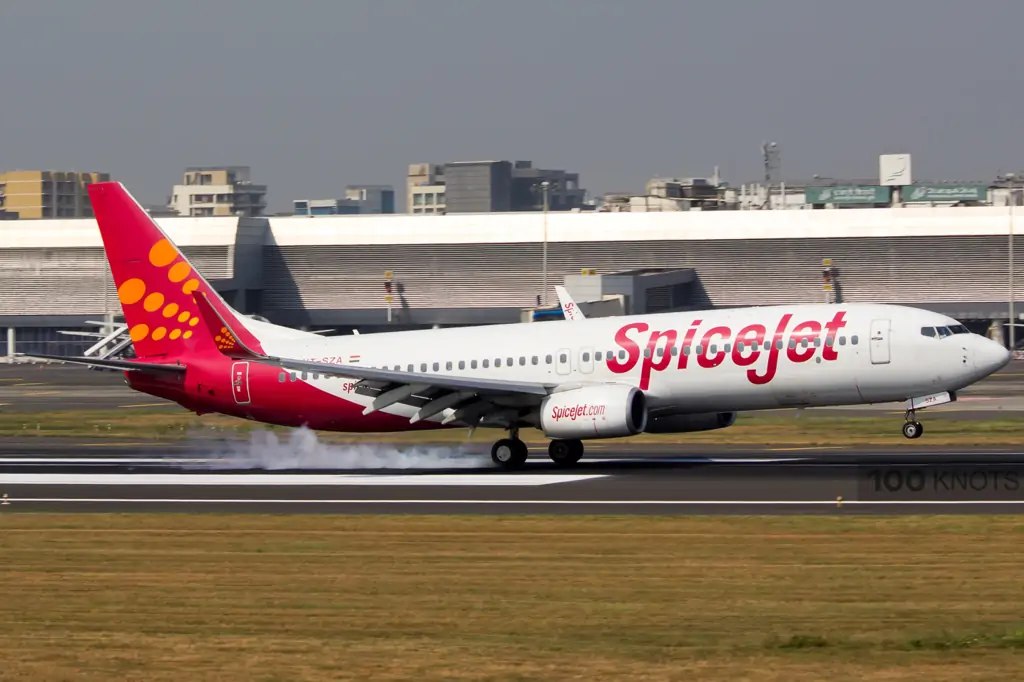
Budget airline SpiceJet has recently unveiled a strategic financial restructuring plan, converting a portion of its dues to Carlyle Aviation Management into equity and debentures. What does this mean for the future of the airline?
SpiceJet's Financial Struggles: A Recurring Theme
SpiceJet, one of India's leading budget carriers, has been navigating rough financial skies for quite some time. Despite several fundraising efforts in the past year, the airline has been unable to fully restore its operations. The situation reached a critical point in August when the Directorate General of Civil Aviation (DGCA), India's aviation regulator, placed SpiceJet under enhanced surveillance. This move followed an audit that uncovered “certain deficiencies” in the airline’s operations.
A Glimpse into the Carlyle Deal
On Friday, SpiceJet announced an agreement with Carlyle Aviation Management, the commercial aviation investment and servicing arm of Carlyle Group, to restructure aircraft lease obligations. As of June 30, these obligations amounted to $137.68 million. However, through this agreement, the airline is set to reduce these obligations to $97.51 million upon settlement or waivers.
In this restructuring deal, SpiceJet will issue shares worth $30 million to Carlyle and transfer an additional $20 million worth of compulsorily converted debentures from SpiceXpress, SpiceJet’s dedicated cargo airline division.
This is not the first time SpiceJet has undertaken such restructuring with Carlyle Aviation. Last year, the airline executed a similar deal as part of its ongoing efforts to manage debts and liabilities.
Why This Move is Crucial for SpiceJet

The significance of this deal cannot be understated. With its continued struggles to maintain operations amid financial woes, this restructuring is seen as a lifeline. The conversion of dues into equity and debentures relieves some of the immediate cash flow pressures, allowing SpiceJet to focus on its operations while stabilizing its financial standing.
This is also a strategic move for Carlyle, as converting debt into equity means it could gain a stronger influence in the airline’s future trajectory. The potential benefits for both parties could be mutually reinforcing if SpiceJet manages to recover from its financial difficulties.
Challenges Ahead: Can SpiceJet Weather the Storm?
Though the restructuring deal offers some relief, challenges remain. The DGCA's enhanced surveillance indicates underlying operational concerns that need immediate addressing. Moreover, while the deal reduces debt, it does not eliminate it. SpiceJet still faces significant financial hurdles as it seeks to regain full operational capabilities and restore public confidence.
The airline’s ability to manage this delicate balancing act between operational improvement and financial restructuring will be critical in determining its future.
The Road Ahead for SpiceJet and Carlyle
For Carlyle Aviation, this deal is a calculated risk. With a stronger stake in SpiceJet, Carlyle is betting on the airline’s potential recovery and long-term profitability. Should SpiceJet successfully navigate its financial and operational challenges, Carlyle stands to benefit significantly from its enhanced equity position.
For SpiceJet, this restructuring provides some breathing room but is by no means a complete solution. The airline must continue exploring new ways to strengthen its balance sheet, improve its operations, and win back consumer trust if it hopes to regain its status as a major player in India's competitive aviation market.
Conclusion: A Step Forward, but Much Work Remains
SpiceJet’s restructuring deal with Carlyle Aviation represents a crucial step in the airline’s ongoing efforts to address its financial struggles. However, the future of the budget carrier remains uncertain as it battles multiple challenges. Whether this deal will mark the beginning of a successful turnaround or simply another short-term fix depends on SpiceJet's next steps.
The Indian aviation sector and SpiceJet’s stakeholders will be watching closely as the airline seeks to soar again, albeit with considerable turbulence ahead.
With Inputs from Reuters
Read next
Airline Price Wars: American and JetBlue’s Alliance Sparks Legal Showdown
Abhishek Nayar
09 Sep 2024

In a recent legal twist, passengers have accused American Airlines and JetBlue Airways of inflating ticket prices through a former alliance. A U.S. court has rejected the airlines' attempt to dismiss these claims, opening the door for a larger antitrust legal battle. Let’s dive into the story and explore what this means for passengers and the aviation industry.
The Price of Collaboration: What Was the Alliance?
In 2020, American Airlines, the largest U.S. airline by fleet size, and JetBlue, the sixth largest, joined forces in a controversial alliance. This partnership allowed the two airlines to coordinate schedules, share revenues, and offer reciprocal loyalty and corporate customer benefits for flights in and out of major Northeastern cities like Boston and New York. The aim? To better compete with rival airlines.
However, passengers and the U.S. Department of Justice (DOJ) quickly questioned the motives behind this collaboration, alleging that it led to reduced competition and higher ticket prices.
Legal Turbulence: Passengers Take the Airlines to Court
The legal dispute began in 2022 when a group of passengers filed a class action lawsuit against American Airlines and JetBlue. They claimed the partnership violated U.S. antitrust law, driving up prices for flights in the Northeastern U.S. Despite the airlines’ attempts to dismiss the case, U.S. District Judge Ann Donnelly in Brooklyn ruled that there was sufficient evidence for the case to move forward.
This ruling follows a 2021 lawsuit by the DOJ and a group of states, arguing that the partnership was harmful to consumers. In May 2023, a federal judge in Massachusetts ruled that American and JetBlue's agreement was a “naked” attempt to reduce competition. The judge ordered the airlines to dissolve the alliance, which they have since begun to unwind.
What’s Next? Pending Appeals and Future Deals

While American Airlines and JetBlue are currently unwinding their alliance, the legal battle is far from over. The airlines have appealed the Massachusetts ruling, and the appeal is pending with the Boston-based 1st U.S. Circuit Court of Appeals.
In an interesting twist, American Airlines has hinted at the possibility of revisiting the alliance in the future—even if it loses the appeal. The airline suggested that it would consider entering into a new agreement with JetBlue, sparking speculation about future collaborations that might comply with antitrust laws.
What Does This Mean for Passengers?
For travelers, this legal battle raises important questions about ticket prices and competition. If the alliance did in fact lead to reduced competition, as the lawsuits allege, it could mean that passengers were paying more for flights than they would have in a more competitive market.
For now, travelers can expect the airlines to operate more independently in the Boston and New York markets. Whether that will translate into lower prices or increased competition remains to be seen.
The Bigger Picture: A Warning for the Aviation Industry
This case highlights the ongoing tension between cooperation and competition in the airline industry. As airlines continue to navigate post-pandemic recovery, partnerships like the one between American Airlines and JetBlue will face increasing scrutiny from regulators, passengers, and competitors.
For American Airlines and JetBlue, the stakes are high. A favorable ruling in their appeal could open the door for future collaborations, while an unfavorable one could set a precedent that limits their ability to partner with other airlines in the future.
Conclusion: The Final Destination?
The legal battle between American Airlines, JetBlue, and passengers is far from over. With appeals pending and questions lingering, the airline industry—and its passengers—are bracing for turbulence ahead. For now, the courts will decide whether the airlines’ collaboration crossed the line from competition to collusion.
With Inputs from Reuters
Read next

Once one of India's most sought-after budget airlines, SpiceJet is now caught in a storm of financial and operational struggles. The airline is grappling with challenges from its employees, creditors, and regulatory bodies. A combination of factors, such as the COVID-19 pandemic, rising fuel prices, and the global grounding of Boeing 737 Max aircraft, has led to the Gurgaon-based airline's steep decline. The question is: Can SpiceJet weather this storm, or is it heading for a crash landing?
The Impact of COVID-19 and Rising Fuel Prices
The pandemic hit the aviation industry hard, and SpiceJet was no exception. The airline saw a complete halt in passenger traffic in 2020, and while restrictions eased, travel remained limited until 2022. This significant reduction in passenger numbers caused a cash crunch, making it impossible for SpiceJet to meet lease payments, resulting in the grounding of many of its aircraft.
Fuel prices added more fuel to the fire. Brent crude oil surged to nearly $120 per barrel, while aviation turbine fuel (ATF) prices hit an all-time high of $175 per barrel in June 2022. These escalating costs put immense pressure on SpiceJet's already fragile finances.
Financial Woes: Outstanding Liabilities and Reduced Fleet
In a recent investor presentation, SpiceJet revealed its current liabilities are at an alarming Rs.3,700 crore. This includes outstanding payments to lessors, engineering firms, and suppliers. Additionally, the airline has Rs.650 crore in statutory dues. The financial strain has grounded over half of its operational fleet, reducing it from 74 aircraft in 2019 to just 28 in 2024. The remaining 36 planes have been grounded due to non-payment of dues and fund shortages.
DGCA’s Enhanced Surveillance and Delayed Salaries

The Directorate General of Civil Aviation (DGCA) placed SpiceJet under enhanced surveillance following an audit that highlighted "certain deficiencies" in the airline’s operations. As if regulatory scrutiny wasn’t enough, the airline has also faced backlash from its employees over delayed salaries. In August 2024, SpiceJet delayed the disbursement of June salaries for a section of its workforce, citing pressing operational financial commitments. This was not the first time salaries were delayed; the airline had adopted a phased payment approach post-COVID, leading to growing frustration among its employees.
Financial Performance: Declining Revenue and Profit
SpiceJet’s financial performance reflects the depth of its challenges. In the first quarter ending June 2024, the airline reported a 20% decline in its consolidated net profit, with Rs.158 crore compared to Rs.198 crore in the same period last year. Revenue from operations also fell by 15%, dropping to Rs.1,708 crore from Rs.2,003 crore year-on-year (YoY).
Hope on the Horizon?
Despite the grim outlook, SpiceJet is holding out hope for a turnaround. The airline has plans to unground its aircraft, expand its fleet, and explore new revenue streams by venturing into long-haul operations to Europe and North America. It is also eyeing regional destinations with exclusive access, a move that could boost operations. Discussions about introducing wide-body operations for Asia-Europe connectivity are also underway.
The Roadblocks to Recovery: Fundraising and Debt
While the airline has optimistic plans for growth, its pressing financial needs cannot be ignored. SpiceJet is in dire need of capital to sustain operations and has been attempting to raise funds. However, multiple fundraising efforts have yet to bear fruit, and the airline has defaulted on payments to vendors, including aircraft lessors. Some of these lessors have filed legal petitions seeking to declare the airline bankrupt, further complicating SpiceJet’s path to recovery.
Conclusion: Can SpiceJet Fly High Again?
SpiceJet is navigating a difficult period, with significant financial and operational challenges threatening its future. While the airline has outlined growth opportunities and expansion plans, the road to recovery is paved with obstacles. The airline needs urgent financial injections and restructuring to avoid further decline. Only time will tell if SpiceJet can soar back to its former glory or if it will crash under the weight of its mounting liabilities.
Read next

As part of India’s ambitious vision for advanced air mobility, the Directorate General of Civil Aviation (DGCA) has rolled out detailed guidelines for the development and operation of vertiports — facilities designed for vertical take-off and landing (VTOL) aircraft, including the much-anticipated electric Vertical Take Off and Landing (eVTOL) vehicles. These new guidelines, issued after extensive stakeholder consultations, are set to revolutionize urban air mobility by laying the groundwork for the infrastructure required to support this futuristic mode of transportation.
The Future of Air Travel: What are Vertiports?
Vertiports are specially designed terminals that support aircraft capable of taking off and landing vertically, like helicopters and eVTOL aircraft. Unlike traditional airports, vertiports cater specifically to urban environments where space is limited but demand for fast and efficient transportation is rising.
In line with global advancements in air mobility, India is gearing up to embrace eVTOLs as a solution to traffic congestion, pollution, and urban mobility challenges. With the government actively pushing for eVTOLs, vertiports will serve as key enablers of this transformation, ensuring that infrastructure keeps pace with technological advancements.
DGCA’s Guidelines: A Blueprint for the Future
The guidelines issued by DGCA provide a comprehensive framework for the development, operation, and regulation of vertiports. These include detailed specifications for the essential infrastructure needed, ensuring that vertiports are equipped to handle vertical take-off and landing aircraft efficiently and safely.
Key Highlights of the Guidelines:
Visual Aids and Landing Assistance
To ensure safe and precise landings, DGCA's guidelines set standards for the installation of visual aids. These include lights, markings, and other navigational tools that will assist pilots in executing vertical landings and take-offs with minimal risk.
Battery Charging and Sustainability
eVTOL aircraft are battery-powered, making charging infrastructure an essential component of vertiport design. DGCA emphasizes the need for state-of-the-art battery charging facilities that can support quick turnarounds and ensure the operational readiness of eVTOL fleets.
Emergency Preparedness
Safety is a paramount concern in any aviation operation. The guidelines incorporate emergency procedures, covering contingencies such as equipment failure, bad weather, or other unforeseen incidents. Operators will be required to implement robust safety protocols and have contingency plans in place.
Site Clearance and Authorization
For vertiport developers, the guidelines lay out a clear process for obtaining site clearance. After construction, vertiports will undergo an inspection to ensure they meet DGCA's operational standards before receiving authorization for commercial use.
Why These Guidelines Matter for India’s Aviation Future
India's urban landscapes are rapidly expanding, and traditional modes of transportation are often overwhelmed by the sheer volume of passengers and vehicles. eVTOLs promise a more efficient, eco-friendly alternative, enabling point-to-point travel within congested cities. DGCA’s vertiport guidelines are a crucial step in laying the foundation for this new era of air mobility.
The deployment of vertiports will not only make urban air travel more accessible but also create new opportunities for businesses, pilots, and engineers. The integration of eVTOLs into India's transportation system could drastically reduce travel times, particularly in metropolitan regions, and provide a cleaner, quieter alternative to helicopters.
What Lies Ahead?
With the issuance of these guidelines, India is now on the path to becoming a leader in advanced air mobility solutions. The next few years will likely see the construction of vertiports in key urban areas, followed by the commercial deployment of eVTOL aircraft.
While many challenges remain—such as public acceptance, regulatory hurdles, and infrastructure development—the DGCA's proactive approach signals a strong commitment to making this vision a reality.
Conclusion: A New Horizon for Aviation
As the skies over India's cities begin to fill with eVTOLs, vertiports will play an integral role in this air mobility revolution. DGCA’s guidelines provide the much-needed structure to ensure that these futuristic aircraft operate efficiently, safely, and sustainably. With proper implementation, vertiports could soon become as commonplace as airports, transforming how we think about urban travel.
The future of aviation in India is bright, and it’s taking off vertically.
Comment