

As part of its transformation, Air India Express, a key player in India's aviation industry and a subsidiary of the Tata Group, is preparing for a significant shift in its service model. The airline is set to eliminate business class seating from its fleet by 2025. This strategic move comes as the airline nears the completion of its merger with AIX Connect, formerly known as AirAsia India, in October 2023. According to a senior airline official, the decision reflects Air India Express's vision to focus solely on economy class offerings.
The Growing Fleet of Air India Express
Currently, Air India Express boasts a fleet of 85 aircraft, comprising 25 Airbus A320 family planes and 60 Boeing 737s. However, by the end of 2024, this number is expected to surge to around 100. A noteworthy aspect of this expansion is the introduction of 34 white tail Boeing 737-8 aircraft, which were originally manufactured for other airlines but were later acquired by Air India Express.
Out of these 34 aircraft, 29 come with business class seating. By the end of this year, the total number of white tail aircraft with business class seats is expected to rise to 50. However, these seats are on borrowed time, as the airline plans to reconfigure these aircraft to remove business class by 2025.
What are White Tail Aircraft?
White tail aircraft are planes that were initially produced for a specific airline but, for various reasons, were never delivered to the original buyer. These aircraft are then sold to other airlines, often at discounted prices. In the case of Air India Express, this practice has allowed the airline to quickly expand its fleet. However, some of these white tail planes come with business class configurations, which do not align with the airline's future strategy.
Why Phasing Out Business Class Makes Sense
Air India Express has made a name for itself as a low-cost carrier, offering affordable fares on both domestic and international routes. The inclusion of business class, with its premium pricing and amenities, does not fit the low-cost model. Phasing out business class seats will enable the airline to focus on its core offering—affordable and efficient travel for the masses.
Navigating Supply Chain Challenges
The global aviation industry is facing supply chain disruptions, causing delays in aircraft deliveries and a shortage of planes amid rising air travel demand. These challenges, triggered by the post-pandemic surge in air traffic, are being managed by Air India Express through its acquisition of white tail aircraft and a flexible fleet strategy.
More Planes on the Horizon

In a bold move, Air India, the parent company of Air India Express, placed an order for 470 aircraft in February 2023—a significant step in scaling up its operations. The order includes 250 planes from Airbus and 220 from Boeing, with 400 being narrow-body aircraft, which are ideal for short to medium-haul routes.
The Big Four Airlines of Tata Group
Tata Group now controls four airlines: Air India, Vistara, Air India Express, and AIX Connect. While the merger of Air India Express with AIX Connect is scheduled for completion by October 1, the much-anticipated merger of Vistara with Air India is expected to be finalized by November 12, 2023.
These mergers are expected to bring operational efficiencies, streamline services, and enhance customer experiences, as Tata Group continues to consolidate its position in the highly competitive Indian aviation market.
What’s Next for Air India Express?
As Air India Express embraces its new identity post-merger, customers can expect a refreshed focus on economy travel. By 2025, all of the airline’s aircraft will be reconfigured to eliminate business class, underscoring the brand’s commitment to cost-effective air travel. This strategic decision aligns with the airline's mission to provide an affordable flying experience, while still offering reliable service on both domestic and international routes.
With over 380 daily flights connecting 32 domestic and 14 international destinations, Air India Express remains a major player in India’s aviation landscape. As the merger with AIX Connect approaches, and the fleet expands to nearly 100 aircraft, the airline is positioning itself for an exciting new chapter.
Conclusion: A Sky Full of Possibilities
The aviation industry is undergoing rapid change, and Air India Express is navigating these skies with a clear vision. Phasing out business class, expanding its fleet, and streamlining operations are all part of the airline’s bold strategy to thrive in the post-pandemic world. Whether you're flying domestically or internationally, Air India Express is focused on getting you there economically—without compromising on comfort or safety.
As we move closer to 2025, passengers can expect a leaner, more efficient airline dedicated to serving the needs of modern travelers.

Read next

In a surprising turn of events earlier this year, IndiGo, India’s largest airline, found itself in hot water with the Bureau of Civil Aviation Security (BCAS). The incident involved passengers sitting on the Mumbai airport tarmac, some even having food after a flight was diverted. What led to this unusual scenario, and how did the airline respond to the significant penalty imposed? Let’s take a closer look.
The Tarmac Incident: What Really Happened?
On January 14, 2024, a Goa-Delhi IndiGo flight was diverted to Mumbai due to dense fog at the Delhi airport. After a long delay, passengers, frustrated and exhausted, rushed out of the aircraft upon landing and sat on the airport tarmac. Photos and videos surfaced showing some passengers having food on the tarmac, drawing attention to the unusual situation.
The Regulatory Response: Why Did BCAS Impose a Penalty?
Following the incident, the BCAS launched an investigation into the security breach. On January 18, 2024, the regulator imposed a hefty fine of Rs.1.2 crore on IndiGo. The penalty was based on security lapses concerning the passengers’ behavior on the tarmac, which is typically a restricted zone for safety reasons. The airline was issued a show cause notice before the fine was imposed.
Why Is the Tarmac a Restricted Zone?
Airport tarmacs are sensitive and highly regulated areas. Unauthorized movement of people in this zone can pose significant safety and security risks. The fact that passengers could exit the aircraft and sit on the tarmac suggested lapses in the airline’s control of the situation, prompting regulatory action.
Reduced Penalty: What Led to the Reduction from Rs.1.2 Crore to Rs.70 Lakh?

IndiGo, in response to the fine, filed an appeal with BCAS seeking a review. On August 12, 2024, BCAS agreed to reduce the penalty amount to Rs.70 lakh. While the exact reasoning behind the reduction wasn’t detailed, it is likely that IndiGo presented legal arguments that persuaded the regulator to revise the penalty.
IndiGo’s Response: Delay in Public Disclosure
Although the fine was reduced, IndiGo faced another issue—a delay in disclosing the information to the Bombay Stock Exchange (BSE). According to IndiGo’s filing, the delay occurred as the airline was “in the process of reviewing the legal remedies available” against the BCAS order. After completing its internal review, the airline paid the Rs.70 lakh penalty on September 10, 2024, and made the disclosure public.
What Does This Mean for Passengers and Airlines?
This incident raises questions about how airlines manage challenging situations, such as long delays and diversions. It also highlights the importance of adhering to security protocols, particularly in sensitive areas like airport tarmacs.
For passengers, it serves as a reminder to remain patient and follow safety instructions, even in frustrating circumstances. For airlines, it underscores the need for clear communication and robust procedures to prevent security lapses.
Conclusion: A Lesson in Security and Communication
The IndiGo tarmac incident offers valuable lessons in airport security and airline crisis management. While the Rs.70 lakh penalty has been paid, the incident serves as a reminder that both airlines and passengers must uphold safety standards to ensure smooth operations. The regulatory action by BCAS reflects the importance of strict adherence to aviation security protocols, and this case will likely influence how similar situations are handled in the future.
Read next
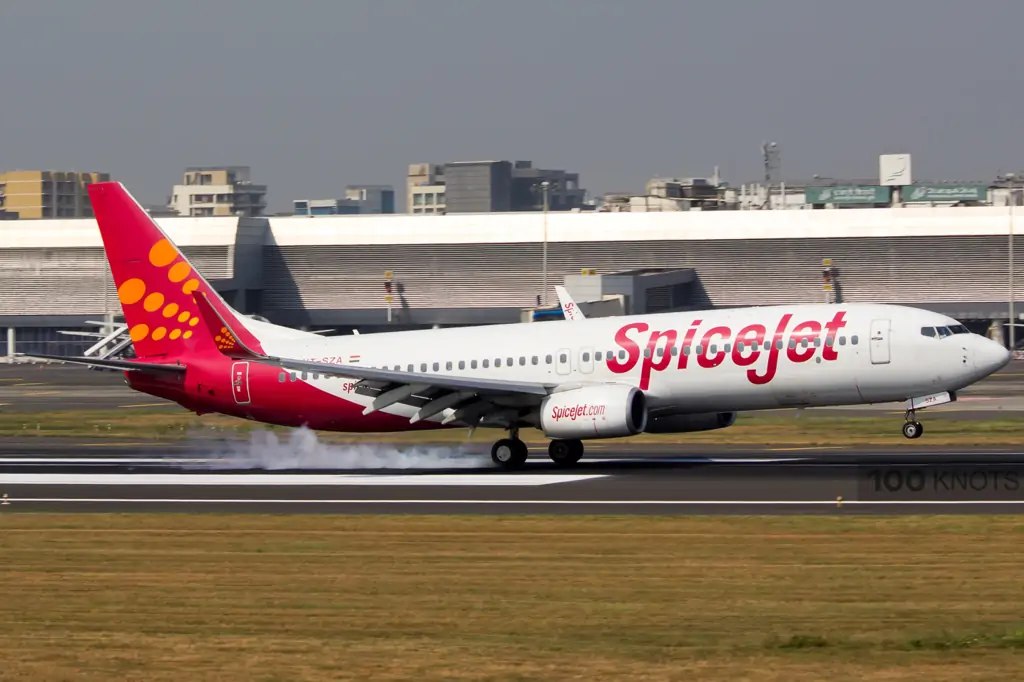
In a bid to regain its footing in the competitive aviation industry, SpiceJet has announced plans to raise a staggering INR 32.36 billion (USD 385.4 million) to cover critical expenses, including settling liabilities, ungrounding its fleet, and adding new aircraft to its lineup. The low-cost carrier laid out its strategy during a presentation to investors on September 6, as it seeks fresh capital to breathe new life into its operations.
With a series of financial hurdles and a shrinking fleet over the years, the airline is making a determined push for a revival, showcasing bold initiatives to woo investors. But will these moves be enough to take SpiceJet to new heights?
The Capital Raising Blueprint
The proposed capital infusion is split into two major parts:
- INR 25 billion (USD 298 million) via a qualified institutional placement (QIP).
- INR 7.36 billion (USD 87.7 million) from previous warrants and additional funding from the airline's founder, Ajay Singh.
The airline's leadership made it clear that these funds are essential to restore the company’s standing by ungrounding many of its aircraft, increasing market presence, and settling hefty dues.
Liability Settlement and Fleet Revival
SpiceJet's operational fleet has faced a steep decline, shrinking from 74 aircraft in 2019 to just 28 operational planes in 2024. A further 36 aircraft remain grounded due to unpaid dues to Maintenance, Repair, and Overhaul (MRO) providers and aircraft lessors. This represents a colossal INR 37 billion (USD 440.7 million) owed to these stakeholders, along with INR 6.5 billion (USD 77.4 million) in outstanding statutory dues.
The airline’s key strategy to address these financial challenges includes:
- Settling existing liabilities with lessors to bring back grounded aircraft into service.
- Boosting revenue by deploying additional aircraft on the most profitable routes.
- Cutting costs through vendor debt repayment and rationalizing expenses to lower financing costs.
Fleet Expansion and Growth Potential

SpiceJet has made it clear that fleet ungrounding and expansion will be critical to its turnaround. The airline’s management told investors that by resuming service on grounded planes and inducting new aircraft, it would significantly enhance operational efficiency and increase revenue potential.
In line with this strategy, the airline is also exploring opportunities to expand its market presence. A focus on profitable domestic routes is the immediate priority, but there are also considerations for long-haul flights to Europe and North America, tapping into high-demand international travel.
Cost Optimization and Ancillary Revenue Streams
The turnaround plan extends beyond simply adding planes. SpiceJet also aims to:
- Enhance ancillary revenue through loyalty programs, cargo services, and co-branded cards.
- Optimize costs through restructuring its financial obligations, cutting inefficiencies, and better managing its cash flow.
By diversifying its income sources, SpiceJet hopes to secure a stronger financial footing, lessening its dependence on traditional passenger revenue.
Challenges in Raising Capital

SpiceJet’s previous attempts to raise capital this year have faced hurdles. The airline had originally aimed to secure INR 22.5 billion (USD 268 million) via preferential issues but managed only INR 10.6 billion (USD 126.2 million) after a key investor pulled out. Despite this, SpiceJet's board approved another INR 30 billion (USD 357.3 million) capital raise through institutional placements in July.
Founder Ajay Singh, who currently holds a controlling stake in the airline, is also playing an active role in securing funds. Singh announced his intention to sell a 10% stake in the company to help meet the airline's financial needs. However, this revised fundraising plan still requires shareholder approval before it can move forward.
Deal with Carlyle Aviation Partners
In another significant development, on September 6, SpiceJet informed the Bombay Stock Exchange about a key agreement with Carlyle Aviation Partners. The airline signed a term sheet to restructure USD 137.68 million worth of lease obligations into a reduced amount of USD 97.51 million. This move will help lighten the debt burden, allowing the airline more flexibility in its financial operations.
What Lies Ahead for SpiceJet?
While SpiceJet’s turnaround strategy appears well thought out, its success will hinge on several factors: successful capital raising, efficient fleet utilization, and the ability to execute long-haul flights and diversify revenue streams. For investors, the airline presents both an opportunity and a risk—a bet on whether it can navigate through turbulent financial skies to a more profitable horizon.
As SpiceJet prepares to put its plans into action, all eyes will be on how effectively it can rebuild its operations, regain market share, and position itself for sustained growth in the ever-challenging airline industry.
Will this bold capital infusion be the lifeline SpiceJet needs to soar again, or will the airline continue to face headwinds? Investors are watching closely.
With Inputs from ch-aviation
Read next
Relief for Foreign Carriers: GST Council’s Crucial Decision on Import of Services
Abhishek Nayar
11 Sep 2024
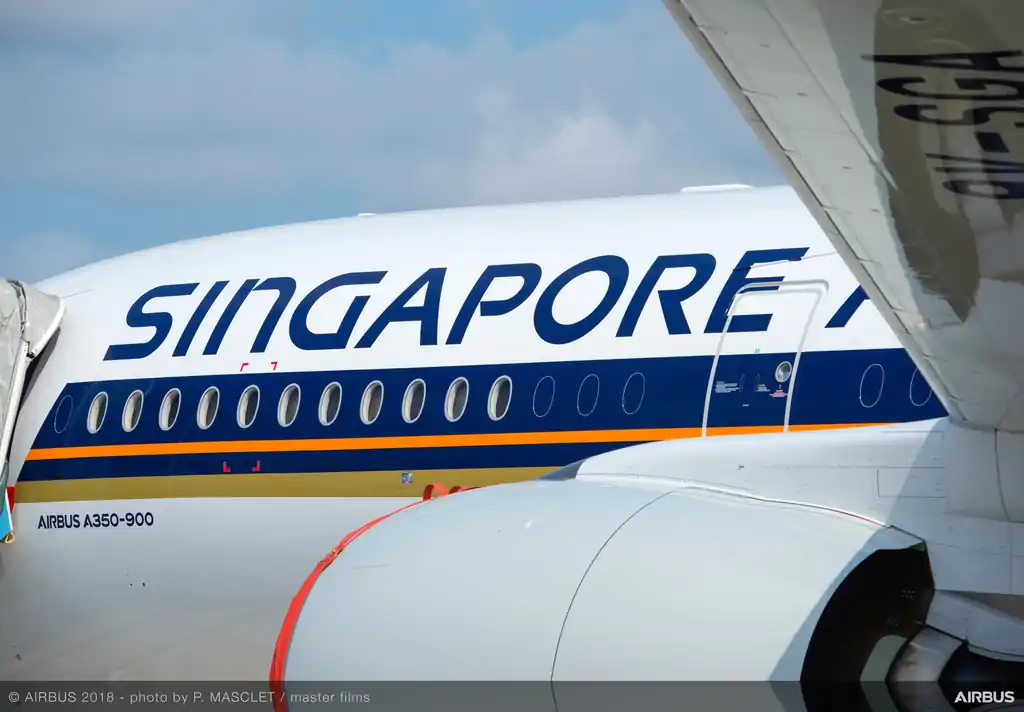
In a significant move that has captured the attention of global aviation players, the GST Council, during its 54th meeting in New Delhi, decided to exempt the import of services by foreign airline companies. This development is set to provide substantial relief to international airlines that have been grappling with tax notices from the Directorate General of Goods and Services Tax Intelligence (DGGI). Here’s a closer look at what this decision means and the backdrop that led to it.
The Crucial Decision: Exempting Service Imports by Foreign Airlines
During the press briefing following the meeting, Revenue Secretary Sanjay Malhotra highlighted the importance of the decision, explaining that foreign airlines would now be exempt from GST on the import of services from related entities outside India, provided these services are rendered without consideration. Malhotra emphasized that this decision addresses a longstanding issue faced by foreign airline establishments operating in India.
This exemption directly affects services offered by a foreign airline’s head office to its Indian branch, especially those services that were provided without explicit consideration. Until now, these transactions were liable for GST, and foreign airlines had been caught in the crosshairs of the DGGI’s tax scrutiny.
The DGGI’s Crackdown: A Rs 10,000 Crore Tax Demand
The tax authorities, specifically the DGGI, had initiated probes against 10 prominent foreign airlines, including industry heavyweights such as British Airways, Lufthansa, Emirates, and Singapore Airlines. These airlines were issued show-cause notices for allegedly failing to pay GST on services imported from their overseas headquarters, with unpaid tax dues amounting to a staggering Rs 10,000 crore.
The DGGI’s argument hinged on the premise that services like aircraft maintenance, crew payments, and aircraft rentals provided by head offices to Indian branches constituted taxable supplies. These services were considered as transactions between two legal entities, thus making them liable under GST.
Airlines’ Defense: Place of Service and Taxability in India

The airlines, however, contested these notices. They argued that since the services were provided between head office and branch office—both parts of the same company—they should only be taxed on services deemed taxable within India. Furthermore, many of the airlines approached their respective embassies, which raised the matter with the Indian finance ministry, flagging concerns over the tax treatment of such services.
The Role of the GST Council and Fitment Committee
The issue was referred to the GST Council’s fitment committee, which plays a key role in clarifying various aspects of GST. In its earlier meeting, the Council had approved a circular (issued on June 26, 2023) that clarified the valuation of the supply of import services by related persons. However, this circular was seen as restrictive, as airlines dealing in both exempt and non-exempt services were left ineligible for certain tax credits.
The exemption announced at the 54th meeting serves to rectify this situation, offering clarity and relief to foreign airlines. By exempting service imports that occur without consideration, the Council has addressed a long-standing concern for foreign aviation companies operating in India.
Impact on Global Aviation and India’s Tax Environment
This exemption is a welcome development for global airlines, as it mitigates the threat of significant tax liabilities. It also reflects India’s willingness to balance its tax policies with the complexities of global commerce. For international airlines, this move signifies a reduction in compliance burdens, especially in relation to services provided by their headquarters.
Given the global nature of the airline industry, where many services are centralized at head offices and then distributed across global branches, this decision aligns India’s GST treatment with international norms. Moreover, it is expected to foster goodwill between India and global airline companies, which are vital for connecting India to international markets.
The Road Ahead: GST Council’s Ongoing Work
The exemption granted to foreign airlines marks yet another important milestone in the GST Council’s broader mission of ensuring a fair, efficient, and uniform tax system across India. As businesses, both domestic and international, navigate the complexities of GST, the Council’s decisions are shaping the contours of India’s tax environment.
With future meetings planned, including a scheduled meeting to review other pressing issues in India’s tax system, it is clear that the GST Council will continue to play a central role in adapting and refining India’s tax landscape in the years to come.
This GST exemption is undoubtedly a relief for foreign airlines, a move that promises to ease their operations in India. For both global businesses and the Indian tax authorities, it underscores the importance of ongoing dialogue and regulatory flexibility in an interconnected world.
Read next
Is SAF the Future of Indian Aviation? A Look into Regional Growth and Eco-Friendly Practices
Abhishek Nayar
11 Sep 2024

The Indian aviation industry is soaring towards a future filled with sustainability and regional connectivity. Civil Aviation Minister K. Rammohan Naidu, speaking at a recent conference organized by industry body Ficci, emphasized the need for sustainable practices and the use of Sustainable Aviation Fuel (SAF). With growing concerns over carbon emissions, India is positioning itself as a key player in the global shift towards eco-friendly aviation.
But what does this mean for the future of Indian aviation? How will sustainable practices, regional connectivity, and emerging technologies shape the industry in the coming years?
Sustainable Aviation Fuel: A Green Revolution
The aviation industry is one of the largest contributors to global carbon emissions. Naidu's push for SAF reflects a global trend towards reducing aviation’s environmental footprint. The International Civil Aviation Organization (ICAO) has set a framework for the use of SAF, requiring international flights to use jet fuel blended with at least 1 per cent SAF by 2027.
Naidu outlined India's ambitious plan to ensure that 1 per cent of SAF is blended with jet fuel for international commercial flights by 2027, with an increase to 2 per cent by 2028. The goal is clear: reduce carbon emissions, protect the environment, and lead the global charge towards a greener aviation industry. Several airports in India have already achieved carbon neutrality, demonstrating the industry's commitment to sustainability.
India’s Regional Aviation Growth: The UDAN Scheme
In addition to sustainability, regional air connectivity is rapidly expanding in India. The UDAN (Ude Desh ka Aam Nagrik) scheme has been a game-changer, democratizing air travel for millions of Indians. Naidu announced that the scheme, originally set to end in 2027, will be extended for another 10 years. This move promises to bring air travel to more Tier 2 and Tier 3 cities, allowing for a more connected and accessible India.
The Ministry of Civil Aviation has identified 106 airports and airstrips for development under this initiative. These facilities will support regional flight operations and enhance connectivity across underserved areas. With India currently having 157 airports, heliports, and waterdromes, the next two decades could see that number rise to 350 to 400 airports.
A Collaborative Future: Industry Players Join Hands
As India’s aviation industry grows, so too does collaboration with international companies. ATR Regional Aircraft’s Chief Commercial Officer, Alexis Vidal, expressed enthusiasm about working with the Indian aviation ecosystem. ATR aircraft, which are already operated by airlines like IndiGo, Alliance Air, and Fly91, could play a vital role in expanding regional connectivity.
Airbus President and MD for South Asia and India, Remi Maillard, also highlighted the importance of regional aviation. He believes that the next wave of air traffic growth will come from Tier 2 and Tier 3 cities, further emphasizing the role of regional hubs in shaping India’s aviation landscape.
Future Outlook: Preparing for a Surge in Demand
The future of Indian aviation is not just about expanding airports or adopting sustainable fuels; it’s about anticipating the enormous growth in air travel. With projections estimating 350 to 400 airports over the next 20 to 25 years, India’s aviation infrastructure will need to expand rapidly to meet demand. This expansion is not limited to large international hubs; regional airports will be crucial in handling the anticipated surge in air traffic from smaller cities.
Conclusion
India is on the cusp of an aviation transformation, driven by sustainable practices, regional growth, and international collaboration. The focus on Sustainable Aviation Fuel and the UDAN scheme reflects a broader commitment to making air travel greener, more accessible, and future-ready. As these initiatives take flight, India is set to become a global leader in aviation, one that embraces both innovation and environmental responsibility.
Read next
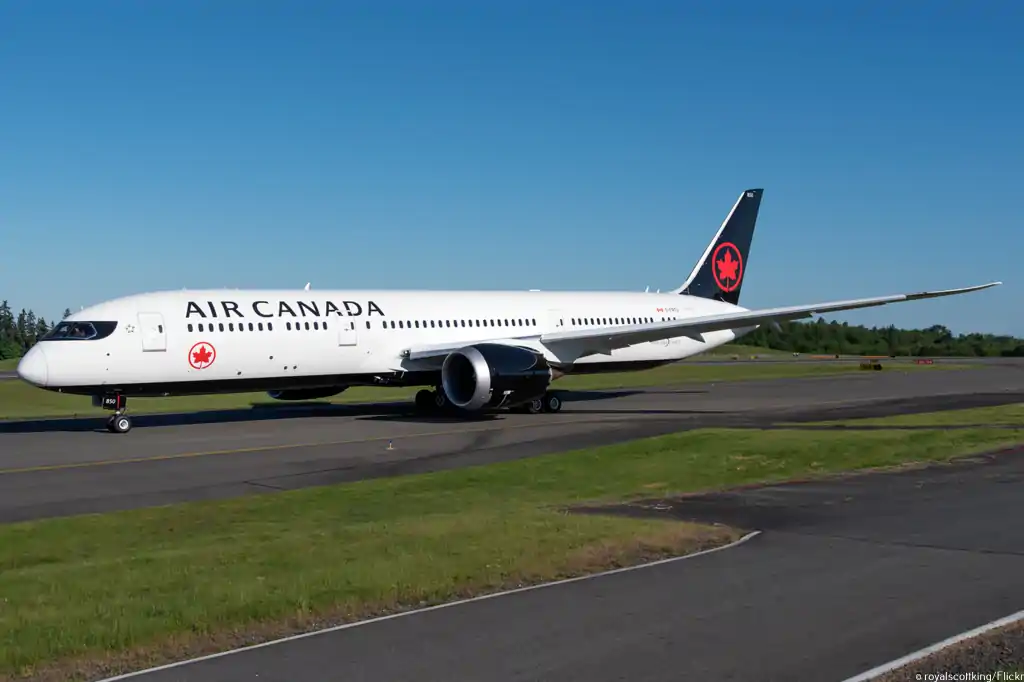
Air Canada is preparing for a potential shutdown as negotiations with the Air Line Pilots Association (ALPA) approach a critical deadline. While the airline claims there is still time for a resolution, it has laid out contingency plans that could significantly impact thousands of passengers if no agreement is reached by September 15, 2024. The looming threat of a strike or lockout has the aviation industry, government, and travelers on edge.
Why Air Canada is Planning for the Worst
Air Canada, in an unexpected turn of events, has announced it is preparing to suspend most of its operations if negotiations with ALPA fail. Despite efforts to reach a consensus, the airline has acknowledged that both parties remain “far apart” in their demands, particularly concerning wage increases for pilots.
If no agreement is reached, either side may issue a 72-hour strike or lockout notice, potentially triggering the airline’s wind-down plan by Sunday, September 15. This cautious approach is part of Air Canada’s strategy to avoid last-minute chaos for its passengers.
What’s at Stake? Passengers and Operations in Limbo
Air Canada operates nearly 670 flights daily, carrying over 110,000 passengers across domestic and international routes. The potential shutdown could leave tens of thousands stranded, including 24,000 Canadians returning from abroad each day. While Air Canada Express, operated by regional carriers Jazz and PAL Airlines, will continue limited services, only about 20% of the airline’s daily customers use these smaller partners.
The gradual shutdown would involve canceling flights over three days, with complete cessation of operations possible by 00:01 EDT on Wednesday, September 18. In addition, Air Canada has already started to implement some shutdown activities, including canceling holiday packages and grounding aircraft by Friday, September 13.
Air Canada’s Standpoint: Why Wage Demands Are a Sticking Point

Air Canada has made it clear that the wage demands put forth by ALPA are a significant obstacle. The airline argues that the proposed increases “far exceed average Canadian wage increases” and that conceding to them could negatively impact its financial stability.
CEO Michael Rousseau emphasized the airline’s obligation to prevent a sudden shutdown, acknowledging the inconvenience this situation might cause to customers. He apologized but insisted that a managed shutdown is the “only responsible course.” In an effort to mitigate disruptions, Air Canada is offering passengers the opportunity to defer or change travel plans at no cost.
Will the Government Step In?
With the situation growing more precarious, Air Canada has indicated it may seek government intervention to avoid a full-scale shutdown. The airline has already alerted the Canadian government about the potential consequences of a strike or lockout. Government action could be a last resort if no deal is reached, but its involvement remains uncertain.
What Happens Next? A Race Against Time
Both Air Canada and ALPA have until September 15 to reach an agreement before a 72-hour notice can be issued. If that notice comes, the wind-down process will kick into gear, and within three days, Air Canada’s network could be completely grounded. However, the airline estimates it would take seven to ten days to resume normal operations after a complete shutdown.
With a potential work stoppage just days away, passengers are advised to stay alert for updates and consider revising their travel plans to avoid disruptions.
Conclusion: A Tense Countdown for Canadian Aviation
Air Canada’s decision to publicly announce its shutdown plans underscores the seriousness of its ongoing labor dispute with ALPA. While negotiations continue, the airline’s efforts to minimize the chaos a strike could cause demonstrate its commitment to mitigating the impact on travelers. As the September 15 deadline looms, all eyes are on the outcome of these tense negotiations—and whether the Canadian government will step in to prevent widespread travel disruptions.
For now, passengers are left waiting, wondering whether their flights will go ahead as planned or fall victim to this escalating labor conflict.
Comment