
Boeing Expands Inspections to Address Production Defect in 737 MAX8 Aircraft

Abhishek Nayar
13 Oct 2023
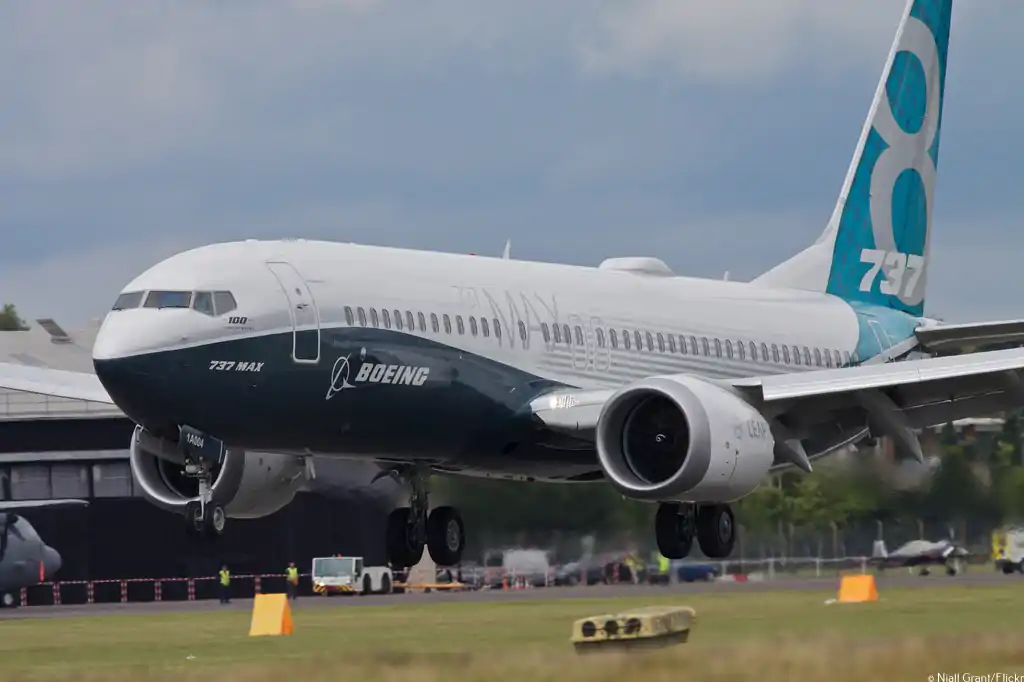
Boeing and its supplier, Spirit AeroSystems, have extended the scope of inspections aimed at rectifying a production defect that affects the Boeing 737 MAX 8 aircraft. The aerospace giant initially identified this quality issue in August, which involved improperly drilled holes on the aft pressure bulkhead due to an automated drilling process.
Background on the Production Defect
In August, Boeing uncovered a new quality problem within its highly popular 737 MAX aircraft. This issue was linked to Spirit AeroSystems, a key supplier to Boeing, and involved the improper drilling of holes on the aft pressure bulkhead. This component is critical for the structural integrity and safety of the aircraft.
Expanding Inspection Efforts
As part of its commitment to delivering safe and high-quality aircraft, Boeing has decided to expand its inspection efforts. Originally focused on automated drilling processes, these inspections will now encompass hand-drilled holes as well. This broader approach aims to ensure that all affected components meet Boeing's stringent standards and regulatory requirements.
Collaboration with Regulatory Authorities
Boeing has actively engaged with the Federal Aviation Administration (FAA) to report its initial findings and progress in addressing the production defect. This collaboration with regulatory authorities is essential to maintaining safety standards and ensuring that affected customers are well-informed about the delays.

Impact on Deliveries
The production defect has had a noticeable impact on deliveries of the Boeing 737 MAX 8 aircraft. In September, deliveries dropped to their lowest levels since August 2021. The company is grappling with the complex work required to rectify the manufacturing defect, which has led to extended delays for customers awaiting their aircraft.
Boeing's Response
Despite the challenges posed by the production defect, Boeing's Chief Financial Officer, Brian West, has expressed confidence in the company's ability to meet its annual delivery target of 400-450 jets for the 737. However, approximately 165 Boeing 737 MAX aircraft in production require time-consuming x-ray inspections before they can be delivered to customers.
Conclusion
The expansion of inspections by Boeing and Spirit AeroSystems to address the production defect affecting the 737 MAX 8 aircraft underscores their commitment to safety and quality. While this issue has led to delivery delays and increased workload, Boeing remains resolute in meeting its annual delivery targets. Collaborative efforts with regulatory authorities and suppliers are crucial in ensuring that Boeing's best-selling aircraft continue to meet the highest safety and quality standards in the aviation industry.
With Inputs from Reuters
Read next
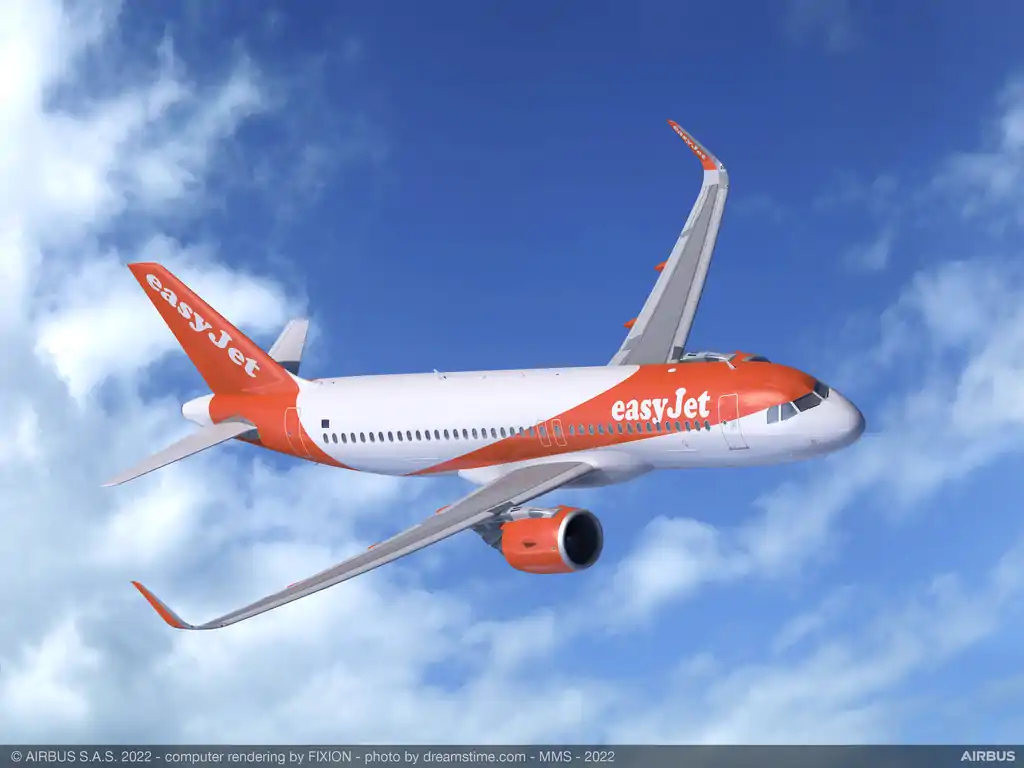
In a strategic move to enhance its fleet and secure future growth, easyJet, the UK-based low-cost carrier, announced on October 12, 2023, that it has placed a substantial order with Airbus for an additional 157 A320neo family aircraft. This significant development is accompanied by insights into the airline's financial performance, ambitious expansion plans, and efforts towards cost efficiency and sustainability.
Fleet Expansion and Order Details
EasyJet has entered into a conditional agreement with Airbus, which outlines the acquisition of 56 A320neo and 101 A321neo jets. These aircraft are scheduled for delivery between 2029 and 2034, bolstering the carrier's existing order for 158 A320neo family aircraft, expected to be delivered by 2029. Furthermore, as part of this expansion, 35 of the A320neo jets from the initial order will be converted into A321neo aircraft.
In total, easyJet now has 315 aircraft on order, with delivery expected by 2034. The airline has also secured an additional 100 purchase rights for future acquisitions, signaling a commitment to long-term growth and modernization.
Financial Outlook and Investment
With this new order, easyJet is on track to complete its fleet replacement program, which will see the retirement of A319 aircraft and the replacement of approximately half of its A320ceo fleet. The airline stated that it is in exclusive talks with CFM International to supply engines for the prospective acquisition. The financial implications of this ambitious fleet expansion, including the cost of new aircraft and conversions, are estimated at around $19.9 billion.
The airline also provided an overview of its financial performance in the three months leading up to September 30, 2023. EasyJet reported a 9% increase in passenger traffic during this period, resulting in pre-tax profits estimated to be between $799 million (£650M) and $824 million (£670M). These figures reflect the strong demand for easyJet's flights and holidays, emphasizing the airline's appeal to customers seeking value, service, and a well-connected network.
Future Growth and Strategic Vision
As easyJet moves into the 2024 financial year, it remains confident about its growth prospects. The airline stated that booking momentum is continuing, and it expects Q1 capacity to grow by 15%. The company's CEO, Johan Lundgren, expressed his optimism for the future, stating, "Our new medium-term targets provide the building blocks to deliver a PBT greater than £1 billion. This will be driven by reducing winter losses, upgauging our fleet, and growing easyJet holidays."
Additionally, Lundgren announced that the company plans to reinstate dividends starting with the FY23 results, underscoring the company's commitment to delivering attractive shareholder returns.
Sustainability and Cost Efficiency
EasyJet's fleet expansion aligns with its goals for sustainability and cost efficiency. By investing in more fuel-efficient aircraft like the A320neo family, the airline aims to reduce its carbon footprint while realizing cost savings. These measures reflect the broader industry trend towards more environmentally friendly and economically sustainable aviation operations.
Conclusion
easyJet's recent order of 157 additional Airbus A320neo family aircraft marks a pivotal moment in the airline's expansion and modernization strategy. With strong financial performance, ambitious growth plans, and a focus on sustainability, the carrier is poised to remain a prominent player in the low-cost aviation sector while delivering value to shareholders and customers alike.
Read next
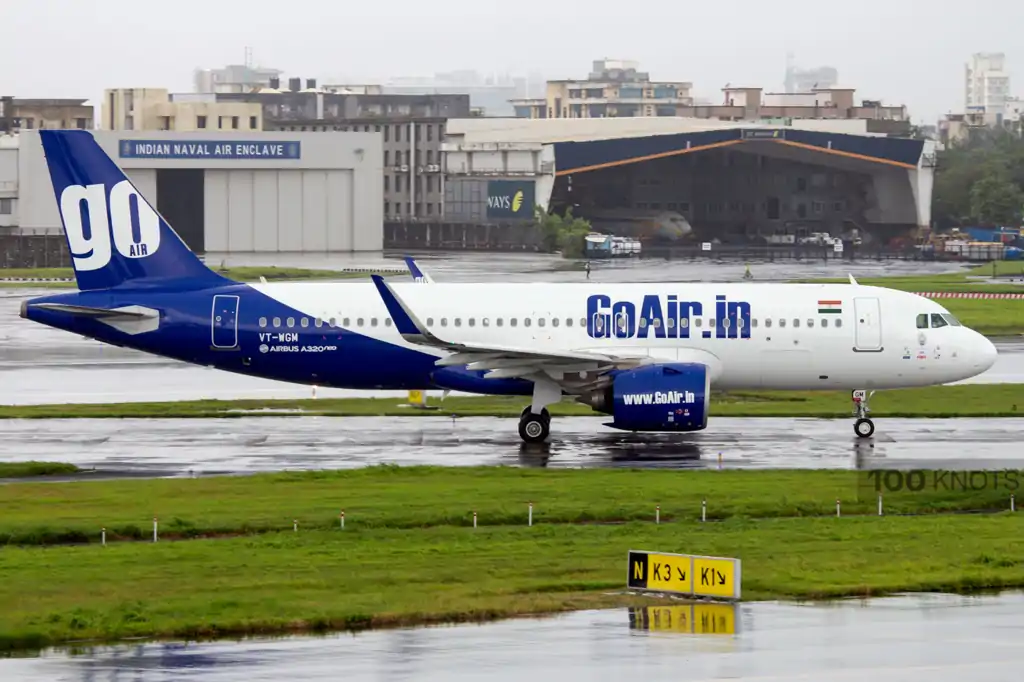
In a significant legal development, the Delhi High Court has issued an order granting access to crucial documentation determining the airworthiness of leased aircraft to Go First's lessors. This ruling comes as Go First, the Indian airline formerly known as GoAir, faces insolvency proceedings and blames its financial woes on "defective and failing engines" manufactured by Pratt & Whitney.
The Court's Ruling
On Wednesday, October 11, 2023, the Delhi High Court, led by Justice Tara Vitasta Ganju, ordered Go First's Resolution Professional to provide the lessors with access to all documentation that determines the airworthiness of the leased aircraft within seven days. Additionally, the court ruled that security professionals designated by the lessors be granted access to the aircraft. This access mandate extends to the Bureau of Civil Aviation via the Directorate General of Civil Aviation as well.
Go First's Insolvency Woes
Go First filed a request for voluntary insolvency resolution procedures with the National Company Law Tribunal (NCLT) in May, citing its financial difficulties. The airline's financial struggles are rooted in the purportedly "defective and failing engines" manufactured by Pratt & Whitney, a global aerospace manufacturer. Notably, Go First's fleet has been plagued by engine issues for several years.

The proportion of grounded aircraft resulting from Pratt & Whitney engines has seen a troubling increase, rising from 7% in December 2019 to 31% in December 2020 and culminating at a concerning 50% in December 2022. This substantial percentage of grounded aircraft has undoubtedly affected Go First's operational capabilities and financial stability.
Legal Battles and Appellate Tribunal Affirmation
On May 22, the National Company Law Appellate Tribunal (NCLAT) affirmed the NCLT's judgement to admit Go First to insolvency proceedings. This ruling underscored the gravity of the airline's financial situation and paved the way for resolution procedures. Moreover, the appellate panel granted lessors the right to file relevant applications in the ongoing dispute with the NCLT, further emphasizing the importance of their role in the insolvency process.
Several lessors, including Accipiter Holdings, Pembroke Aircraft, SFV Aircraft Holdings, ACG Aircraft Leasing, EOS Aviation 12, SMBC Aviation Capital, and DAE SY 22 13 Ireland, have petitioned the Delhi High Court. Their collective efforts have culminated in the recent court ruling, marking a significant victory for these lessors as they seek to protect their interests and assess the condition of their leased aircraft.
Conclusion
The Delhi High Court's order to grant lessors access to documentation related to the airworthiness of Go First's leased aircraft represents a crucial development in the ongoing insolvency proceedings. As Go First grapples with the financial implications of grounded aircraft attributed to Pratt & Whitney engines, lessors are asserting their rights to assess the condition of the aircraft.
This legal victory underlines the complex and multifaceted nature of insolvency proceedings in the airline industry, as stakeholders navigate the challenging terrain of resolving financial turmoil and addressing technical issues affecting the airline's fleet. As the situation continues to evolve, the aviation industry and legal experts are closely watching the outcomes of this case, which could set important precedents for similar cases in the future.
With Inputs from BQ Prime
Read next

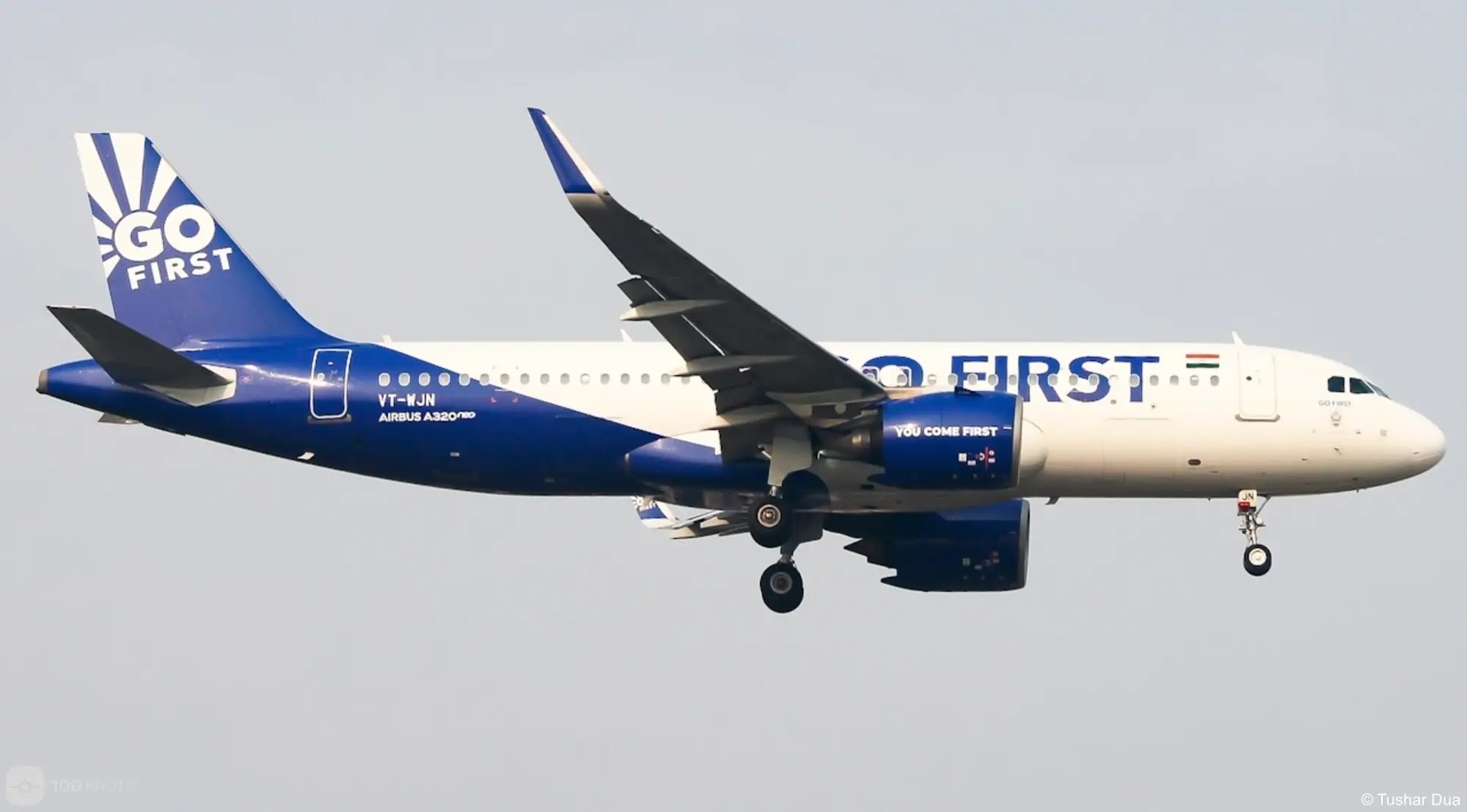
Naveen Jindal’s Jindal Power has reportedly expressed interest in buying the beleaguered low-cost Go First carrier, which is owned by the Wadia family and is the first commercial airline in India to have voluntarily sought bankruptcy protection.
The expression of interest (EoI) was submitted by unlisted Jindal Power, owned by Worldone Pvt Ltd, a closely held company of Jindal, the Economic Times reported, citing sources. The sources, however, did not give any clarity on whether Jindal Power was seeking to acquire the airline outright or come in as a strategic investor in Go First.
There were two other bidders for the airline but did not meet the eligibility criteria set out by the creditors, suggesting that their bids were not considered for further evaluation in the acquisition process of Go First, the report said. In July, Go First’s resolution professional invited EoIs for the carrier’s sale.
“The government, the legal ecosystem and regulators are moving as swiftly as possible on the legalities to save the airline,” an official, requesting not to be named, told the Financial Daily.
The crisis-hit airline is facing significant financial challenges with more than INR 20,000 crore in admitted claims from creditors.
Naveen Jindal, the promoter of Jindal Steel and Power, has been diversifying his business interests in recent years, expanding his privately held business empire and exploring new ventures. He has made acquisitions in various sectors, including steel, power, and coal mining, and is also looking to venture into renewable energy. The interest in Go First signifies a strategic move into the aviation sector, showcasing a broader diversification strategy.
JPL will now have access to a virtual data room and can carry out its due diligence before making a bid for the grounded airline, a source said. Incidentally, the 180-day period for completion of the insolvency resolution process ends on November 6 and the airline’s lenders will have to take a call on an extension based on JPL’s interest. JPL is privately owned by Naveen Jindal and his family. It was acquired from the listed Jindal Steel & Power by a promoter entity in 2021. The Jindals also own a charter company called India Flysafe Aviation Ltd that rents out helicopters and planes.
Go First’s Resolution Professional Shailendra Ajmera has received claims totalling USD 2.9 billion from Go First's operational and financial creditors as pressure mounts on the airline's management to restart the airline before it is too late. While a National Company Law Tribunal (NCLT) ruling has allowed Go First to retain its 54 leased Airbus narrowbodies, along with their engines, that ruling is soon set to expire. In addition, with salaries going unpaid, employees continue to resign in large numbers. The newspaper reports that Go First retains around 3,000 personnel, but only about 150 are pilots.
A decision last week by the Indian government to bring India's aviation rules in line with the 2001 Cape Town Convention further threatens Go First's restart. The changes to India's Insolvency and Bankruptcy Code (2016) mean that asset-freezing orders will not apply to aircraft frames and engines, making it easier for lessors to repossess and repatriate aircraft after an airline becomes insolvent. The impact of this change on Go First is yet to be ascertained but will likely feature in multiple upcoming NCLT hearings involving multiple lessors. Go First acquired all of its aircraft from lessors.
Go First is racing against time to resume its services. The airline's lenders extended the deadline for the submission of EoIs twice, as there was a lack of interest from potential buyers. The latest deadline for EoI submission was set for September 28.
The airline filed for voluntary insolvency proceedings in the National Company Law Tribunal (NCLT) on May 2, attributing the decision to substantial revenue losses.
The Go First bankruptcy filing lists Central Bank of India, Bank of Baroda, IDBI Bank and Deutsche Bank among its creditors to whom the carrier owes a total of 65.21 billion rupees ($784.60 million). Aircraft lessors of Go First are locked in a legal tussle with the company after they were blocked from repossessing planes due to a moratorium imposed by Indian courts. However, the government amended its insolvency law earlier this month to exclude leased aircraft from assets that can be frozen, to bring India's bankruptcy laws into line with a treaty protecting the rights of foreign lessors.
Go First, formerly GoAir, blamed aircraft engine maker Pratt & Whitney, for providing defective engines that led to the grounding of almost half of its 56-plane fleet, a charge denied by the American company. The airline, which suspended operations on May 3, is facing claims amounting to USD 2.9 billion from both operational and financial creditors.
Read next
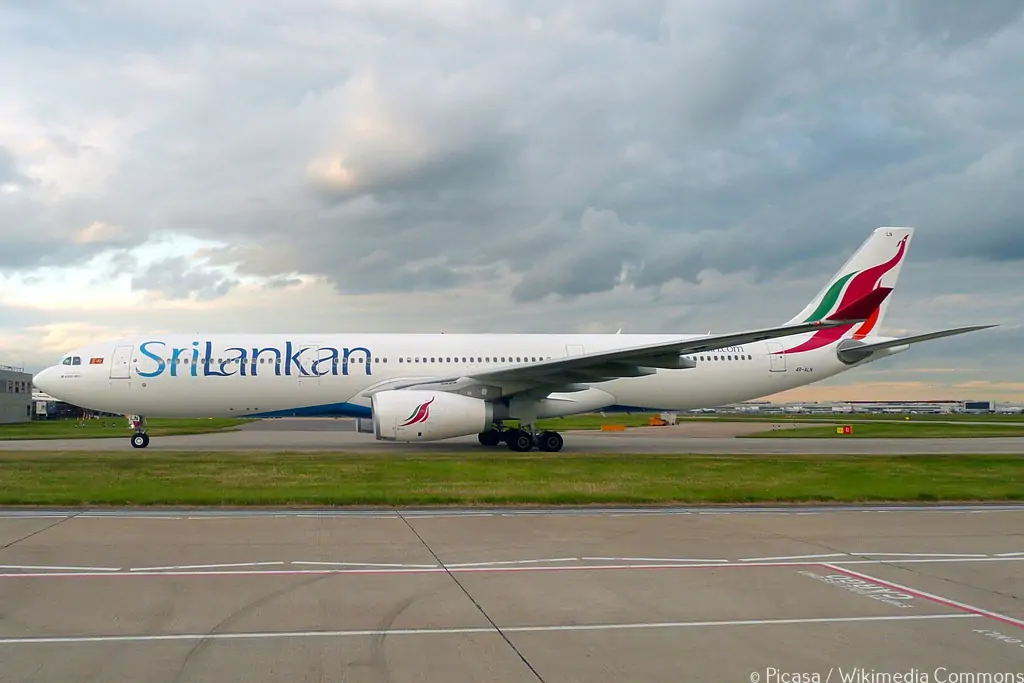
The head of Sri Lanka's State-Owned Enterprises Restructuring Unit has said that the privatisation of loss-making carrier SriLankan Airlines should be finalised by June 30, 2024. Suresh Shah also told Colombo-based media last week that the airline's transaction advisor, the International Finance Corporation (IFC), should come up with its proposal by the end of this year.
Sri Lankan Airlines is one of 85 state-run enterprises Shah's agency has recommended the government wholly or partially privatise. More than one hundred other companies will undergo restructuring but remain in government hands. It was also reported that the government was in talks with several potential investors, including Emirates, the Adani Group, and Tata Sons. Emirates previously owned a 43.63% stake in SriLankan Airlines and managed the carrier's day-to-day operations but divested in 2010. Since then, on-again-off-again efforts to find a new investor have failed.
In June, SriLankan CEO Richard Nuttall told ch-aviation that the immediate priority was to restructure the airline's balance sheet given the high cost of servicing its debt, and then move to sell the carrier. In the 12 months to March 31, 2023, SriLankan posted a local currency loss of LKR75.03 billion Sri Lankan rupees (USD 232 million) on revenues of LKR365.17 billion (USD 1.13 billion). However, this loss was due to the LKR currency depreciation and the impact on USD-denominated debt. SriLankan's management accounts are in USD as earnings and costs are predominantly in foreign currencies. On its USD accounts, the airline is either breaking even or marginally positive.
Ahead of any privatisation, SriLankan Airlines continues to experience reliability issues, with local media reports criticising it for its high cancellation rate, ostensibly due to the large number of grounded aircraft. According to ch-aviation Fleets advanced data, four of its 24 aircraft are out of service, including one A320-200N, two A321-200Ns, and one A330-200. Nuttall told ch-aviation that the A330-200, 4R-ALB (MSN 306), one of four the carrier operates, is grounded pending its return to its lessor after the lease period ended.
Ports and Aviation Minister Nimal Siripala de Silva reportedly told Sri Lanka's parliament last week that the airline needed more aircraft and that five attempts to lease an additional A330 had come to nought. "No one wants to give them to us," he said. "We managed to secure only five A320 aircraft. I have now informed the airline that they must always keep a spare aircraft to go and pick up passengers if the scheduled aircraft is unavailable." Nuttall says there have been two requests for proposals issued for A330s, and while nothing to date has been secured talks with lessors continue.
SriLankan Airlines Expansion in India
SriLankan Airlines is pursuing a two-pronged strategy of increasing frequency to key cities in India and flying to 3 to 4 additional destinations. “First, the plan is to increase frequency… double daily helps customers. With [enhanced] frequency you can generate more traffic,” Richard Nuttall, CEO, of SriLankan Airlines said. Chennai, Coimbatore, Madurai, Mumbai, Delhi, Hyderabad, Bengaluru, Kochi and Thiruvananthapuram are nine cities to which SriLankan Airlines operates flights with Chennai alone connected by three flights daily, reports Ravi Kumar for The Hindu.
“All major cities should be double daily. That should help grow traffic coming to Sri Lanka as also beyond, particularly to Australia, Thailand, China and Japan,” he said. Hyderabad is among the cities to which frequency increase is under consideration. From existing six flights a week to Hyderabad “we should be trying to get towards double daily… need to be increasing [flights to] Hyderabad,” Nuttall said.
Figuring in SriLankan Airlines plans are also connections to a few more cities. “Three to four cities are on the radar. Probably, the obvious one will be Ahmedabad.. in 12 months,” he said, adding the airlines would like to launch earlier depending on how soon more aircraft augment the fleet. Coimbatore, Kolkata and Visakhapatnam are likely to be other cities to which the carrier will be flying.
(With Inputs from ch-aviation)
Read next
Embraer's Optimistic Outlook for 2023 Aircraft Deliveries Despite Supply Chain Challenges
Abhishek Nayar
12 Oct 2023
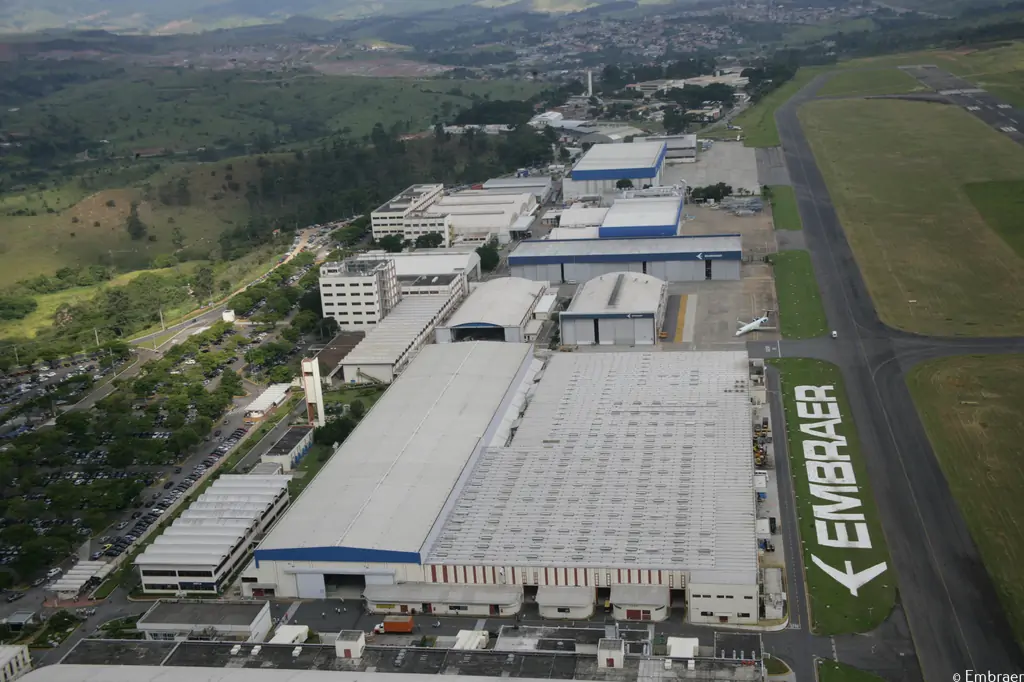
Embraer, the Brazilian aerospace manufacturer, is gearing up for an ambitious year in 2023 as it aims to boost aircraft deliveries by nearly a quarter, despite ongoing supply chain disruptions and challenges related to engine supplies from Pratt & Whitney. The company's Chief Executive, Francisco Gomes Neto, expressed his confidence in meeting these targets and maintaining a robust pace in the coming year.
2023: A Year of Growth
Embraer, the world's third-largest planemaker after industry giants Airbus and Boeing, is looking to significantly increase its aircraft deliveries in 2023. The company anticipates a substantial surge of up to 25.8%, resulting in the delivery of approximately 200 jets, which encompass both its commercial and executive aviation units. Specifically, this outlook includes 65 to 70 commercial aircraft deliveries, a segment crucial for the company's growth.
Gomes Neto, speaking at an industry event in Sao Paulo, conveyed his optimism regarding achieving the ambitious delivery target, stating, "The perspective is that we will reach that guidance we had announced." This confidence stems from the performance in the second and third quarters of 2023, which were in line with Embraer's full-year plans. However, the CEO acknowledges that the company still faces hurdles due to supply chain disruptions, particularly concerning engines sourced from Pratt & Whitney.

Challenges in the Supply Chain
Embraer's ability to meet its 2023 delivery targets largely hinges on its performance in the fourth quarter, traditionally one of its busiest periods for deliveries. Gomes Neto hopes that the higher volumes in the final quarter will offset the slower activity anticipated in early 2023 due to ongoing supply chain issues. While the exact nature of these challenges is not specified, supply chain disruptions have been a pervasive issue for many industries worldwide, often driven by factors such as the COVID-19 pandemic and logistical complexities.
The company has already encountered a modest slowdown in its deliveries, having supplied 62 jets by the end of the second quarter of 2023, which consisted of 24 commercial and 38 executive jets. To ensure more consistent delivery schedules in the coming year, Embraer is strategizing to spread out deliveries throughout the quarters, with the aim of achieving another year of double-digit year-on-year growth. Nevertheless, the CEO emphasized that challenges, particularly in engine supply, remain a focal point in the company's planning for 2024.
Looking to the Future
Embraer's growth prospects in 2023 and beyond are also buoyed by ongoing sales campaigns. The company recently secured contracts, including the sale of E195-E2 planes to Luxembourg-based Luxair and E175 jets to Nigeria's Air Peace. These developments are indicative of Embraer's commitment to expanding its market presence and bolstering its position in the competitive aerospace industry.
As the company prepares to announce its third-quarter results in the coming month, observers will be keen to see how Embraer navigates its supply chain challenges and whether it can maintain the growth trajectory it has set for itself in 2023.
Conclusion
Embraer's optimistic outlook for aircraft deliveries in 2023, despite ongoing supply chain disruptions, showcases the company's determination to expand its market presence and compete with industry giants. While challenges persist, the CEO's confidence and strategic approach suggest that Embraer is well-poised for a year of growth and development in the aerospace industry.
With Inputs from Reuters
Comment