
In an era of rapid technological advancements and evolving customer expectations, airlines are reinventing themselves to stay competitive in the aviation industry. Beyond their traditional role as transportation providers, airlines are expanding their services to include various ancillary offerings. One notable trend is the transformation of airlines into financial institutions, blurring the lines between the aviation and financial sectors.
The Evolution of Airlines' Business Models
From Transportation Providers to Full-Service Companies
Airlines have long recognized the need to diversify their revenue streams beyond ticket sales due to fluctuating market conditions and increasing competition. Consequently, they have expanded their business models to become full-service companies. By offering additional products and services such as in-flight entertainment, premium cabins, and enhanced ground experiences, airlines aim to cater to the evolving preferences of their customers while increasing profitability.
Expansion into Ancillary Services
To further bolster their revenue, airlines have ventured into ancillary services, encompassing a wide range of offerings beyond the core travel experience. These services include baggage fees, onboard retail, travel insurance, and car rentals, among others. By leveraging their extensive customer base and distribution networks, airlines have successfully tapped into these ancillary revenue streams, boosting their financial performance.
The Convergence of Airlines and Financial Services
Airline Loyalty Programs and Co-branded Credit Cards
Airline loyalty programs have become integral to the industry, fostering customer loyalty and engagement. Airlines have capitalized on the immense value of these programs by partnering with financial institutions to issue co-branded credit cards. These credit cards not only allow customers to earn miles or points for flights but also provide access to exclusive benefits and perks, such as lounge access, priority boarding, and free checked baggage. The partnership between airlines and banks has created a symbiotic relationship, enabling both parties to leverage each other's strengths and enhance their offerings.
Financial Partnerships and Revenue Sharing
Airlines are increasingly forming strategic partnerships with financial institutions to expand their financial services portfolio. These partnerships enable airlines to offer banking products such as loans, insurance, and investment options to their customers. In return, financial institutions gain access to a vast customer base and benefit from the airlines' strong brand presence. Revenue sharing agreements further incentivize these partnerships, allowing both parties to share in the financial success generated by these joint endeavors.
The Benefits of Offering Financial Services
Airline Credit Cards: Airlines started partnering with financial institutions to issue co-branded credit cards, providing passengers with exclusive benefits such as airline miles, priority boarding, and airport lounge access. These credit cards allow airlines to build customer loyalty, increase their customer base, and generate revenue through annual fees and interest charges.
Loyalty Programs and Co-Branded Cards: Airlines leverage their frequent flyer programs and co-branded credit cards to create a comprehensive ecosystem. Passengers earn miles or points through flights and everyday purchases, which can be redeemed for various rewards like free flights, hotel stays, car rentals, and more. This encourages customer retention and increases revenue opportunities.
Financing and Loans for Travel: Airlines offer financing options and loans to customers, allowing them to spread the cost of their travel expenses over time. This service appeals to budget-conscious travelers and enables airlines to capture a larger market share by making travel more affordable and accessible.
Foreign Currency Exchange: Many airlines now provide foreign currency exchange services at airports and online platforms. This service eliminates the hassle of finding a reliable currency exchange provider and offers competitive rates to travelers, making it a convenient and cost-effective solution.
Insurance Services: Airlines have expanded their offerings to include travel insurance, covering aspects such as trip cancellation, medical emergencies, lost luggage, and more. By providing insurance, airlines offer peace of mind to their customers while generating additional revenue.
Digital Payment Solutions: To enhance convenience, airlines have embraced digital payment solutions. They offer secure and user-friendly online payment gateways, mobile wallet integration, and contactless payment options, allowing passengers to make quick and hassle-free transactions.
What Are Loyalty Programs?
Loyalty programs, also known as frequent flyer programs or reward programs, are initiatives introduced by airlines to incentivize customer loyalty. They offer various rewards, incentives, and exclusive privileges to frequent travelers, encouraging them to choose a specific airline over its competitors. These programs have gained immense popularity and have become a powerful tool for airlines to differentiate themselves in the market.
Case Studies: Airlines Embracing Financial Services
Delta Air Lines and Delta SkyMiles

Delta Air Lines has successfully integrated financial services into its business model through its loyalty program, Delta SkyMiles. The program offers co-branded credit cards that allow customers to earn miles not only through flight bookings but also through everyday purchases. This approach has proven highly effective in enhancing customer loyalty and generating incremental revenue for the airline.
Emirates Airline and Emirates Skywards

Emirates Airline has partnered with financial institutions to provide a range of banking services to its customers through its loyalty program, Emirates Skywards. Customers can earn and redeem miles for flights, upgrades, and an array of financial products, including credit cards, loans, and insurance. This collaboration has enabled Emirates to strengthen its brand loyalty and expand its revenue streams.
AirAsia and BigPay

AirAsia, a renowned low-cost carrier, has ventured into the financial services space with its digital banking platform, BigPay. Through BigPay, customers can open a mobile banking account, make payments, and access a suite of financial services. This initiative allows AirAsia to diversify its revenue and deepen its customer relationships by providing them with convenient and affordable financial solutions.
United Airlines and Mileage Plus Holdings

United Airlines, in its pursuit of financial stability, sought a $5 billion loan. To secure the loan, they needed to offer collateral. Instead of pledging the airline itself, United Airlines utilized their subsidiary, Mileage Plus Holdings, LLC, which represents their loyalty program, as collateral. This strategic move showcased the importance and value of airline loyalty programs during challenging times.
Valuation of Loyalty Programs
In their disclosure to the Securities and Exchange Commission (SEC), United Airlines revealed that multiplying Mileage Plus Holdings' 2019 EBITDA by a factor of 12 resulted in a valuation of approximately $21.9 billion. This valuation highlighted the significant worth of United Airlines' loyalty program.
Loyalty Programs as Primary Assets
Loyalty programs in aviation have come a long way since their inception. They were first introduced in the early 1980s by American Airlines with the launch of their AAdvantage program. Initially, these programs focused solely on rewarding customers based on the distance flown. However, with advancements in technology and changing consumer preferences, loyalty programs have evolved significantly over time.
Revenue Generation from Frequent Flyer Programs
Even before the pandemic, loyalty programs had proven to be significant sources of revenue for airlines. Despite incurring operating costs per seat per mile flown, airlines often experienced losses on each mile flown per seat. However, the revenue generated from frequent flyer programs allowed airlines to earn substantial pretax profits.
Airlines' Transformation and Profitability
The financial success of airline loyalty programs can be attributed to their transformation from mere customer perks to lucrative revenue generators. Airlines have evolved their loyalty programs into sophisticated marketing tools that foster customer engagement, increase brand loyalty, and drive additional revenue streams.
Evolution of Frequent Flyer Programs
Over the years, frequent flyer programs have undergone significant transformations. Initially, they primarily rewarded passengers based on the distance travelled. However, modern loyalty programs have shifted to a revenue-based model, where rewards are based on the amount spent on airfare rather than the distance flown.
Tax Benefits and Policy Favorability
Another aspect that adds value to airline loyalty programs is the tax benefits associated with them. In some jurisdictions, loyalty program revenue is not immediately taxable since it is considered deferred revenue until points are redeemed for flights or other rewards. This provides airlines with a financial advantage as they can defer tax payments and utilize the revenue for other purposes.
Exploitation and Behavioral Shifts
Loyalty programs are designed to incentivize customers to stick with a particular airline, encouraging repeat business and fostering brand loyalty. However, this system can sometimes exploit customer behavior. Passengers may choose an airline solely based on their loyalty program benefits rather than considering other factors such as price or convenience.
The Power of Rewards: The Psychology Behind Loyalty Programs
Rewards play a pivotal role in loyalty programs. According to psychologists, the concept of operant conditioning comes into play here. By offering rewards such as free flights, upgrades, or access to airport lounges, airlines reinforce positive behavior and incentivize customers to continue flying with them. This positive reinforcement strengthens the association between the customer and the airline, leading to increased loyalty.
The Role of Perceived Value in Loyalty Programs
Perceived value is a crucial aspect of loyalty programs. Psychologically, customers evaluate the benefits they receive from participating in a loyalty program and compare them to the effort or cost involved. Airlines need to ensure that the rewards and benefits offered through their loyalty programs are perceived as valuable and worth the customer's time and loyalty. This perception of value influences customer engagement and retention.
Creating a Sense of Exclusivity: Elite Status and Benefits
Elite status and associated benefits are powerful tools for fostering loyalty. Psychologically, humans have an innate desire to belong to exclusive groups. Airlines leverage this by offering tiered loyalty program structures, granting elite status to customers who reach specific thresholds. Elite members enjoy privileges such as priority boarding, lounge access, and additional baggage allowances. These exclusive benefits contribute to a sense of prestige and enhance customer loyalty.
Moreover, loyalty program members may feel compelled to spend more to earn or maintain their elite status, leading to potentially irrational spending behaviors. While these behaviors benefit airlines in the short term, they can also create challenges when it comes to customer satisfaction and retention.
The Impact of Social Influence on Loyalty Programs
Social influence plays a significant role in loyalty programs. Psychologists have identified the concept of social proof, wherein individuals are influenced by the actions and choices of others. Airlines leverage social influence by showcasing testimonials, social media influencers, and customer success stories. By highlighting the positive experiences of others, airlines instill a sense of trust and encourage potential customers to join their loyalty programs.
Overcoming Inertia: Encouraging Repeat Business
Psychologists recognize the role of inertia in customer behavior. Inertia refers to the tendency to stick with familiar choices rather than seeking alternatives. Airlines can overcome inertia by creating seamless experiences, offering time-limited promotions, or providing incentives for customers to break their routine and choose their airline repeatedly. By reducing barriers to change, airlines can increase customer loyalty and encourage repeat business.
Revenue-Based Systems and Redemptions
The shift to revenue-based loyalty programs has not only impacted earning potential but also influenced the redemption process. With revenue-based systems, the number of points required for a particular reward often correlates with the cash price of that reward.
The Exchange Rate and Value of Airline Points
The value of airline points or miles can vary significantly depending on various factors. The exchange rate between points and cash value, known as the "cents per point" valuation, determines how much value passengers can derive from their loyalty program participation.
Power Dynamics between Airlines and Partners
Airlines have leveraged their loyalty programs to establish strong partnerships with various businesses, including hotels, car rental companies, credit card issuers, and retailers. However, these partnerships often come with complex power dynamics.
Technological Advancements and Personalization
Technological advancements have played a significant role in the evolution of airline loyalty programs. With the emergence of sophisticated data analytics and customer relationship management (CRM) systems, airlines can gather and analyze vast amounts of data on their loyalty program members.
Competitive Landscape and Differentiation
As airline loyalty programs have become more prevalent, the competitive landscape has intensified. Airlines recognize the importance of differentiating their loyalty programs to stand out among competitors and retain their customer base.
Sustainability and Social Responsibility
In recent years, sustainability and social responsibility have gained prominence across various industries, including the airline sector. Loyalty programs present an opportunity for airlines to promote and reward environmentally friendly behaviors among their customers.
Evolving Customer Expectations
As customer expectations continue to evolve, airlines must adapt their loyalty programs to meet these changing demands. Modern travelers expect seamless digital experiences, easy access to program information through mobile apps, and streamlined processes for earning and redeeming rewards.
The Future of Airlines as Financial Institutions
The trajectory of airlines turning into banks is likely to continue in the future. Technological advancements, evolving consumer behaviors, and strategic partnerships will play crucial roles in shaping this transformation. As airlines expand their financial service offerings, they will need to prioritize innovation, regulatory compliance, and seamless customer experiences to ensure sustained success in this emerging landscape.
Future Trends and Innovations
Looking ahead, several trends and innovations are expected to shape the future of airline loyalty programs. These include:
Blockchain Technology: Blockchain has the potential to enhance loyalty program security, transparency, and interoperability. It can enable secure and instant point transfers between airlines and partners, as well as provide customers with greater control over their loyalty program data.
Artificial Intelligence (AI): AI-powered chatbots and virtual assistants can enhance the customer experience by providing personalized recommendations, real-time assistance, and proactive communication, making loyalty program interactions more seamless and efficient.
Gamification: Airlines are exploring gamification techniques to increase member engagement and motivation. This involves incorporating game-like elements, such as challenges, badges, and leaderboards, to make the loyalty program experience more interactive and enjoyable.
Collaboration and Coalition Programs: Airlines are forming strategic alliances and coalition programs with non-competing carriers to expand their network and provide customers with more options for earning and redeeming rewards across multiple airlines.
Integration with Other Industries: Airlines are partnering with companies from various industries, such as hospitality, retail, and finance, to offer cross-promotions, shared benefits, and integrated loyalty experiences that extend beyond the travel sector.
Conclusion
The convergence of airlines and financial services has ushered in a new era of diversification and customer engagement. By turning into banks, airlines are not only broadening their revenue streams but also forging deeper connections with their customers. However, this transformation is not without its challenges. Regulatory complexities, operational considerations, and the need for continuous innovation will require careful navigation. Nevertheless, the trend of airlines becoming financial institutions offers immense potential for growth and customer-centric value creation in the aviation industry.
Loyalty programs in aviation are deeply rooted in psychological principles. By understanding the core aspects of the human psyche, airlines can create loyalty programs that effectively engage customers, foster emotional connections, and increase customer retention. Implementing rewards, building emotional bonds, offering perceived value, creating exclusivity, incorporating gamification, personalizing experiences, leveraging social influence, overcoming inertia, and maintaining effective communication are all essential elements of a successful loyalty program.
With Inputs from Wendover Productions, CBC, Abroaden Insights

Read next
Malaysia Airlines to Offer Complimentary Wi-Fi to Selective Group of Travellers
Abhishek Nayar
29 Jun 2023
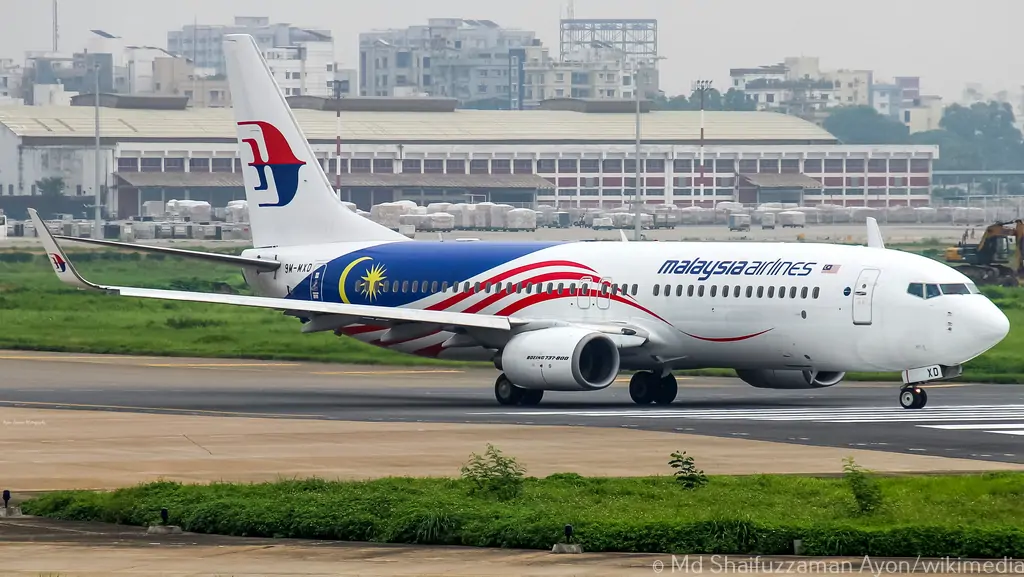
Traveling by air has become an integral part of our lives, and airlines are continually seeking innovative ways to improve the passenger experience. In today's digital age, staying connected is of utmost importance, and Malaysia Airlines Group recognizes this by introducing complimentary onboard WIFI for its business class passengers and top-tier frequent travelers.
The Significance of In-Flight Connectivity
Staying connected when traveling has become a necessity rather than a luxury in today's hyperconnected society. Passengers anticipate consistent and fast Wi-Fi connectivity throughout their flight. The provision of Wi-Fi on board is critical to boosting the whole travel experience, whether for business, entertainment, or staying connected with loved ones. It allows passengers to stay connected to the digital world even at 35,000 feet. With the increasing reliance on smartphones, tablets, and laptops, the demand for seamless internet access during flights has grown significantly.
Malaysia Airlines Group's Initiative
Beginning July 1st, Malaysia Airlines Group, which includes Malaysia Airlines, Firefly, and MASwings, is taking a step forward by providing complimentary onboard WIFI to its business class passengers and top-tier frequent travelers. This move underscores MAG's commitment to meeting the evolving needs of its esteemed customers and enhancing their travel experience. 20 Malaysia Airlines planes – six long-range Airbus A350s and 14 Airbus A330s – will offer complimentary WiFi to all business class passengers and Platinum members of Malaysia Airlines' Enrich reward programme.
Malaysia Airlines customers will appreciate the ease of remaining connected via their personal electronic devices (PEDs) from the minute they board the plane until they arrive at their destination airport.
In-Flight Connectivity Package
MAG announced that the offering comes with a data cap of 100 MB per sector and a bandwidth of up to 512 kbps. According to a statement from the airline group, this will ensure that passengers "can stay connected and productive during their journey."
- A Lite package costing US$2 covers instant messaging and chat services (but without voice or video calls) and up to 10 MB of data at speeds of 200Kbps.
- The US$10 Social package is made for light web browsing, with a 50MB data limit and 512Kbps speed.
- US$25 Business Package, which is oddly described as being “suitable for passengers who travel for business purposes, although heavy browsing and video streaming are not allowed,” this is data-capped at 200 MB and throttled at 512Kbps.
So, it appears that Malaysia Airlines' initial free WiFi offer is a modified version of the top Business plan, but with half the bandwidth available.
The Benefits of Complimentary Onboard WiFi
The introduction of complimentary onboard WiFi brings a multitude of benefits for passengers.
Enhancing Productivity and Connectivity
Passengers flying in business class often include executives, entrepreneurs, and professionals who need to stay connected to their work. With complimentary onboard WiFi, they can catch up on emails, collaborate on projects, and access important documents in real-time. This seamless connectivity allows them to make the most of their travel time and ensures they stay productive throughout their journey.
Keeping Passengers Entertained
WiFi access onboard also provides passengers with the opportunity to access a variety of entertainment options. They can stream movies, TV shows, or their favourite music, keeping themselves entertained during long-haul flights. This feature is particularly beneficial for leisure travelers and those who wish to unwind during their journey.
Enhancing Productivity and Connectivity
In today's interconnected world, staying productive and connected is essential, even while traveling. The introduction of complimentary onboard WiFi by Malaysia Airlines Group aims to cater to the needs of modern travelers who rely on continuous connectivity. By providing reliable internet access, MAG carriers ensure that passengers can conduct business, communicate with loved ones, and stay updated with current events throughout their journey.
Keeping Passengers Entertained
Traveling can sometimes be long and tiring, especially for those embarking on international flights. However, with complimentary onboard WiFi, passengers have access to an array of entertainment options that help them pass the time more comfortably. They can stream movies, binge-watch TV series, or even play online games, transforming their flight into a more pleasant and engaging experience.
The Future of In-Flight Connectivity
As technology continues to advance, the future of in-flight connectivity looks promising. Airlines are investing in faster and more reliable internet services, ensuring that passengers can enjoy seamless connectivity throughout their journey. Additionally, advancements in satellite technology and partnerships with telecommunication providers will further enhance in-flight WiFi capabilities, offering even greater speed and coverage.
Comments
Speaking about the idea, MAG's Chief Executive Officer of Airlines, Ahmad Luqman Mohd Azmi, stated, "We are dedicated to providing exceptional customer service and innovative travel experiences that put the customer first in everything we do." By offering gate-to-gate connectivity across all of our airlines, travellers can stay connected throughout their journey with us, whether it's to keep loved ones updated on the go or even to work while flying."
He went on, "As part of our connectivity strategy, we will actively expand the number of our aircraft equipped with Wi-Fi to provide our valued customers with a better in-flight experience." We are committed to making air travel more accessible and pleasurable for all of our passengers by focusing on safety, comfort, and convenience. We will continue to invest in innovative technology and services to accommodate the evolving demands of our passengers as guests in our home."
Conclusion
Malaysia Airlines Group's decision to introduce complimentary onboard WiFi for business class passengers and top-tier frequent travelers reflects their commitment to customer satisfaction and their dedication to providing an exceptional travel experience. By offering seamless connectivity and a range of entertainment options, MAG carriers ensure that passengers can make the most of their time in the air, whether for work or leisure.
With Inputs from Executive Traveller
Read next
Hindustan Aeronautics Ltd Announces 1:2 Stock Split; Approves Dividend; Shares Down

Radhika Bansal
28 Jun 2023
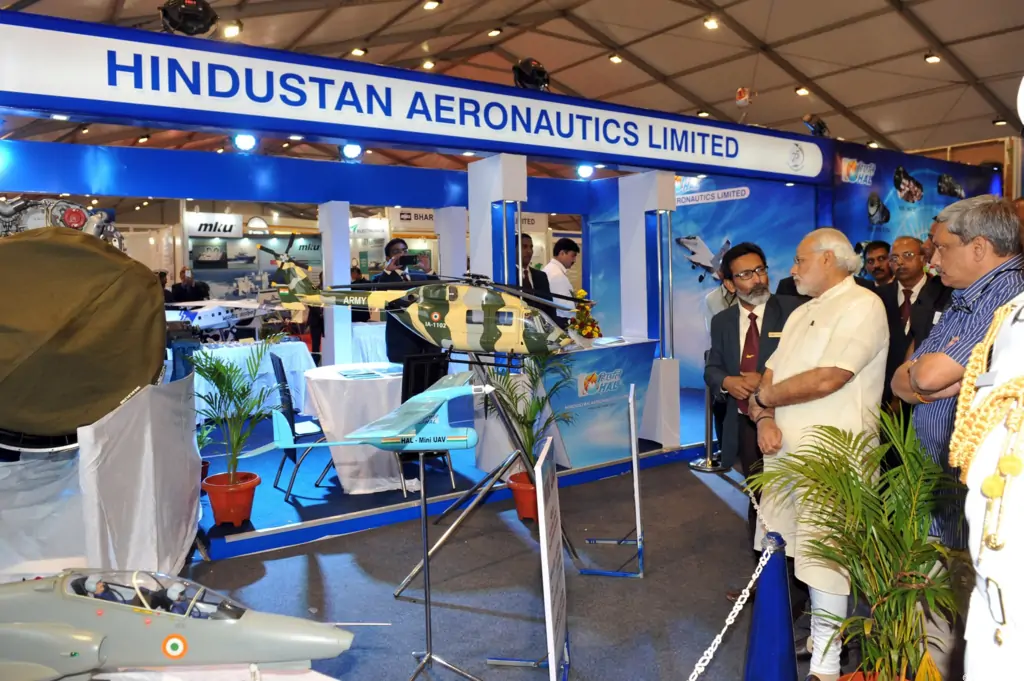
Shares of Hindustan Aeronautics Ltd (HAL) fell more after the company declared its decision on dividends and stock split. The company has declared a final dividend of INR 15 per equity share of INR 10, each fully paid for 2022-23. Additionally, the company informed a stock split of one existing equity share of the face value of INR 10, each fully paid up, into two equity shares of INR 51, each fully paid up.
“The Record Date for sub-division of equity shares shall be Friday, September 29, 2023, if sub-division is approved by the shareholders at AGM (Annual General Meeting),” the company said in a regulatory filing.
In the morning, the public defense company's scrip rose 2% intraday on June 27 before the board meeting. The company’s board of directors was to consider the recommendation of the final dividend for the financial year 2022-23, and also mull over a proposal of sub-division of equity shares of HAL.
The company has fixed September 29 as the record date to determine the eligibility of shareholders for the proposed split of shares. A stock split is usually done to increase the stock's liquidity in the market. Investors holding the stock until the record date will receive the new shares in demat accounts, and the stock price will be adjusted according to the split ratio. Meanwhile, the dividend will be paid to the shareholders within 30 days from the date of its approval by shareholders. The record date for the said dividend will be informed in due course.
Shares of HAL will trade ex-dividend on the day or a day before the record date. When a company goes ex-dividend on a particular date, its stock does not carry the value of the next dividend payment. In the last year, HAL has declared an equity dividend amounting to INR 50 per share, resulting in a dividend yield of 1.36%.
At 1:55 pm, the stock is down 0.8% at INR 3,670.05 on the BSE. Besides, the stock has been removed from the Future & Options (F&O) ban list. Due to its futures and options contracts exceeding the open interest caps, the stock was suspended from trading on June 26.
HAL is backed by a healthy order backlog of around INR 82,000 crore and a robust order pipeline of over INR 1,50,000 crore in the long term. The company received fresh contracts of INR 26,000 crore in the financial year 2023, including manufacturing contracts for six Do-228 Aircraft, 70 HTT -40, and PSLV launch vehicles. Hindustan Aeronautics is in the business of designing, developing, manufacturing, repairing, overhauling, upgrading, and servicing a wide range of products, including aircraft, helicopters, aero-engines, avionics, accessories, and aerospace structures.
The company is in advanced talks for potential export partnerships and collaborations with countries such as Argentina, Philippines, Egypt, Sri Lanka, Maldives, Botswana, Thailand, and Nigeria, which is likely to improve the long-term growth prospects of HAL. Moreover, the government’s focus on the ‘Make in India’ initiative and reducing import dependency bodes well for a domestic player like HAL.
Read next
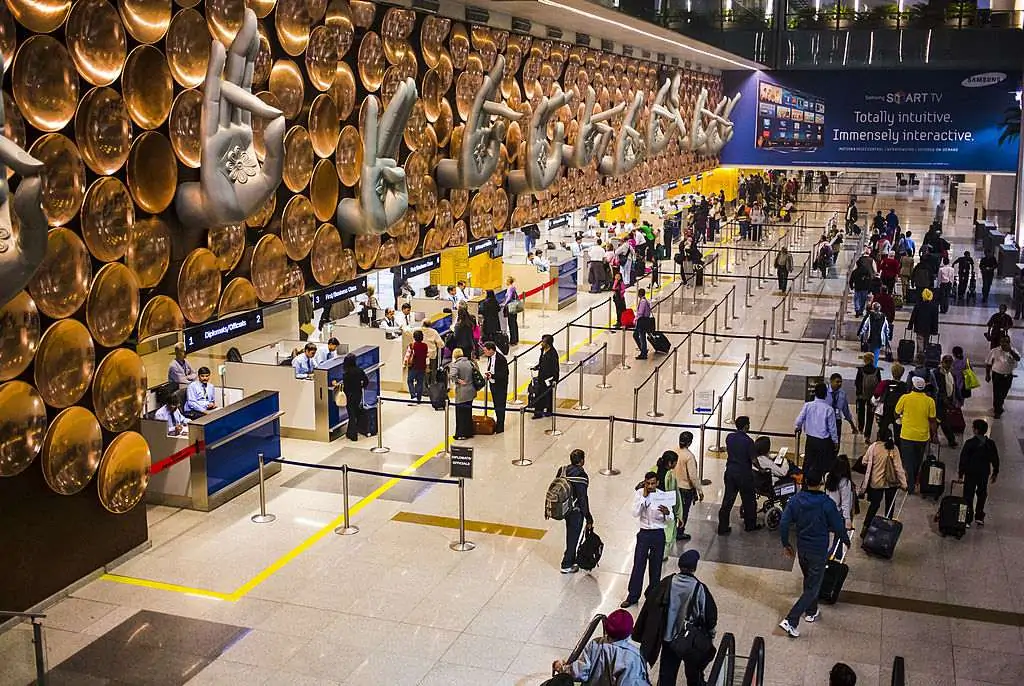
The long-awaited fourth runway, named 'Runway 29 Right and 11 Left' (29R/11L), of Indira Gandhi International Airport (IGIA), will commence operations on July 13. According to a Times of India report, the Chairman of the Airports Authority of India (AAI) confirmed the dates.
The fourth runway at Indira Gandhi International Airport will enhance the hosting facility for domestic and international flights in the National Capital. The Delhi International Airport Limited (DIAL) said, initially, the runway will be used for departure purposes only. The DIAL further said that once the fourth runway gets operational, they will close the main runway between terminals 1 and 3 and the closest to the Shivaji statue for repair purposes.
If everything goes well, then IGIA will have all four runways functioning within a year, which will increase its capacity to 100 flights an hour.

There is a three-runway system as of now in Delhi Airport which is called northerly runway and southerly runway as 27-28 north and 29 south. "Commissioning of Runway 29R along with associated and other Taxiways and Re-Designation of Existing Taxiways at lGlA... effective from July 13, 2O23. The Runway 11V29R is not usable for landing and will only be used for departures," according to AIP. "Delhi ATC is operating around 86 flights in an hour. After the commissioning of the fourth runway, the movement of flights will exceed 100 per hour," it said.
The Airport Authority of India (AAI) has prepared a trained Air Trained Traffic Controller (ATC) to manage the operations on the new runway. Delhi Airport will become the first Indian airport with four runways. With this fourth runway, IGI will soon become the world's busiest airport.
Busiest Airport in India
Civil Aviation Minister Jyotiraditya Scindia also stated that IGIA can soon become the world's largest airport with the ongoing expansion of the airport. It can even surpass Atlanta Airport in terms of passenger capacity and become one of the world's biggest airports.
"The Delhi airport caters to 70 million passengers, which will likely go to 109 million by the end of this year. It is the only Indian airport with three runways, and the fourth one will likely become operational in September," Scindia added.
DIAL (Delhi International Airport Limited), a joint venture majority-owned by the GMR Group, had in 2019 announced an investment of INR 9,800 crore to upgrade the existing Terminal 1, build a fourth runway and for other development works to increase the airport's capacity to 100 million passengers a year from 66 million now.
In 2016, Delhi Airport ranked 9th among the world's ten busiest airports, as it handles 5.9 crore people annually. Meanwhile, the IGI Airport was recently named among the world’s 10 busiest airports by passengers handled. As per the Airports Council International (ACI), Delhi Airport ranked at the ninth spot for 2022, ahead of Paris’s Charles de Gaulle Airport. The Delhi airport is India’s largest and is the only airport from South and Southeast Asia to feature in ACI’s list of the 10 busiest airports. As per ACI data, the Delhi airport handled almost 5.95 crore passengers in 2022. The airport was ranked as the 13th busiest for 2021 and 17th busiest for 2019.
Read next
Jyotiraditya Scindia Expresses 'Deep Anguish' to Kerala CM Over Calicut Airport Land Issue Delay
Radhika Bansal
28 Jun 2023
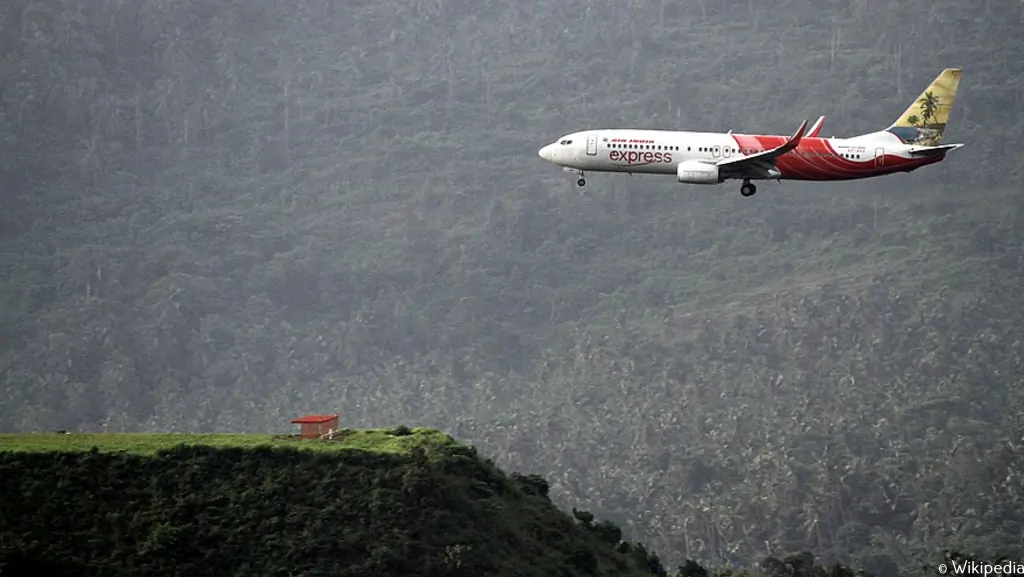
Civil Aviation Minister Jyotiraditya Scindia has expressed "deep anguish" to Kerala Chief Minister Pinarayi Vijayan over the state government's delay in providing the required land for having a runway end safety area at Calicut Airport, which witnessed a fatal plane crash in 2020.
Scindia also said that if the land is not provided to the Airports Authority of India (AAI), then the civil aviation ministry will be left with no choice but to proceed with action to curtail the runway length for safe aircraft operations from August. The airport at Calicut, also known as Kozhikode, is operated by AAI.
Following the deadly crash of an Air India Express aircraft on August 7, 2020, at Calicut airport, a central government-appointed expert panel recommended that the state government may be requested to provide filled-up levelled land for the provision of Runway End Safety Area (RESA). The committee had also said that in case the required land is not made available, the runway length should be reduced to provide the required RESA of 240 metres from the ends of the runway strip for undershooting and overshooting of aircraft.
Large aircraft such as A321s and B737s may no longer be allowed to use the Kozhikode airport from August 1, with the civil aviation ministry giving an ultimatum to the Kerala government on the transfer of land that will be used to extend the current runway.
What Scindia Said?
With the required land yet to be handed over to AAI, Scindia has written to Vijayan, expressing "deep anguish regarding the inordinate delay". In a letter written on June 26, Scindia said the ministry has made tireless efforts to expedite the matter but the lack of prompt actions from the state government "leaves us with no recourse". The minister noted that provisioning of RESA would take around three years after the land is handed over to AAI.
"...the ministry is left with no choice but to proceed with the necessary action of curtailing the runway length for the safe aircraft operation at Calicut airport from 01.08.2023 unless the land is handed over to AAI immediately," the letter said.
Scindia also said the state government indicated through its letter on January 19 this year that notification for the acquisition of the land has been issued and that the land would be made available by the first week of July. "However, it has been made to understand that state government will not be in a position to provide the required land before January 2024," the minister said in the letter.
What Happened?
On August 7, 2020, an Air India Express Boeing B737 plane repatriating Indians stranded in Dubai on account of the pandemic overshot the runway in heavy rain and crashed, more than 20 people were killed, including 2 pilots, and several others were injured. There were 190 people onboard the aircraft, coming from Dubai, that overshot the runway at Calicut Airport amid light rain before breaking into pieces. Currently, only narrow-body aircraft are operating at the airport.
The aircraft, with 184 passengers skidded off the table-top runway and broke into two parts after crashing nose-first into the ground. It was the deadliest commercial aviation disaster in the country in 10 years. In its crash report, AAIB said stated the probable cause of the accident was non-adherence to the standard operating procedure, including landing “beyond the touchdown zone” by the pilot flying the aircraft.
Calicut’s Tabletop Runway
A tabletop runway is an airport that is located on the top of a plateau or hill and the end of the runway typically overlooks a deep gorge. These are always difficult from the perspective of landing and take-off because of the restricted space.
The tabletop runways in the country currently include Kozhikode in Kerala, Mangalore in Karnakata, Shimla and Kullu in Himachal Pradesh, Lengpui airport in Mizoram and Pakyong in Sikkim. These runways have restricted space and hence landings and take-offs are the most critical periods for the flights from these airports.
One of the challenges of a tabletop runway is that they have limited RESA and hence have no room for errors during landing. Experts say that the tabletop runways create an optical illusion for pilots, thus making the landings tricky. The runway length is currently 2850m.
The AAIB report released on September 2021 stated the probable cause of the accident to be non-adherence to the standard operating procedure by the pilot flying the aircraft. It also noted the role of systemic failures as a contributory factor that could not be overlooked.
The airport is the third busiest airport in Kerala and sees airlines like Air India Express, SpiceJet Oman Air, Qatar Airways, Air Arabia, Etihad Airways, and Fly Dubai operating to/ from the airport.
Read next
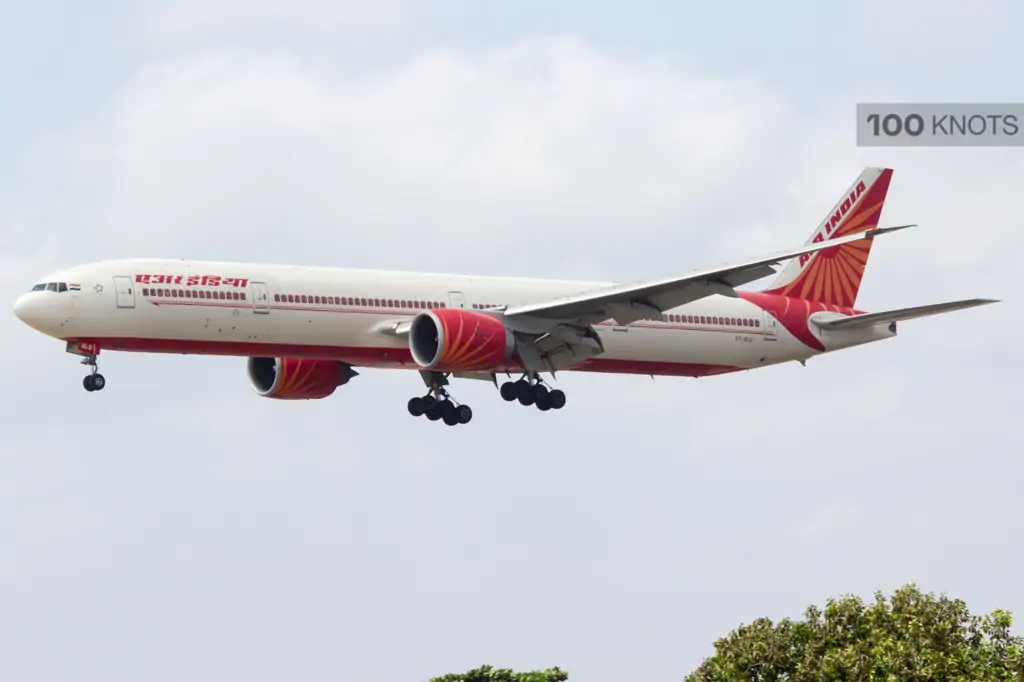
Anti-trust regulator Competition Commission of India (CCI) has issued a show cause notice to Air India, seeking clarification on why its proposed merger with Vistara should not be investigated over concerns about competition in the aviation sector. Reports mention that the CCI has given Air India 30 days to respond.
Vistara and Air India, two full-service airlines, are part of the Tata Group. Singapore Airlines (SIA) holds a 49% stake in Vistara. In November 2022, the salt-to-software conglomerate announced the merger of Vistara with Air India under a deal wherein SIA will also hold a 25.1% stake in Air India.
As a part of the deal, SIA would pump into INR 2,059 crore in the expanded share capital of Air India for a 25.1% stake. Tata Sons would own the remaining 74.9% stake in the combined entity. The approval for the proposed combination was sought from CCI in April this year. The parties to the combination are Tata Sons Pvt Ltd (TSPL), Air India Ltd, Tata SIA Airlines Ltd (TSAL) and Singapore Airlines Ltd.
Tata Sons and SIA filed a merger application with the CCI in April this year, mentioning that the proposed merger of Vistara with Air India would not alter the competitive landscape or cause any adverse impact on competition in India. They had expressed hope to seal the merger deal by March 2024.
If the deal sees the light of day, it will make Air India the country's largest international carrier and second-largest domestic carrier after IndiGo. In terms of overall domestic passenger numbers, Air India Group had a 25.1% market share in the January-March period of 2023, according to the Directorate General of Civil Aviation. IndiGo, India’s largest airline, had a 55.7% market share in the same period.
The Role of CCI
As per the competition law, the regulator can probe into the matter before giving the green light for a merger or acquisition in case there are concerns about possible anti-competitive practices in the deal. Section 29 of the Competition Act mentions the procedures for the probe of combinations. In CCI parlance, combinations refer to mergers and acquisitions.
"Where the Commission thinks that a combination is likely to cause, or has caused an appreciable adverse effect on competition within the relevant market in India, it shall issue a notice to show cause to the parties to combination calling upon them to respond within thirty days of the receipt of the notice, as to why investigation in respect of such combination should not be conducted," as per the section.
In case, the regulator is not satisfied with the responses, it can go to the second stage wherein the parties will be asked to make the details of the proposed deal public and comments will be sought. Besides, CCI can seek additional information from the parties before taking a final decision on the deal.
There have also been instances where parties to a combination submitted remedial measures to address anti-competitive concerns and after accepting them, CCI has given its conditional approvals. Additionally, the CCI has the authority to request further information from the parties involved before reaching a final decision on the merger.
In November 2013, the CCI approved a proposal by Gulf carrier Etihad to purchase 24% of grounded Jet Airways. The CCI then cited the insignificant increase in market share forecast on India-UAE routes as one of the reasons for the approval.
Challenges Ahead
It is a new challenge for formerly government-owned Air India, which Tata Group took over last year. The Indian airline has ambitious plans to modernise its fleet, operational systems and revenue management. The Competition Commission of India (CCI) has flagged that on some routes and categories - such as business class travel - the merged entity could have a monopoly, said one of the two sources, who declined to be named as the matter is confidential.
To address the CCI's concerns, Air India could make concessions such as giving up certain routes or reducing the frequency, the second source said, adding that Air India remains confident the matter can be resolved by recommending certain changes.
The CCI note comes amid growing concerns within the industry about a duopoly, with a merged Air India-Vistara and IndiGo controlling more than 80% of the domestic market as smaller rivals such as SpiceJet and Go First struggle.
The first source said that Vistara and Air India both fly on international routes such as London and Dubai and would need antitrust clearances in other jurisdictions. Air India is expecting similar queries from foreign countries once it applies for clearance there, but the source is waiting for the India process to close first, the source added.
The Tata Group is consolidating its aviation business and merging the four airlines into two. While Air India is being merged with Vistara to create a single full-service carrier, AirAsia India is being merged into Air India Express to create a single low-cost airline under Air India. AirAsia India and Air India Express are completely owned by Tata Sons and these two carriers’ merger got approved by the CCI in June last year.
Comment