
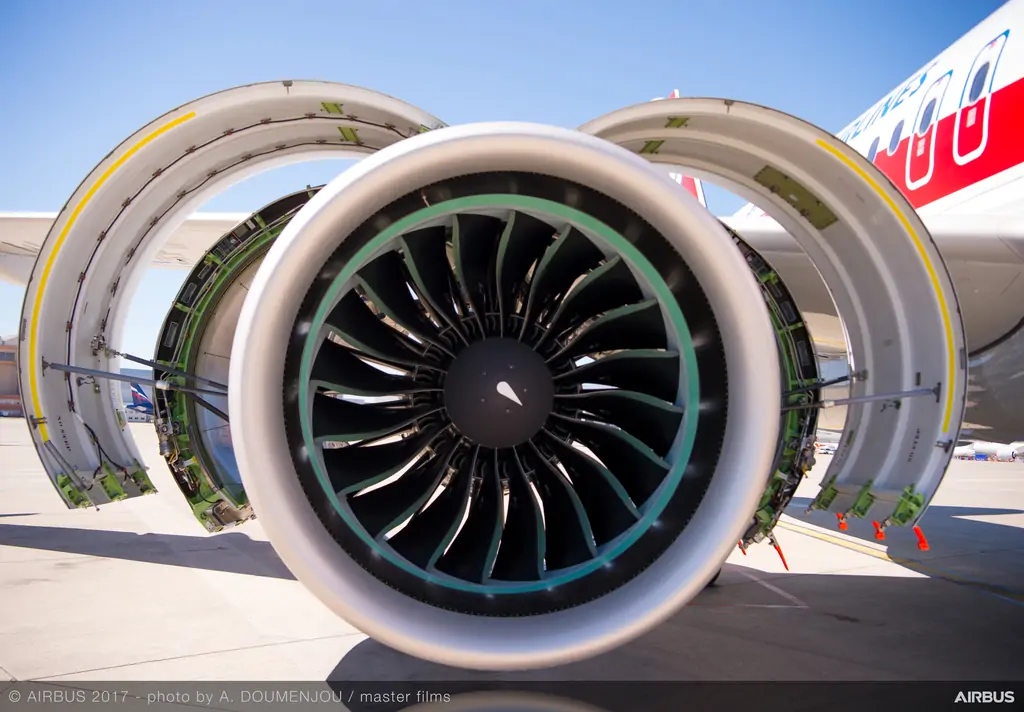
The aviation industry is facing a perfect storm. A worldwide shortage of parts, skilled labor, and new aircraft post-pandemic, combined with higher maintenance frequency for next-generation engines, has resulted in unprecedented wait times for engine maintenance. Airlines globally are feeling the strain, with demand and wait times projected to peak in 2026, according to a Reuters report.
The Parts and Labor Shortage: Straining MRO Providers
Maintenance, Repair, and Overhaul (MRO) providers are under immense pressure to keep up with increasing maintenance demands. The parts and labor shortage, exacerbated by the post-pandemic aviation boom, is stretching these providers thin. Jim Harris, co-leader of Bain's global Aerospace and Defense practice, emphasized the urgency of the situation, stating:
"Aircraft engine MRO demand is likely to experience a near-term peak in 2026 and remain constrained through the end of the decade. The next large surge in demand from new-generation engines will begin towards the end of 2030. Unless MRO companies act quickly to close this capacity gap, airlines will face higher costs to operate constrained fleets."
Soaring Turnaround Times for Next-Generation Engines
Turnaround times for next-generation engines like the Pratt & Whitney GTF and CFM International LEAP have soared to 150% higher than pre-pandemic values. Even legacy engine types have seen a 35% increase in maintenance turnaround times. This surge in demand and extended wait times pose a significant financial burden on airlines, further complicating their efforts to decarbonize air travel.
Older Aircraft and Slower Deliveries: A Compounded Problem
The slow delivery of new aircraft forces airlines to rely on older models, which often require more complex and time-consuming maintenance. The parts for these older aircraft are harder to source due to their age, further straining the MRO industry. The compounded problem of aging fleets and delayed new aircraft deliveries is a significant contributor to the current maintenance crisis.

MRO Business Boom Amidst Strain
Despite the challenges, the MRO business is booming. The Chief Executive Officer of Malaysian MRO firm Asia Digital Engineering (ADE) revealed plans to open a new hangar in August, highlighting the high demand for MRO services. However, Jim Harris warns that unless MRO companies can manage this demand, airlines will continue to face increased costs and operational constraints.
Regulatory Hurdles and Engine Issues
Regulatory pressures have forced Boeing to slow down aircraft production until quality controls are improved. Additionally, a significant engine issue with Pratt & Whitney's GTF engines has compounded the maintenance crisis. Contaminated powdered metal used in engine components has led to premature maintenance needs for nearly 1,200 engines, grounding approximately 350 aircraft annually through 2026.
Limited Engine Options: A Bottleneck
The limited availability of jetliner suppliers further exacerbates the engine maintenance problem. Many aircraft manufacturers offer only one or two engine options, limiting flexibility for airlines. For instance, the Airbus A320neo offers the LEAP-1A from CFM International and the GTF from Pratt & Whitney, while its competitor, the Boeing 737 MAX, is only available with the LEAP-1B engine.
Conclusion: Navigating the Turbulence Ahead
The global aviation industry is at a critical juncture. The parts and labor shortage, combined with increased maintenance demands and regulatory pressures, has created a challenging environment for airlines and MRO providers alike. As the industry navigates these turbulent times, swift action and innovative solutions will be essential to mitigate the impact of this maintenance crisis and ensure the continued growth of passenger travel.
As we approach 2026, the peak of engine maintenance demand, the aviation sector must brace for continued challenges and strive for resilience amidst adversity.

Read next
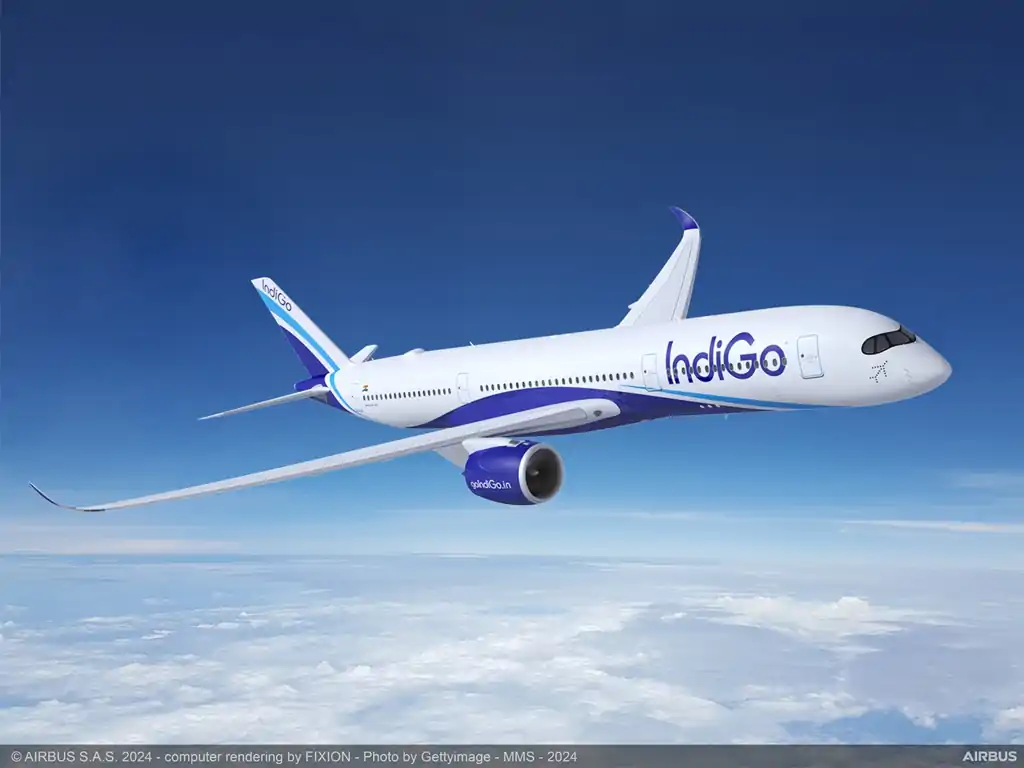
In a significant boost to its order book, Airbus has recently revealed that Air India and IndiGo have placed substantial orders for its aircraft. Air India's order includes 250 aircraft, comprising 210 A320 narrow-body planes and 40 A350 wide-body aircraft. Notably, Air India has already received six of the A350s. Meanwhile, IndiGo's commitment exceeds 1,000 aircraft, including 30 A350 state-of-the-art planes.
The Popularity of the Airbus A350
Operational Flexibility and Efficiency
The A350 Family is recognized as the world's most modern and efficient wide-body aircraft. It stands out in the 300–410-seater category, thanks to its advanced technologies and aerodynamics. This clean-sheet design offers the lowest cost per seat of any large wide-body aircraft, making it a preferred choice for long-haul flights.
Enhancing Passenger Comfort
The Airbus A350 features a state-of-the-art "Airspace" cabin, which is the quietest of any twin-aisle aircraft. This design not only enhances passenger comfort but also incorporates modern in-flight products to improve the overall flying experience.
Commitment to Sustainability
The A350's aerodynamic design and advanced technologies contribute to a 25% reduction in carbon emissions compared to previous-generation aircraft. This aligns with global sustainability goals and reflects the industry's move towards greener operations.
Significant Orders and Market Traction
Air India and IndiGo's Strategic Expansions

Air India's order of 40 A350s, with six already delivered, and IndiGo's order of 30 A350s, highlight the growing demand for this aircraft. Both airlines have also placed substantial orders for narrow-body aircraft to enhance their domestic and international operations.
Global Market Impact
As of June 2024, Airbus has secured 1,309 orders for the A350 from 61 customers globally, including 1,254 for passenger variants and 55 freighters. To date, Airbus has delivered 606 A350s to 40 operators, including 85 of the larger A350-1000 variant. The current backlog stands at 703 aircraft, comprising 648 passenger variants and 55 freighters.
Airbus's Production Strategy
Increasing Production Rates
Airbus is currently delivering six A350 aircraft per month but plans to ramp up production to meet growing demand. By 2028, the company aims to double its production rate to 12 aircraft per month. This increase is designed to ensure that supply aligns with market requirements.
Final Assembly Line
The Final Assembly Line (FAL) for the A350, located in Toulouse, France, involves a 9-stage process to complete each aircraft. This meticulous process ensures that each aircraft meets the high standards of quality and efficiency that the A350 Family is known for.
Conclusion
The surge in orders for the Airbus A350 from major airlines like Air India and IndiGo underscores the aircraft's appeal. Its operational flexibility, passenger comfort, and commitment to sustainability make it a standout choice in the aviation market. With Airbus increasing its production capacity, the A350 is poised to meet the growing demand and continue its success in the global market.
Read next
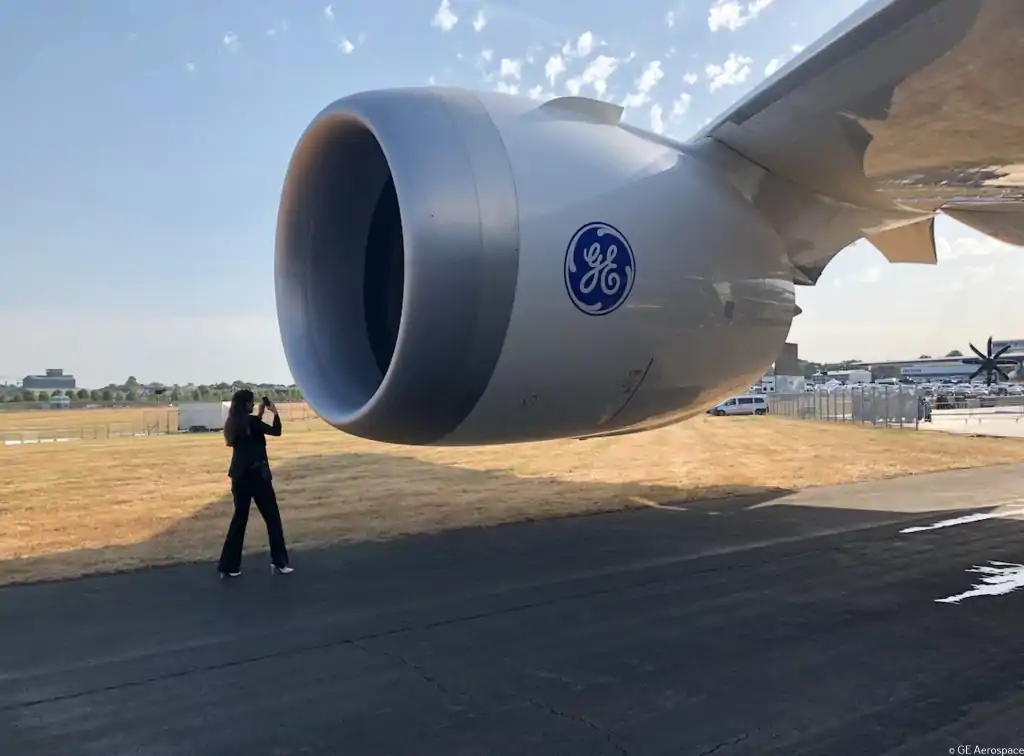
GE Aerospace has unveiled an ambitious plan to invest more than $1 billion over the next five years, aiming to significantly enhance its maintenance, repair, and overhaul (MRO) facilities worldwide. This strategic move comes as the company seeks to reduce turnaround times and address the surging demand for aftermarket services.
The Aftermarket Boom: A Response to Travel Rebound
The aviation industry is experiencing a robust rebound in travel, but the surge in demand has outpaced the availability of new planes. Production and engine issues have compelled airlines to keep older jets operational longer, further straining the capacity of MRO facilities. This trend has driven a critical need for expanded and more efficient engine repair and maintenance services.
Addressing the Challenges: Labor, Parts, and Raw Material Shortages
Despite the increasing demand, persistent shortages of labor, parts, and raw materials have made it challenging for MRO shops to keep up. These constraints have become a major bottleneck, limiting the global airline industry's ability to maintain and repair engines promptly. As industry leaders gather at the Farnborough Air Show next week, engine repair delays are expected to be a key topic of discussion.
GE Aerospace's Vision: Cutting Turnaround Times by 30%
GE Aerospace has set an ambitious goal to cut overall turnaround times at its repair shops by 30% compared to last year. To achieve this, the company plans to add more engine test cells and incorporate cutting-edge technology at its repair facilities. This move is part of a broader effort to meet the growing needs of its customers and ensure their planes fly safely and reliably.
Significant Investment in LEAP Engines

A substantial portion of the $1 billion investment will be directed toward MRO facilities for LEAP engines, which power narrowbody aircraft from Airbus and Boeing. The LEAP engine, co-produced with France's Safran through the CFM International joint venture, is central to GE Aerospace's strategy. Russell Stokes, head of GE Aerospace's commercial engines and services, emphasized the importance of this investment in meeting the strong air travel demand.
Tackling Turnaround Times: A Post-Pandemic Challenge
The pandemic has significantly impacted turnaround times at engine repair shops. Consulting firm Bain & Company reports that these times have risen by 35% for legacy engines and over 150% for new-generation engines. Securing an MRO slot now takes airlines an average of two to three months. GE Aerospace's investment aims to address these delays and improve the efficiency of its repair operations.
A New Facility and Advanced Technology
As part of its commitment, GE Aerospace will open a new facility near Cincinnati, Ohio, in September. This facility will be equipped with advanced technology capable of detecting chemical anomalies in metal parts—a technique also used to identify forged artwork. This investment underscores GE Aerospace's dedication to leveraging cutting-edge technology to enhance its repair and maintenance capabilities.
An Independent Powerhouse in the Engine Market
Since becoming an independent company this year, GE Aerospace has maintained a dominant position in the engine market for narrowbody jets and a strong presence in widebody aircraft. More than 70% of its commercial engine revenue comes from parts and services, highlighting the importance of its MRO operations.
Conclusion: A Commitment to Excellence
GE Aerospace's $1 billion investment represents a significant step forward in addressing the challenges faced by the aviation industry. By expanding its MRO facilities, incorporating advanced technology, and reducing turnaround times, the company is poised to meet the growing needs of its customers and ensure the safety and reliability of their aircraft. As the aviation industry continues to recover, GE Aerospace's strategic investments will play a crucial role in supporting this growth and maintaining its leadership position in the market.
With Inputs from Reuters
Read next
Embraer' Impressive Q2 Deliveries and Bright Future Amid Industry Challenges
Abhishek Nayar
20 Jul 2024
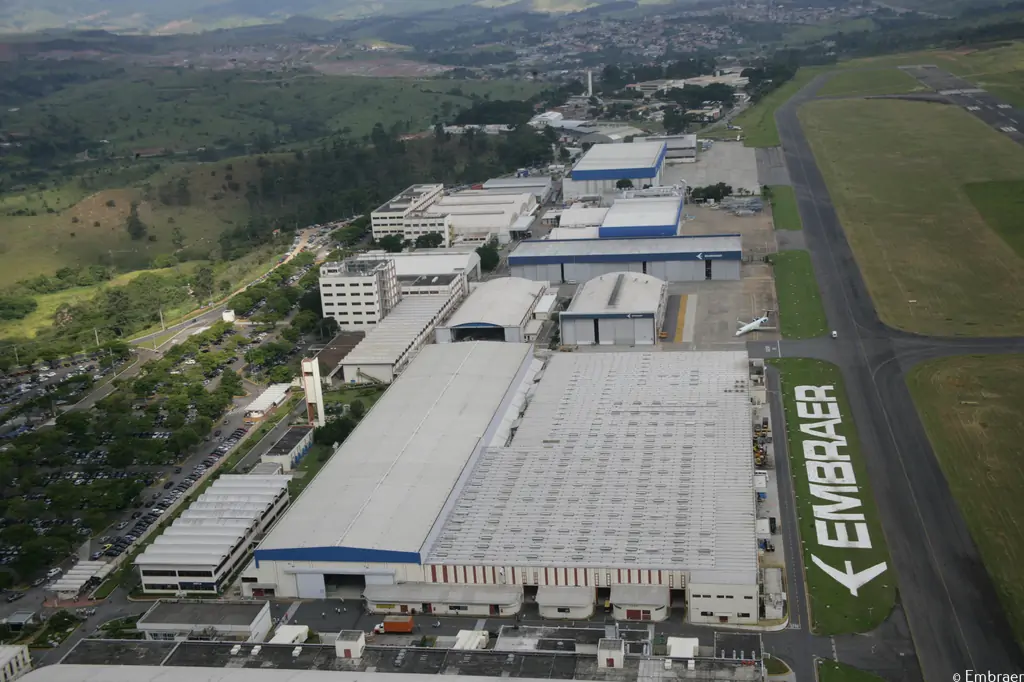
Brazilian aerospace giant Embraer has demonstrated robust growth in the second quarter of 2024, reporting an 88% increase in aircraft deliveries compared to the same period last year. This remarkable performance underscores the company's resilience and strategic acumen amidst ongoing supply chain challenges plaguing the aerospace industry.
Breakdown of Deliveries: Commercial and Executive Jets Lead
During the April-June period, Embraer delivered a total of 47 aircraft. This includes 19 commercial jets and 27 executive jets, alongside one defense C-390 Millennium jet. The surge in deliveries highlights Embraer's adaptability and capacity to meet diverse market demands effectively.
Record-High Backlog: Embraer's Strong Order Book
In a recent securities filing, Embraer disclosed that its firm order backlog reached $21.1 billion at the end of June, marking the highest level in seven years. This substantial backlog not only reflects the company's solid market position but also instills confidence in its future performance.
Farnborough Airshow Anticipation: Major Orders Expected
The delivery report comes just days before the Farnborough Airshow, a prime event for planemakers to announce significant orders. Investors have shown a positive response to Embraer's demand prospects, with the company's shares rising more than 80% year-to-date. The anticipation for new orders at the airshow adds to the optimistic outlook for Embraer.
Demand Surge: The E2 Jets Advantage

Embraer's next-generation E2 jets have been in high demand as airlines face a shortage of larger single-aisle planes from competitors Airbus and Boeing. This demand surge has allowed Embraer to convert business jet purchase options into firm orders, bolstering its commercial success.
2024 Delivery Goals: On Track for Success
The Brazilian planemaker has set ambitious delivery targets for the year, planning to deliver 72 to 80 commercial aircraft, up from 64 last year. Additionally, Embraer aims to deliver 125 to 135 business jets, a notable increase from 115 in 2023. Chief Executive Francisco Gomes Neto expressed confidence in meeting these targets and hinted at delivering up to 90 E-Jets to airlines in 2025.
Strategic Opportunities: Capitalizing on Production Slots
Embraer has identified strategic opportunities to capitalize on its available production slots from 2026 onwards. This timing advantage positions the company to deliver new jets ahead of Boeing and Airbus, which have sold out their single-aisle jet production until the end of the decade. Recent orders, including 20 E2 jets from Mexicana de Aviacion and NetJets' conversion of options for up to 250 Praetor 500 executive jets into firm orders, underscore this strategic edge.
Conclusion: Embraer's Bright Horizon
Embraer's impressive performance in the second quarter of 2024 and its robust order backlog indicate a bright future for the company. With strategic foresight, a diverse product lineup, and an ability to navigate industry challenges, Embraer is well-positioned to maintain its upward trajectory and capitalize on emerging opportunities in the global aerospace market.
With Inputs from Reuters
Read next
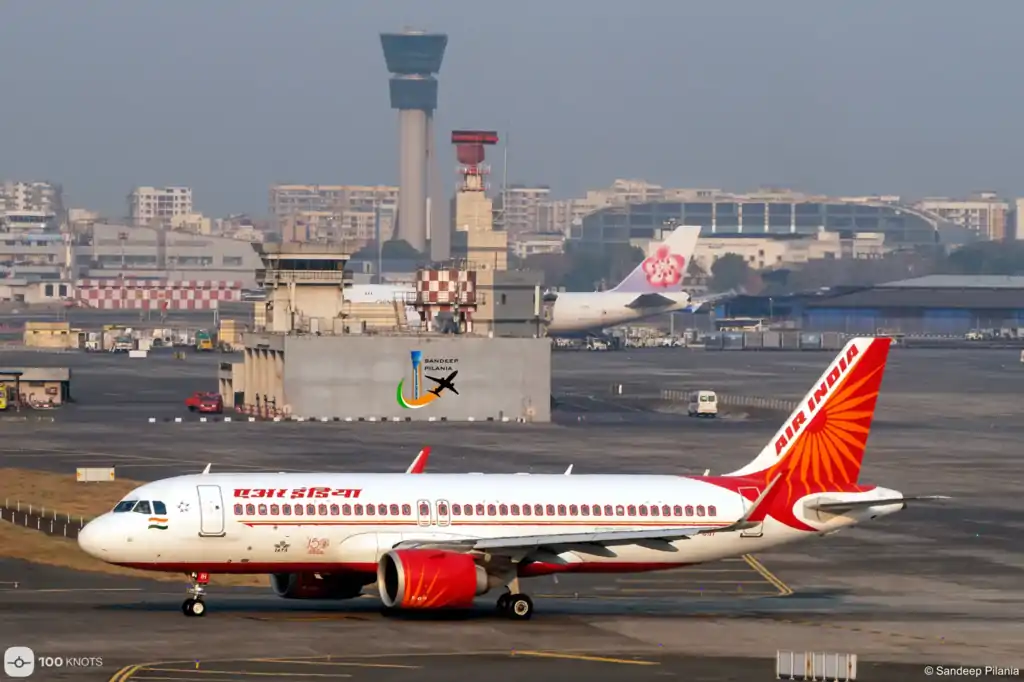
In a significant development in the Indian aviation industry, as many as 300 non-flying employees at Tata Group-owned Air India are facing an uncertain future. These employees, on fixed-term contracts (FTC), have not secured a place in the company amidst the merger with Vistara, according to sources familiar with the situation. This decision comes as Air India undergoes a thorough fitment exercise to streamline its workforce.
The Background
The affected employees have been diligently working with Air India for the past 10-15 years, across various departments. Historically, their employment contracts have been routinely renewed. However, the current scenario, driven by the merger with Vistara and the subsequent workforce restructuring, has left these employees without renewed contracts.
The Merger and Fitment Exercise
The Tata Group took control of Air India in January 2022, marking a new chapter for the national carrier. In November 2022, Tata announced the consolidation of its airline business by merging Vistara with Air India and AIX Connect with Air India Express. This strategic move aims to create a more efficient and competitive aviation entity.
The fitment exercise, a key part of this consolidation, has been ongoing for several months. It evaluates the roles and responsibilities of staff from both airlines, considering individual experience, performance, and other relevant factors. With more than 23,000 employees between the two carriers, the exercise has revealed a significant number of redundancies, particularly within Air India's legacy operations.
The Impact on FTC Employees
Lack of Renewal for Contracts
Despite their long-standing service, the FTC employees are now facing the harsh reality of unemployment. The fitment exercise has not assigned roles to these individuals, leading to the likelihood that their contracts will not be renewed. "But as they have not been assigned any role during the fitment exercise, which is almost complete now, their contracts are unlikely to be renewed," a source told PTI.
No Access to Voluntary Schemes
Adding to their plight, these FTC employees are not eligible for the Voluntary Retirement Scheme (VRS) or Voluntary Separation Scheme (VSS) recently announced by Air India. These schemes are exclusively available to permanent employees found redundant or surplus after the fitment exercise. Without such options, the FTC employees face the immediate loss of their livelihood with no safety net.
Broader Implications
Workforce Consolidation
The merger aims to create a full-service carrier that can compete effectively in the global aviation market. However, this consolidation comes with tough decisions, including workforce optimization. The redundancies identified during the fitment exercise highlight the challenges of merging two large entities with overlapping roles and responsibilities.
Employee Morale
The decision to not renew the contracts of 300 employees has broader implications for employee morale within Air India and Vistara. Employees may feel uncertain about their job security, potentially impacting productivity and engagement. Clear communication and support from management will be crucial in navigating this transition period.
Conclusion
As Air India and Vistara move closer to their merger, the future of 300 FTC employees hangs in the balance. The fitment exercise, designed to streamline operations, has left these long-serving employees without roles or the safety net of voluntary schemes available to their permanent counterparts. This situation underscores the complexities and human impact of large-scale corporate mergers. As the industry watches closely, the response from Tata Group and the affected employees will set a precedent for future restructuring efforts in the aviation sector.
Read next
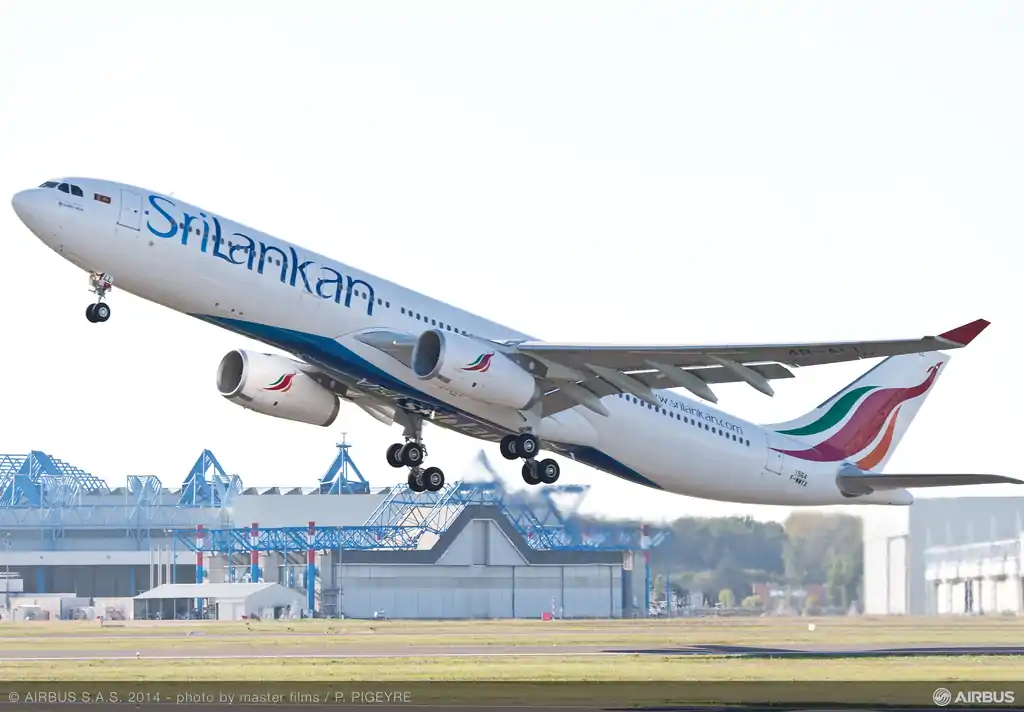
SriLankan Airlines is set to make this cricket season unforgettable for Indian fans with an extraordinary offer: a chance to win a free holiday package to Sri Lanka. This unique opportunity allows fans to combine their love for cricket with an exciting travel experience. With the India Cricket Tour of Sri Lanka 2024 happening this July and August, fans can immerse themselves in the thrill of cricket while exploring the picturesque island nation.
Attractive Fares and Convenient Travel Options
SriLankan Airlines offers attractive fares and convenient travel options with 85 weekly flights from nine Indian cities: Delhi, Mumbai, Bangalore, Hyderabad, Kochi, Trivandrum, Chennai, Trichy, and Madurai. This makes it easy for cricket enthusiasts across India to participate in this enticing offer and follow their favorite team to Sri Lanka.
How to Enter the Raffle

To enter the raffle, passengers must purchase their tickets between 20th July 2024 and 6th August 2024. The travel period must commence and complete between 25th July 2024 and 10th August 2024. Both Economy and Business Class return tickets from any Indian point to Colombo are eligible, provided the purchase is made through the SriLankan Airlines website.
After purchasing the ticket, travelers need to scan the provided QR code and fill out a form with their travel details to enter the raffle. Winners will be selected through a raffle draw, making the journey even more exciting for cricket fans.
Value-Added Services for a Better Travel Experience
In addition to competitive fares and a complimentary first date change, SriLankan Airlines offers a host of value-added services to enhance the travel experience. Passengers can take advantage of services such as Bid for Business Class, cheapest prepaid baggage, exclusive prepaid meals, and advance seat reservations. These services ensure that every journey is comfortable and enjoyable.
Discover the Charm of Sri Lanka
Sri Lanka offers Indian tourists a unique blend of cultural familiarity and natural beauty. The island nation is rich in historical sites, stunning beaches, and scenic landscapes, providing a diverse range of experiences. With its cultural similarities, flavorful cuisine, and warm hospitality, Sri Lanka is both a welcoming and exciting getaway.
Seize the Opportunity
This online raffle draw campaign, with the tagline "Follow the Blues," is designed to make the journey even more thrilling for Indian cricket fans. By booking through the SriLankan Airlines website, passengers can not only secure the best fares but also stand a chance to win a fully paid holiday package to Sri Lanka.
For more information and to participate in this exciting offer, visit SriLankan Airlines' promotion page. Don’t miss this opportunity to enjoy an unforgettable cricket season with a dream vacation in Sri Lanka!
Comment