
S7 Airlines Navigates Engine Challenges in the Face of MC-21 Shortcomings

Abhishek Nayar
08 Dec 2023
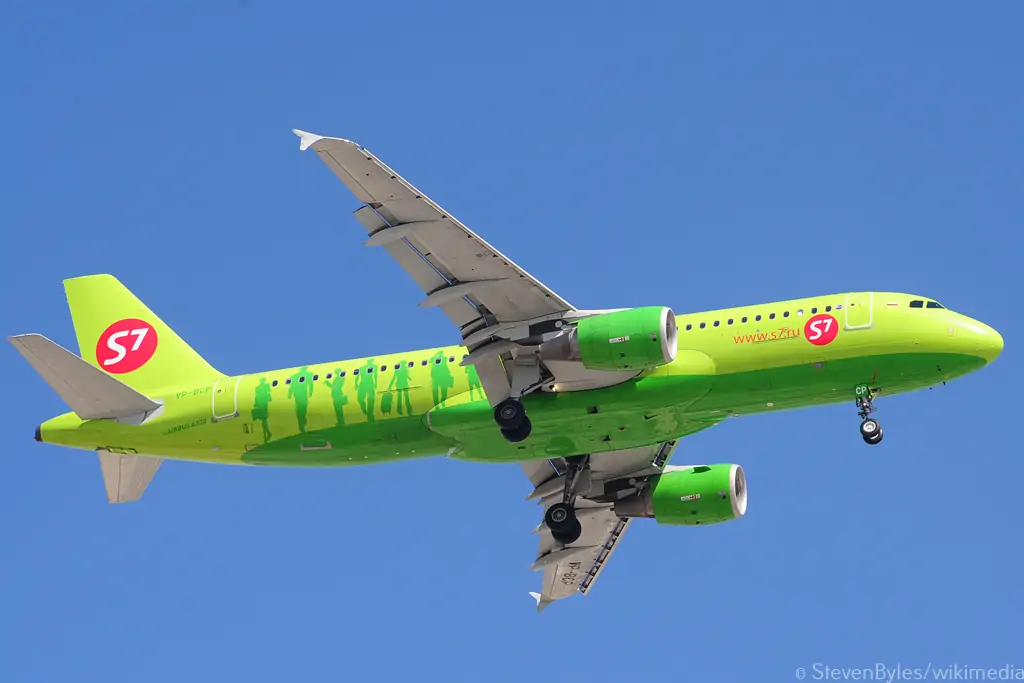
The aviation industry is no stranger to challenges, and the recent developments surrounding S7 Airlines' quest for the Irkut-manufactured MC-21-300 narrowbody aircraft highlight some of the hurdles faced by Russian carriers. Despite the anticipation surrounding the MC-21, the focus has shifted to the limitations of its PD-14 turbofan engines, prompting S7 Group’s chairman of the board of directors, Evgeny Elin, to address the concerns at the Russian Industrialist Forum in St. Petersburg.
Engine Service Life Concerns
Elin's revelation about the PD-14 turbofan engines having a mere 3,600 flight hours between overhauls has raised eyebrows within the industry. This stands in stark contrast to the 40,000 hours of on-wing time offered by the CFM International CFM56, a widely used Franco-American engine. The implications are significant, suggesting that the engines will require annual removal and overhaul, potentially leading to increased downtime and decreased commercial service.
Comparisons with the Aviadvigatel PS-90 turbofan, powering various Russian aircraft, highlight the PD-14's relatively short service life. The PS-90 boasts a 6,000-hour period between repairs, almost twice as long as the PD-14. These revelations pose operational challenges for airlines like S7, necessitating strategic decisions for maintaining an efficient and reliable fleet.
MC-21 Introduction and Fleet Strategy
Despite the engine concerns, the MC-21 remains a focal point for Russian carriers, with Aeroflot securing a substantial order. The anticipated introduction of the MC-21 in early 2025 adds to the urgency of addressing the engine-related issues. S7, however, has opted for a pragmatic approach, choosing to maintain its current fleet of imported medium-haul Airbus and Boeing aircraft, maximizing their airworthiness until a viable solution is found.
Overhauling Foreign Aircraft Under Sanctions
Elin's assertion that extending the operation of Western aircraft under sanctions is possible through reverse engineering introduces an intriguing perspective. He suggests that Russia's ability to master reverse engineering could play a crucial role in maintaining the airworthiness of foreign aircraft. This strategy becomes particularly relevant amid geopolitical challenges and sanctions that impact the procurement of Western technology.
Challenges in Developing Domestic Engines
Elin acknowledges the challenges Russia faces in developing competitive domestic engines. He emphasizes the historical delays in completing aerospace programs and the crucial role of engines in determining an aircraft's viability. The chairman warns that relying solely on indigenous engine development could result in perpetual lagging behind Western counterparts, urging the need for a more pragmatic approach.
Advocating for Reverse Engineering
In light of these challenges, Elin advocates for active engagement in reverse engineering. By dissecting and replicating advanced technologies, Russia could potentially extend the service life of its current fleet. Elin argues that breaking down engines into individual components provides an opportunity to focus on manufacturing and restoring specific elements, leveraging existing engineering capabilities and financial resources.
Conclusion
The challenges faced by S7 Airlines in acquiring the MC-21 and navigating the complexities of engine service life shed light on the intricate dynamics within the Russian aviation industry. As the country strives to balance geopolitical realities, technological advancements, and the imperative of a robust fleet, the strategic decisions made by airlines like S7 underscore the multifaceted nature of the challenges and the innovative solutions required to propel the industry forward.
With Inputs from ch-aviation
Read next
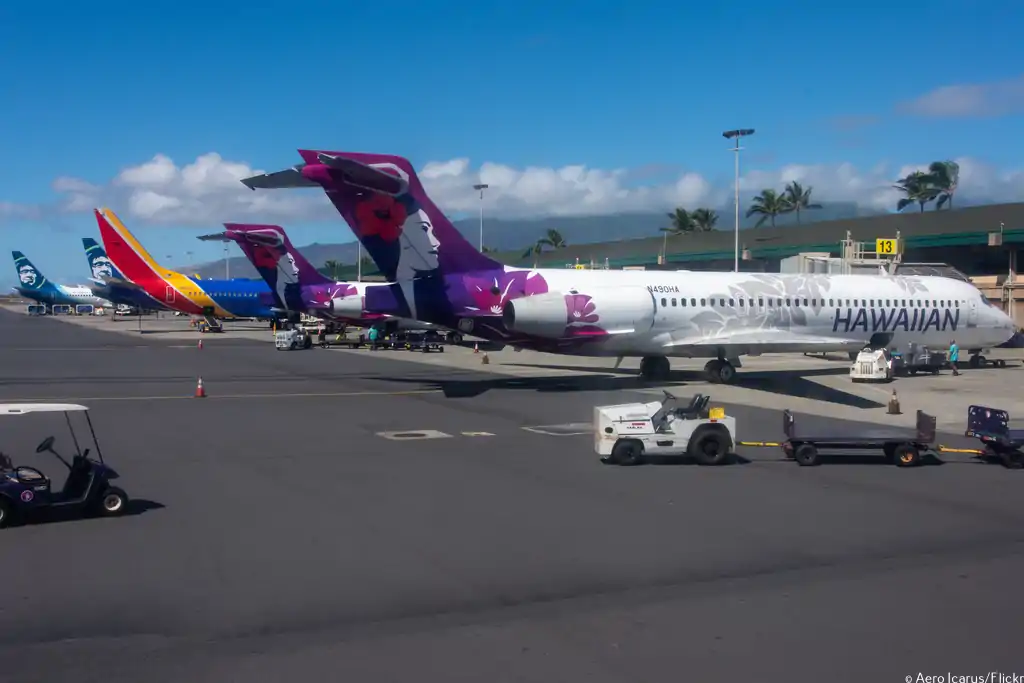
In a significant move within the airline industry, Alaska Airlines is set to acquire Hawaiian Airlines for a planned USD 1.9 billion, a deal that could reshape the inter-island travel landscape in Hawaii. The focus of this acquisition extends beyond the financial transaction, delving into the potential replacement of Hawaiian's aging Boeing 717-200s with the Boeing 737 MAX series.
The Merger Announcement
Alaska Airlines' acquisition of Hawaiian Airlines, unveiled earlier this week, has raised eyebrows and ignited discussions about the potential changes in the operational dynamics of both carriers. The deal, valued at USD 1.9 billion, signifies a significant consolidation within the airline industry, with Alaska Airlines seeking to expand its footprint, particularly in the Hawaiian market.
Current Fleet Overview
Hawaiian Airlines currently operates a fleet of 19 Boeing 717-200s, with an average age of 21.9 years. While the investor presentation accompanying the merger announcement highlights that these aircraft have nearly half their flight cycle remaining, the possibility of a fleet overhaul is on the horizon. The Boeing 717s connect key Hawaiian airports, including Honolulu, Hilo, Kahului, Kona, and Lihue. Notably, Hawaiian Airlines is predominantly an Airbus operator, with the remainder of its fleet comprising 18 A321-200Ns, 24 A330-200s, and one A330-300(P2F), with additional A330-300s on order.
In contrast, Alaska Airlines, a Boeing-centric carrier, operates a diverse fleet consisting mainly of Boeing 737 aircraft. The backbone of Alaska's fleet includes various 737 variants, such as the -700, -800, and -900ER, with additional orders for the 737-8, 737-9, and 737-10. While Alaska Airlines does have some Airbus aircraft in its history, those have been phased out, solidifying its commitment to the Boeing 737 series.
Fleet Replacement Considerations
The investor presentation emphasized the potential replacement of Hawaiian's Boeing 717 fleet with some variant of the Boeing 737. While the specifics were not outlined, the closest-sized aircraft mentioned was the yet-to-be-certified Boeing 737-7. This certification is anticipated in 2024, opening the door for a fleet transition. However, the presentation did not provide specific timelines for the replacement process.
Industry Implications
The merger and potential fleet transition bear broader implications for the competitive landscape in the Hawaiian airline market. The move aligns with Alaska Airlines' strategy to streamline its fleet, emphasizing the Boeing 737 series, known for its efficiency and commonality. The introduction of the 737 MAX series could bring operational synergies, improved fuel efficiency, and enhanced passenger experience.
Conclusion
As Alaska Airlines moves forward with the acquisition of Hawaiian Airlines, the industry watches keenly for developments regarding the replacement of Hawaiian's Boeing 717 fleet with Boeing 737 MAX aircraft. The shift not only marks a fleet transition but also reflects the evolving strategies of major carriers in response to market dynamics. The coming years will unveil how this acquisition shapes the inter-island travel experience in Hawaii and potentially sets new standards for operational efficiency within the airline industry.
With Inputs from ch-aviation
Read next
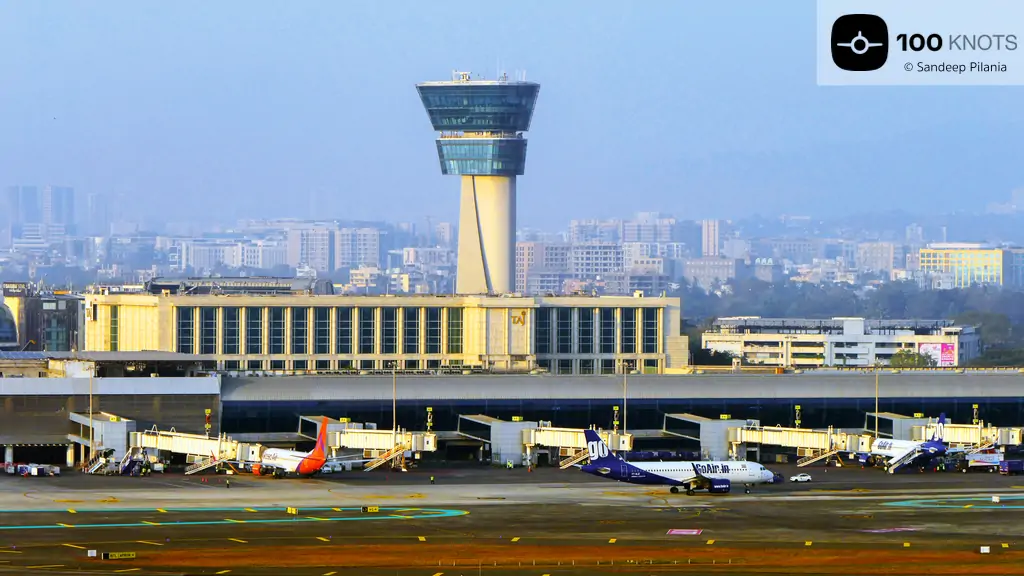
In a surprising turn of events, the Aviation Working Group (AWG) has downgraded India's aviation sector, potentially leading to increased leasing costs for major commercial airlines like Air India, IndiGo, SpiceJet, and the newly emerging Akasa. This downgrade follows a positive watchlist notice by AWG earlier, highlighting India's progress in the Cape Town Convention (CTC) compliance index.
Background: AWG's Positive Watchlist Notice
AWG had initially issued a positive watchlist notice in their CTC compliance index, projecting an increase in India's score. This optimistic outlook was driven by the Indian government's notification on October 3, 2023, stating that the moratorium under the Insolvency and Bankruptcy Code, 2016, would not apply to aircraft, aircraft engines, airframes, and helicopters governed by the Cape Town Convention.
This notification was a significant development as it addressed concerns raised by AWG, which had placed India on a watchlist with a negative outlook in May. The earlier negative stance was based on the failure of the country to comply with international aircraft repossession norms, particularly after foreign lessors encountered difficulties in reclaiming their leased planes from the bankrupt Go First.
Government's Proactive Step
The government's decision to exempt transactions involving aircraft, aircraft engines, and helicopters from the Insolvency and Bankruptcy Code (IBC) aligns with India's international treaty obligations. As a signatory to the Cape Town Convention and its Aircraft Protocol (CTC), India aims to foster a conducive environment for financing and leasing of aircraft, engines, and spare parts.
The Cape Town Convention: A Global Perspective
The Cape Town Convention is a global treaty designed to facilitate and boost the financing and leasing of aircraft, engines, and spare parts. It achieves this by minimizing a lessor's risk and enhancing legal predictability in transactions, especially in cases of airline insolvency or default.
The convention is particularly crucial for the aviation industry, as it provides a standardized and internationally recognized framework for secured transactions involving movable assets in the sector. By adhering to the principles outlined in the CTC, countries like India signal their commitment to creating a transparent and secure environment for investors and lessors in the aviation industry.
Impact on Leasing Costs
Despite the positive steps taken by the Indian government, AWG's subsequent downgrade indicates that challenges persist in the country's adherence to international standards. The downgrade is expected to have direct repercussions on the cost of leasing planes for major commercial airlines in India.
With a lower standing in AWG's assessment, airlines may face increased scrutiny from lessors, potentially resulting in higher leasing costs and more stringent terms. This, in turn, could impact the profitability and operational efficiency of the affected airlines, necessitating a reevaluation of their leasing strategies.
Conclusion
India's aviation sector finds itself at a crossroads following the recent downgrade by the Aviation Working Group. While the government's proactive steps to align with international treaties are commendable, the downgrade suggests that further efforts may be required to fully address concerns related to compliance with global aviation standards. The implications for leasing costs emphasize the need for continued collaboration between regulatory bodies, the government, and commercial airlines to ensure a robust and investor-friendly aviation ecosystem in India.
With Inputs from Economic Times
Read next

The soaring demand for air travel in recent years has brought attention to the fluctuations in airfares, prompting discussions between the Civil Aviation Ministry and airlines. Aviation Minister Jyotiraditya Scindia clarified the government's stance on airfares, emphasizing that they are neither established nor regulated by the government.
Regulatory Landscape
Underlining the prevailing regulations, Minister Scindia pointed out that airfare operates in a multi-tiered system globally, with levels or "buckets" reflecting market demand, seasonality, and other market forces. The market-driven approach allows airlines to flexibly adjust prices based on various factors.
Factors Influencing Airfares
Scindia highlighted the myriad factors influencing airfares, such as demand for seats, prevailing fuel prices, aircraft capacity, competition, exchange rates, holidays, and events. This complex interplay of variables contributes to the dynamic nature of airfares. Understanding these factors is crucial in comprehending the rationale behind fare adjustments.
Government's Advisory Role
In response to concerns about rising airfares, the Civil Aviation Ministry engaged in consultations with airlines. Minister Scindia disclosed that airlines were advised to self-regulate and prioritize passengers' interests when determining airfares. The focus on moderation in pricing, especially during events like natural disasters, reflects the government's commitment to ensuring fair and reasonable fares.
Global Perspective
The Minister placed the Indian aviation sector in a global context, noting the worldwide trend of countries deregulating their aviation industries. Deregulation, he argued, has spurred competition among airline carriers, resulting in decreased airfares. The entry of new airlines into the market has increased competition, making air travel more accessible, particularly for passengers in lower-income groups.
Future Implications
As the aviation industry continues to evolve, understanding the delicate balance between market forces and government oversight is crucial. The commitment to moderation and consideration for passengers' interests underscores a collaborative effort between the government and airlines to maintain a sustainable and consumer-friendly air travel environment.
Conclusion
The discourse between the Civil Aviation Ministry and airlines sheds light on the intricacies of airfare determination. Acknowledging the dynamic nature of airfares and the multitude of factors at play, the government's advisory role seeks to strike a balance between market-driven pricing and ensuring passenger welfare. As the aviation sector navigates these complexities, the commitment to moderation and fair pricing remains paramount in fostering a thriving and accessible air travel experience for all.
Read next
Airbus Delivers 64 Aircraft whereas Boeing Delivered 46 737 Aircraft in November

Radhika Bansal
07 Dec 2023
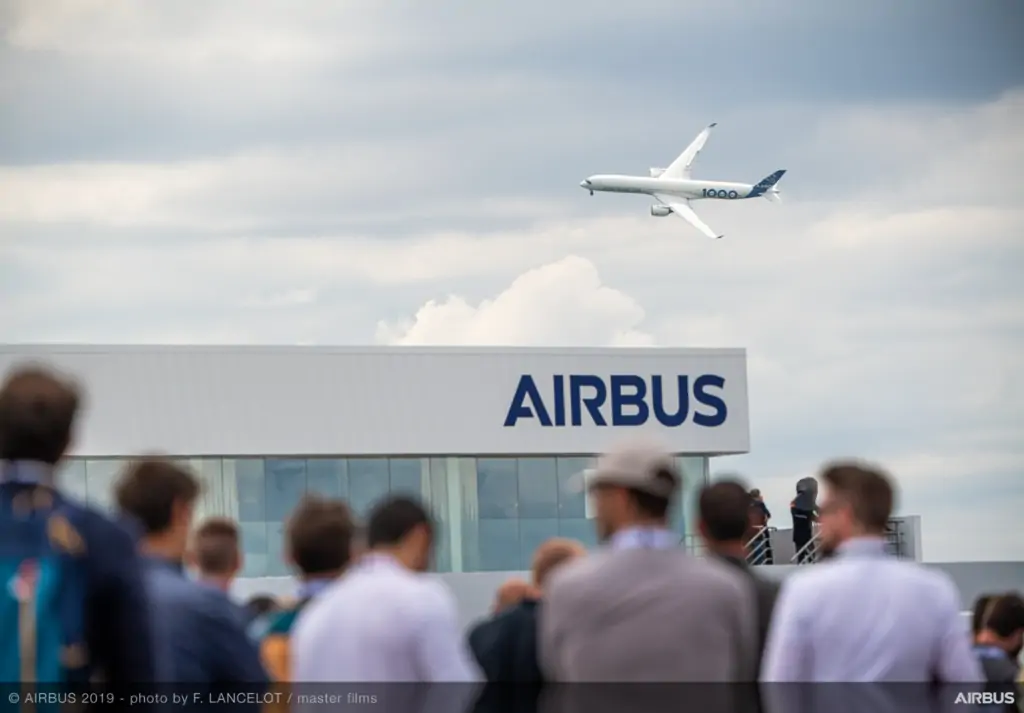
Airbus delivered 64 aircraft in November, down 6% from the same month of 2022, to bring the total so far this year to 623 units. The tally leaves Airbus needing what several analysts say is a relatively achievable 97 deliveries in December to reach its full-year target of 720 deliveries.
That compares with an average of 93 December deliveries for the past three years or a December average of 131 units in the three years before the pandemic, when supply chains were running more smoothly.
Analysts have said Airbus' full-year delivery target is looking increasingly manageable after it missed and eventually abandoned such a goal amid supply problems last year, though CEO Guillaume Faury last week said supply chains remain challenging.
When Airbus published its nine-month update to September 2023, Airbus Chief Executive Officer (CEO), Guillaume Faury, sounded relatively optimistic that the company would reach its target of “around” 720 deliveries by the end of 2023.
Airbus said it had won 1,512 orders so far this year or a net total of 1,395 after cancellations. Airbus also confirmed that it added 113 gross orders to its books, including a repeat order for 30 more A220 aircraft from airBaltic at the Dubai Airshow 2023. Another order at the Dubai Airshow came from Emirates as the airline purchased an additional 15 Airbus A350-900 widebodies.
November's net orders included previously announced new business at the Dubai Airshow and from SMBC Aviation Capital, and reflected an A230neo cancellation from Kuwaiti lessor Alafaco, announced to the Kuwait stock exchange last month. November's data also included the reshuffling of a handful of plane orders between airline group IAG and two of its subsidiaries, British Airways and Aer Lingus.
Boeing 737 Deliveries
On December 6, 2023, Boeing announced that it had delivered 351 of its popular 737 family of twinjets so far in 2023. This total is just 25 airframes short of its revised annual target of 375-400 units targeted for the year.
With 46 new planes reportedly being delivered in November alone, the company remains on track to meet its revised target for the year. The breakdown of November’s deliveries comprised 45 MAX-8 and MAX-9 aircraft and a single 737 NG-based P-8 maritime patrol aircraft.
Boeing has yet to confirm its final figures for November 2023 until December 13, 2023, when it will release the month’s total orders and delivery numbers.
Boeing was forced to adjust its original delivery target for the 737 family program downwards from 400-450 planes to the current estimate in October 2023. About 75% of the 220 737s in Boeing’s inventory at the time required reworking due to the fault and exacerbated an existing issue that involved improperly attached brackets on the 737’s vertical tail, according to Boeing.
Spirit AeroSystems makes 70% of the 737’s structure and uses an automated drilling process that creates an oblong hole (rather than a round hole) on the aft pressure bulkhead if it is not correctly executed.
The flaw led to the need for extensive aircraft inspections, which slowed down the pre-delivery process. Due to the increased inspection times because of the issue, Boeing only managed to deliver 15 Boeing 737s in September and 19 in October 2023.
(With Inputs from Reuters)
Read next
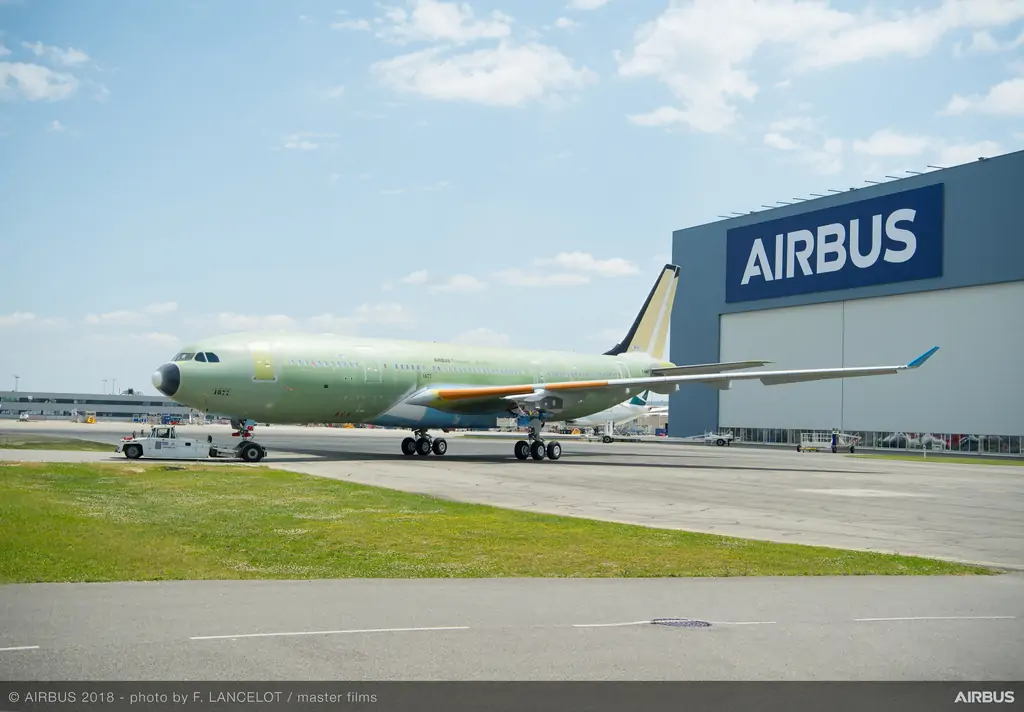
As Airbus prepares for the release of a replacement for its best-selling A320 family of planes, the head of Airbus has stated that it "might need some support" from European governments for a new, multibillion-dollar commercial aircraft development.
Airbus's chief executive Guillaume Faury hinted that the company may seek government support, which is becoming a more contentious topic as governments work to assist the industry in decarbonizing, to introduce a single-aisle aircraft and a shorter-range, hydrogen-powered aircraft.
According to Faury, the European aerospace and military group's robust order book contributed to its financial strength, which enabled it to finance the development of both initiatives.
According to a report by The Financial Times, Disputes over state support for Airbus and its US rival Boeing have caused transatlantic tensions in the past. This year European capitals have clashed with Washington over subsidies in Joe Biden’s USD 369 billion climate law.
Airbus is receiving some research funding from European governments to explore technologies for a plane that could replace the A320 narrow-body aircraft in the second part of the next decade. It is also working on a shorter-range hydrogen-powered aircraft expected to enter service in 2035. Neither programme has yet formally been launched, a process that will require billions of euros in funding.
Faury said he was “very committed” to a previous financing model in which European governments provided loans to build new aircraft, repayable when certain order levels were reached. He added that such a model — known as repayable launch investment — created a “bigger partnership” between Airbus and European governments.
“We need to find acceptable mechanisms to incentivise private sector investment and share risks with governments to support the design and development of new aircraft programmes that will deliver the decarbonisation of aerospace,” he said. Any new such partnership with European capitals could test a 2021 deal to draw a line under years of transatlantic trade disputes.
Airbus Vs Boeing
Almost two decades of disputes over Airbus and Boeing were resolved by the US-EU agreement. According to this, both sides promised that future research and development funding would not harm each other. Both Airbus and Boeing have since begun work on technology, including alternative wing designs, that could replace today’s best-sellers as pressure on the industry to cut carbon emissions rises.
While Airbus is focused on securing support for its research and technology work, any new funding mechanism for development would have to be agreed before the formal launch of its narrow-body programme, likely to be before 2030. Airbus’s financial position has been bolstered by a record backlog of orders — more than 8,000 at the end of October — for both single-aisle and twin-aisle aircraft, according to aviation consultancy Cirium.
It said last month that it would deliver 720 commercial planes by year-end, despite persistent supply chain problems. Faury will relinquish his role as head of the civil aircraft division to Christian Scherer, group chief commercial officer, in January next year. The move is intended to allow him to focus more on Airbus’s strategy and wider operational and geopolitical challenges. The company is restructuring its defence and space division, which generated close to 20% of group revenues of €58.8bn in 2022 and has gained prominence since Russia’s full-scale invasion of Ukraine.
However, Faury has yet to share any details about the possible replacement for its best-selling aircraft, which cumulatively has amassed 17,907 orders since the launch of the A320ceo in 1984 as of October 31, 2023. So far, Airbus has delivered 11,134 A320 family aircraft, which range from the A318 to the A321LR, a derivative of the A321neo.
(With Inputs from Financial Times)
Comment