
Will Open-Rotor Engines Redefine Aviation Efficiency? Airbus, Boeing, and the Future of Jet Engines

Abhishek Nayar
12 Sep 2024

The aviation industry is on the cusp of a technological revolution, with engine manufacturers experimenting with innovative designs that promise to enhance fuel efficiency and reduce emissions. Among these new technologies is the open-rotor engine, which could reshape air travel for decades to come.
However, industry leaders remain divided on its future, particularly regarding its commercial viability. At the recent Global Aerospace Summit, hosted by the U.S. Chamber of Commerce, Airbus Chief Executive Guillaume Faury provided insights into the ongoing testing of open-rotor technology, as well as the broader challenges facing the aviation sector.
The Promise of Open-Rotor Engines
CFM International, a joint venture between GE Aerospace and France's Safran, is currently testing open-rotor technology through its RISE (Revolutionary Innovation for Sustainable Engines) program. This radical engine design features a larger, more visible fan that captures more air, potentially reducing fuel consumption by up to 20%. This advancement aligns with the global aviation industry's commitment to improving efficiency and reducing environmental impact.
Faury expressed optimism about the potential of open-rotor technology, highlighting its possible fuel savings. "We hope it's going to be the case, because it has the potential to be by far more fuel-efficient," he stated. However, he also emphasized that the technology is still in the testing phase, and critical aspects like noise and vibration performance are being evaluated.
Challenges to Commercial Viability
While the potential benefits of open-rotor engines are clear, there are significant hurdles to overcome before they can become commercially viable. Faury remarked that “the jury is out” on whether these engines will be ready for the market. Noise and vibration concerns remain central to the evaluation, and industry insiders indicate that Boeing, one of the world's largest aircraft manufacturers, is less enthusiastic about the near-term viability of open-rotor technology.
A recent Aviation Week report suggested that Boeing may lean towards a more traditional engine design for its next-generation aircraft. This decision could reflect concerns about integrating open-rotor engines into existing airframes and operational constraints, particularly in noise-sensitive areas such as urban airports.
Supply Chain Woes and LEAP Engine Delays

Apart from testing cutting-edge technology, engine makers like CFM are grappling with significant supply chain issues. Faury confirmed that deliveries of CFM’s current LEAP engines, which power all Boeing 737 MAX jets and about half of Airbus’s A320neo fleet, are delayed. These delays have contributed to Airbus lowering its 2024 aircraft delivery target by 30 units, down to 770 aircraft.
Larry Culp, CEO of GE Aerospace, acknowledged the ongoing challenges, citing shortages from top-tier suppliers. Despite the difficulties, he highlighted the progress made in recent months to resolve these constraints, with GE working closely with suppliers to break bottlenecks.
A Fork in the Road: Airbus and Engine Architecture Choices
As Airbus prepares to launch the development of a new aircraft by the end of the decade, the decision on which engine architecture to adopt could shape air travel for years. While CFM leads the charge with its open-rotor design, other manufacturers like Pratt & Whitney and Rolls-Royce are exploring geared turbofan technologies housed in traditional nacelles.
If Airbus chooses to pursue open-rotor engines, it may limit itself to a single supplier, which could affect competition in the market. Historically, Airbus has relied on multiple engine manufacturers to power its aircraft, allowing airlines greater flexibility. However, Faury noted that Airbus might consider going with a single supplier if CFM’s open-rotor technology proves viable.
"We will need from (CFM) a contract, an offer that works in the long term," Faury stated. "If it's not the case, we might be back to more traditional technologies, where two manufacturers compete with each other."
The Stakes Are High for Airbus, Boeing, and the Industry
Decisions made by Airbus and Boeing in the coming years will shape the future of aviation, particularly as medium-haul aircraft remain the most popular products in the market. With China mounting a growing challenge to the duopoly held by Airbus and Boeing, both manufacturers are under pressure to offer innovative solutions that can meet environmental targets while remaining cost-effective for airlines.
Engine architecture, a key component of aircraft design, will play a critical role in determining who leads the aviation market. Analysts suggest that the competition between open-rotor and traditional geared turbofan technologies will drive innovation, but also poses significant risks, as the wrong choice could lead to commercial setbacks.
The Road Ahead: Optimism or Uncertainty?
As CFM celebrates its 50th anniversary, the spotlight is on its open-rotor technology and whether it can deliver on its promise. The aviation industry, including major players like Airbus, remains cautiously optimistic. Testing will continue, but the final verdict on whether open-rotor engines will redefine air travel efficiency remains uncertain. For now, the industry must grapple with both the potential of groundbreaking technologies and the challenges posed by a turbulent supply chain.
The future of jet engines is up for debate, but one thing is clear: the choices made today will shape the aviation industry for generations to come.
With Inputs from Reuters
Read next
Lufthansa Eyes Potential Stake in airBaltic: A Strategic Move in European Airline Consolidation
Abhishek Nayar
12 Sep 2024

The European airline industry has been on a journey of consolidation over the past two decades, and the latest development hints at further integration. German airline giant Lufthansa is reportedly considering acquiring a stake in Latvia's state-owned carrier, airBaltic, ahead of its highly anticipated Initial Public Offering (IPO). This move, still in its early stages, could signify yet another shake-up in the competitive aviation market of Europe.
Lufthansa’s Strategic Interest in airBaltic

According to sources close to the matter, Lufthansa is exploring its options concerning airBaltic's IPO, a significant event expected to impact the European airline landscape. The news, first reported by Bloomberg and confirmed by Reuters, suggests that Lufthansa is in the preliminary stages of evaluating a potential investment.
The acquisition of a stake in airBaltic aligns with Lufthansa’s long-term strategy of strengthening its network through strategic acquisitions and partnerships. Over the years, Lufthansa has absorbed several regional and national airlines, including Swiss and Austrian Airlines, boosting its capacity to compete against low-cost and legacy carriers.
A Fragmented European Airline Industry
Europe's airline sector has undergone gradual consolidation in the past two decades, but it remains fragmented. While industry giants like Lufthansa and the International Airlines Group (IAG) dominate, smaller national carriers struggle to stay afloat, often battling against rising operational costs and increasing competition from budget airlines such as Ryanair and easyJet.
The potential Lufthansa-airBaltic deal would highlight the continuous consolidation trend, with larger airlines absorbing smaller, regional competitors to ensure greater network efficiency and market share.
airBaltic’s Position: A Valuable Regional Asset

Latvian carrier airBaltic has carved out a niche as a leading player in the Baltic and Northern European markets. The airline, under the leadership of CEO Martin Gauss, has successfully expanded its routes and modernized its fleet, becoming one of the most reliable carriers in the region.
In a March interview with Reuters, Gauss expressed openness to airBaltic becoming part of a larger airline group, referencing Lufthansa and IAG’s past acquisitions of Swiss and Iberia, respectively. “We are a successful regional carrier with a solid foundation, and being part of a larger group could benefit both airBaltic and its future stakeholders,” Gauss said.
airBaltic's Upcoming IPO: A Turning Point
airBaltic's planned IPO could be a pivotal moment in its corporate history, opening the door for new investors to capitalize on the airline’s growth trajectory. An investment from Lufthansa, especially before the IPO, would be a game-changer, potentially making airBaltic an even more attractive option for public and private investors.
If Lufthansa moves forward with acquiring a stake, it could trigger further consolidation across Europe’s aviation market, encouraging other major carriers to explore similar investments.
A Broader Industry Impact
Lufthansa’s potential interest in airBaltic comes amid a wave of changes across Europe’s aviation landscape. With an increasing focus on cost efficiency, network synergies, and sustainability, the industry is rapidly evolving. Consolidation allows major airlines to optimize their operations while extending their geographical reach.
In the context of these industry shifts, a Lufthansa-airBaltic partnership could redefine air travel in Northern Europe. The alliance would provide passengers with access to a broader route network and enhance the overall customer experience while providing airBaltic with the financial backing and resources to remain competitive in the increasingly crowded skies.
Final Thoughts: Will Lufthansa Seal the Deal?
While Lufthansa is only in the early stages of evaluating its stake in airBaltic, the possible investment has already garnered significant attention in the aviation community. With Europe’s airlines still adjusting to post-pandemic recovery efforts and navigating complex economic pressures, a strategic partnership like this could have wide-reaching effects.
As the industry continues to consolidate, all eyes are on whether Lufthansa will move forward with this high-stakes investment, potentially setting the stage for the next big chapter in European airline consolidation.
With Inputs from Reuters
Read next
Will Boeing’s 737 MAX Production Cap Be Lifted? FAA Demands Major Safety Overhaul
Abhishek Nayar
12 Sep 2024
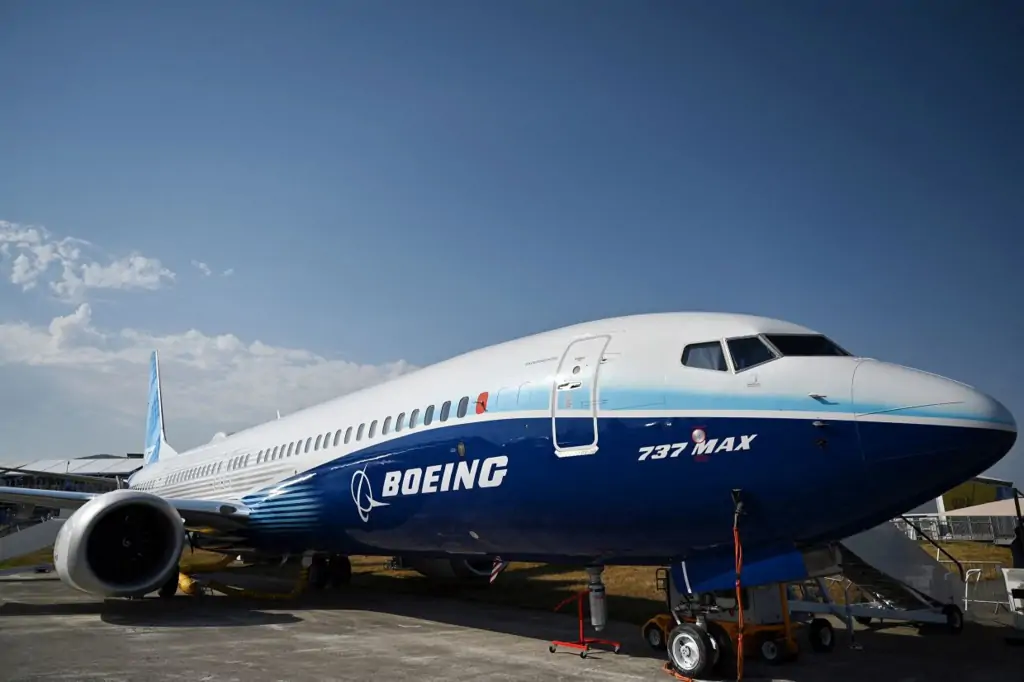
Boeing's 737 MAX aircraft is once again under scrutiny as the Federal Aviation Administration (FAA) has capped production of the aircraft, citing ongoing concerns about the planemaker's safety processes. The decision, led by newly appointed FAA Administrator Mike Whitaker, signals the seriousness of quality control issues within Boeing. With Boeing’s new CEO Kelly Ortberg at the helm, will the company be able to satisfy the FAA's strict requirements to resume full production?
FAA's Stringent Oversight: Why Was Boeing’s Production Capped?
In an unprecedented move, Mike Whitaker, just months into his role as FAA Administrator, placed a cap on Boeing’s 737 MAX production at 38 planes per month following a safety incident. The January 5 in-flight emergency involving an Alaska Airlines Boeing 737 MAX 9 raised alarms, compelling Whitaker to act swiftly. The FAA demanded that Boeing present a comprehensive plan addressing systemic quality-control concerns, giving the planemaker 90 days to rectify issues that could potentially jeopardize safety.
Boeing's Response: What Does the Quality Plan Entail?
Boeing submitted its safety and quality improvement plan to the FAA on May 30, aiming to satisfy the agency's stringent demands. CEO Kelly Ortberg, who assumed his position on August 8, has made significant efforts to shift the company's focus towards building a stronger safety culture. In a recent email to employees, Ortberg stressed the importance of empowering staff to report potential issues and ensuring the right resources are deployed to solve them.
The crux of Boeing’s plan revolves around a genuine cultural transformation, including more proactive communication about safety concerns, rigorous quality assessments, and dedicated resources to handle production challenges effectively.
Quarterly Meetings: How Will Boeing Be Held Accountable?
To maintain accountability, Whitaker announced that quarterly meetings would be held with Boeing’s leadership. The first of these meetings is scheduled for September in Seattle, where the FAA and Boeing executives will review the progress made on Boeing’s turnaround plan. Whitaker has emphasized that past safety reform efforts at Boeing have fallen short, and that the FAA will be vigilant this time to ensure proper execution.
Whitaker’s insistence on hands-on oversight, including increased in-person inspections, signifies a heightened level of scrutiny. The FAA's ultimate goal is to ensure that Boeing’s safety metrics align with regulatory standards before the production cap can be lifted.
Legal Complications: What Role Does the Justice Department Play?

The FAA isn’t the only entity concerned about Boeing’s safety practices. The U.S. Department of Justice (DOJ) has also been involved, launching its own monitoring protocols. This interest stems from Boeing’s July agreement to plead guilty to a criminal fraud conspiracy charge, which included a $243.6 million payment. The charges underscore deeper, systemic issues within Boeing that have long plagued the company.
While Boeing has committed to cooperating with both the FAA and DOJ, the simultaneous pressure from these powerful entities will require substantial and verifiable changes within the planemaker’s operations.
CEO Kelly Ortberg's Strategy: Can He Turn Things Around?
Kelly Ortberg’s leadership will be instrumental in Boeing’s recovery. With his recent appointment, Ortberg has outlined a clear focus on improving internal communication and empowering employees to speak up about potential safety concerns. His approach has been characterized as one that seeks to rebuild trust not only within the company but also with regulators and the broader public.
Ortberg’s strategy will hinge on two critical elements: ensuring employees feel confident in reporting potential safety risks and creating an environment that prioritizes addressing those risks immediately.
What Lies Ahead: Will the Production Cap Be Lifted?
As Whitaker has made clear, the FAA’s top priority is safety. Boeing's production cap will only be lifted if the FAA is confident that the planemaker has successfully addressed its systemic quality-control issues. While Whitaker’s decision to cap production was driven by immediate safety concerns, the FAA's ongoing oversight reflects its broader goal of ensuring that Boeing’s safety metrics meet industry standards.
With quarterly reviews and increased collaboration between the FAA, Boeing, and the DOJ, the future of Boeing’s 737 MAX production remains uncertain. For now, all eyes are on Ortberg and his leadership team as they work to prove that Boeing can uphold its commitment to safety and regain the FAA's trust.
Conclusion
Boeing’s 737 MAX saga continues to unfold, with significant challenges ahead. The FAA’s production cap highlights the severity of the situation, but with CEO Kelly Ortberg’s focus on a genuine cultural shift and a robust safety turnaround, Boeing may be able to navigate these turbulent skies. The upcoming quarterly review in Seattle will provide the first glimpse of whether Boeing is on the right track — or if more turbulence is ahead.
Will Boeing rise to the challenge and regain its position as a leader in aircraft manufacturing? Only time will tell. For now, safety remains the top priority.
With Inputs from Reuters
Read next

As part of its transformation, Air India Express, a key player in India's aviation industry and a subsidiary of the Tata Group, is preparing for a significant shift in its service model. The airline is set to eliminate business class seating from its fleet by 2025. This strategic move comes as the airline nears the completion of its merger with AIX Connect, formerly known as AirAsia India, in October 2023. According to a senior airline official, the decision reflects Air India Express's vision to focus solely on economy class offerings.
The Growing Fleet of Air India Express
Currently, Air India Express boasts a fleet of 85 aircraft, comprising 25 Airbus A320 family planes and 60 Boeing 737s. However, by the end of 2024, this number is expected to surge to around 100. A noteworthy aspect of this expansion is the introduction of 34 white tail Boeing 737-8 aircraft, which were originally manufactured for other airlines but were later acquired by Air India Express.
Out of these 34 aircraft, 29 come with business class seating. By the end of this year, the total number of white tail aircraft with business class seats is expected to rise to 50. However, these seats are on borrowed time, as the airline plans to reconfigure these aircraft to remove business class by 2025.
What are White Tail Aircraft?
White tail aircraft are planes that were initially produced for a specific airline but, for various reasons, were never delivered to the original buyer. These aircraft are then sold to other airlines, often at discounted prices. In the case of Air India Express, this practice has allowed the airline to quickly expand its fleet. However, some of these white tail planes come with business class configurations, which do not align with the airline's future strategy.
Why Phasing Out Business Class Makes Sense
Air India Express has made a name for itself as a low-cost carrier, offering affordable fares on both domestic and international routes. The inclusion of business class, with its premium pricing and amenities, does not fit the low-cost model. Phasing out business class seats will enable the airline to focus on its core offering—affordable and efficient travel for the masses.
Navigating Supply Chain Challenges
The global aviation industry is facing supply chain disruptions, causing delays in aircraft deliveries and a shortage of planes amid rising air travel demand. These challenges, triggered by the post-pandemic surge in air traffic, are being managed by Air India Express through its acquisition of white tail aircraft and a flexible fleet strategy.
More Planes on the Horizon

In a bold move, Air India, the parent company of Air India Express, placed an order for 470 aircraft in February 2023—a significant step in scaling up its operations. The order includes 250 planes from Airbus and 220 from Boeing, with 400 being narrow-body aircraft, which are ideal for short to medium-haul routes.
The Big Four Airlines of Tata Group
Tata Group now controls four airlines: Air India, Vistara, Air India Express, and AIX Connect. While the merger of Air India Express with AIX Connect is scheduled for completion by October 1, the much-anticipated merger of Vistara with Air India is expected to be finalized by November 12, 2023.
These mergers are expected to bring operational efficiencies, streamline services, and enhance customer experiences, as Tata Group continues to consolidate its position in the highly competitive Indian aviation market.
What’s Next for Air India Express?
As Air India Express embraces its new identity post-merger, customers can expect a refreshed focus on economy travel. By 2025, all of the airline’s aircraft will be reconfigured to eliminate business class, underscoring the brand’s commitment to cost-effective air travel. This strategic decision aligns with the airline's mission to provide an affordable flying experience, while still offering reliable service on both domestic and international routes.
With over 380 daily flights connecting 32 domestic and 14 international destinations, Air India Express remains a major player in India’s aviation landscape. As the merger with AIX Connect approaches, and the fleet expands to nearly 100 aircraft, the airline is positioning itself for an exciting new chapter.
Conclusion: A Sky Full of Possibilities
The aviation industry is undergoing rapid change, and Air India Express is navigating these skies with a clear vision. Phasing out business class, expanding its fleet, and streamlining operations are all part of the airline’s bold strategy to thrive in the post-pandemic world. Whether you're flying domestically or internationally, Air India Express is focused on getting you there economically—without compromising on comfort or safety.
As we move closer to 2025, passengers can expect a leaner, more efficient airline dedicated to serving the needs of modern travelers.
Read next

In a surprising turn of events earlier this year, IndiGo, India’s largest airline, found itself in hot water with the Bureau of Civil Aviation Security (BCAS). The incident involved passengers sitting on the Mumbai airport tarmac, some even having food after a flight was diverted. What led to this unusual scenario, and how did the airline respond to the significant penalty imposed? Let’s take a closer look.
The Tarmac Incident: What Really Happened?
On January 14, 2024, a Goa-Delhi IndiGo flight was diverted to Mumbai due to dense fog at the Delhi airport. After a long delay, passengers, frustrated and exhausted, rushed out of the aircraft upon landing and sat on the airport tarmac. Photos and videos surfaced showing some passengers having food on the tarmac, drawing attention to the unusual situation.
The Regulatory Response: Why Did BCAS Impose a Penalty?
Following the incident, the BCAS launched an investigation into the security breach. On January 18, 2024, the regulator imposed a hefty fine of Rs.1.2 crore on IndiGo. The penalty was based on security lapses concerning the passengers’ behavior on the tarmac, which is typically a restricted zone for safety reasons. The airline was issued a show cause notice before the fine was imposed.
Why Is the Tarmac a Restricted Zone?
Airport tarmacs are sensitive and highly regulated areas. Unauthorized movement of people in this zone can pose significant safety and security risks. The fact that passengers could exit the aircraft and sit on the tarmac suggested lapses in the airline’s control of the situation, prompting regulatory action.
Reduced Penalty: What Led to the Reduction from Rs.1.2 Crore to Rs.70 Lakh?

IndiGo, in response to the fine, filed an appeal with BCAS seeking a review. On August 12, 2024, BCAS agreed to reduce the penalty amount to Rs.70 lakh. While the exact reasoning behind the reduction wasn’t detailed, it is likely that IndiGo presented legal arguments that persuaded the regulator to revise the penalty.
IndiGo’s Response: Delay in Public Disclosure
Although the fine was reduced, IndiGo faced another issue—a delay in disclosing the information to the Bombay Stock Exchange (BSE). According to IndiGo’s filing, the delay occurred as the airline was “in the process of reviewing the legal remedies available” against the BCAS order. After completing its internal review, the airline paid the Rs.70 lakh penalty on September 10, 2024, and made the disclosure public.
What Does This Mean for Passengers and Airlines?
This incident raises questions about how airlines manage challenging situations, such as long delays and diversions. It also highlights the importance of adhering to security protocols, particularly in sensitive areas like airport tarmacs.
For passengers, it serves as a reminder to remain patient and follow safety instructions, even in frustrating circumstances. For airlines, it underscores the need for clear communication and robust procedures to prevent security lapses.
Conclusion: A Lesson in Security and Communication
The IndiGo tarmac incident offers valuable lessons in airport security and airline crisis management. While the Rs.70 lakh penalty has been paid, the incident serves as a reminder that both airlines and passengers must uphold safety standards to ensure smooth operations. The regulatory action by BCAS reflects the importance of strict adherence to aviation security protocols, and this case will likely influence how similar situations are handled in the future.
Read next
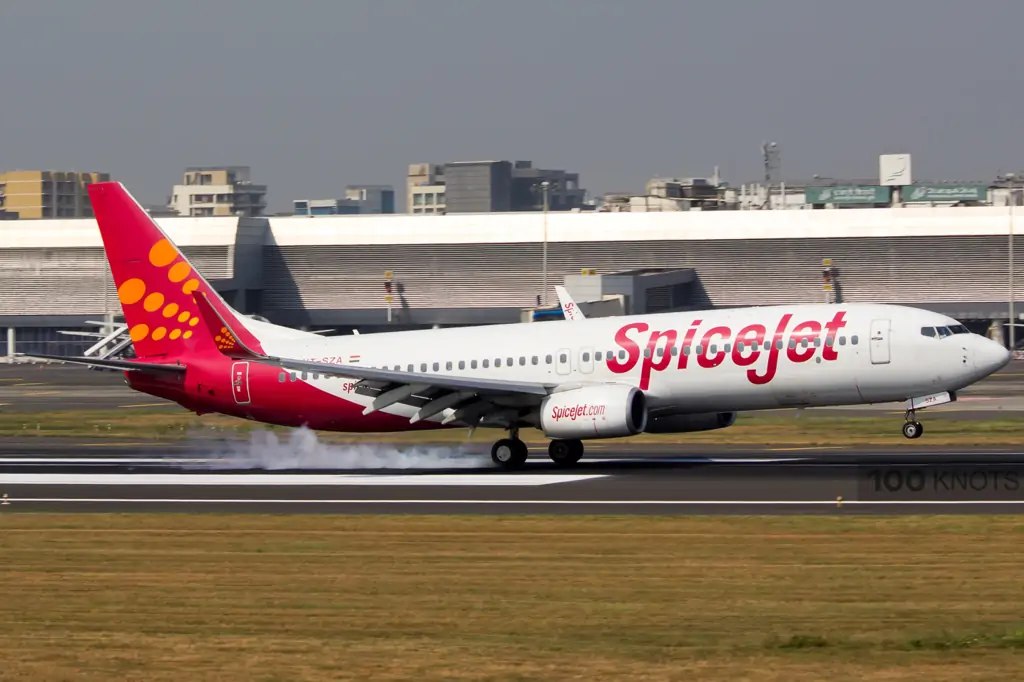
In a bid to regain its footing in the competitive aviation industry, SpiceJet has announced plans to raise a staggering INR 32.36 billion (USD 385.4 million) to cover critical expenses, including settling liabilities, ungrounding its fleet, and adding new aircraft to its lineup. The low-cost carrier laid out its strategy during a presentation to investors on September 6, as it seeks fresh capital to breathe new life into its operations.
With a series of financial hurdles and a shrinking fleet over the years, the airline is making a determined push for a revival, showcasing bold initiatives to woo investors. But will these moves be enough to take SpiceJet to new heights?
The Capital Raising Blueprint
The proposed capital infusion is split into two major parts:
- INR 25 billion (USD 298 million) via a qualified institutional placement (QIP).
- INR 7.36 billion (USD 87.7 million) from previous warrants and additional funding from the airline's founder, Ajay Singh.
The airline's leadership made it clear that these funds are essential to restore the company’s standing by ungrounding many of its aircraft, increasing market presence, and settling hefty dues.
Liability Settlement and Fleet Revival
SpiceJet's operational fleet has faced a steep decline, shrinking from 74 aircraft in 2019 to just 28 operational planes in 2024. A further 36 aircraft remain grounded due to unpaid dues to Maintenance, Repair, and Overhaul (MRO) providers and aircraft lessors. This represents a colossal INR 37 billion (USD 440.7 million) owed to these stakeholders, along with INR 6.5 billion (USD 77.4 million) in outstanding statutory dues.
The airline’s key strategy to address these financial challenges includes:
- Settling existing liabilities with lessors to bring back grounded aircraft into service.
- Boosting revenue by deploying additional aircraft on the most profitable routes.
- Cutting costs through vendor debt repayment and rationalizing expenses to lower financing costs.
Fleet Expansion and Growth Potential

SpiceJet has made it clear that fleet ungrounding and expansion will be critical to its turnaround. The airline’s management told investors that by resuming service on grounded planes and inducting new aircraft, it would significantly enhance operational efficiency and increase revenue potential.
In line with this strategy, the airline is also exploring opportunities to expand its market presence. A focus on profitable domestic routes is the immediate priority, but there are also considerations for long-haul flights to Europe and North America, tapping into high-demand international travel.
Cost Optimization and Ancillary Revenue Streams
The turnaround plan extends beyond simply adding planes. SpiceJet also aims to:
- Enhance ancillary revenue through loyalty programs, cargo services, and co-branded cards.
- Optimize costs through restructuring its financial obligations, cutting inefficiencies, and better managing its cash flow.
By diversifying its income sources, SpiceJet hopes to secure a stronger financial footing, lessening its dependence on traditional passenger revenue.
Challenges in Raising Capital

SpiceJet’s previous attempts to raise capital this year have faced hurdles. The airline had originally aimed to secure INR 22.5 billion (USD 268 million) via preferential issues but managed only INR 10.6 billion (USD 126.2 million) after a key investor pulled out. Despite this, SpiceJet's board approved another INR 30 billion (USD 357.3 million) capital raise through institutional placements in July.
Founder Ajay Singh, who currently holds a controlling stake in the airline, is also playing an active role in securing funds. Singh announced his intention to sell a 10% stake in the company to help meet the airline's financial needs. However, this revised fundraising plan still requires shareholder approval before it can move forward.
Deal with Carlyle Aviation Partners
In another significant development, on September 6, SpiceJet informed the Bombay Stock Exchange about a key agreement with Carlyle Aviation Partners. The airline signed a term sheet to restructure USD 137.68 million worth of lease obligations into a reduced amount of USD 97.51 million. This move will help lighten the debt burden, allowing the airline more flexibility in its financial operations.
What Lies Ahead for SpiceJet?
While SpiceJet’s turnaround strategy appears well thought out, its success will hinge on several factors: successful capital raising, efficient fleet utilization, and the ability to execute long-haul flights and diversify revenue streams. For investors, the airline presents both an opportunity and a risk—a bet on whether it can navigate through turbulent financial skies to a more profitable horizon.
As SpiceJet prepares to put its plans into action, all eyes will be on how effectively it can rebuild its operations, regain market share, and position itself for sustained growth in the ever-challenging airline industry.
Will this bold capital infusion be the lifeline SpiceJet needs to soar again, or will the airline continue to face headwinds? Investors are watching closely.
With Inputs from ch-aviation
Comment