
First Air India Flight Carrying 212 Indians Lands at Delhi Airport Under Operation Ajay; Total 7 Flights to be Operated

Radhika Bansal
13 Oct 2023
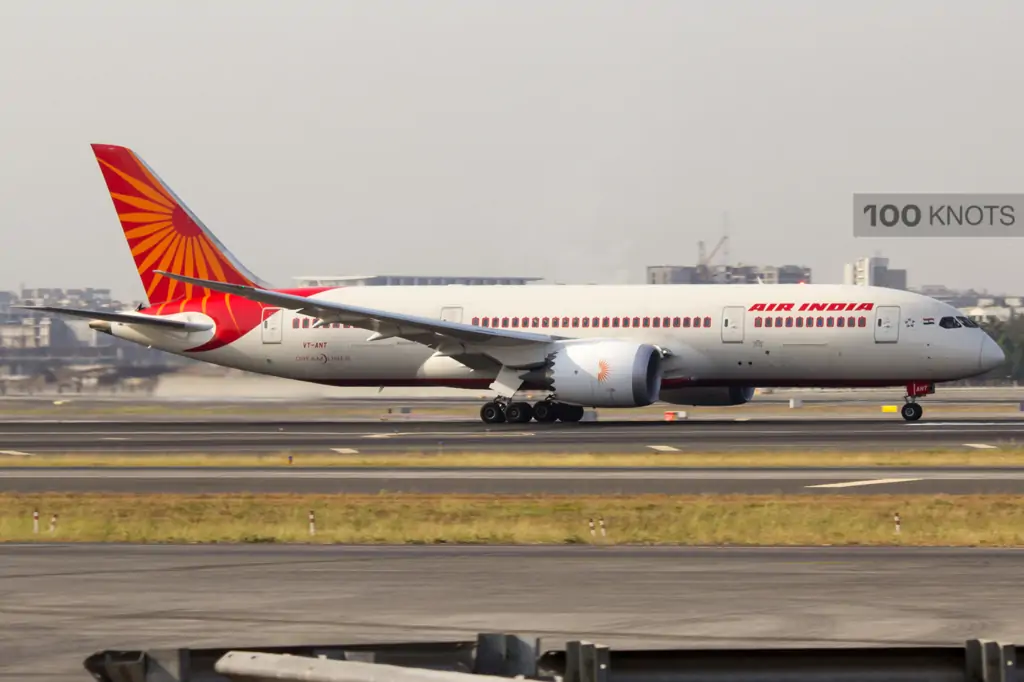
Around 212 Indian nationals were flown into India by a special flight from Tel Aviv early on Friday, October 13 morning. The flight, AI 1140, operated by Air India B787, has been chartered under Operation Ajay, and left for Israel on Thursday, October 12. The Indian government's maiden charter flight operation from Israel is aimed at assisting Indian citizens caught in the ongoing conflict in the region. The flight, which departed in the evening, carried 211 adults and one infant, all of whom were residents of the conflict-ridden area.
The selection of passengers for this special flight was based on a "first come, first serve" criterion, following an appeal by the Indian embassy for all Indian nationals to register in the mission's database. Notably, the Indian government has undertaken the financial responsibility for their repatriation. This initiative became imperative as Air India suspended its services on the very day the conflict erupted, on October 7, leaving numerous Indian citizens stranded without means of return.
External Affairs Minister S Jaishankar conveyed, "Operation Ajay gets underway. 212 citizens onboard the flight are en route to New Delhi," in a post on X. The Indian embassy in Israel also extended its best wishes to the passengers, stating, "The first flight of Operation Ajay carrying 212 Indian nationals has departed from Tel Aviv to Delhi."
At the departure point, a substantial number of Indian citizens, including students, assembled to board this specially arranged flight under the 'Operation Ajay' banner, originating from Tel Aviv.

Notably, there are around 18,000 Indians in Israel including students, professionals, and traders. The MEA data on overseas Indians shows there were 12,467 non-resident Indians in Israel as of February. However, the latest estimates indicate that at least 18,000 Indians are currently in Israel. According to Israel Malayali Federation officials, there are 6,000-6,500 people from Kerala in Israel, a majority of whom are caregivers.
The backdrop to this repatriation mission is the ongoing conflict between Israel and the Islamic militant group, Hamas. The situation escalated on October 7 when Hamas fighters breached the border and infiltrated Israel through various means. Tragically, the conflict has resulted in a significant loss of life, with more than 1,300 people, including 222 soldiers, losing their lives in Israel, marking the highest death toll since the 1973 war with Egypt and Syria. In the Hamas-ruled Gaza Strip, at least 1,417 people, including women and children, have reportedly lost their lives.
Despite the sombre circumstances, there was a discernible sense of relief and unity among the returning Indian citizens, who chanted patriotic slogans during the flight. Shubham Kumar, a student on the flight, expressed gratitude, stating, "We are thankful to India. Most of the students were somewhat panicked. Suddenly, we received a notification with links for every Indian citizen from the embassy of India, which significantly boosted our morale."
Another student revealed that he had been leading a normal life in northern Israel but decided to return home after receiving an email from the Indian embassy. "I am happy to go home but saddened by the challenges here," he said.
The Indian embassy had sent emails to the first group of registered Indian citizens for this special flight, with plans for subsequent flights to accommodate others who had registered. External Affairs Minister Jaishankar officially announced the launch of 'Operation Ajay' on Wednesday, October 11, emphasizing the government's unwavering commitment to the safety and well-being of its nationals abroad.
The second flight is scheduled for the following day, with registrations available on a "first come, first serve" basis. Ben Gurion International Airport, situated on the northern outskirts of the city of Lod, served as the departure point for this vital operation. While Israel's retaliatory actions in Gaza continued, there was a noticeable reduction in rocket attacks from Gaza. Notably, no rockets were fired on Israel between 10 PM on Wednesday and 9 AM on Thursday, leading analysts to speculate that Hamas may be reserving its stockpile for a potential ground incursion.
Air India operating rescue flights
Air India will be operating seven flights to Tel Aviv to airlift Indian citizens from Israel, people aware of the development said. Air India has suspended its flights from the Israeli capital till 14 October. The MEA said more such “ferry flights” were expected to be finalised in the coming days, while possible assistance from the Indian Air Force (IAF) was not ruled out.
However, the MEA did not term the operation as an evacuation mission. Instead, it said the operation was an effort to assist those Indian nationals who wanted to come back. This makes ‘Operation Ajay’ different from ‘Operation Ganga’, the last such airlift of Indians, from Ukraine in March 2022. Back then, the government had directed Indian students in Ukraine to evacuate to specific cities from where they were bussed to neighbouring countries before being flown back on IAF aircraft as well as commercial flights of Air India, Indigo, and GoAir.
In an alert this week, OPS Group, a platform for information exchange between pilots, air traffic controllers and dispatchers, warned members that Tel Aviv airspace is high-risk, while Israel’s aviation authority has advised airlines still flying in its airspace to carry extra fuel as delays are to be expected.
Read next
IndiGo Flight Cancellation & Delays Affect 76,000 Passengers; Air India Denies Boarding to 450 Passengers
Radhika Bansal
13 Oct 2023
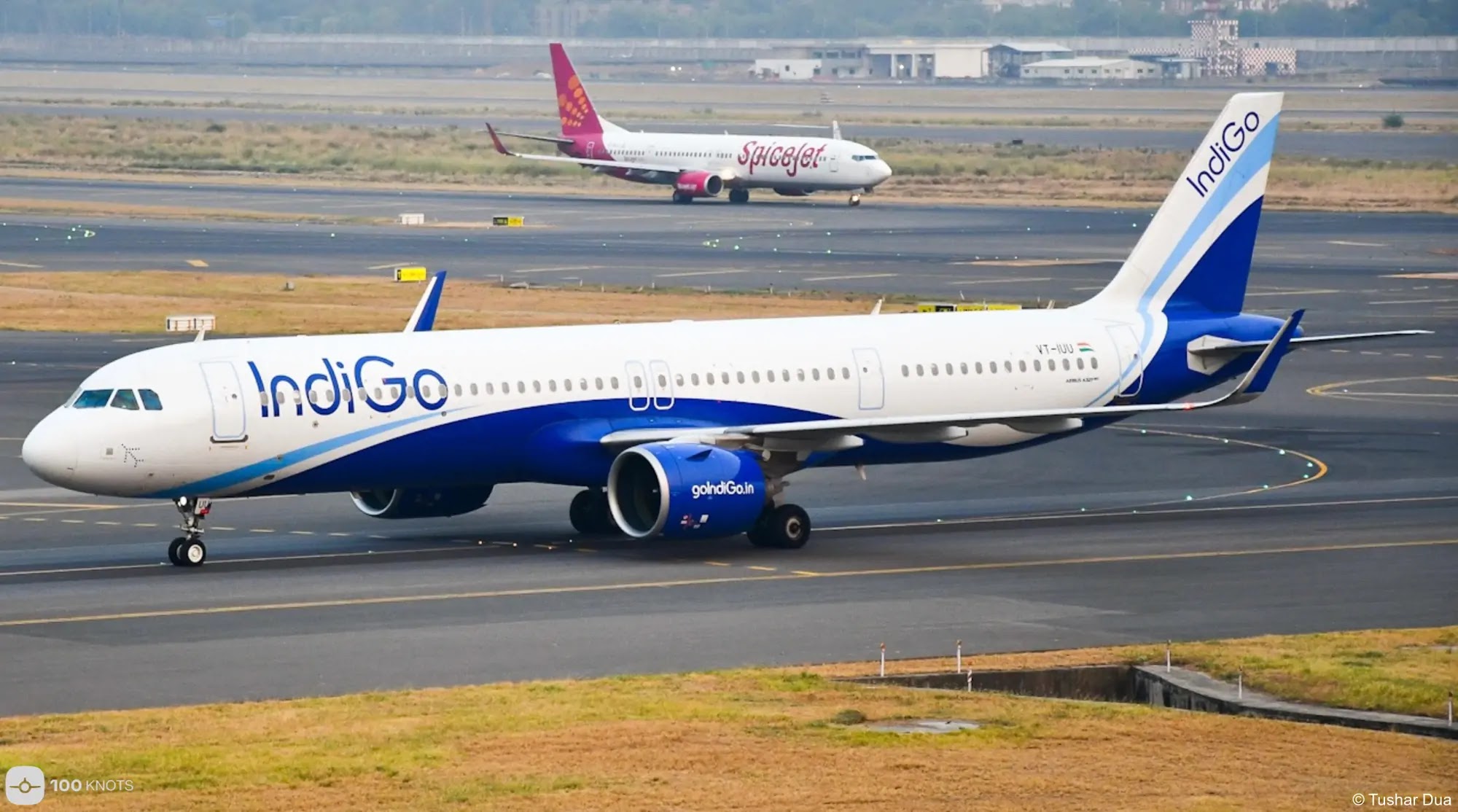
Over 76,000 passengers of budget carrier IndiGo were affected due to the airline cancelling its flights or delaying them by more than two hours in September, while Tata-owned Air India denied boarding to 450 passengers during the month, DGCA data revealed on Thursday, October 12. Notably, from January to September this year, IndiGo, a budget airline, secured a 59.9% market share by flying 676.28 lakh passengers while Air India, owned by the Tata Group, carried a total of 105.46 lakh passengers, with a market share of 9.3%.
According to the data, India's domestic air passenger traffic grew 29.10% at 1.22 crore in September, against 1.03 crore in the same month of the last year, with IndiGo commanding a whopping 63.4% of the total traffic.
Of the total 76,612 passengers affected, 50,945 passengers were affected after IndiGo cancelled its flights altogether in September, while another 25,667 passengers were affected due to the Gurugram-based budget airline delaying its flights by more than two hours during the month, according to data.
According to data released by the Directorate General of Civil Aviation (DGCA), during September, a total of 246 passenger-related complaints were received by the scheduled domestic airlines. "The number of complaints per 10,000 passengers carried for September 2023 has been around 0.20. The major reasons for complaints are flight problems. Airlines have received a total of 246 complaints, out of which 242 (approx. 98%) have been addressed," the data claimed.
At the same time, while it provided alternative flights and full refunds to the passengers affected by flight cancellations, the airline served only refreshments to the passengers for the delayed (by more than two hours) flights, The Directorate General of Civil Aviation (DGCA) data revealed.
Significantly, as many as 46 of its 334 aircraft are currently on the ground owing to various supply chain issues as of date, as per the aircraft fleet tracking website Planespotters.
Market Share of Indian Carriers
Besides IndiGo, 24,758 passengers of Air India and another 24,635 passengers of SpiceJet were affected on account of their airlines delaying some of their flights by more than two hours in September, as per data. However, Air India offered them flights on other airlines, served them refreshments and lunch and spent INR 5.27 lakh on facilitation, as part of mitigating efforts. SpiceJet on its part, spent INR 45.78 lakh on the facilitation of passengers besides providing them with alternative flights and refreshments, according to DGCA.
Meanwhile, maintaining its leadership in the domestic air passenger traffic, IndiGo flew 77.70 lakh passengers during September, followed by Vistara (12.29 lakh passengers), and Air India (11.97 lakh passengers), respectively.
Vistara and Air India had a market share of 10% and 9.8%, respectively, during the previous month, as per DGCA data. Air India subsidiary AirAsia India, which has now become AiX Connect, transported 8.16 lakh passengers with a 6.7% market share.
The two other no-frills carriers -- SpiceJet and Akasa Air, carried 5.45 lakh and 5.17 lakh passengers on their flights, respectively, with a market share of 4.4% and 4.2%, during September, as per DGCA data.
IndiGo delivered the highest on-time performance at 83.6% from four key airports -- Delhi, Mumbai, Bengaluru and Hyderabad -- in the previous month. In comparison, Vistara had a 92% load factor on its planes, the highest among all domestic airlines during the month, the DGCA data showed.
Read next
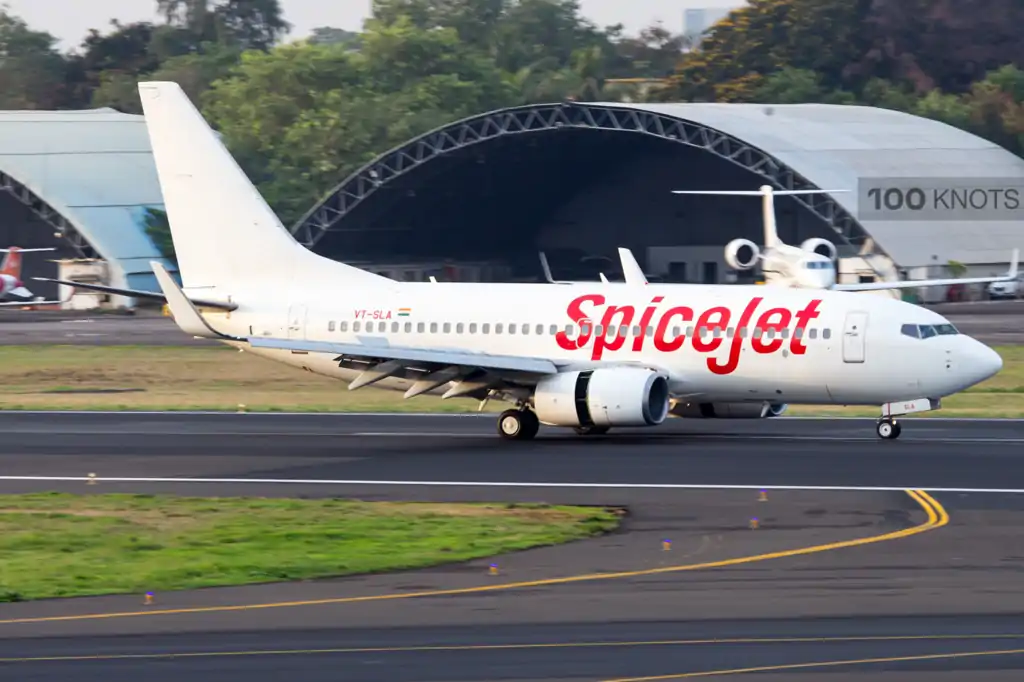
As the winter season approaches, SpiceJet, one of India's prominent low-cost carriers, is making strategic moves to bolster its capacity. In anticipation of the surge in passenger traffic during the festive season, the airline is actively leasing additional aircraft and reintroducing grounded ones into its fleet.
Leasing 11 Aircraft for Expanded Capacity
In a bid to enhance its capacity, SpiceJet has embarked on a leasing spree, acquiring ten Boeing B737s and an Airbus A340. The induction of these aircraft into the fleet has already commenced, with three B737s and one A340 currently in operation. According to people acquainted with the issue, SpiceJet is also aiming to enhance capacity by reintroducing 10 grounded aircraft into the fleet. This strategic move aims to fortify the airline's position as it prepares for an anticipated increase in passenger numbers during the upcoming winter season.
Strategic Alignment with Festive Season
This year, the Indian festive season aligns perfectly with the airline industry's expectations. Traditionally, an influx of travelers is witnessed during the festive period, particularly during Diwali. As a source notes, "Unlike the previous year when we had an early Diwali, the festive season this year is perfectly aligned for the airline industry." This alignment is set to span all three months of the following quarter, making it a crucial period for SpiceJet.
Additional Demand Factors
Apart from the festive season, several other factors contribute to the anticipated increase in air travel demand. The Cricket World Cup, school vacations, and office breaks are all expected to play a significant role in boosting passenger numbers. SpiceJet recognizes these factors and has initiated the introduction of the leased B737s to cater to the heightened traffic, starting in September 2023.

Legal Challenges and Resolutions
Despite its strategic capacity expansion plans, SpiceJet faces legal challenges. This year, four aircraft lessors filed an insolvency petition against the airline for nonpayment of dues. Aircastle Ireland Ltd., Willis Lease Corporation, Wilmington, and Celestial sought SpiceJet's admission to the insolvency process to recoup their losses. However, in recent developments, SpiceJet announced a resolution to its dispute with Celestial Aviation Services, opting for an out-of-court settlement. This resolution marks a positive step in addressing the legal issues the airline has faced.
Market Share and Competition
In terms of market share, SpiceJet has held the fifth-largest position in India, with a share of 4.4%, according to the Directorate General of Civil Aviation (DGCA). Despite experiencing some turbulence in June and July 2023, the airline regained its competitive edge, surpassing the newly launched Akasa airline in terms of market share.
Conclusion
As SpiceJet readies itself for the busy winter season, its proactive approach to leasing additional aircraft and reintroducing grounded ones into its fleet showcases its commitment to meeting heightened demand. With festivals, the Cricket World Cup, and other contributing factors on the horizon, the airline is positioning itself strategically to cater to a surge in passengers. While legal challenges persist, SpiceJet's resolution with Celestial Aviation Services signals its intent to address these issues and focus on the skies ahead.
In a competitive market, SpiceJet's ability to adapt and expand its capacity will likely play a crucial role in maintaining its market share and serving the growing needs of travelers during the upcoming season.
With Inputs from CNBC TV18
Read next
Boeing Expands Inspections to Address Production Defect in 737 MAX8 Aircraft

Abhishek Nayar
13 Oct 2023
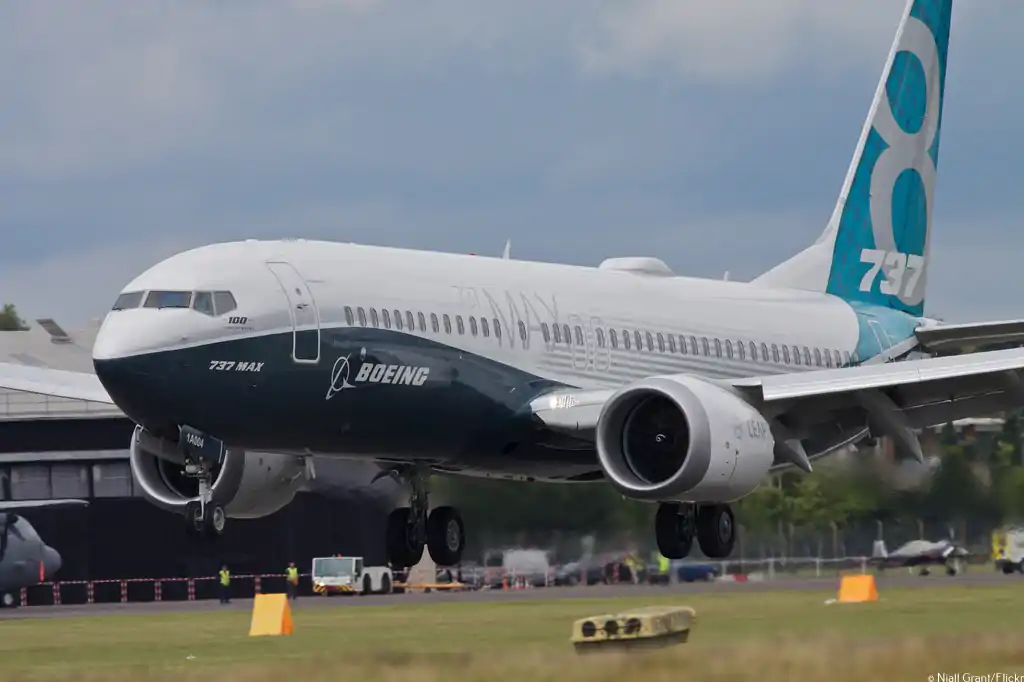
Boeing and its supplier, Spirit AeroSystems, have extended the scope of inspections aimed at rectifying a production defect that affects the Boeing 737 MAX 8 aircraft. The aerospace giant initially identified this quality issue in August, which involved improperly drilled holes on the aft pressure bulkhead due to an automated drilling process.
Background on the Production Defect
In August, Boeing uncovered a new quality problem within its highly popular 737 MAX aircraft. This issue was linked to Spirit AeroSystems, a key supplier to Boeing, and involved the improper drilling of holes on the aft pressure bulkhead. This component is critical for the structural integrity and safety of the aircraft.
Expanding Inspection Efforts
As part of its commitment to delivering safe and high-quality aircraft, Boeing has decided to expand its inspection efforts. Originally focused on automated drilling processes, these inspections will now encompass hand-drilled holes as well. This broader approach aims to ensure that all affected components meet Boeing's stringent standards and regulatory requirements.
Collaboration with Regulatory Authorities
Boeing has actively engaged with the Federal Aviation Administration (FAA) to report its initial findings and progress in addressing the production defect. This collaboration with regulatory authorities is essential to maintaining safety standards and ensuring that affected customers are well-informed about the delays.

Impact on Deliveries
The production defect has had a noticeable impact on deliveries of the Boeing 737 MAX 8 aircraft. In September, deliveries dropped to their lowest levels since August 2021. The company is grappling with the complex work required to rectify the manufacturing defect, which has led to extended delays for customers awaiting their aircraft.
Boeing's Response
Despite the challenges posed by the production defect, Boeing's Chief Financial Officer, Brian West, has expressed confidence in the company's ability to meet its annual delivery target of 400-450 jets for the 737. However, approximately 165 Boeing 737 MAX aircraft in production require time-consuming x-ray inspections before they can be delivered to customers.
Conclusion
The expansion of inspections by Boeing and Spirit AeroSystems to address the production defect affecting the 737 MAX 8 aircraft underscores their commitment to safety and quality. While this issue has led to delivery delays and increased workload, Boeing remains resolute in meeting its annual delivery targets. Collaborative efforts with regulatory authorities and suppliers are crucial in ensuring that Boeing's best-selling aircraft continue to meet the highest safety and quality standards in the aviation industry.
With Inputs from Reuters
Read next
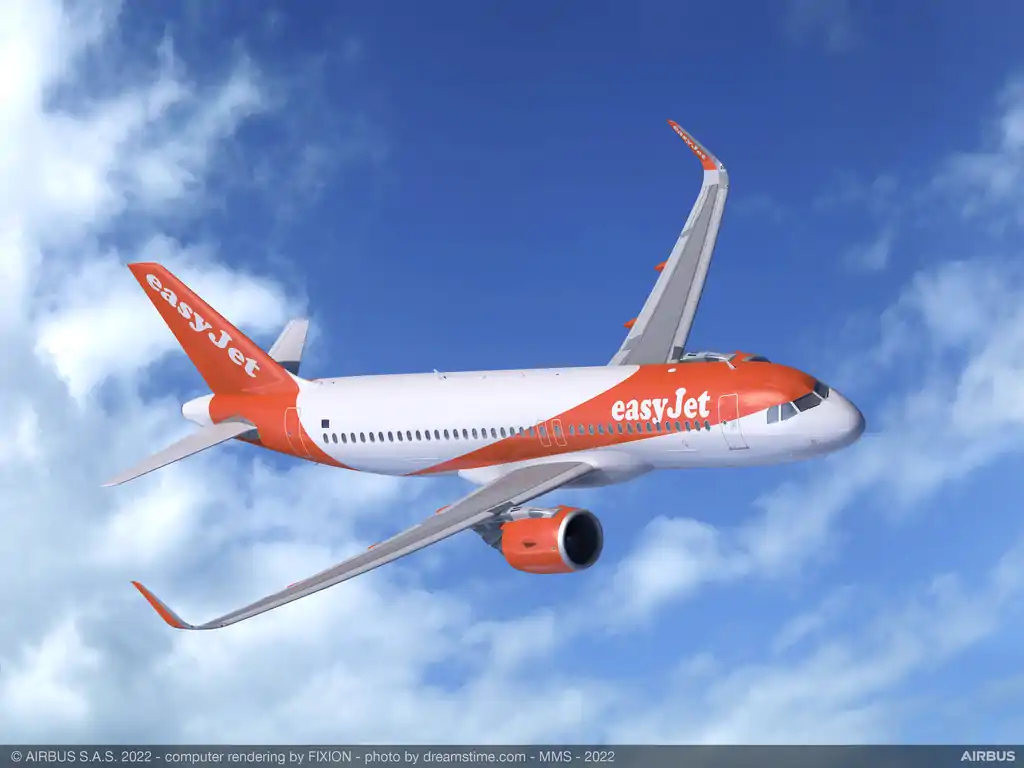
In a strategic move to enhance its fleet and secure future growth, easyJet, the UK-based low-cost carrier, announced on October 12, 2023, that it has placed a substantial order with Airbus for an additional 157 A320neo family aircraft. This significant development is accompanied by insights into the airline's financial performance, ambitious expansion plans, and efforts towards cost efficiency and sustainability.
Fleet Expansion and Order Details
EasyJet has entered into a conditional agreement with Airbus, which outlines the acquisition of 56 A320neo and 101 A321neo jets. These aircraft are scheduled for delivery between 2029 and 2034, bolstering the carrier's existing order for 158 A320neo family aircraft, expected to be delivered by 2029. Furthermore, as part of this expansion, 35 of the A320neo jets from the initial order will be converted into A321neo aircraft.
In total, easyJet now has 315 aircraft on order, with delivery expected by 2034. The airline has also secured an additional 100 purchase rights for future acquisitions, signaling a commitment to long-term growth and modernization.
Financial Outlook and Investment
With this new order, easyJet is on track to complete its fleet replacement program, which will see the retirement of A319 aircraft and the replacement of approximately half of its A320ceo fleet. The airline stated that it is in exclusive talks with CFM International to supply engines for the prospective acquisition. The financial implications of this ambitious fleet expansion, including the cost of new aircraft and conversions, are estimated at around $19.9 billion.
The airline also provided an overview of its financial performance in the three months leading up to September 30, 2023. EasyJet reported a 9% increase in passenger traffic during this period, resulting in pre-tax profits estimated to be between $799 million (£650M) and $824 million (£670M). These figures reflect the strong demand for easyJet's flights and holidays, emphasizing the airline's appeal to customers seeking value, service, and a well-connected network.
Future Growth and Strategic Vision
As easyJet moves into the 2024 financial year, it remains confident about its growth prospects. The airline stated that booking momentum is continuing, and it expects Q1 capacity to grow by 15%. The company's CEO, Johan Lundgren, expressed his optimism for the future, stating, "Our new medium-term targets provide the building blocks to deliver a PBT greater than £1 billion. This will be driven by reducing winter losses, upgauging our fleet, and growing easyJet holidays."
Additionally, Lundgren announced that the company plans to reinstate dividends starting with the FY23 results, underscoring the company's commitment to delivering attractive shareholder returns.
Sustainability and Cost Efficiency
EasyJet's fleet expansion aligns with its goals for sustainability and cost efficiency. By investing in more fuel-efficient aircraft like the A320neo family, the airline aims to reduce its carbon footprint while realizing cost savings. These measures reflect the broader industry trend towards more environmentally friendly and economically sustainable aviation operations.
Conclusion
easyJet's recent order of 157 additional Airbus A320neo family aircraft marks a pivotal moment in the airline's expansion and modernization strategy. With strong financial performance, ambitious growth plans, and a focus on sustainability, the carrier is poised to remain a prominent player in the low-cost aviation sector while delivering value to shareholders and customers alike.
Read next
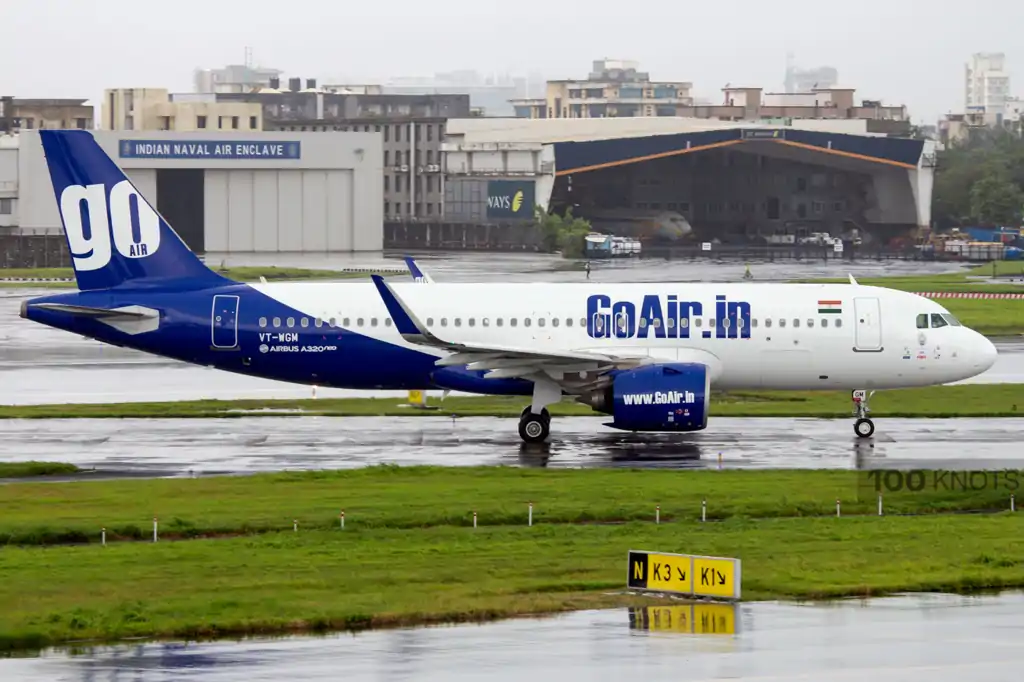
In a significant legal development, the Delhi High Court has issued an order granting access to crucial documentation determining the airworthiness of leased aircraft to Go First's lessors. This ruling comes as Go First, the Indian airline formerly known as GoAir, faces insolvency proceedings and blames its financial woes on "defective and failing engines" manufactured by Pratt & Whitney.
The Court's Ruling
On Wednesday, October 11, 2023, the Delhi High Court, led by Justice Tara Vitasta Ganju, ordered Go First's Resolution Professional to provide the lessors with access to all documentation that determines the airworthiness of the leased aircraft within seven days. Additionally, the court ruled that security professionals designated by the lessors be granted access to the aircraft. This access mandate extends to the Bureau of Civil Aviation via the Directorate General of Civil Aviation as well.
Go First's Insolvency Woes
Go First filed a request for voluntary insolvency resolution procedures with the National Company Law Tribunal (NCLT) in May, citing its financial difficulties. The airline's financial struggles are rooted in the purportedly "defective and failing engines" manufactured by Pratt & Whitney, a global aerospace manufacturer. Notably, Go First's fleet has been plagued by engine issues for several years.

The proportion of grounded aircraft resulting from Pratt & Whitney engines has seen a troubling increase, rising from 7% in December 2019 to 31% in December 2020 and culminating at a concerning 50% in December 2022. This substantial percentage of grounded aircraft has undoubtedly affected Go First's operational capabilities and financial stability.
Legal Battles and Appellate Tribunal Affirmation
On May 22, the National Company Law Appellate Tribunal (NCLAT) affirmed the NCLT's judgement to admit Go First to insolvency proceedings. This ruling underscored the gravity of the airline's financial situation and paved the way for resolution procedures. Moreover, the appellate panel granted lessors the right to file relevant applications in the ongoing dispute with the NCLT, further emphasizing the importance of their role in the insolvency process.
Several lessors, including Accipiter Holdings, Pembroke Aircraft, SFV Aircraft Holdings, ACG Aircraft Leasing, EOS Aviation 12, SMBC Aviation Capital, and DAE SY 22 13 Ireland, have petitioned the Delhi High Court. Their collective efforts have culminated in the recent court ruling, marking a significant victory for these lessors as they seek to protect their interests and assess the condition of their leased aircraft.
Conclusion
The Delhi High Court's order to grant lessors access to documentation related to the airworthiness of Go First's leased aircraft represents a crucial development in the ongoing insolvency proceedings. As Go First grapples with the financial implications of grounded aircraft attributed to Pratt & Whitney engines, lessors are asserting their rights to assess the condition of the aircraft.
This legal victory underlines the complex and multifaceted nature of insolvency proceedings in the airline industry, as stakeholders navigate the challenging terrain of resolving financial turmoil and addressing technical issues affecting the airline's fleet. As the situation continues to evolve, the aviation industry and legal experts are closely watching the outcomes of this case, which could set important precedents for similar cases in the future.
With Inputs from BQ Prime
Comment