
Can Rs 700 Crore Save Alliance Air? The Struggle of India’s Regional Carrier

Abhishek Nayar
22 Aug 2024
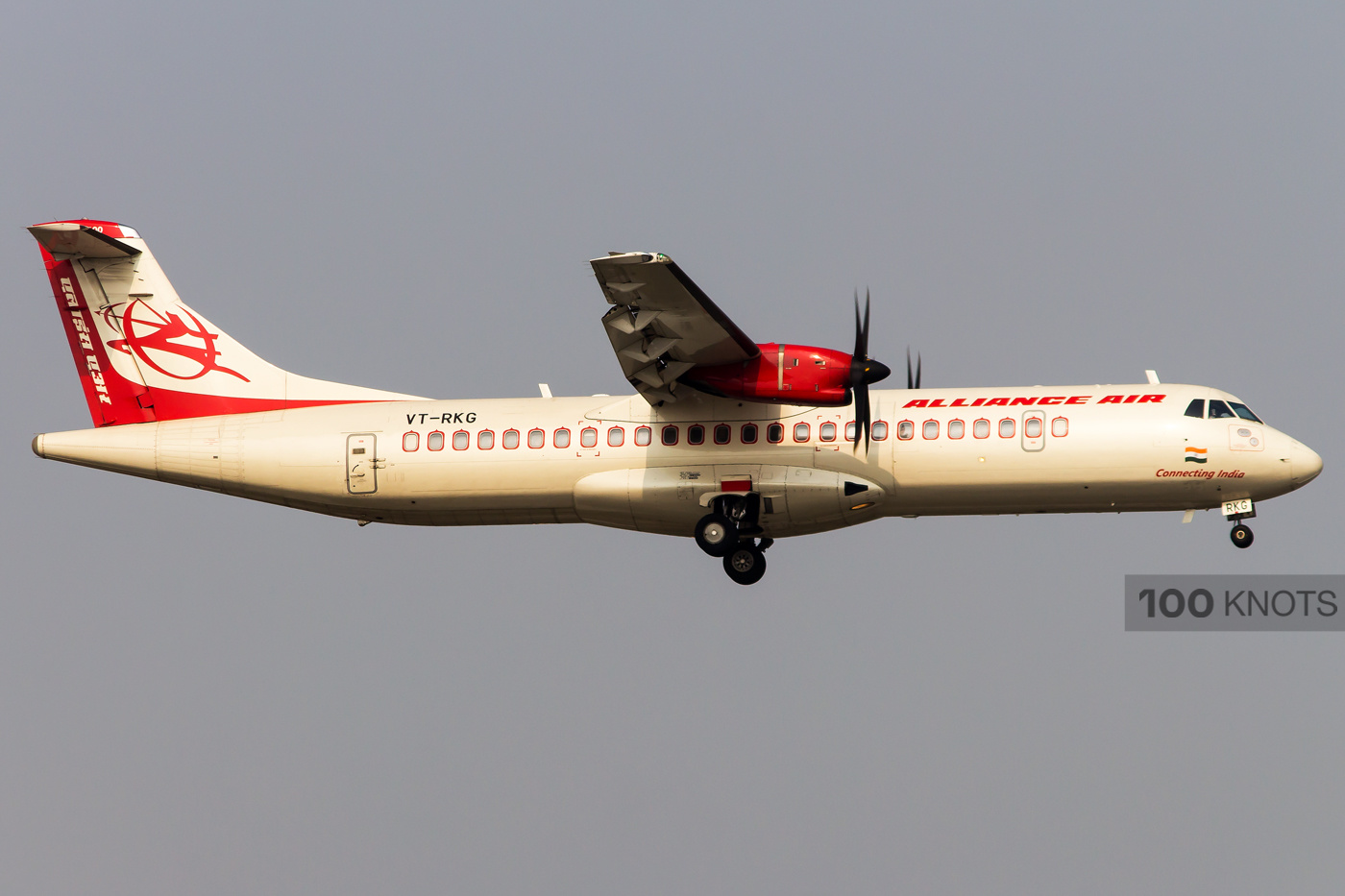
Alliance Air, India's state-owned regional carrier, has once again approached the Central government for financial assistance, seeking a fresh working capital allocation of Rs 700 crore. This request comes amid ongoing struggles with legacy debt and supply chain disruptions that have severely impacted the airline's operations.
The Debt Dilemma: A Mountain to Climb
With a staggering debt of about Rs 4,000 crore, Alliance Air has been navigating through turbulent financial waters. Last year, the airline received a government injection of Rs 600 crore. However, these funds were quickly absorbed in servicing interest liabilities, leaving the airline still grappling with its substantial debt burden.
Supply Chain Challenges: The OEM Hurdle
Alliance Air's troubles are not limited to financial issues alone. The airline has been facing significant supply chain disruptions with global Original Equipment Manufacturers (OEMs). These challenges have further compounded the airline's ability to maintain and operate its fleet efficiently.
Fleet Struggles: Grounded Aircraft and Compromised Operations
As of now, Alliance Air operates a fleet of 21 aircraft. However, five of these planes are grounded due to engine-related issues. The grounded aircraft have not only reduced the airline's operational capacity but have also affected its ability to serve remote areas, particularly in the northeast, where weather-related operational concerns already pose significant challenges.
The Road Ahead: Can Rs 700 Crore Make a Difference?
The request for Rs 700 crore in fresh working capital raises questions about the future of Alliance Air. Can this financial lifeline address the deep-rooted issues plaguing the airline, or will it be another stopgap measure? The airline's journey towards divestment adds another layer of complexity to the situation, as potential investors may view the ongoing financial woes as a significant red flag.
Conclusion: A Critical Juncture
Alliance Air stands at a critical juncture. The Rs 700 crore sought from the Centre could provide temporary relief, but the airline's long-term sustainability will require more than just financial assistance. Addressing the underlying issues of debt, supply chain management, and operational efficiency will be key to ensuring that Alliance Air can continue to connect India's far-flung regions.
With Inputs from Financial Express
Read next
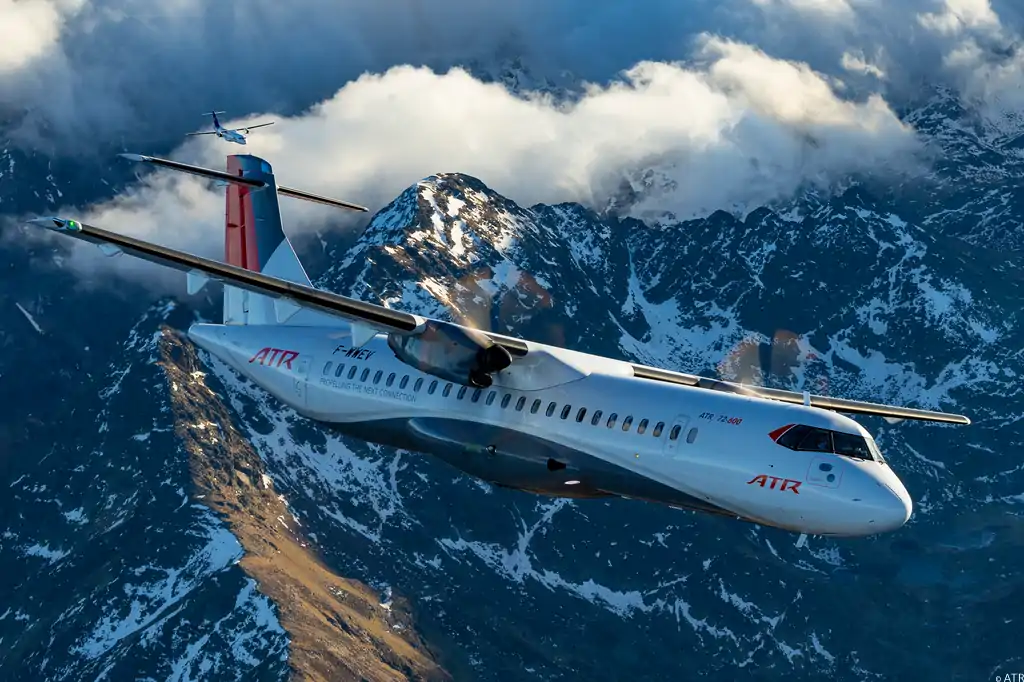
Alhind Group, a well-established name in the travel and tourism industry, is poised to take flight as an airline by the end of this year. The group has recently secured the crucial Air Operator Certificate (AOC) from the Directorate General of Civil Aviation (DGCA), marking a significant milestone in its journey toward launching Alhind Air.
The Fleet and Initial Investment
According to a top official from Alhind Group, the airline will commence operations with three ATR-72 turboprop planes, backed by an initial investment ranging between ?200 crore to ?500 crore. The airline plans to expand its fleet to five ATR planes shortly, focusing on regional routes across southern India.
"We will have five ATR planes in total to fly on regional routes. We have secured all support from Cochin International Airport for our operations," the official told CNBC-TV18.
Focus on Regional Connectivity
Alhind Air's initial operations will connect key cities in southern India, including Cochin, Bengaluru, Thiruvananthapuram, and Chennai. This regional focus aims to tap into the growing demand for air travel in this part of the country. The airline has also expressed intentions to gradually expand its operations nationwide, eventually transitioning into a domestic carrier as it adds narrow-body passenger planes to its fleet.
Long-Term Vision: International Expansion
Alhind Air has ambitious plans to launch international flights within two years of commencing operations. The airline's fleet size is expected to surpass 20 planes, enabling it to explore routes beyond India's borders. The group's long-term vision involves a ?2,000-crore investment, with ongoing discussions with leasing companies for both ATR and narrow-body planes, as well as with major aircraft manufacturers like Airbus and Boeing.
Building on Existing Strengths
Alhind Group's extensive experience in the travel industry and its deep-rooted sales network provide a solid foundation for its airline venture. The group, which already operates as a General Sales Agent (GSA) for several airlines, claims a monthly revenue of over ?600 crores from its air ticketing business alone.
Valsaraj PV, the Managing Director of Alhind Group, has expressed confidence in the airline's prospects, citing the group's strong market presence and expertise in route planning as key advantages.
"New airlines have the challenge of building a network. The advantage for us is that we have already built the network for the past 30 years, so we know how the market is, the exact route to be operated, and how profit is generated," Valsaraj said.
The Kerala Connection
Alhind Air is the second airline venture from Kerala to receive the Civil Aviation Ministry's approval, following the recent nod for Air Kerala. The high demand for air travel between Kerala and Gulf countries has prompted several local entrepreneurs to explore opportunities in the aviation sector.
Interestingly, Kerala was home to India's first scheduled private air carrier, East West Airlines, which operated in the early 1990s. Although East West Airlines ceased operations after a tragic incident, the legacy of aviation in Kerala continues to inspire new ventures like Alhind Air.
Conclusion: A Promising Future?
As Alhind Air prepares for takeoff, it carries the weight of great expectations. With a strategic focus on regional routes, a clear expansion plan, and the backing of a well-established group, the airline is well-positioned to make its mark in the Indian aviation landscape. Only time will tell if Alhind Air can rise to the challenge and become India's next big airline.
With Inputs from CNBC TV18
Read next
Kenya Airways Soars to Profit After a Decade: Can 2024 Be the Year of Break-Even?
Abhishek Nayar
21 Aug 2024
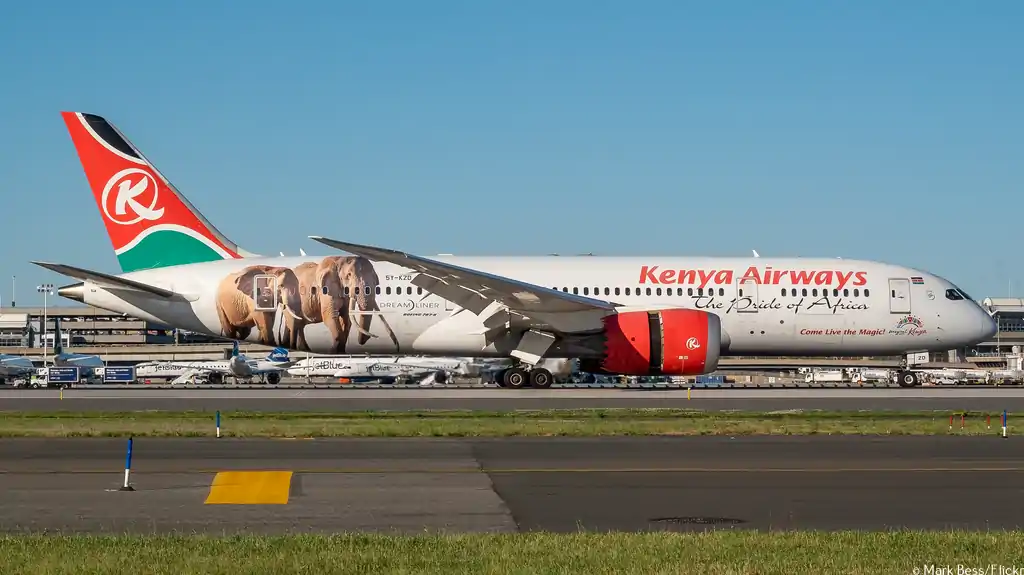
Kenya Airways, one of Africa's leading airlines, has reported a significant milestone—its first half-year profit in more than a decade. For the period from January to June 2024, the airline posted a profit after tax of 513 million Kenyan shillings (approximately $4 million). This marks a dramatic turnaround from the 21.7-billion-shilling loss reported in the same period in 2023. This development is not only a testament to the airline's resilience but also raises hopes for its future financial stability.
The Factors Behind the Turnaround
The airline's return to profitability can be attributed to several key factors. First and foremost is the rise in passenger numbers, which saw a 10% increase in the first half of 2024. This surge in demand played a crucial role in boosting the airline's revenue by 22% during this period.
Another significant factor has been the strengthening of the Kenyan shilling. Earlier in the year, the government successfully sold a new international bond, which sparked a rally in the currency. This stronger shilling helped reduce the airline's foreign exchange losses, which had been a major burden in previous years.
Looking Ahead: Strategic Equity Investor and Break-Even Hopes
Kenya Airways' Chief Executive, Allan Kilavuka, expressed optimism about the airline's future during a recent briefing. He highlighted that the first-half results were a milestone for the company and that there is "reasonable confidence" that Kenya Airways could break even for the full year 2024.

Kilavuka also mentioned ongoing negotiations with a strategic equity investor, although details remain under wraps. The potential partnership could be a critical step in ensuring the airline's long-term sustainability, particularly as it continues to navigate the challenges posed by its significant debt load.
Overcoming Past Challenges: A New Era for Kenya Airways?
Kenya Airways has been grappling with financial difficulties for over a decade, with its troubles intensifying after it slid into insolvency in 2018. The airline's ambitious expansion drive in the early 2010s left it burdened with hundreds of millions of dollars in debt. The COVID-19 pandemic further exacerbated these challenges, leading to a collapse in international travel and making it even harder for the airline to service its debt.
However, the recent profit announcement suggests that Kenya Airways may be turning a corner. With rising passenger numbers, a stronger shilling, and ongoing negotiations for strategic investment, the airline is positioning itself for a potential recovery. If the current momentum continues, 2024 could mark the beginning of a new era for Kenya Airways, one where breaking even becomes a reality rather than just a hopeful aspiration.
Conclusion: A Cautious Optimism
While the first half of 2024 has brought positive news for Kenya Airways, the road ahead remains challenging. The airline's ability to maintain its profitability and achieve its break-even goal will depend on a combination of continued passenger growth, favorable economic conditions, and successful strategic partnerships. For now, however, the signs are promising, and there is cautious optimism that Kenya Airways may finally be on the path to financial recovery
With Inputs from Reuters
Read next
Malaysia Aviation Group's Fleet Dilemma: Airbus or Boeing? Second Order Faces Delays
Abhishek Nayar
21 Aug 2024
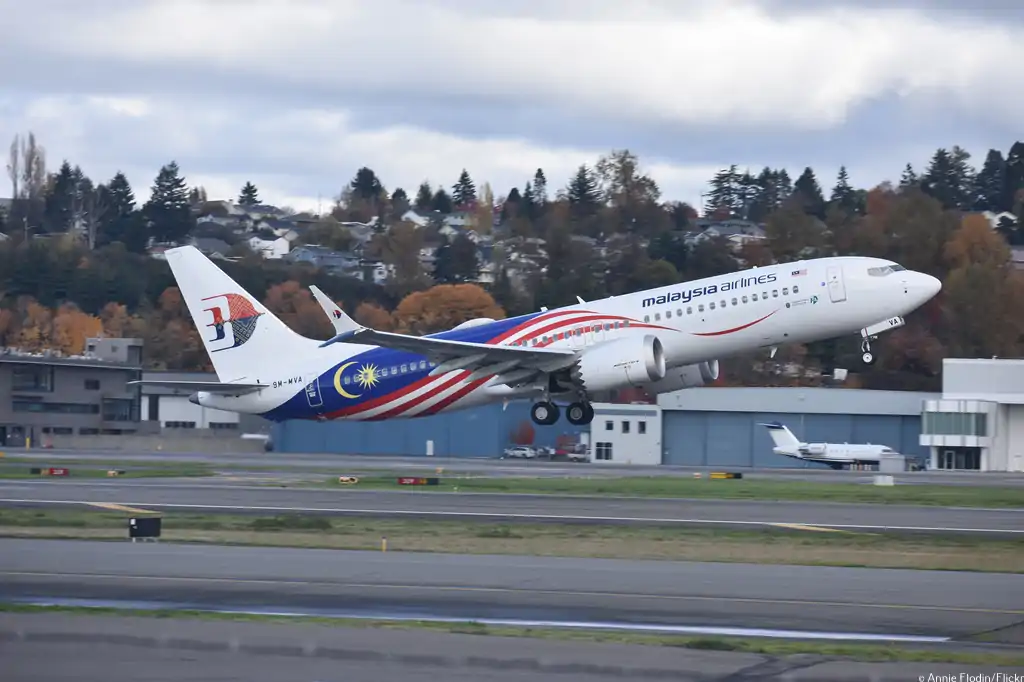
Malaysia Aviation Group (MAG), the parent company of Malaysia Airlines, is reconsidering its long-standing relationship with Boeing as it explores the possibility of introducing Airbus narrowbody aircraft into its fleet. This move could break Boeing's dominance in MAG's narrowbody jet fleet, a significant development in the aviation industry. However, this potential shift comes with its own set of challenges, as the company has decided to delay its second aircraft order.
The Current Fleet Composition: A Boeing Stronghold
MAG's narrowbody fleet has traditionally been dominated by Boeing, particularly the B737-800s and, more recently, the B737 MAX. On the widebody front, Airbus has made significant inroads with its A330 and A350 aircraft. In 2022, MAG took a significant step in renewing its fleet by ordering twenty-five B737-8s and twenty A330-900Ns as part of a two-stage fleet renewal plan.
Exploring New Horizons: Airbus Narrowbodies on the Table
In a recent interview with Malaysia's Business Times, MAG's Managing Director, Izham Ismail, revealed that the company is "agnostic" about the choice between Boeing and Airbus for the second stage of its fleet renewal plan. "We'll see what's best on the table," he stated, indicating a willingness to consider Airbus narrowbodies like the A320neo and A321neo alongside Boeing's B737 MAX.

This openness to Airbus marks a significant shift in MAG's strategy, potentially breaking Boeing's stranglehold on the group's narrowbody jet fleets. However, Ismail emphasized that the final decision would be based on what offers the best value and fits the company's long-term goals.
Delays on the Horizon: RfP Pushed Back
While MAG is exploring new options, it has also decided to delay the Request for Proposals (RfP) for the second stage of its fleet renewal plan. Originally expected to be completed soon, the RfP has been pushed back to the end of the year. Ismail explained that the company is "halfway there" in terms of RfP completion but stressed the importance of not delaying too long, as this could impact their ability to secure factory production slots.
The delay is seen as a necessary step to re-evaluate the initial fleet renewal plans and ensure that MAG makes the best possible decision for its future.
Boeing Deliveries and Contingency Plans
Despite the potential shift towards Airbus, Ismail doesn't foresee any further delays or cuts in the delivery of the B737-8 aircraft. Initially, MAG was set to receive 12 of these jets in 2024, but Boeing reduced this number to seven. So far, four aircraft have been delivered, with the remaining three expected by the end of the year.

To cover any potential gaps, MAG has extended the leases on some of its B737-800s as a contingency measure. Meanwhile, the first of the new A330-900Ns is scheduled to arrive in September 2024, marking another milestone in the company's fleet renewal journey.
Aging Fleet: The Need for Modernization
Ismail also highlighted the importance of fleet renewal, noting that while MAG's airplanes are safe, they are also "tired" and require investment to maintain operational efficiency. "We cannot continue to operate aging airplanes," he said, underscoring the need for modernization as a key driver behind the fleet renewal plan.
Conclusion: The Road Ahead for Malaysia Aviation Group
As MAG navigates its fleet renewal journey, the potential introduction of Airbus narrowbodies could mark a significant turning point for the group. However, the delay in the second aircraft order shows that the decision-making process is complex and requires careful consideration. With the aviation industry watching closely, MAG's final decision will have far-reaching implications for its future operations and market positioning.
With Inputs from ch-aviation
Read next
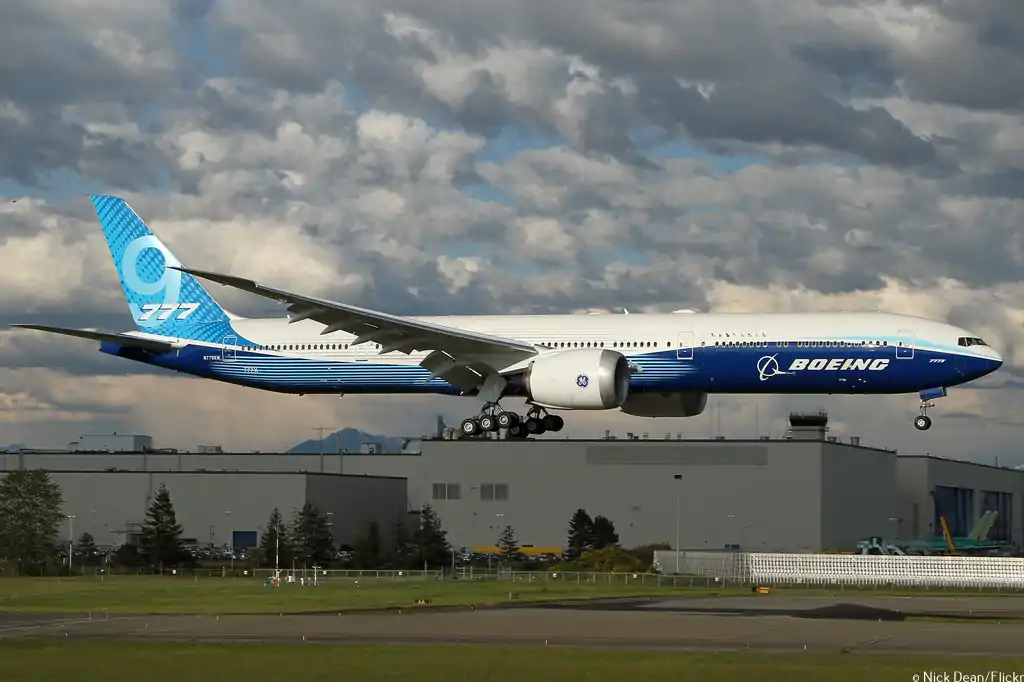
Boeing Co. has hit another snag in its long-delayed 777X jetliner program, pausing flight tests to inspect a critical structural component. The latest issue stems from the discovery of a damaged part on a 777-9 aircraft during routine maintenance following a test flight. The affected component plays a vital role in mounting the massive General Electric Co. engines to the plane's wings, raising concerns over its performance and design.
The Discovery: A Critical Component Fails
The problematic part was uncovered after a test flight last week, prompting Boeing to take immediate action. According to a statement from the company, the component “did not perform as designed,” leading to an inspection across the four-aircraft fleet involved in the 777X flight tests. Boeing has committed to replacing the defective part and resuming flight tests once the issue is resolved.
A Custom-Designed Challenge

This particular component is custom-designed for the 777-9, the first model in the 777X family, making the situation even more critical. Boeing has notified the Federal Aviation Administration (FAA) and its customers about the issue, emphasizing its commitment to safety and rigorous testing.
What Does This Mean for Boeing’s 777X Program?
The 777X program has already been plagued by delays, with the aircraft’s certification now running about five years behind schedule. This latest setback could further extend the timeline, impacting Boeing's ability to meet its delivery commitments and potentially affecting customer confidence.
Inspections Underway: No Immediate Flight Tests
Boeing has begun inspecting the other jets in the 777X test fleet for similar issues. However, the company stated that no near-term flight tests were planned for these aircraft, indicating a cautious approach to resolving the problem.
The Road Ahead: Challenges and Commitments
As Boeing navigates this latest challenge, the industry is closely watching how the company addresses the issue. The successful certification and delivery of the 777X are crucial for Boeing as it seeks to regain its footing in the competitive long-haul market.
Conclusion: Safety First, but at What Cost?
Boeing’s decision to pause flight tests underscores its commitment to safety, but it also highlights the ongoing challenges in bringing the 777X to market. As the aerospace giant works to rectify the issue, the question remains: how much longer will the industry and customers have to wait for the 777X to finally take to the skies?
With Inputs from Gulf News
Read next
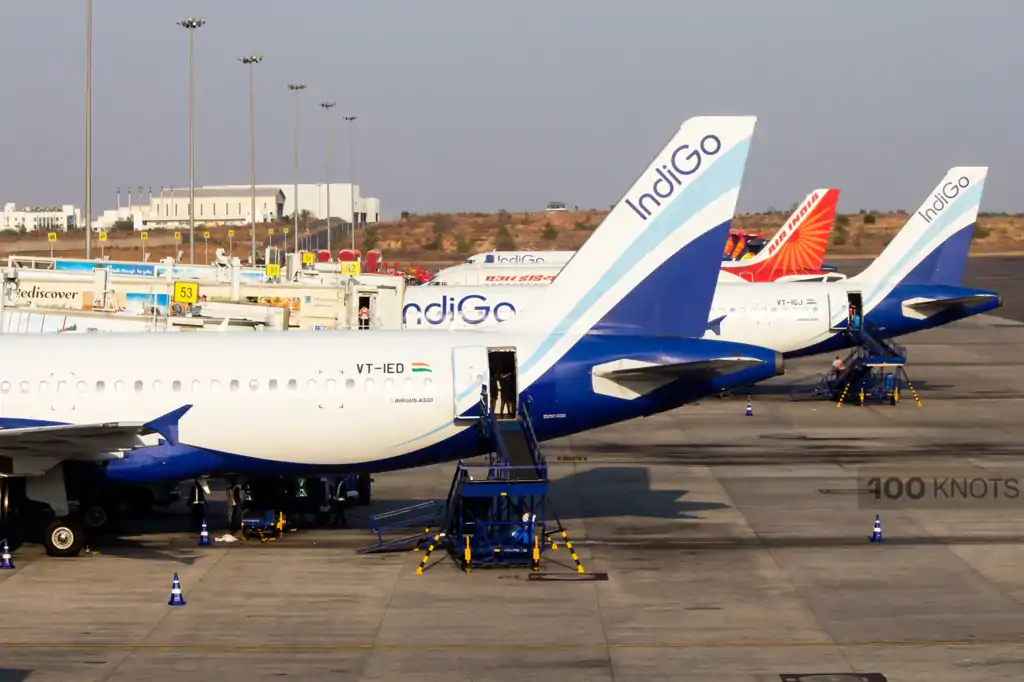
India's domestic aviation industry continues to ascend, with official data from the Directorate General of Civil Aviation (DGCA) revealing a significant increase in passenger numbers for July 2024. The surge in air travel, despite a slight dip from June, underscores the robust demand for domestic flights, fueled by the country's expanding middle class and growing connectivity.
IndiGo Dominates the Skies

IndiGo, India's leading low-cost carrier, reinforced its dominance in the domestic aviation market, capturing an impressive 62% market share in July 2024. This marks a rise from previous months, positioning the airline as the undisputed leader in India's domestic skies. IndiGo's efficient operations, extensive network, and competitive pricing continue to resonate with travelers, allowing it to maintain a commanding presence.
Market Dynamics: Winners and Losers

While IndiGo soared, other airlines experienced mixed fortunes:
- Air India saw its market share dip to 14.3%, reflecting the challenges the national carrier faces in a highly competitive environment.
- Vistara, the full-service carrier and a joint venture between Tata Sons and Singapore Airlines, climbed to a 10% market share, benefiting from its premium service offerings and expanding network.
- AIX Connect (formerly AirAsia India) and SpiceJet experienced declines, with their market shares falling to 4.5% and 3.1%, respectively. These reductions may be attributed to operational challenges and increased competition.
- Akasa Air, India's newest airline, also saw its share slip to 4.7%, while Alliance Air, the regional carrier, held a modest 0.9% of the market.

Passenger Traffic: A Tale of Growth and Setbacks
In July 2024, Indian carriers flew over 1.29 crore passengers, a 7.3% increase compared to the same month in 2023, when the figure stood at 1.21 crore. However, this marked a slight decline from June 2024, which saw 1.32 crore passengers. The fluctuation in monthly figures highlights the seasonality of air travel in India, influenced by factors such as monsoon disruptions and fluctuating demand.
The DGCA also reported that from January to July 2024, domestic airlines carried 923.35 lakh passengers, up from 881.94 lakh during the same period in the previous year. This 4.7% annual growth underscores the resilience of India's domestic aviation sector.
Operational Challenges: Cancellations, Delays, and Passenger Complaints
Despite the growth in passenger numbers, operational challenges persist. In July 2024, the overall cancellation rate among airlines was 1.90%, affecting 1,54,770 passengers. Airlines spent Rs 110.59 lakh on compensation and facilities for these affected passengers. Additionally, flight delays impacted 3,20,302 passengers, with airlines shelling out Rs 341.05 lakh for facilitation.
The DGCA data also revealed that 1,114 passengers were denied boarding in July, with Rs 112.71 lakh disbursed as compensation. Overall, the number of passenger-related complaints stood at 1,097, translating to approximately 0.84 complaints per 10,000 passengers.
Conclusion: Navigating the Future of Indian Aviation
As India's domestic aviation market continues to grow, airlines must navigate the challenges of operational efficiency and customer satisfaction. The rise in passenger numbers is a positive indicator of the sector's recovery post-pandemic, but the slight month-on-month dip in July serves as a reminder of the industry's inherent volatility.
With IndiGo leading the charge and other players jostling for market share, the coming months will be crucial in determining how India's airlines adapt to changing dynamics and passenger expectations. For now, the skies over India remain busy, reflecting the country's burgeoning demand for air travel.
Comment