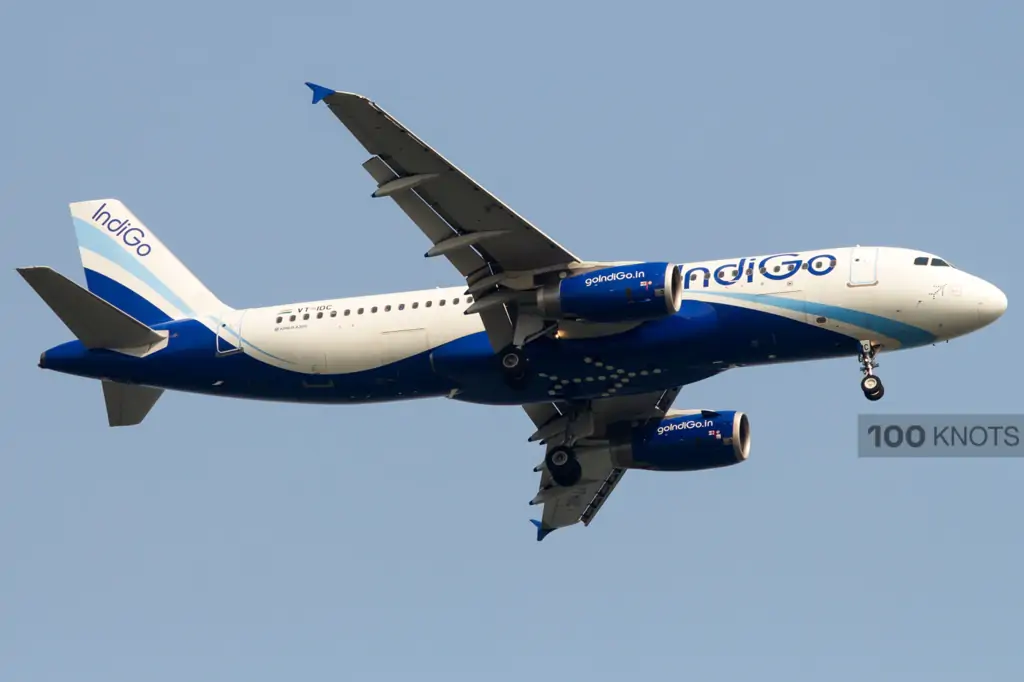
Air travel is an ever-evolving industry, and Indian airlines are continually striving to improve the passenger experience. In recent developments, two of India's leading carriers, IndiGo and Air India, have introduced innovative services at major airports to elevate the boarding and check-in experience for travelers. These services aim to simplify and expedite the pre-flight processes, ensuring that passengers have a more convenient and efficient journey.
IndiGo's Fast Forward (FFWD) and Priority Boarding Integration
IndiGo, the largest domestic airline in India, has taken a significant step towards enhancing passenger convenience by merging its Fast Forward (FFWD) and Priority Boarding services. This strategic amalgamation brings together the benefits of priority check-in and anytime boarding, all in a seamless experience.
Priority Check-In
IndiGo's priority check-in service remains unchanged, providing passengers with the convenience of avoiding long queues and expediting the check-in process. The checked-in baggage will be delivered alongside other passengers’ baggage. Those who have previously availed of FFWD will receive direct communication informing them of these updates.
Anytime Boarding
The noteworthy addition to this service is the introduction of anytime boarding. This feature allows passengers to board their flight at their preferred time, rather than adhering to a specific boarding group. With anytime boarding, travelers can have more control over their airport experience, reducing the need to wait in crowded boarding areas.
Streamlined Services
One of the key objectives behind this integration is to streamline IndiGo's services. By combining check-in and boarding advantages into a cohesive product, the airline aims to provide passengers with a more convenient and efficient journey. This innovation is a testament to IndiGo's commitment to enhancing the overall travel experience for its valued customers.
Air India's Self-Baggage Drop and Self-Kiosk Check-In
Air India, in a move aimed at revolutionizing the check-in process, has introduced an integrated self-baggage drop and self-kiosk check-in service at Terminal 3 of Delhi Airport (DEL). This pioneering service makes Air India the first Indian carrier to offer such a comprehensive solution.
Comprehensive Self-Service
Air India passengers can now enjoy a seamless digital process that allows them to print boarding passes and baggage tags and independently drop off their bags. This eliminates the need for traditional check-in at the counters, significantly reducing waiting times and providing travelers with greater autonomy over their pre-flight activities.
Availability
Initially, this service is available for all flights bound for Australia and for all domestic flights within India. This inclusivity ensures that a wide range of passengers can take advantage of the enhanced check-in process.
Customization Options
In addition to simplifying the check-in process, these kiosks also offer passengers the option to customize their trips. Travelers can select preferred seats, update frequent flyer numbers, and make other choices that enhance their overall travel experience.
The Bigger Picture
Both IndiGo and Air India's recent initiatives are indicative of the broader industry trend towards improving passenger experiences and streamlining the airport processes. These innovations highlight the airlines' commitment to providing a more customer-centric and efficient journey from check-in to boarding.
As the aviation industry continues to evolve, we can expect more airlines to explore similar services and technologies to meet the growing demand for a seamless and hassle-free travel experience. These innovations not only cater to passenger preferences but also contribute to the overall efficiency and sustainability of the aviation sector.
Conclusion
The recent developments by IndiGo and Air India underscore the vital role of technology and passenger-centric services in shaping the future of air travel. With these initiatives, passengers can look forward to a more efficient, personalized, and enjoyable airport experience in India, setting a new standard for the airline industry.

Read next
More legal Obstacles Imposed by Jet Airways' Lenders; Next Hearing in SC on October 12

Radhika Bansal
10 Oct 2023
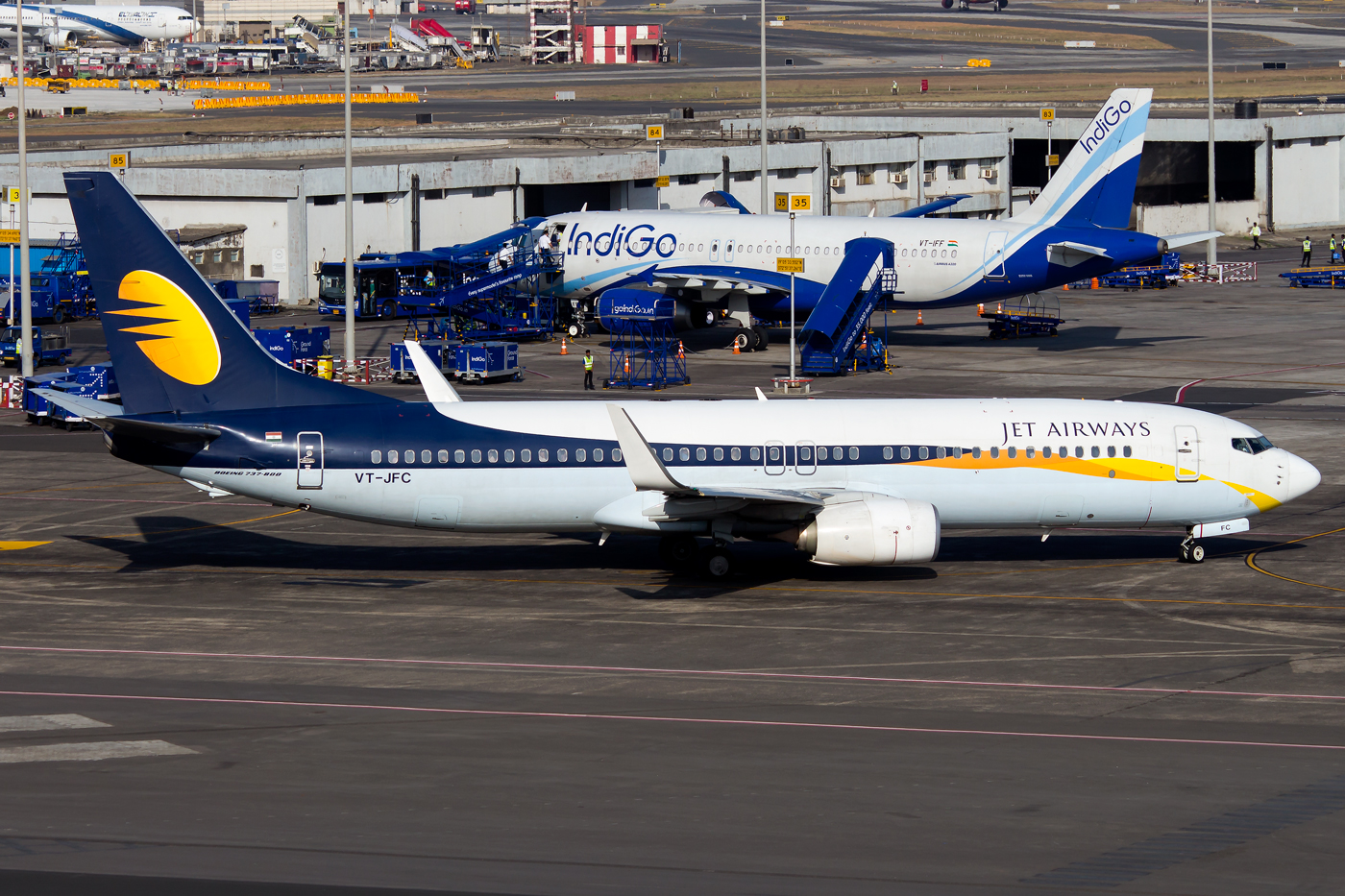
Lenders of the bankrupt airline Jet Airways have requested that the Jalan-Karlock Consortium confirm through an affidavit whether their investor, Florian Fritsch, is under investigation for fraud in Europe. The request came up during a court hearing on Monday, October 9. The lenders' lawyer, Harish Salve, expressed concern about the funds being held up and accused Fritsch of using delay tactics by depositing the consortium's investment in the airline in INR 100 crore instalments, according to Mint.
In response, the consortium's lawyer, Mukul Rohatgi, argued that the lenders have been demanding money at every stage, despite the consortium already depositing INR 350 crore. The lenders sought to consolidate all outstanding matters related to the case in the Supreme Court for a joint hearing, while the consortium requested a separate hearing for this specific petition. The hearing has been deferred to 12 October at the request of both parties involved.
Authorities in Liechtenstein are investigating Jet Airways investor Florian Fritsch for suspected fraud and money laundering. Media reports state that luxury cars and watches were seized during the investigation. The Supreme Court of Liechtenstein disclosed this information.
During a National Company Law Appellate Tribunal (NCLAT) hearing on October 4, lenders claimed that the money deposited by the consortium could have been laundered. They applied with the Mumbai branch of the National Company Law Tribunal (NCLT) to investigate the source of the money.
The lenders claimed that the consortium did not disclose the origin of the funds, which they believe came from 'unknown sources'. They argued that the money used to resolve the situation should be legitimate.
Jet Airways' Legal Struggle
On October 4, the lenders of the airline questioned the source of funds that JKC had paid to it at the NCLAT. They alleged that the money that the consortium had paid to them could be laundered. The NCLAT is to hear the case on October 12.
On July 5, the CoC told the court that it had spent INR 470 crore since the implementation of the Corporate Insolvency Resolution Process (CIRP), without getting any return on investment. The creditors said they were incurring INR 23 crore in expenses every month. The Jet Airways Workmen Association agreed with the CoC and told the court that they had not been paid their dues.
On September 29, the consortium stated that it had fulfilled its commitment to provide INR 350 crore to Jet Airways. It remains determined to revive the airline and have it operational by 2024.
According to the payment schedule approved by the NCLAT in August, JKC was required to pay INR 100 crore by August 31, another INR 100 crore by September 30, and the rest of INR 150 crore was to be adjusted against the performance bank guarantee. The lenders, however, said INR 13 crore of the INR 200 crore payment towards the dues came from "other sources" in contravention of the resolution plan
Jet Airways was grounded in April 2019 over growing losses and a debt of about Rs 8,000 crore. In October 2020, the airline's Committee of Creditors approved the revival plan submitted by the Jalan-Kalrock consortium.
On 22 June 2021, the NCLT in its order approved the resolution plan for Jet Airways submitted by the Jalan-Kalrock consortium. The consortium comprises UAE-based non-resident Indian Murari Lal Jalan, who will hold shares in Jet Airways in his capacity, and Florian Fritsch who will hold shares through his investment holding company Kalrock Capital Partners Ltd, Cayman.
Read next
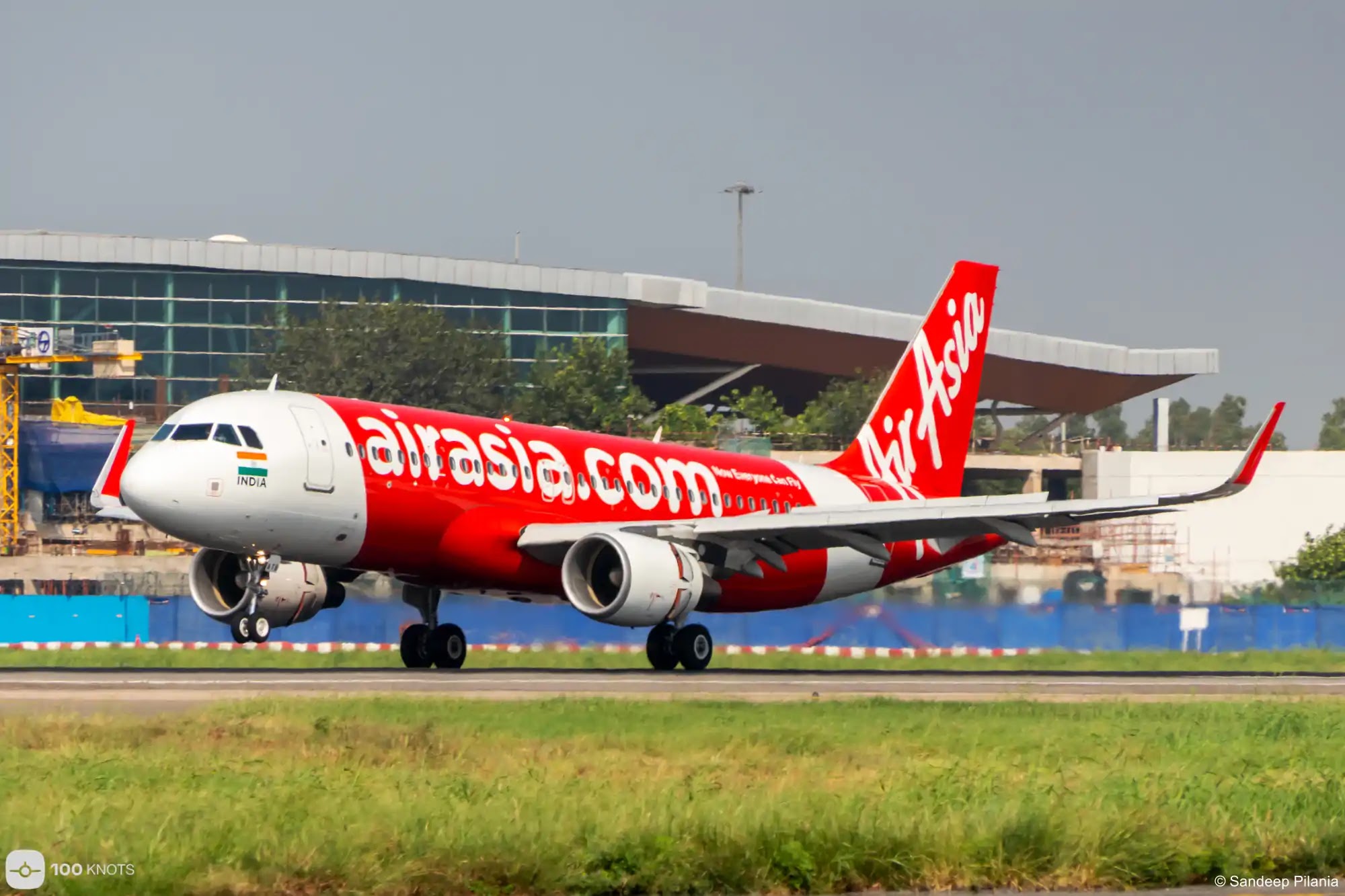
AIX Connect (formerly known as AirAsia India) completed the transfer of an A320 aircraft, the VT-ATJ, to Air India Express as part of the merger of the two airlines, Air India's CEO and MD Campbell Wilson told employees in a letter on October 6.
"VT-ATJ, at A320 originally from Air Asia India, became the first to transfer into the Air India Express fleet after completing DGCA’s detailed five-phase CAP3100 process," Wilson said. He added that other aircraft will soon be transferred from the fleet of AIX Connect to Air India Express to ensure that the two low-cost carriers operate as one and the airline has full flexibility to deploy aircraft most optimally and efficiently across its network.
"VT-ATJ has now been operating domestically for a few days and will commence international service tomorrow, Oct 7. Well done to the IX/I5 teams for the regulatory and preparatory work involved," Campbell said.
The fleet merger by the airlines is part of the Tata Group's plan of creating two distinct airlines through mergers: a low-cost carrier formed by merging AirAsia India and Air India Express, and a full-service carrier created by combining Air India and Vistara. The Tata Group plans to first complete the merger of AirAsia India with Air India Express by the end of 2023.
Air India Express, which will function as the low-cost arm of Air India, will follow in the footsteps of its parent company and unveil its new brand in the next couple of months. Air India Express also has ambitious plans to expand its fleet and network, to establish itself as the second-largest low-cost carrier in the competitive Indian domestic market. As part of its expansion strategy, Air India Express is planning to deploy 50 Boeing 737 Max aircraft by the end of 2024.
In fact, it recently received its first two 737 MAXs, marking the beginning of the deliveries of more than 150 of the type ordered for the airline. The two MAXs that recently flew to India were part of the 55 Boeing 737 MAX 8 aircraft initially meant for various Chinese carriers.
Air India Express is slated for a significant fleet development due to the merger. Not only will it receive more than 25 A320s of AirAsia India but also strengthen its Boeing 737 fleet by adding the MAX series of aircraft in the coming years. In fact, it recently received its first two B737 MAXs, marking the beginning of the deliveries of more than 150 of the type ordered for the airline.
Airlines Merging Synergies
In August the two airlines announced new harmonized grades, compensation, and benefits for the two companies ahead of their merger. AirAsia India and Air India Express currently have 28 and 26 planes in their respective fleets. The merger of AirAsia India into Air India Express is anticipated to be completed by March next year.
The airlines have also come out with a unified website, airindiaexpress.com, which allows users to book and manage services from both airlines in domestic and international sectors with an integrated backend passenger service system. Both airlines have also synergised a host of other ancillary add-on services and sub-brands, including Gourmair in-flight dining, Xpress Prime seats, and Xpress Ahead priority services.
In July, Air Asia India received regulatory approvals to operate the airline’s flights under the ‘Air India Express’ branding before the subsequent legal merger between the two airlines to create a single low-cost subsidiary. This will enable the two airlines’ flights to be marketed, distributed and operated under the common brand name of Air India Express.
AIXL currently operates flights from 20 Indian cities to 14 regional international destinations, while AIXC serves 19 domestic destinations. They complement each other's networks to provide an extensive network for flyers across India and short-haul international destinations.
Air India last week also entered into a codeshare agreement with Air India Express. As of now, Air India operates a fleet of 116 planes, which encompasses 49 wide-body aircraft. The fleet consists of 27 B787-8s, 14 B777-300s, 8 B777-200LRs, 14 A319s, 36 A320neos, 13 A321 ceos, and 4 A321 neos.
Air India placed a massive aircraft order of 470 aircraft from both Airbus and Boeing. The 470 aircraft order includes a diverse range of models: 40 A350s, 20 Boeing 787 Dreamliners, 10 Boeing 777Xs, 140 A320neo, 70 A321neo, and 190 Boeing 737 MAXs. Of the 40 A350s, six are A350-900 planes, with five scheduled for delivery by March 2024.
Read next
Vistara to Deploy eWAS and OptiClimb Solutions by SITA to Reduce Carbon Emissions
Radhika Bansal
10 Oct 2023
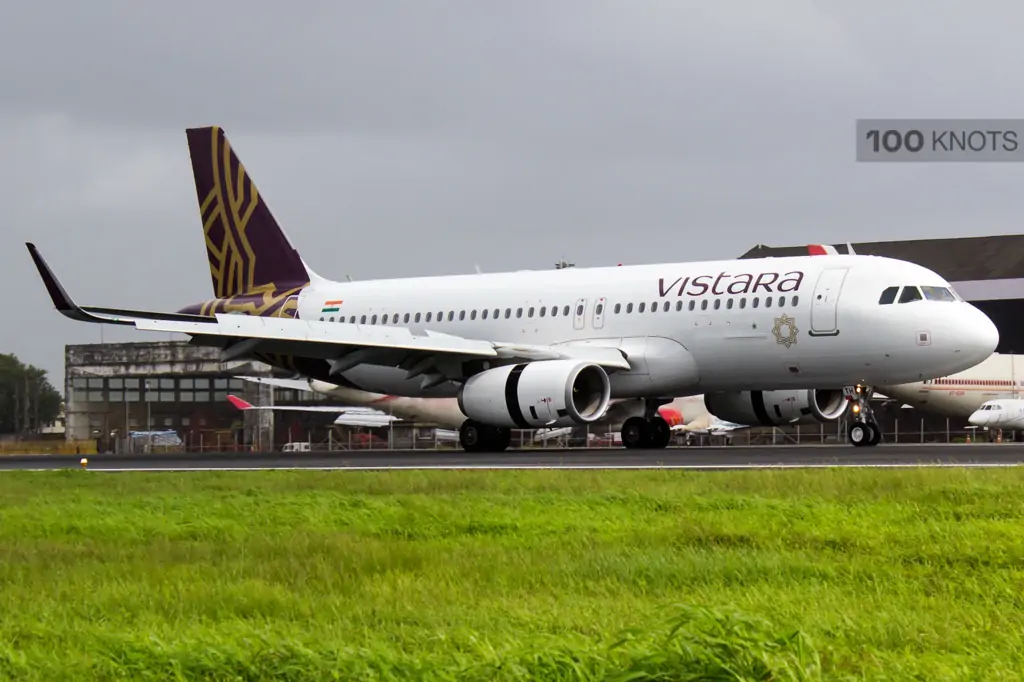
Full-service carrier Vistara will deploy eWAS and OptiClimb solutions by SITA, an IT solutions provider for the air transport industry. By deploying these solutions, Vistara aims to improve efficiency in flight planning and operations, reducing fuel burn and thereby reducing carbon emissions. Vistara said that continuous improvements in operational efficiency and safety remain key focus areas for the company.
"Continuous improvements in operational efficiency and safety remain key focus areas for us. Advanced technology solutions, such as SITA OptiClimb and SITA eWAS, enable clear enhancements in these areas, which ultimately help us to reduce our carbon footprint. We are committed to continuing on this path and will keep evolving as a future-ready, world-class airline," Hamish Maxwell, senior vice president, of flight operations, at Vistara, said.
eWAS Solution by SITA
The eWAS solution will help Vistara enhance overall flight safety and efficiency by providing pilots with better weather awareness data. It serves as an effective mechanism for delivering OptiClimb recommendations, according to SITA. The OptiClimb solution leverages historical flight data to predict fuel burn during the climb out and provides customised climb profile recommendations for every flight using machine learning.
SITA eWAS is a weather application that gives pilots and planners extensive, accurate and up-to-date information to optimize their flight path, fly more efficiently and minimize their carbon footprint. It monitors weather conditions as they evolve so crews can adjust or fine-tune planned routes and take positive action to avoid adverse weather before they encounter it. SITA eWAS is also a highly effective mechanism for delivering OptiClimb recommendations.
SITA said this will enable Vistara to save 80 tonnes of fuel per year per aircraft on average and reduce carbon emissions by roughly 250 tonnes yearly. For Vistara’s entire fleet, yearly fuel savings are estimated to be more than 5,000 tonnes, leading to a reduction in carbon emissions of more than 15,000 tonnes.
"We're excited to help leading airlines like Vistara with solutions that supercharge their efficiency, significantly reduce fuel consumption and support efforts towards more sustainable air travel," Sumesh Patel, president, of Asia Pacific, SITA, said. "We're now seeing an increasing number of Indian airlines looking for smart solutions to optimise operations and enhance the passenger experience."
SITA's Presence in Aviation Industry
SITA is the air transport industry's IT provider, delivering solutions for airlines, airports, aircraft and governments. Our technology powers more seamless, safe and sustainable air travel. SITA is 100% owned by the industry and driven by its needs. It is one of the most internationally diverse companies, providing services in over 200 countries and territories.
With around 2,500 customers, SITA's solutions drive operational efficiencies at more than 1,000 airports while delivering the promise of connected aircraft to customers of 18,000 aircraft globally. SITA also provides technology solutions that help more than 70 governments strike the balance of secure borders and seamless travel. Our communications network connects every corner of the globe and bridges 60% of the air transport community's data exchange.
SITA is a certified CarbonNeutral® company by The CarbonNeutral Protocol – the leading global standard for carbon-neutral programs. We are reducing our greenhouse gas emissions for all our operations through our UN-recognized Planet+ program, while also developing solutions to help the aviation industry meet its carbon reduction objectives, including reduced fuel burn and greater operational efficiencies at the airport.
About Vistara
TATA SIA Airlines Limited, known by the brand name Vistara, is a 51:49 joint venture between Tata Sons Private Limited and Singapore Airlines Limited (SIA). Vistara brings together Tata’s and SIA’s legendary hospitality and renowned service excellence to offer the finest full-service flying experience in India. Vistara commenced its commercial operations on 9 January 2015, to set new standards in the aviation industry in India and it today connects destinations across India and abroad. The airline currently has a fleet of 63 aircraft, including 48 Airbus A320neo, 10 Airbus A321, and 5 Boeing 787-9 Dreamliners and has flown more than 50 million customers since starting operations.
Read next
Morocco's RAM Airlines Plans Ambitious Fleet Expansion Ahead of 2030 World Cup
Abhishek Nayar
10 Oct 2023
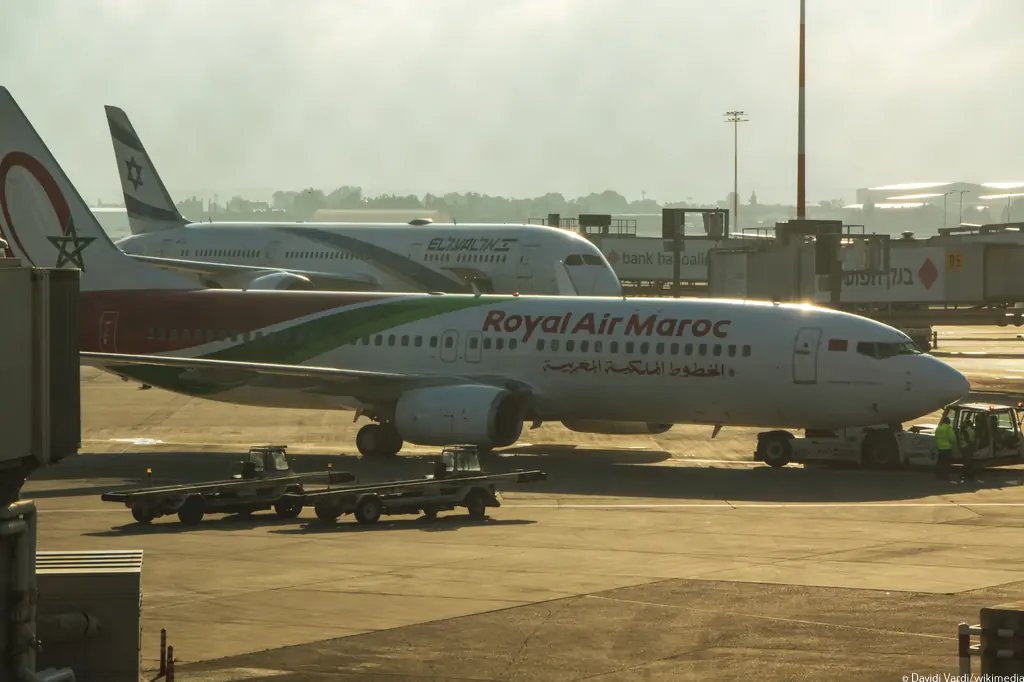
Morocco's national carrier, Royal Air Maroc (RAM), is gearing up for a significant expansion of its fleet to meet the growing demand for air travel in anticipation of the 2030 World Cup, which Morocco will co-host with Spain and Portugal.
In a recent announcement, RAM's CEO, Abdelhamid Addou, revealed the airline's ambitious plan to purchase 200 airplanes over the next decade. This strategic move aims to bolster the airline's competitiveness in the African market and support Morocco's broader tourism and economic goals.
Meeting the Rising Demand
With the 2030 World Cup on the horizon, Morocco is preparing to accommodate millions of tourists from around the world. RAM's decision to launch a tender for the acquisition of 200 aircraft within the next ten years reflects the country's commitment to ensuring seamless air travel connectivity during the event. RAM is primarily focused on acquiring medium-haul planes but is also considering the purchase of long and short-haul aircraft to cater to a diverse range of routes and passengers.
Quadrupling the Fleet
RAM currently operates a fleet of 50 aircraft, and this expansion plan represents a fourfold increase in its capacity. The airline's bold move is in line with its vision of becoming a dominant player in the African aviation industry. RAM already connects approximately 50 African airports, facilitating travel and economic ties across the continent.
Supporting Morocco's Investment Drive
Royal Air Maroc has played a pivotal role in supporting Morocco's investment endeavors in Africa. The airline has helped facilitate the activities of Moroccan banks, telecom companies, and the phosphates and fertilizers manufacturing sector across the continent. RAM's expansion aligns with Morocco's ambition to attract 17.5 million tourists by 2026, a substantial increase from the 11 million visitors in the previous year and 13 million in 2019.
A Strategic Growth Approach
While RAM's ambitious fleet expansion is set to position the airline as a key player in the global aviation market, the company is not currently considering privatization or listing on the Casablanca stock exchange. CEO Abdelhamid Addou emphasized that the immediate priority is to strengthen the airline and enhance its capabilities to meet the demands of the growing market.
Seeking Investment for Growth
To finance its growth plans, RAM is actively seeking investment from various sources, including investment funds and banks. With a promising market outlook, bolstered by the upcoming World Cup and Morocco's tourism strategy, RAM is confident in its future prospects.
Conclusion
Morocco's RAM Airlines is embarking on an ambitious journey to expand its fleet significantly, aligning with the country's aspirations for hosting the 2030 World Cup and attracting millions of tourists. This expansion not only positions RAM as a major player in the African aviation sector but also supports Morocco's broader economic goals and investment initiatives on the continent. As the airline seeks investment to fund its growth, it remains committed to becoming a key player in the global aviation industry.
With Inputs from Reuters
Read next
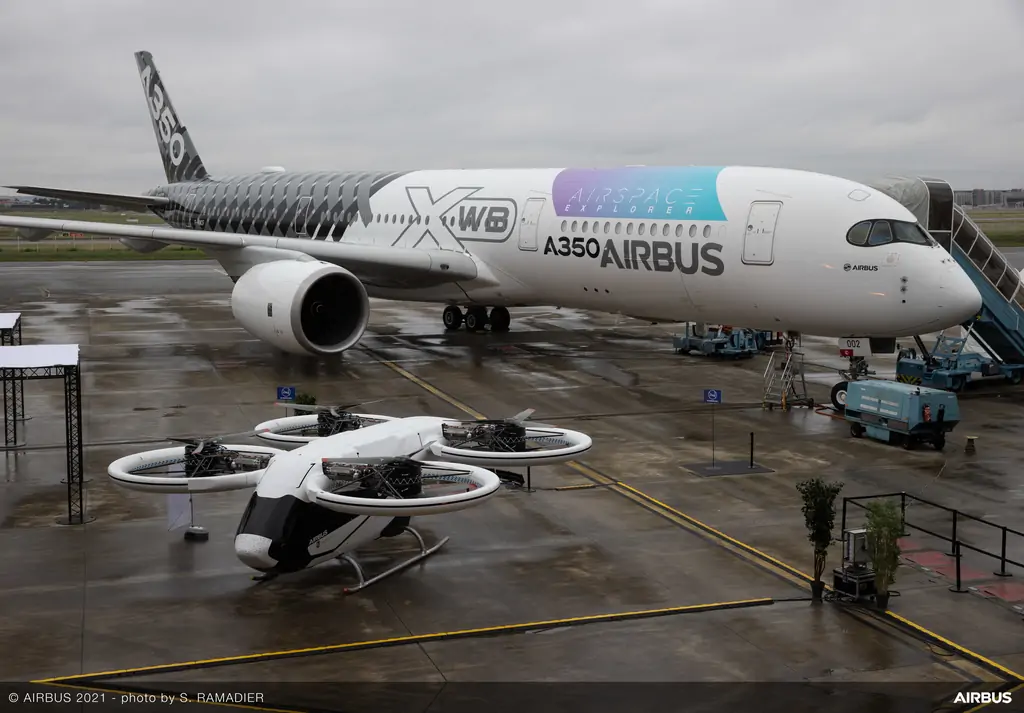
Airbus, one of the world's leading aircraft manufacturers, has announced impressive figures for its aircraft deliveries and orders in September 2023. The company delivered 55 aircraft during the month, contributing to a nine-month total of 488 jets. Additionally, Airbus secured orders for 23 new aircraft in September, pushing the nine-month order total to 1,241 after cancellations.
Widebody Deliveries

In September 2023, Airbus delivered seven widebody aircraft, showcasing the global demand for its long-haul models. Two Airbus A330neo jets were handed over to German leisure carrier Condor, expanding Condor's fleet and enabling the airline to serve high-demand routes more efficiently. These deliveries underline the significance of Airbus' widebody offerings in addressing the evolving needs of airlines.
On the Airbus A350 side, the company delivered one aircraft each to major carriers including China Southern Airlines, Air China, Air France, Air India, and Asiana Airlines. These deliveries signify the global reach of Airbus' widebody offerings and highlight its commitment to supporting airlines' long-haul operations. Airbus A350's advanced technology and fuel efficiency have made it a preferred choice among carriers worldwide.
Narrowbody Deliveries

September also saw Airbus delivering 48 narrowbody jets, including four A220-300 units and 44 Airbus A320 family aircraft. The A220 deliveries included aircraft for Air France, airBaltic, and JetBlue, enhancing the operational capabilities of these airlines. The A220's reputation for fuel efficiency and passenger comfort has contributed to its popularity among operators.
Additionally, Airbus delivered a singular Airbus A319 to Air Tibet, reinforcing the manufacturer's presence in the narrowbody market. The delivery of 23 A320neo jets and 20 A321neos throughout the month reflects the strong demand for these aircraft. Airlines like Spirit Airlines, EasyJet, and ICBC Aircraft Leasing have continued to invest in Airbus' A320neo family, emphasizing the model's versatility and cost-effectiveness.
Impressive Orders

Airbus' success in September wasn't limited to deliveries, as the company also secured significant orders. LATAM placed an order for 13 Airbus A321 aircraft, expanding its existing order for the A321neo family and underscoring the carrier's trust in Airbus for its fleet expansion. Turkish Airlines, on the other hand, ordered 10 A350-900s, further strengthening its partnership with Airbus and showcasing its preference for Airbus' widebody models.
These orders reflect Airbus' ability to meet the diverse needs of airlines across the globe, from narrowbody to widebody aircraft, and highlight the company's dedication to innovation and sustainability in aviation.
Conclusion
Airbus' robust performance in September 2023 underscores its position as a major player in the aviation industry. The company's impressive aircraft deliveries and orders demonstrate its commitment to meeting the evolving demands of airlines worldwide.
With a strong focus on both narrowbody and widebody aircraft, Airbus continues to shape the future of aviation by providing innovative, efficient, and sustainable solutions for its customers. As the aviation industry continues to recover and evolve, Airbus remains at the forefront, delivering excellence in every aspect of aircraft manufacturing and innovation.
With Inputs from Reuters
Comment