
What Will Happen to 600 Non-Flying Staff in the Air India-Vistara Mega-Merger?

Abhishek Nayar
12 Jul 2024
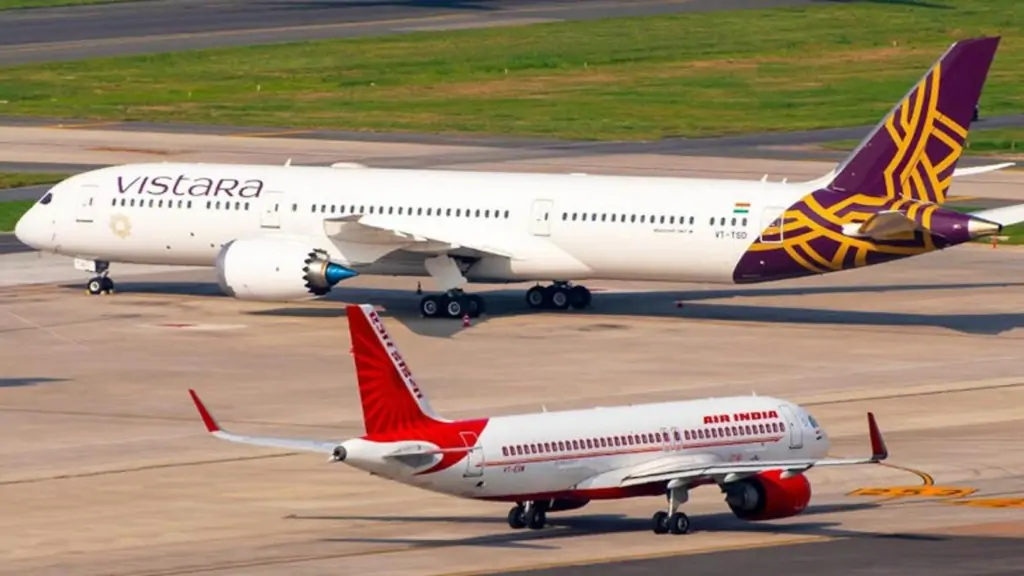
The aviation sector in India is set for a significant transformation as Air India and Vistara, both owned by the Tata Group, move closer to their anticipated merger. This strategic move, expected to complete by late September or early October, has sparked curiosity and concern, especially among the 23,000 employees of the two airlines. With around 600 non-flying staff likely to be impacted, the question arises: what will happen to these employees?
Impact on Non-Flying Staff
According to sources, the merger is projected to affect approximately 600 non-flying employees from both Air India and Vistara. Efforts are being made to ensure these individuals find job opportunities within the broader Air India group and other Tata companies. For those who cannot be accommodated, a voluntary separation scheme package will be offered.
Fitment Exercise and Its Fairness
A critical part of the merger process involves a fitment exercise, which has been ongoing for several months. This exercise evaluates the roles and responsibilities of the staff, considering their prior experience, performance, and other factors. The aim is to ensure a fair and transparent process, aligning with the airline group's vision of becoming more technology-driven.
Assurance from Leadership
In a town hall meeting held on May 12, Air India CEO Campbell Wilson and Vistara CEO Vinod Kannan addressed employees' concerns about the merger. They assured that the fitment process would be merit-based and competency-driven. The merger, they emphasized, is geared towards growth rather than cost-cutting, with plans for fleet expansion, network growth, and enhanced service.
Job Security for Cabin Crew and Pilots
Importantly, sources confirm that there will be no job losses for cabin crew and pilots. This reassurance highlights the merger's focus on retaining essential talent and maintaining service quality as the new airline entity emerges.
Merger Milestones
The merger, announced in November 2022, has steadily progressed through various regulatory approvals. In June, the National Company Law Tribunal (NCLT) cleared the merger, and Singapore's competition regulator CCCS gave a conditional nod in March. Earlier, in September 2023, the Competition Commission of India (CCI) also approved the deal with certain conditions.
Tata Group’s Broader Strategy
Since taking over Air India in January 2022, Tata Group has embarked on a broader consolidation of its airline business. This includes merging Air India Express and AIX Connect (formerly AirAsia India). The harmonization of operating manuals across all Tata Group airlines has been completed, indicating a streamlined approach to operations.
Conclusion
The Air India-Vistara merger represents a significant step in the Indian aviation landscape, promising growth and enhanced service. While around 600 non-flying staff face uncertainty, the Tata Group's efforts to provide alternative employment and voluntary separation packages reflect a commitment to fair treatment. As the merger unfolds, the aviation industry and its employees will closely watch its impact, hoping for a smooth transition into a new era of Indian aviation.
Read next
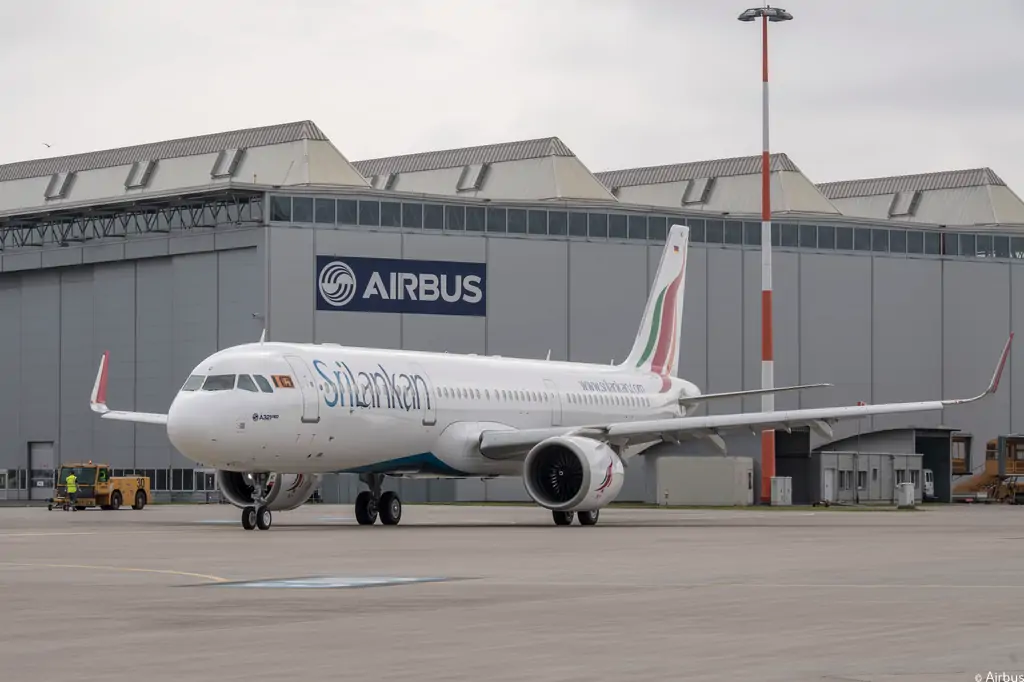
SriLankan Airlines is making headlines by combining luxury with environmental responsibility in its Business Class. The airline has introduced new eco-friendly pillow covers and headrest covers (antimacassars) made from recycled PET plastic (rPET). This move reflects the airline's commitment to sustainability while ensuring passengers enjoy the highest standards of comfort and quality.
Revolutionary Eco-Friendly Amenities
Sustainable Materials: A Win for the Environment

The newly introduced pillow covers and antimacassars are sourced from Procurall Solutions, a leading company in designing comfort and care solutions for top airlines worldwide. These amenities are crafted entirely from sustainable polyester, derived from recycled PET plastic. This innovative approach helps reduce plastic pollution and conserves natural resources.
Energy-Efficient Production

The production process of rPET is notably more energy-efficient compared to traditional methods. This results in a lower carbon footprint, aligning with SriLankan Airlines' mission to promote environmentally friendly operations. By adopting rPET, the airline not only supports recycling efforts but also takes a significant step toward reducing overall energy consumption in its supply chain.
A Touch of Luxury at 30,000 Feet

Superior Comfort and Design
While sustainability is a key focus, SriLankan Airlines has not compromised on passenger comfort. The new pillow covers and antimacassars are made from soft, durable, and breathable fabric, ensuring maximum comfort and relaxation during flights. Their luxurious design adds a touch of elegance to the Business Class experience, making every journey more enjoyable.
Enhancing the In-Flight Experience
These new amenities complement the eco-friendly carpets introduced onboard a few months ago. Together, they enhance the overall in-flight experience by providing passengers with stylish and comfortable surroundings, while also promoting environmental consciousness.
Commitment to a Greener Future
Gradual Transition to Sustainable Cabins
SriLankan Airlines is taking gradual yet significant steps toward converting its cabins into fully sustainable environments. The introduction of rPET pillow covers and antimacassars is part of a broader strategy to adopt eco-friendly practices across all aspects of the airline's operations. This initiative underscores the airline's enduring commitment to reducing its carbon footprint and promoting a greener future for air travel.
Leading by Example
By integrating sustainable amenities, SriLankan Airlines sets a positive example for the aviation industry. It demonstrates that luxury and sustainability can coexist, paving the way for other airlines to follow suit in adopting environmentally friendly practices.
Conclusion: The Future of Eco-Conscious Air Travel
SriLankan Airlines' initiative to introduce eco-friendly pillow covers and antimacassars in Business Class is a commendable step toward a more sustainable future. This move highlights the airline's dedication to environmental responsibility without compromising on quality and comfort. As SriLankan Airlines continues to innovate and lead in sustainability, passengers can look forward to enjoying luxurious and eco-conscious flights, setting a new standard in the aviation industry.
Read next
Will India’s Aviation Boom Face a Turbulent Future Due to Workforce Shortages?

Jaideep Mirchandani
12 Jul 2024
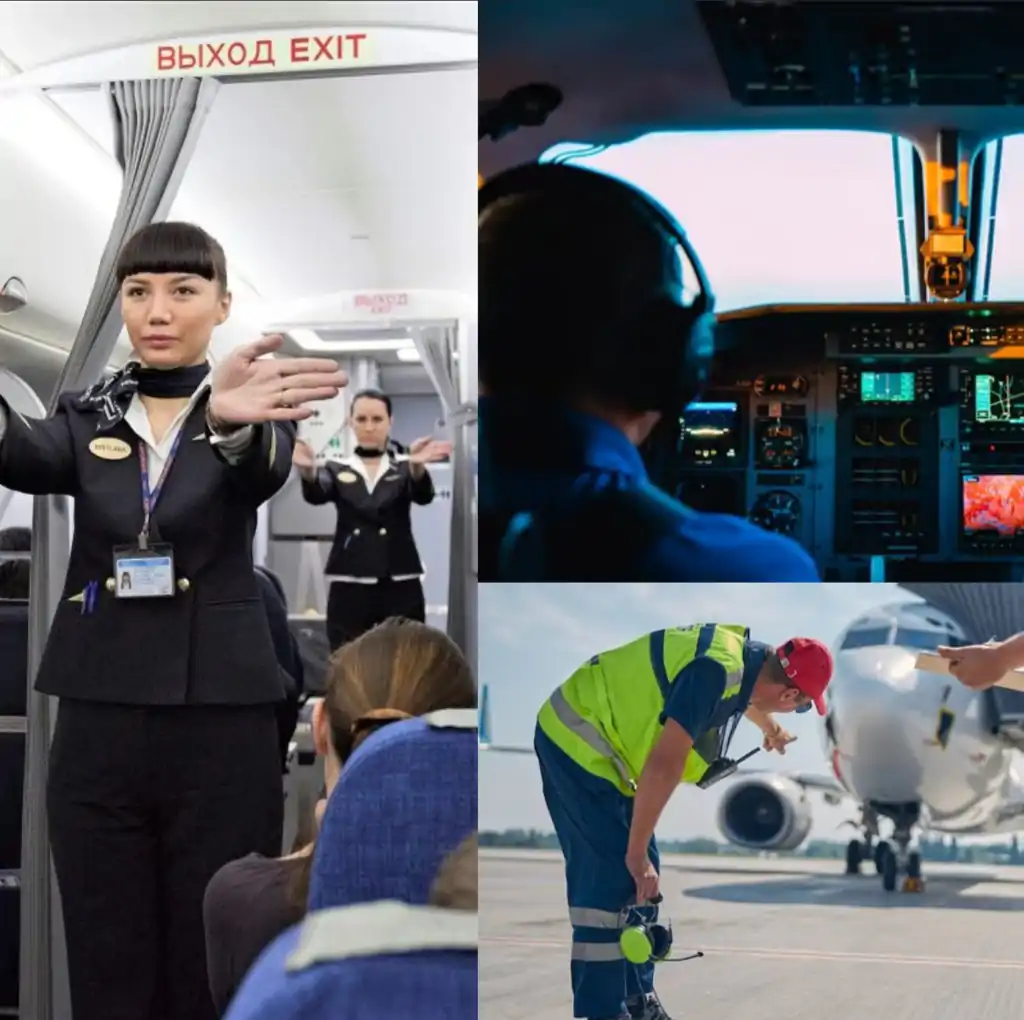
India's aviation sector is poised for unprecedented growth, with projections indicating the addition of over 1,100 new aircraft in the next decade and the development of numerous new airports. However, this rapid expansion may be hampered by a significant challenge: a shortage of well-trained personnel. Jaideep Mirchandani, Chairman of Sky One, and other industry experts have raised concerns about the demand and supply gap for pilots, crew, and air traffic controllers.
The Scope of Expansion
India's aviation market is set to soar with the government's ambitious plans for developing new airports and renovating existing ones. According to Remi Maillard, President and Managing Director of Airbus India and South Asia, the country will require 2,840 new planes, 41,000 pilots, and 47,000 technical workers over the next two decades. This expansion will not only increase the number of flights and passengers but also create substantial job opportunities within the industry.
The Personnel Shortage
One of the most significant challenges highlighted by Mirchandani and the consultancy firm CAPA India is the scarcity of qualified technical workers, particularly pilots. Despite the issuance of a record-breaking 1,622 commercial pilot licenses by the Directorate General of Civil Aviation (DGCA) last year, the demand for skilled pilots continues to outpace supply. This shortage extends to other critical roles such as crew members, air traffic controllers, and technicians in the Maintenance, Repair, and Overhaul (MRO) sector.
Initiatives to Address the Gap
The DGCA has taken commendable steps to address the pilot shortage by promoting more Flying Training Organizations (FTOs) in India and collaborating with expert training institutes to enhance the quality of pilot training. Mirchandani emphasizes the need for the Civil Aviation Ministry to implement further measures to bridge the demand and supply gap. These measures include:
- Development of Training Infrastructure: Establishing more training facilities to support the increasing number of trainees.
- Incentivizing Youth: Providing scholarships, financial aid, job guarantees, and career development programs to attract young talent.
- Retention of Existing Talent: Improving working conditions, offering attractive compensation packages, and fostering an inclusive work environment to retain skilled personnel.
Future Prospects
The expansion of India's aviation sector presents immense opportunities, but it also necessitates a robust strategy to ensure a steady supply of well-trained personnel. The success of this expansion hinges on the industry's ability to attract, train, and retain talent. By addressing these workforce challenges, India can fully realize the benefits of increased capacity and improved services in its aviation sector.
Conclusion
India's aviation industry stands at the cusp of significant growth, but it must navigate the challenge of workforce shortages to sustain its upward trajectory. With strategic initiatives and a focus on enhancing training and retention, the sector can overcome these hurdles and continue to soar to new heights.
Read next

Wizz Air, the budget airline known for its all-Airbus fleet, is preparing for more delays in aircraft deliveries from the European plane manufacturer. Despite these challenges, CEO Jozsef Varadi remains optimistic about the airline's growth prospects. In a recent interview with Reuters, Varadi shared insights into the strategies and assumptions guiding Wizz Air through these turbulent times.
Delays and Challenges: A Closer Look
Wizz Air has been grappling with multiple issues, notably the complications surrounding Pratt and Whitney RTX engines. With 45 planes grounded this summer for inspections and another 35 expected to be grounded next summer, the airline's capacity has faced significant constraints. Additionally, Airbus itself has been struggling with supply chain disruptions, further complicating the delivery schedule.
Varadi acknowledged the six-month delays already affecting Airbus deliveries but emphasized that these setbacks would not severely impact Wizz Air's capacity. "We are making assumptions that Airbus will have delivery delays," Varadi explained, "but the real impact (...) will be fairly limited."
A Strategy for Growth: Managing Expectations and Deliveries
Despite the challenges, Wizz Air expects a steady flow of about three new aircraft per month. The airline forecasts a 20% growth in capacity next year, followed by 20-25% growth the year after. This optimistic outlook hinges on continuous deliveries and effective management of the existing fleet.
Industry-Wide Turbulence: A Broader Perspective
The aviation sector has faced widespread delays from both Boeing and Airbus in the wake of the COVID-19 pandemic. Boeing, in particular, has encountered significant constraints due to ongoing safety concerns. This has led to regulatory scrutiny, especially from the U.S. Federal Aviation Administration (FAA), which is likely to influence Europe's aviation regulator, EASA.
Ryanair, Wizz Air's larger competitor, has had to cut some routes this summer due to Boeing delivery delays and additional regulatory scrutiny following a door blowout incident. Varadi noted, "For everyone, the regulatory environment is going to be more difficult with more scrutiny, which will slow down the process."
The Future of Wizz Air: Decisions and Directions
An important decision looms for Wizz Air: choosing between RTX and CFM engines for its new Airbus planes. Varadi indicated that a decision is expected within the next year, a choice that will significantly impact the airline's operations and maintenance strategies.
Conclusion: Flying High Despite Headwinds
Wizz Air's ability to navigate these challenges with strategic foresight and operational flexibility showcases its resilience in a volatile industry. While delivery delays and regulatory scrutiny present hurdles, Wizz Air's commitment to growth and capacity expansion remains steadfast. With careful planning and adaptive strategies, the airline aims to soar high, despite the headwinds it faces.
Engaging with the Future: What Lies Ahead for Wizz Air?
As Wizz Air continues to adapt to the evolving landscape of the aviation industry, it will be interesting to see how it manages the interplay of regulatory challenges, supply chain issues, and strategic decisions. Will Wizz Air's optimism pay off in the long run? How will the choice of engine supplier influence its operations? Stay tuned to witness the unfolding journey of this budget carrier as it aims for the skies.
With Inputs from Reuters
Read next

Riyadh Air, the latest entrant in the Saudi Arabian aviation sector, is making headlines with its recent partnership with U.S. carrier Delta Air Lines. As Riyadh Air prepares to launch its commercial operations next year, this collaboration marks a significant step in its growth strategy, aiming to establish a robust network through strategic alliances.
The Partnership: Riyadh Air and Delta Air Lines

Under this new agreement, Delta Air Lines will serve as Riyadh Air's exclusive partner in North America. This partnership offers Riyadh Air's customers access to hundreds of U.S. destinations, while Delta’s customers will gain new travel options within Saudi Arabia. This move will also see Delta planning future nonstop services to Riyadh, a significant development given that no U.S. airline currently flies to Saudi Arabia.

Shifting Dynamics in the Aviation Industry
This partnership represents a notable shift in the aviation industry's dynamics. Delta’s collaboration with a Gulf carrier marks a departure from the previous decade when Delta, along with United and American Airlines, lobbied to curb competition from Gulf state carriers. However, in recent years, there has been a noticeable shift, with United Airlines entering a codeshare agreement with Dubai's Emirates in 2022, and American Airlines establishing a similar arrangement with Qatar Airways.
Code-Sharing and Future Prospects
The tie-up between Delta and Riyadh Air includes plans for code-sharing, allowing both airlines to sell seats on each other's flights. However, this will require regulatory approvals. Looking ahead, the two carriers plan to expand their partnership into a joint venture, enabling deeper collaboration on network planning. Such an arrangement would necessitate immunity from antitrust laws.
Riyadh Air’s Strategic Growth Plan
Riyadh Air, owned by Saudi Arabia's sovereign wealth fund PIF, aims to become the second national airline alongside Saudia. Based in Riyadh, it seeks to build its network through a series of bilateral partnerships and codeshares rather than relying solely on its fleet or joining a formal airline alliance. In addition to the partnership with Delta, Riyadh Air has recently announced collaborations with Singapore Airlines and Air China.
Delta's Existing Joint Ventures
Delta Air Lines has a history of successful joint ventures, including partnerships with Air France-KLM, British Airways, Virgin Atlantic, Chile's LATAM Airlines, and Korean Air. The addition of Riyadh Air to this roster underscores Delta’s strategic focus on expanding its global reach through collaborative efforts.
A New Chapter in U.S.-Saudi Aviation Relations
This partnership heralds a new chapter in U.S.-Saudi aviation relations, reflecting the evolving landscape of the global airline industry. As Riyadh Air prepares for takeoff, its strategic alliances with established carriers like Delta are set to play a crucial role in its success.
Conclusion: A Promising Future
The alliance between Riyadh Air and Delta Air Lines is more than just a business agreement; it’s a significant step towards transforming the aviation landscape. With plans for code-sharing and potential joint ventures, both airlines are poised to offer enhanced connectivity and services to their passengers. As Riyadh Air gears up for its commercial debut, its partnership with Delta signifies a promising future for the Saudi startup and its customers.
With Inputs from Reuters
Read next

Air India Express is set to embark on a significant transformation. As part of a strategic fleet optimization plan, the low-cost carrier will acquire up to twenty Airbus A320 aircraft from its parent company, Air India. This move aims to enhance Air India Express's operations on domestic and short-haul international routes. The transfer of aircraft, along with cabin crew and pilots, will take place in phases over the coming months, signaling a new era for the airline.
The Fleet Transition: A Shift from Boeing to Airbus
Historically, Air India Express has been a predominantly Boeing operator, boasting a fleet that includes twenty-six B737-800s and twenty-six B737 MAX-8s. However, the airline also operates four A320-200Ns and one A320-200. This existing imbalance will be rectified with the merger of AIX Connect (formerly AirAsia India) into Air India Express. AIX Connect brings to the table twenty-three A320-200s and a single A320-200N, making the newly merged entity an Airbus-dominated fleet.
The Parent Company's Role: Air India's Contribution
Air India, the parent company, currently operates nine A320-200s and forty-six A320-200Ns, with an additional 125 on order. Most of these aircraft are configured with dual-class cabins. However, the twenty A320s destined for Air India Express will undergo conversion to a single-cabin layout to align with the low-cost carrier's model. This reconfiguration is a crucial step in the broader harmonization process among Tata Sons' airline brands.
Tata Sons' Vision: Streamlining Operations
The transfer of aircraft is part of a larger overhaul by Tata Sons, the conglomerate that owns multiple airlines. This initiative includes the merger of Vistara with Air India and the integration of Tata's low-cost carriers. The goal is to reduce the number of airline brands under Tata Sons to two, simplifying operations and creating a more cohesive brand identity.
Leadership's Perspective: Air India CEO's Insights
Air India CEO Campbell Wilson recently highlighted the ongoing harmonization efforts between the various airlines. According to Wilson, these processes are well underway, and the group aims to complete the mergers by the end of the year. This strategic consolidation is expected to enhance operational efficiency, improve customer experience, and strengthen the competitive position of Tata Sons' airlines in the market.
Conclusion: A Promising Future for Air India Express
The fleet overhaul and mergers represent a bold move towards a more streamlined and efficient operation for Air India Express and the broader Tata Sons aviation portfolio. As the airline transitions to a predominantly Airbus fleet and integrates its operations with AIX Connect, passengers can look forward to improved service and expanded route options. The ongoing harmonization and consolidation efforts promise to reshape the landscape of low-cost travel in India and beyond, setting the stage for a new era of growth and innovation in the aviation sector.
With Inputs from ch-aviation
Comment